
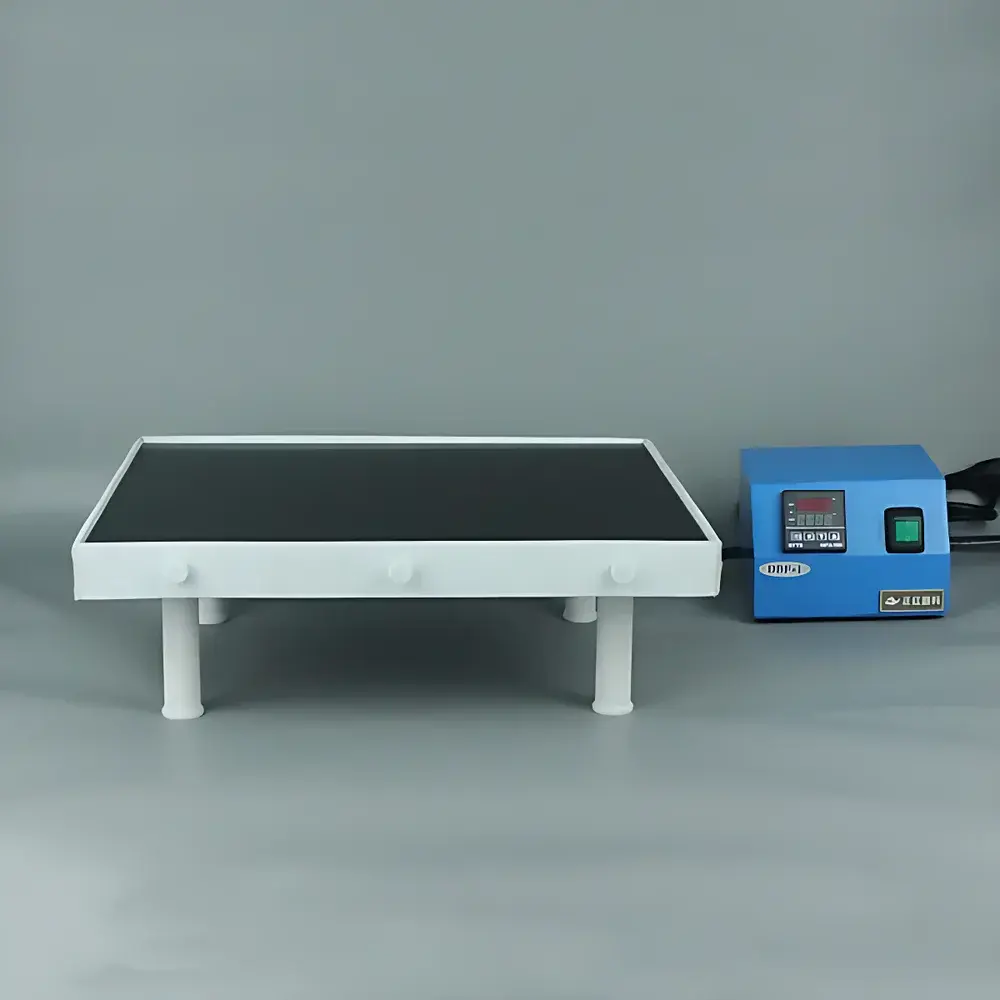
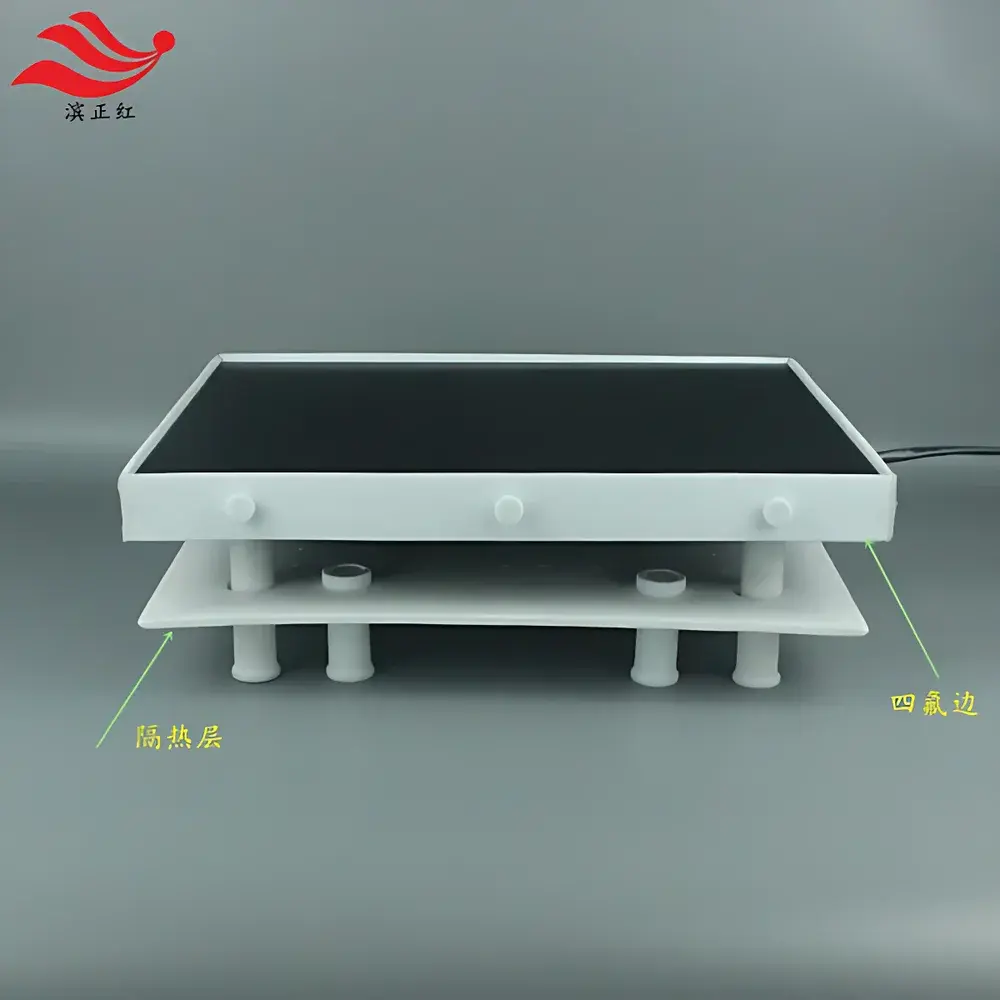
High-Temperature Programmable PID-Controlled Hot Plate (Binzhenghong DBF-II)
| Brand | Binzhenghong |
|---|---|
| Model | DBF-II |
| Heating Surface | 600 × 400 mm |
| Construction Material | High-Grade Cast Aluminum |
| Operating Temperature Range | Ambient to 350 °C |
| Temperature Control Method | Digital PID with LED Display |
| Temperature Accuracy | ±1 °C |
| Surface Uniformity | ≤ ±2 °C across active area |
| Continuous Operation Duration | ≥ 48 h |
| Compliance | Designed for laboratory-grade chemical processing under GLP-aligned workflows |
| Customization Options | Modular split-body configuration, multi-stage timed ramp/soak profiles, custom surface dimensions |
Overview
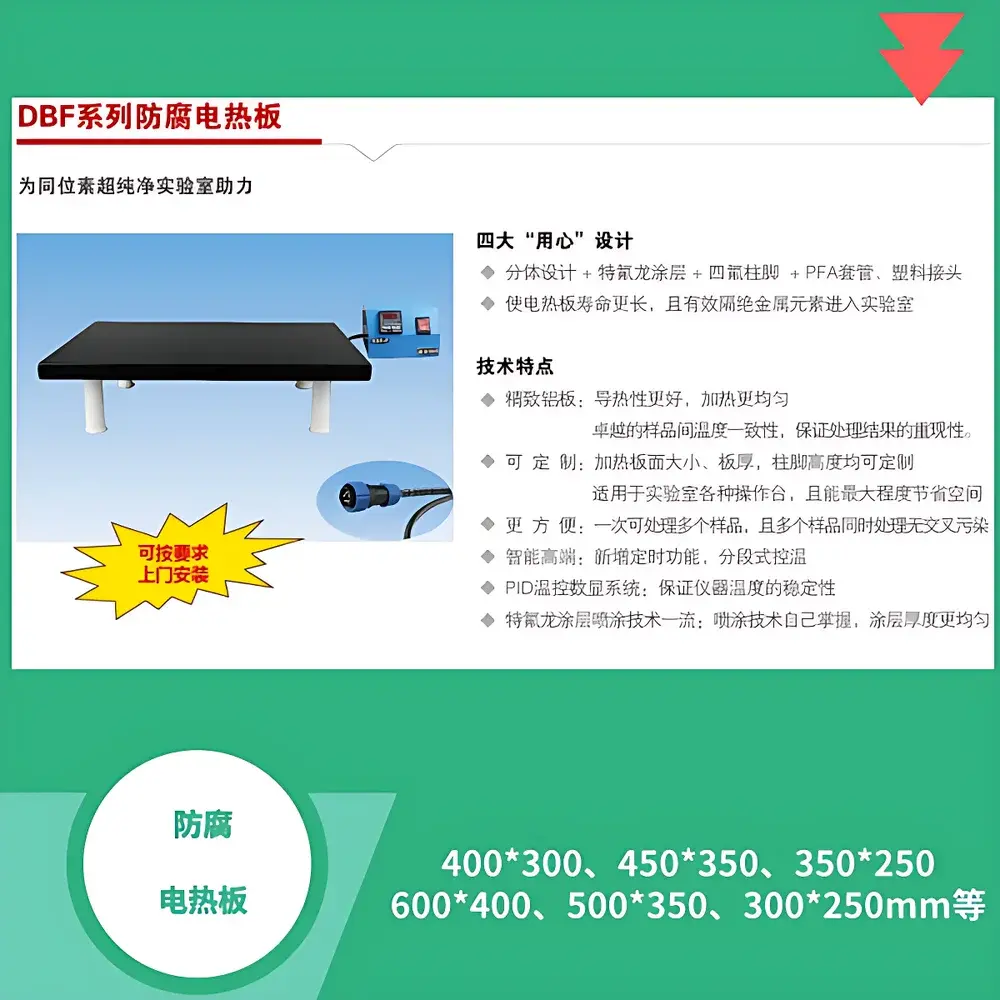
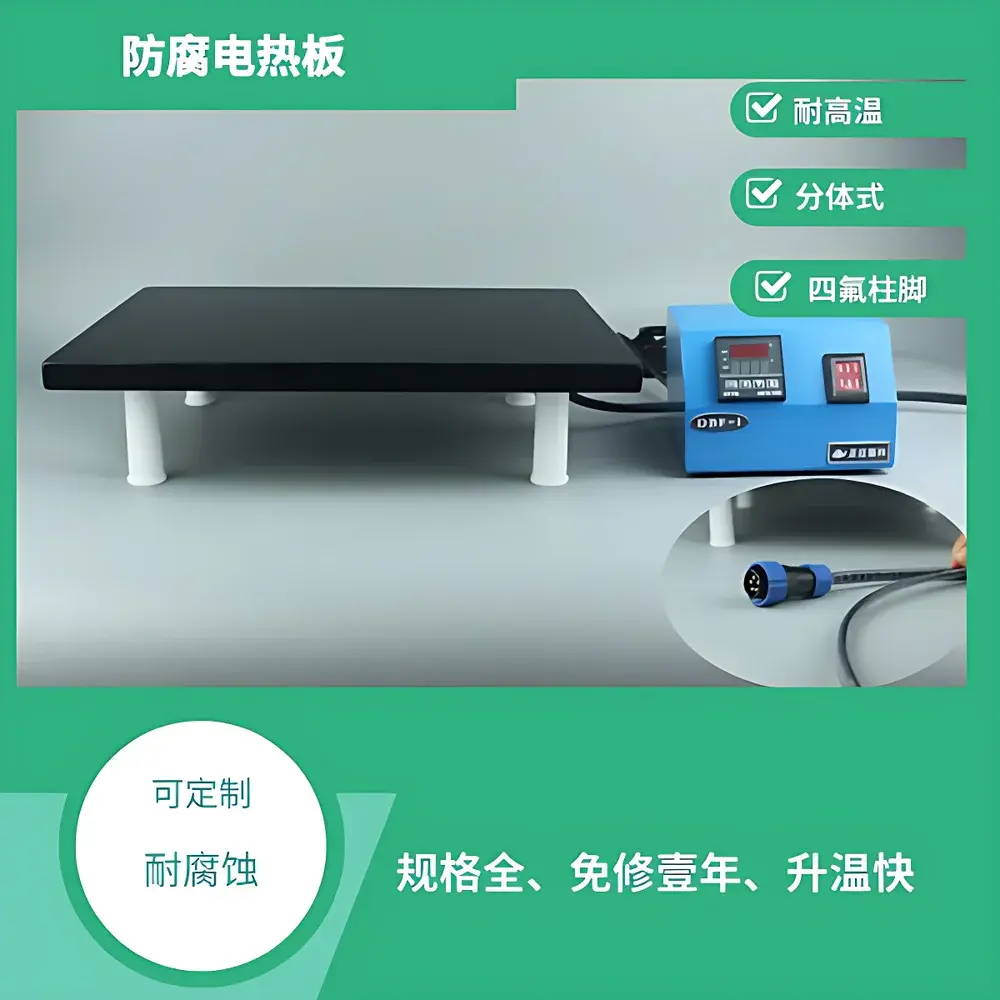
The Binzhenghong DBF-II High-Temperature Programmable Hot Plate is an engineered thermal platform designed for precise, stable, and corrosion-resilient heating in analytical chemistry laboratories. Based on resistive heating within a monolithic cast aluminum block, the system delivers uniform thermal distribution across its 600 × 400 mm active surface—optimized for simultaneous treatment of multiple samples during digestion, evaporation, reflux, or solvent removal procedures. Its core architecture employs a closed-loop digital PID temperature controller with real-time LED feedback, enabling reproducible setpoint attainment and minimal thermal drift over extended operation cycles. Unlike conventional benchtop heaters, the DBF-II integrates structural and functional adaptations for aggressive chemical environments—including optional split-body design that physically isolates the control electronics from acid-laden fumes generated during open-vessel sample preparation.
Key Features
- Cast aluminum heating plate with high thermal mass and low thermal inertia—ensures rapid warm-up (typical <15 min to 300 °C) and exceptional spatial uniformity (≤ ±2 °C across full surface)
- Digital PID temperature regulation with 0.1 °C resolution and ±1 °C accuracy at steady state, validated per ASTM E220 calibration practices
- Split-body configuration option: separates heater module from control unit via shielded cable, minimizing exposure of electronics to corrosive vapors (e.g., HNO₃, HF, HCl fumes)
- Multi-stage programmable timer: supports up to 3 independent ramp-hold segments, enabling automated thermal protocols for standardized digestion methods (e.g., EPA 3050B, ISO 11466)
- Robust front-panel interface with tactile buttons, large-digit LED display, and status indicators for power, alarm, and active program phase
- Over-temperature protection circuitry compliant with IEC 61000-4-5 surge immunity and EN 60598-1 thermal safety requirements
Sample Compatibility & Compliance
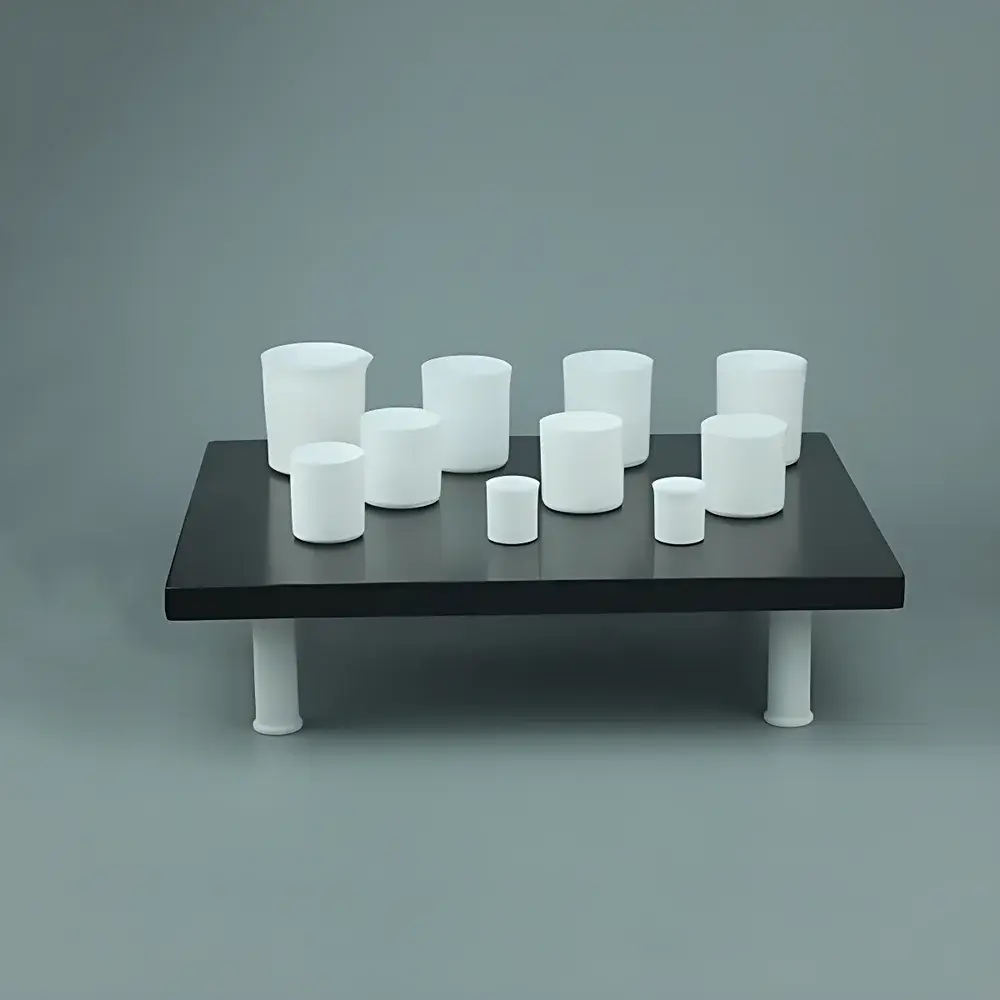
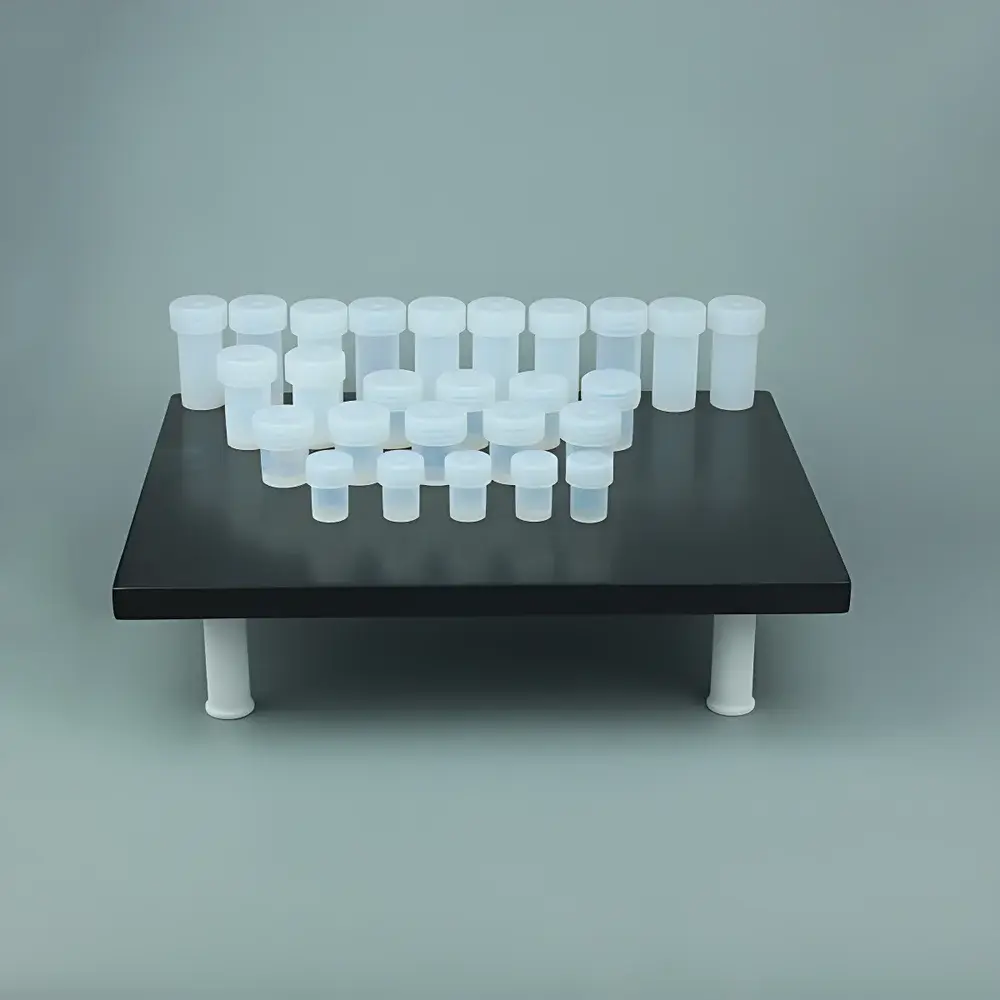
The DBF-II accommodates standard and custom glassware (beakers, digestion vessels, crucibles) as well as PTFE-, quartz-, or ceramic-lined containers. Its non-porous cast aluminum surface resists mild to moderate acid exposure; for prolonged use with concentrated mineral acids, optional silicone-coated or enamel-fused surface variants are available upon request. The instrument is engineered to support workflows aligned with ISO/IEC 17025-accredited laboratories and meets mechanical safety requirements outlined in EN 61010-1:2010 for electrical equipment used in laboratory environments. While not intrinsically rated for hazardous locations, it may be deployed in fume hoods or ventilated enclosures per OSHA 1910.1200 and local chemical hygiene plans.
Software & Data Management
The DBF-II operates as a standalone hardware platform without embedded software or network connectivity. All temperature programming and monitoring occur via its local control panel. For integration into regulated environments (e.g., pharmaceutical QC labs), optional RS-485 serial output (Modbus RTU protocol) enables connection to external data loggers or SCADA systems supporting 21 CFR Part 11-compliant audit trails. Time-stamped temperature logs can be exported for review during internal audits or regulatory inspections. No firmware updates or cloud services are provided; configuration remains immutable post-manufacture to ensure validation stability.
Applications
- Acid digestion of environmental solids (soils, sediments, sludges) prior to ICP-OES or ICP-MS analysis
- Controlled evaporation of aqueous extracts in trace metal analysis workflows
- Pre-concentration of organic extracts in pesticide residue testing (AOAC 2007.01)
- Heating baths for viscosity measurements requiring stable thermal conditioning (ASTM D445)
- Sample drying and ashing support in proximate analysis of biomass and food matrices
- Calibration verification of thermocouples and RTDs using fixed-point reference plates
FAQ
Is the DBF-II suitable for use with hydrofluoric acid (HF)?
No—standard cast aluminum surfaces are incompatible with HF. For HF-based digestions, users must specify the optional PTFE-coated or fused-silica insert variant at time of order.
Can the DBF-II be validated for GMP environments?
Yes—the device supports IQ/OQ documentation through its deterministic control logic, repeatable thermal performance, and absence of volatile firmware dependencies. Full validation packages (including calibration certificates traceable to NIM) are available upon request.
What is the expected service life under continuous 350 °C operation?
Rated for ≥ 10,000 hours of cumulative operation at ≤ 300 °C; sustained use at 350 °C reduces service life by ~30% due to accelerated oxidation of the aluminum substrate.
Does the split-body configuration affect temperature stability?
No—thermal performance specifications remain identical between integrated and split configurations; only physical routing of control signals changes.
Are spare parts and technical support available outside China?
Yes—Binzhenghong maintains authorized service partners in Germany, USA, and Singapore, with lead times for critical spares (heater elements, PID controllers) typically under 4 weeks ex-warehouse.




