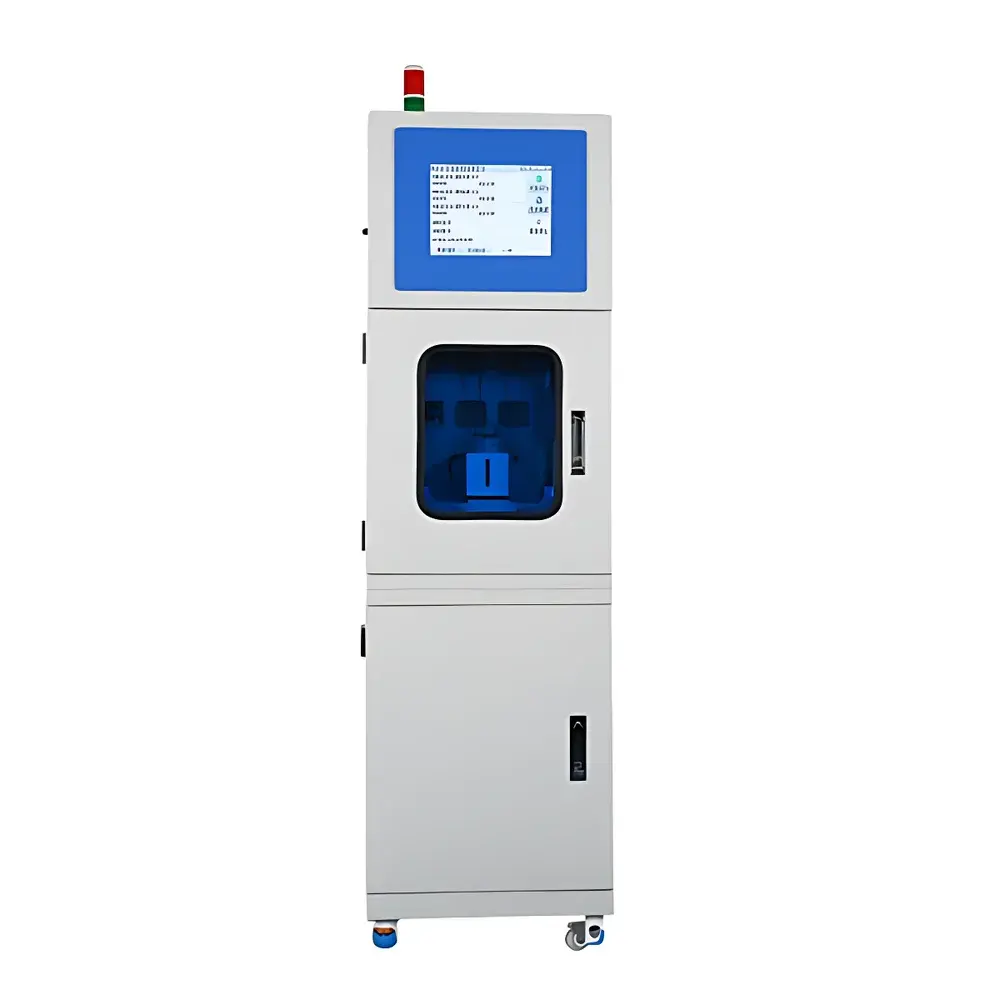
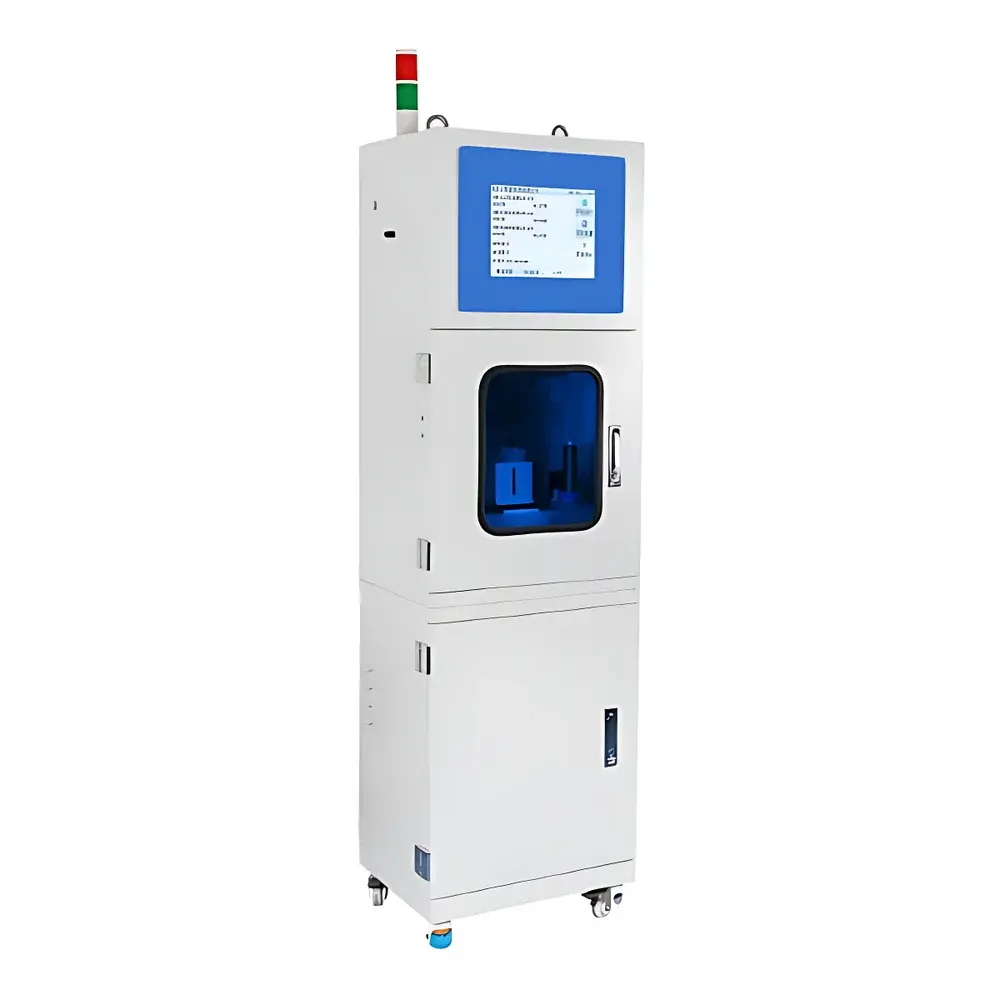
HOGON ALT-1 Online Phosphating Bath Analyzer for Free Acid, Total Acid & Free Fluoride
| Brand | HOGON |
|---|---|
| Origin | Shanghai, China |
| Manufacturer Type | OEM Manufacturer |
| Product Category | Domestic (China-Made) |
| Model | ALT-1 |
| Output Signals | Modbus TCP, RS-232/485, CAN, 4–20 mA |
| Environmental Operating Conditions | ≤90% RH, 10 °C minimum (non-condensing) |
| Resolution | Potentiometric: ±0.1 mV (−2000 to +2000 mV) |
| pH | ±0.001 pH (0–20 pH) |
| Photometric | ±0.003 Abs (0–1 Abs) |
| Ingress Protection | IP55 / IP65 (when door is closed and latched) |
| Titration Precision | ±1 µL volumetric control (20 mL burette) |
Overview
The HOGON ALT-1 Online Phosphating Bath Analyzer is an industrial-grade, fully automated process analyzer engineered for continuous, real-time quantification of three critical parameters in zinc or manganese phosphating baths: free acid (FA), total acid (TA), and free fluoride (FF). It operates on dual analytical principles—potentiometric titration for acid metrics and ion-selective electrode (ISE) potentiometry for fluoride—enabling simultaneous, independent measurement cycles without cross-interference. Designed for integration into closed-loop metal pretreatment lines, the system eliminates manual sampling and offline lab analysis, reducing process drift and enabling dynamic bath replenishment. Its architecture conforms to the operational constraints of hot, chemically aggressive surface treatment environments—typically 35–65 °C bath temperatures, high phosphate/zinc/nitrate loadings, and suspended particulates—while maintaining metrological stability through integrated temperature compensation, automatic electrode cleaning, and adaptive endpoint detection algorithms.
Key Features
- Triple-parameter autonomous operation: FA, TA, and FF measured sequentially within a single 15–20 minute cycle, with configurable measurement intervals (1x/hour to 6x/hour)
- High-precision micro-dosing module: 20 mL glass burette with ±1 µL dispensing resolution, certified per ISO 8655-3 for volumetric accuracy under industrial vibration conditions
- Dual-sensor electrode management: Integrated pH composite electrode (Ag/AgCl reference, low-drift glass membrane) and solid-state fluoride ISE with LaF3 crystal sensing element; both feature auto-rinsing nozzles and programmable conditioning sequences
- Robust wetted materials: PTFE, PVDF, and sapphire flow cells resist corrosion from phosphoric acid, nitric acid, and fluoride complexes; all fluidic paths are pressure-rated to 6 bar
- Embedded environmental monitoring: Onboard thermistor and humidity sensor validate ambient operating conditions prior to assay initiation, preventing measurement artifacts caused by condensation or thermal drift
- Fail-safe reagent management: Dual-level optical sensors detect reagent depletion; consumables (NaOH titrant, TISAB buffer, indicator solutions) are housed in sealed, light-blocking cartridges with RFID-tagged lot traceability
Sample Compatibility & Compliance
The ALT-1 is validated for direct online sampling from circulating phosphating tanks operating at standard industrial concentrations: FA (0.5–3.5 pts), TA (12–35 pts), and FF (50–800 mg/L). It accommodates turbid samples via integrated inline filtration (5 µm stainless steel mesh) and compensates for ionic strength variations using TISAB-mediated fluoride measurement. Regulatory alignment includes support for GLP-compliant data integrity: full audit trail (user actions, calibration events, error logs), electronic signatures (per FDA 21 CFR Part 11 Annex 11), and timestamped raw sensor outputs stored locally for ≥12 months. The system meets CE marking requirements for industrial machinery (2006/42/EC) and electromagnetic compatibility (2014/30/EU), with optional ATEX Zone 2 certification for solvent-rich pretreatment zones.
Software & Data Management
Firmware v3.2 provides embedded Linux-based control with web-accessible HMI (HTML5), supporting remote configuration via HTTPS. Measurement data—including raw mV/pH/Abs values, titration curves, endpoint derivatives, and calculated concentrations—is exported in CSV/JSON formats via Modbus TCP (slave ID configurable) or serial protocols. The onboard database enables trend visualization (7-day rolling plots), alarm thresholds (high/low/deviation), and statistical process control (SPC) charting (X-bar/R charts). All communications comply with IEC 62443-3-3 SL2 cybersecurity requirements, including TLS 1.2 encryption, role-based access control (admin/operator/viewer), and firmware signature verification.
Applications
Primary deployment occurs in automotive OEM coil coating lines, aerospace component finishing facilities, and heavy equipment manufacturing plants where phosphating consistency directly impacts paint adhesion (ASTM D3359), salt spray resistance (ISO 9227), and cathodic electrocoat performance. Secondary use cases include quality assurance in zinc-nickel plating pre-dips and validation of bath aging models during accelerated life testing. The ALT-1 also supports R&D workflows in formulation labs, where its reproducible titration endpoints enable comparative studies of accelerator chemistry (e.g., nitrate vs. nitrite vs. chlorate oxidizers) and fluoride scavenger efficacy.
FAQ
What sample volume is required per analysis cycle?
Each full FA/TA/FF sequence consumes 10 mL of undiluted bath solution, drawn via peristaltic pump with pulse-dampening accumulator to ensure laminar flow.
Can the system operate unattended for extended periods?
Yes—reagent cartridges provide ≥14 days of continuous operation at 4x/day measurement frequency; scheduled self-diagnostic routines verify electrode slope, blank offset, and fluidic integrity every 24 hours.
How is calibration traceability maintained?
Factory calibration uses NIST-traceable pH buffers (pH 4.01, 7.00, 10.01) and fluoride standards (100, 500, 1000 mg/L); field recalibration follows ISO/IEC 17025 procedures with documented uncertainty budgets.
Is third-party software integration supported?
Yes—OPC UA server (compliant with OPC Foundation Companion Specification for Analyzers) enables native integration with Siemens Desigo, Rockwell FactoryTalk, and ABB Ability platforms without middleware.
What maintenance intervals are recommended?
Electrode replacement every 6 months (or after 500 assays), tubing inspection quarterly, and full system validation annually per ISO 17025 internal audit checklist.