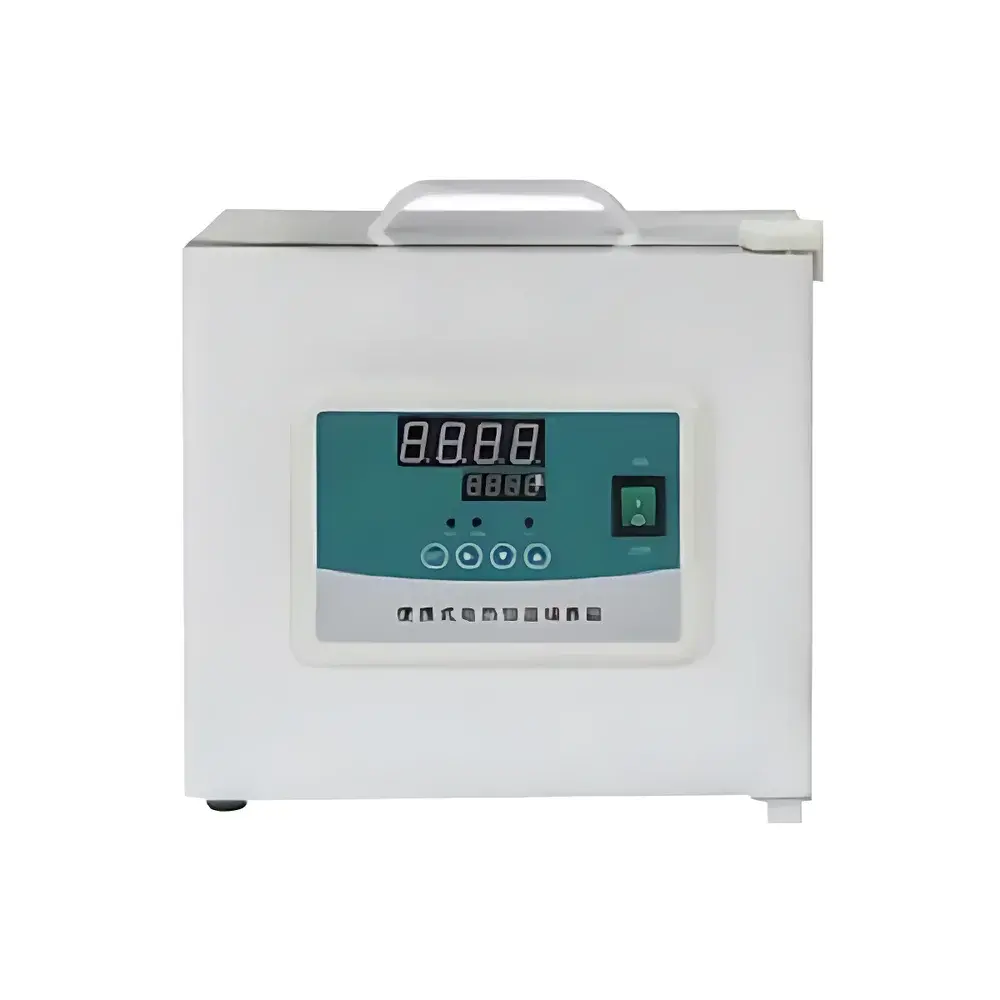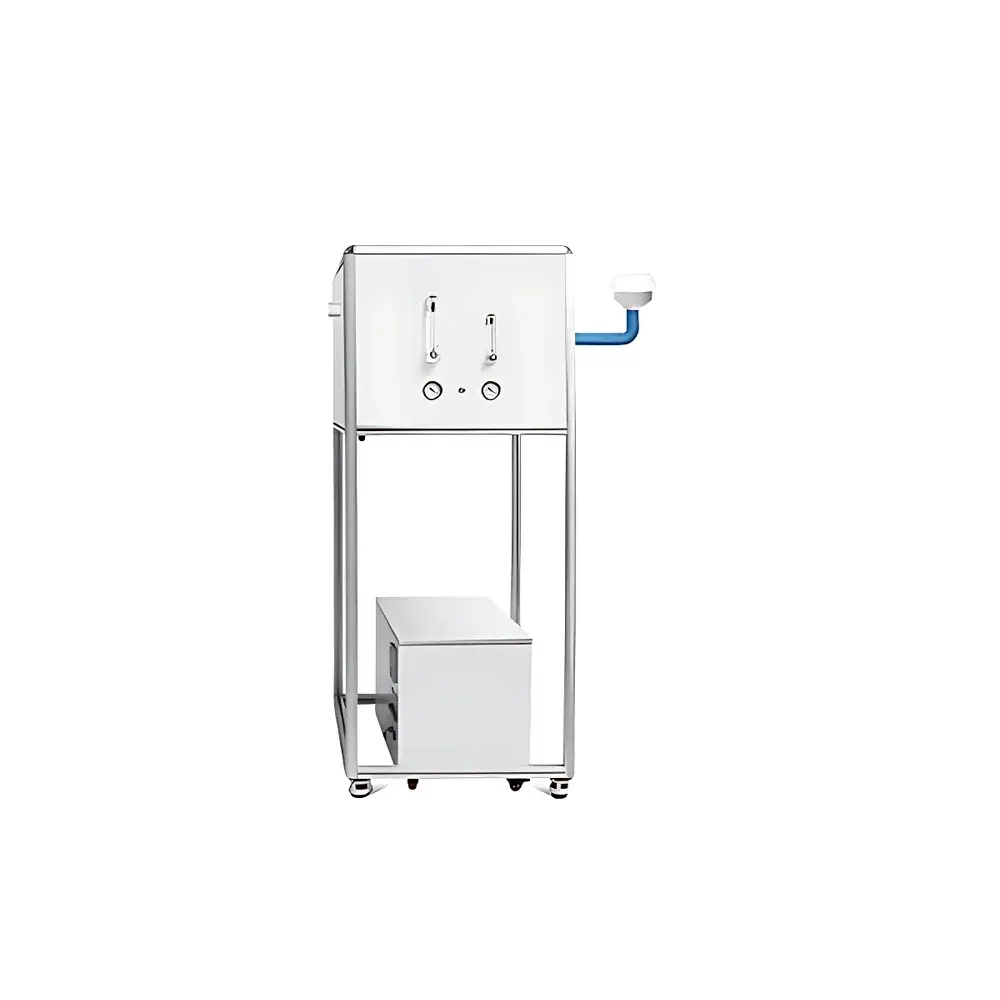
HRH-PM-2 Slit-Impactor-Based Online PM₂.₅ Concentration and Enrichment System
| Brand | HRH |
|---|---|
| Origin | Beijing, China |
| Manufacturer Type | Authorized Distributor |
| Product Origin | Domestic (China) |
| Model | HRH-PM-2 |
| Pricing | Upon Request |
| Concentration Range | 0.1–2.5 µm |
| Concentration Factor | 6–10× |
| Output Flow Rate | 40–60 L/min |
| Compliance | HJ/T 93–2013, HJ/T 194–2005 |
Overview
The HRH-PM-2 Slit-Impactor-Based Online PM2.5 Concentration and Enrichment System is an engineered platform designed for controlled, physiologically relevant inhalation exposure studies in preclinical life science research. It operates on the principle of slit-type inertial impaction—a well-established aerosol physics method that selectively separates and concentrates fine particulate matter (PM2.5) from ambient air without phase change, thermal alteration, or mechanical disruption. Unlike offline filter-based collection followed by resuspension, the HRH-PM-2 performs real-time concentration directly from outdoor or chamber-simulated polluted air, delivering a continuous, representative aerosol stream enriched 6–10× in mass concentration while preserving native particle morphology, surface chemistry, and associated volatile organic compounds (VOCs), endotoxins, transition metals, and polycyclic aromatic hydrocarbons (PAHs). This fidelity enables accurate modeling of human-relevant exposure scenarios—particularly during episodic high-PM2.5 events such as urban smog or wildfire smoke—within whole-body or nose-only animal exposure chambers.
Key Features
- Real-time, continuous PM2.5 concentration (0.1–2.5 µm aerodynamic diameter) from ambient air without filtration, solvent extraction, or ultrasonic dispersion;
- Slit-impactor design ensures minimal particle fragmentation, negligible fiber shedding, and retention of labile surface-bound toxicants;
- Stable output flow rate of 40–60 L/min at full enrichment, compatible with standard rodent and non-rodent whole-body exposure chambers (e.g., 0.5–2 m³ volume);
- Adjustable enrichment factor (6× to 10×) via calibrated flow-splitting and impaction velocity control, traceable to HJ/T 93–2013 calibration protocols;
- Integrated pressure monitoring, temperature/humidity sensors, and flow stabilization modules to maintain ISO 17025-aligned operational consistency;
- Modular interface with quick-connect fittings (ISO-KF 25/40) for seamless integration into GLP-compliant exposure systems, including automated dosing synchronization with respiratory monitors.
Sample Compatibility & Compliance
The HRH-PM-2 is validated for use with ambient urban, industrial, and biomass-burning aerosols. It maintains integrity across variable humidity (20–80% RH) and temperature (5–35°C) ranges typical of environmental simulation laboratories. Its performance aligns with Chinese national standards HJ/T 93–2013 (technical requirements for PM10/PM2.5 samplers) and HJ/T 194–2005 (manual ambient air monitoring specifications), ensuring metrological traceability for regulatory-grade study design. While not certified to ISO 14644 or USP , the system supports studies conducted under Good Laboratory Practice (GLP) frameworks when operated within validated exposure facility SOPs—including audit-ready log generation for flow, pressure differential, and runtime duration.
Software & Data Management
The system includes embedded microcontroller-based firmware (v2.1+) with RS-485 Modbus RTU and optional Ethernet/IP interfaces. Local data logging records second-by-second flow rates, impaction pressure drop, inlet/outlet temperatures, and cumulative operational hours. Exported CSV files are structured for direct ingestion into exposure-dose modeling tools (e.g., MPPD v3.04, ICRP 66 deposition algorithms). When integrated with third-party exposure chamber controllers (e.g., Buxco, Promethion, or custom LabVIEW-based systems), the HRH-PM-2 supports synchronized timestamping and event-triggered dose modulation—enabling precise correlation between aerosol delivery metrics and physiological readouts (e.g., Penh, BALF cytokine levels, histopathology scores). Audit trails comply with FDA 21 CFR Part 11 requirements when deployed with validated electronic record systems.
Applications
- Development and characterization of murine and porcine models of PM2.5-induced airway hyperresponsiveness, allergic asthma, and chronic obstructive pulmonary disease (COPD);
- Mechanistic investigation of alveolar macrophage activation, epithelial-mesenchymal transition (EMT), and collagen deposition in pulmonary fibrosis;
- Evaluation of acute lung injury (ALI) and acute respiratory distress syndrome (ARDS) pathogenesis following short-term high-dose PM2.5 challenge;
- Pharmacodynamic assessment of inhaled therapeutics (e.g., NAC, corticosteroids, antioxidant nanoparticles) targeting oxidative stress and NLRP3 inflammasome signaling;
- Cross-species extrapolation studies supporting quantitative inhalation risk assessment under WHO and EFSA guidance frameworks.
FAQ
Does the HRH-PM-2 alter the chemical composition of collected PM2.5?
No. The slit-impactor mechanism avoids solvents, heat, and ultrasonic energy—preserving redox-active species, semi-volatile organics, and microbial components.
Can it be used with ozone or NOx-coexposed aerosols?
Yes. The stainless-steel wetted path and inert flow path support concurrent gaseous co-exposures when integrated upstream of gas mixing manifolds.
Is routine calibration required?
Yes. Biannual verification of flow split ratio and impaction cutoff diameter using PSL aerosols (NIST-traceable, 0.3/1.0/2.5 µm) is recommended per HJ/T 93–2013 Annex D.
What maintenance intervals apply?
Impactor plates require ethanol wipe cleaning every 40 hours of operation; silicone O-rings and inlet filters should be replaced quarterly or after 500 L/min·hr cumulative flow.
Is remote monitoring supported?
Standard firmware supports local HMI display; optional OEM SDK enables integration with SCADA or building management systems via TCP/IP or MQTT protocols.