
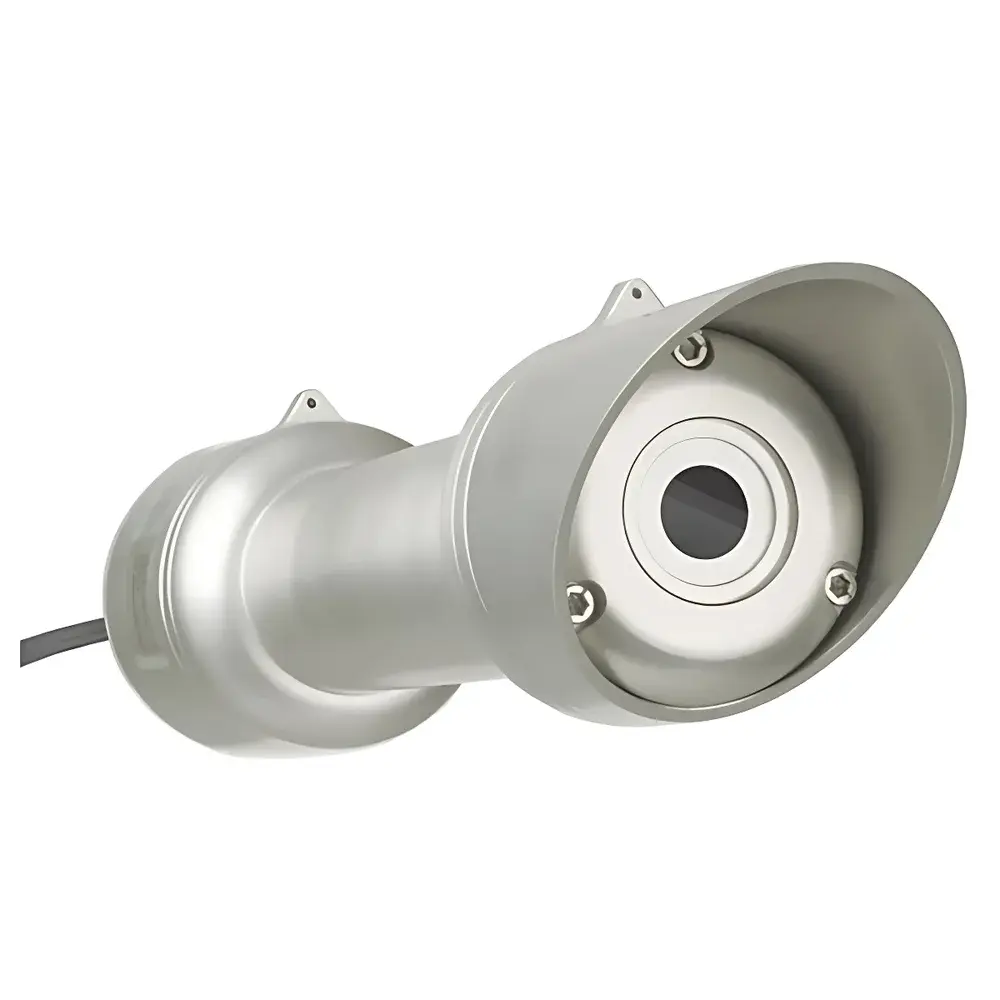
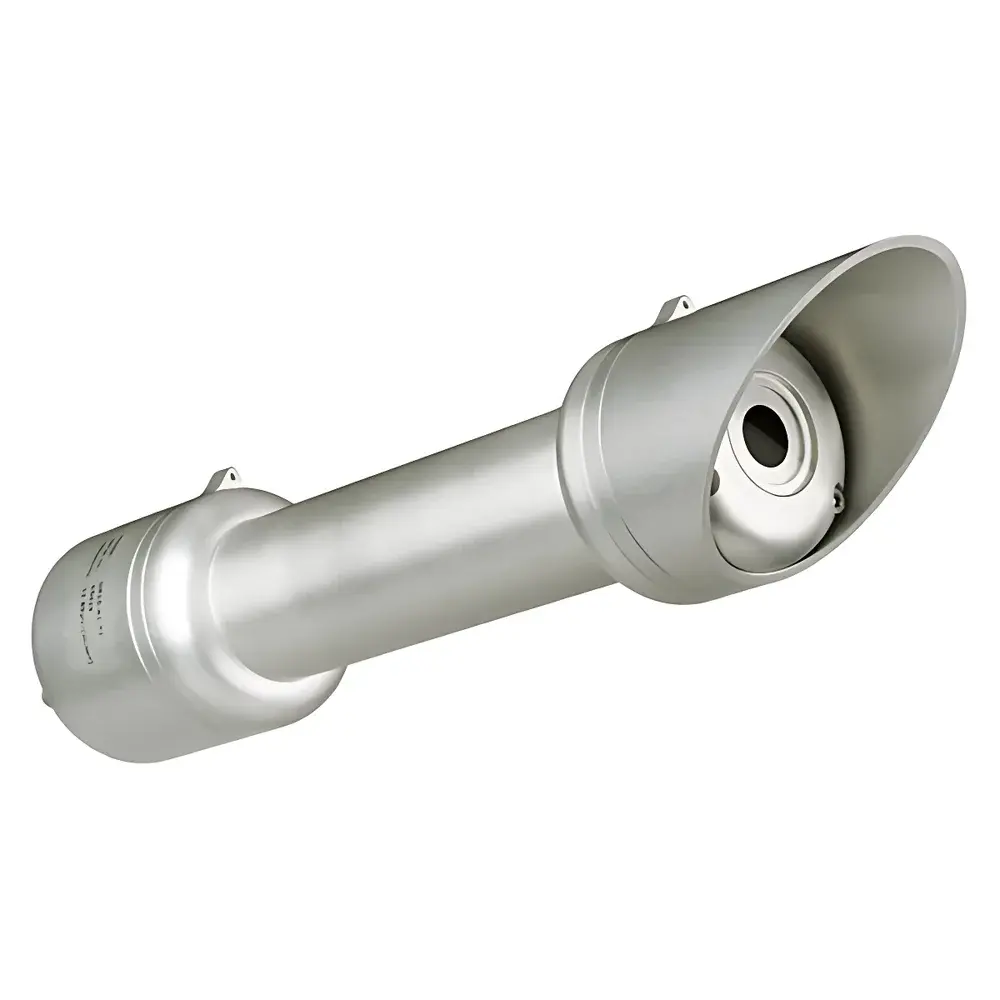
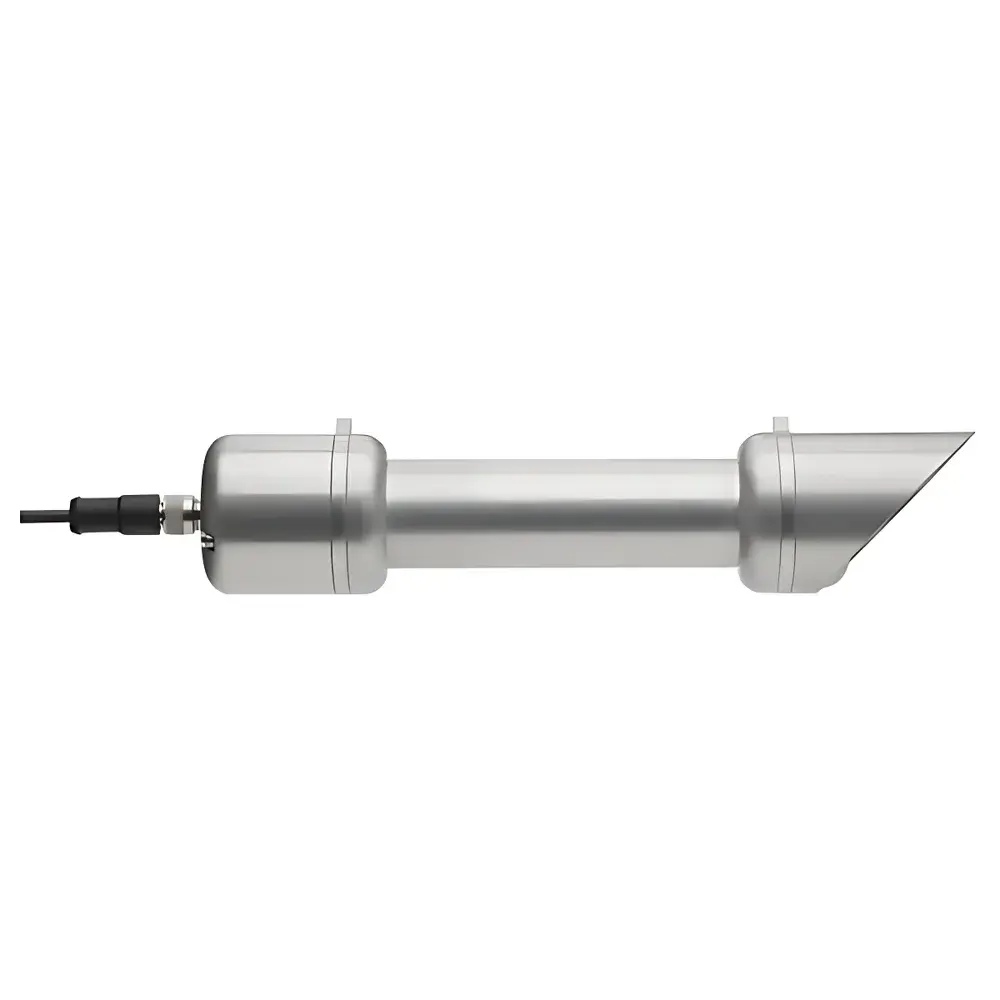
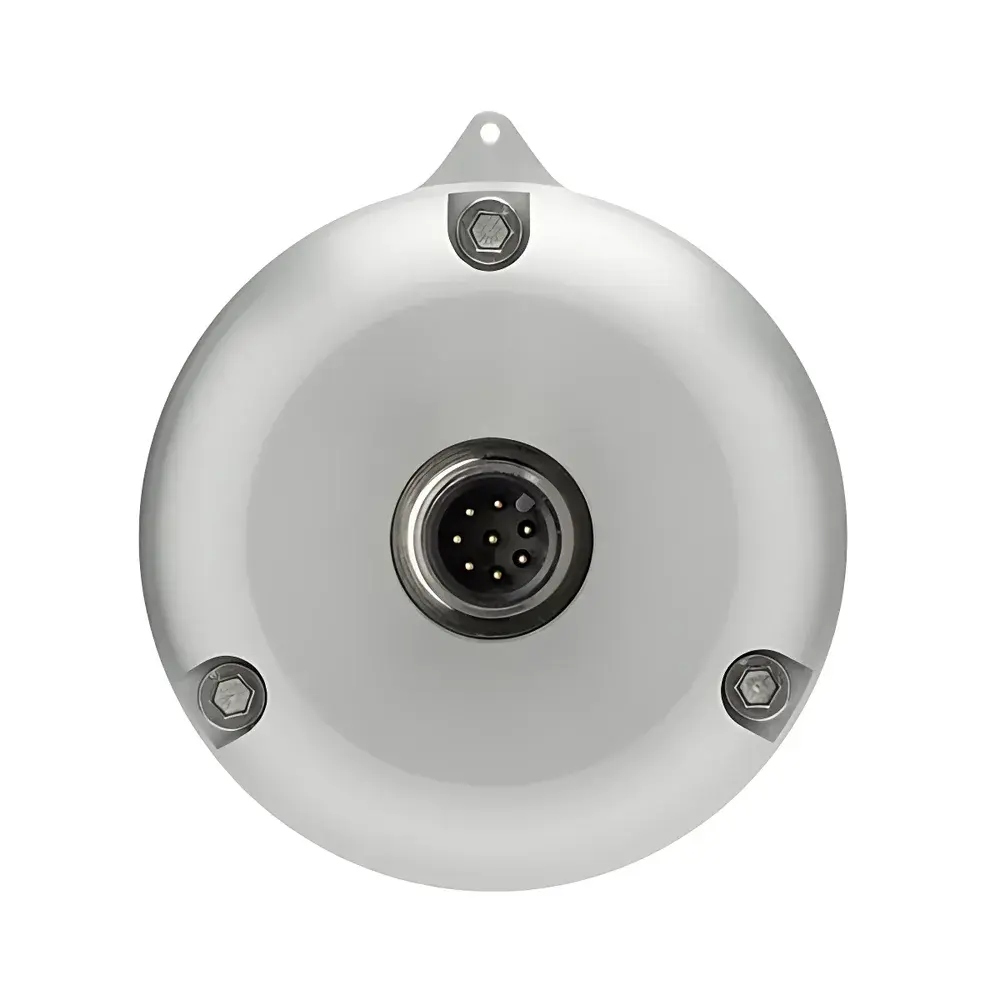

Hukseflux DR20-A1 Direct Normal Irradiance (DNI) Pyrheliometer
| Brand | Hukseflux |
|---|---|
| Origin | Netherlands |
| Model | DR20-A1 |
| Calibration Uncertainty | < 1.2 % (k = 2) |
| Heating Power | 1 W @ 12 VDC |
| Response Time (95 %) | 4 s |
| Field of View (Full Angle) | 5° |
| Slope Error | ≤ 1° |
| Zero Offset | < ±1 W/m² |
| Spectral Range | 200–4000 nm |
| Operating Temperature | −40 to +80 °C |
| Temperature Response | < ±0.5 % (−10 to +40 °C) |
| Output | Analog mV signal |
| Measurement Range | 0–4000 W/m² |
| Traceability | World Radiometric Reference (WRR) |
| Cable Length | 5 m |
| Heating Function | Integrated quartz window heater |
| ISO 9060 Classification | Class A (formerly “First Class”) |
| Compliance | ISO 9060:2018, IEC 61724-1, ASTM E816, WMO Guide to Meteorological Instruments and Methods of Observation |
Overview
The Hukseflux DR20-A1 is a high-precision, thermopile-based direct normal irradiance (DNI) pyrheliometer engineered for continuous, traceable measurement of solar radiation incident at near-normal incidence—i.e., aligned precisely with the solar vector. It operates on the principle of differential thermoelectric sensing: incident solar radiation is absorbed by a black-coated thermal detector mounted at the base of a precision-machined collimator tube, generating a proportional millivolt output via a calibrated thermopile. Its optical design incorporates a finely ground and polished fused silica window with integrated low-power resistive heating, enabling reliable operation under condensing or frost-prone conditions without compromising radiometric integrity. Certified to ISO 9060:2018 Class A—the highest classification for spectral flatness, directional response, and long-term stability—the DR20-A1 supersedes earlier Hukseflux models (DR01, DR02, DR03) and improves upon the DR15 with enhanced temperature response linearity and reduced zero-offset drift. Each unit is individually tested and supplied with a factory calibration certificate referencing the World Radiometric Reference (WRR), ensuring metrological traceability required for solar resource assessment, climate monitoring, and PV performance validation.
Key Features
- ISO 9060:2018 Class A certification—meets stringent requirements for spectral selectivity (flatness), cosine response, and thermal stability
- Integrated low-power quartz window heater (1 W @ 12 VDC) suppresses dew and frost formation while minimizing thermal offset—4× higher heating efficiency and 4× lower induced offset versus prior-generation designs
- Optimized collimator geometry with 5° full field-of-view and ≤1° slope error ensures precise solar alignment and minimal circumsolar contribution
- Blackened thermopile sensor with high-absorptance coating (200–4000 nm) and low thermal mass delivers 4 s response time (95 %)
- Analog mV output compatible with standard data loggers and SCADA systems; no external signal conditioning required
- Robust mechanical construction rated for continuous outdoor operation across −40 °C to +80 °C ambient conditions
- Individual instrument calibration report includes measured sensitivity, temperature response curve, and time constant—traceable to WRR
Sample Compatibility & Compliance
The DR20-A1 is designed exclusively for use with two-axis solar trackers meeting IEC 61724-1 and WMO requirements for pointing accuracy (95 % of extraterrestrial solar irradiance, making it suitable for broadband solar energy applications including CSP plant commissioning, bankable resource assessments, and BSRN (Baseline Surface Radiation Network) compliance. The instrument conforms to ISO 9060:2018 Class A specifications for directional (azimuth/elevation) and thermal response, and its calibration uncertainty (<1.2 %, k=2) satisfies IEC 61724-1 Tier 1 data quality criteria. All units are shipped with WRR-traceable calibration certificates compliant with ISO/IEC 17025 requirements for testing laboratories.
Software & Data Management
The DR20-A1 outputs a linear mV signal proportional to DNI (0–4000 W/m²), requiring no proprietary interface hardware. When integrated into a calibrated data acquisition system, raw mV readings are converted using the instrument-specific sensitivity factor (µV per W/m²) provided in the calibration certificate. For long-term monitoring, best practices include applying temperature-response correction coefficients (supplied per unit) during post-processing to maintain accuracy across −30 °C to +50 °C ambient ranges. While the sensor itself does not embed firmware or digital communication protocols, its analog output supports integration with industry-standard platforms—including Campbell Scientific CR-series loggers, Siemens Desigo, and custom Python/Matlab-based QA/QC pipelines—that implement automated flagging per ASTM E816 and BSRN QC procedures (e.g., clear-sky model deviation, night-time offset verification). Audit trails and calibration metadata can be maintained in accordance with GLP principles when paired with timestamped, version-controlled data logging environments.
Applications
- Solar resource assessment for utility-scale photovoltaic (PV) and concentrated solar power (CSP) project financing and yield modeling
- Operational performance monitoring of CSP plants and solar tower heliostat fields
- Long-term climate observation networks (e.g., BSRN, GAW) requiring Class A radiometric standards
- Calibration transfer and reference duties in secondary standard laboratories
- Atmospheric science research involving aerosol optical depth (AOD) retrieval and water vapor column estimation
- Validation of satellite-derived DNI products (e.g., CAMS, NSRDB) under clear-sky conditions
FAQ
What mounting configuration is required for the DR20-A1?
It must be mounted on a high-accuracy two-axis solar tracker with pointing repeatability better than ±0.1° and equipped with active sun-finding algorithms.
Does the DR20-A1 require periodic recalibration?
Yes—Hukseflux recommends recalibration every two years under continuous outdoor exposure, or annually for critical applications such as bankable resource reports.
Can the heater be operated continuously?
Yes; the 1 W heater is designed for 24/7 operation and consumes negligible power relative to typical station budgets.
Is the DR20-A1 compatible with Modbus or SDI-12 interfaces?
No—it provides only analog mV output; digital communication requires an external analog-to-digital converter or compatible data logger.
How is zero-offset characterized and corrected?
Each unit undergoes laboratory zero-check under thermal equilibrium and dark conditions; residual offset (<±1 W/m²) is documented in the calibration report and may be subtracted during data processing.







