
HydrionX Multi-Parameter Ion Analyzer
| Origin | Netherlands |
|---|---|
| Manufacturer Type | Authorized Distributor |
| Origin Category | Imported |
| Model | HydrionX |
| Instrument Type | Portable/Handheld Water Quality Analyzer |
| Measured Parameters | Temperature, Conductivity, pH, K⁺, Na⁺, Ca²⁺, NH₄⁺, Cl⁻, NO₃⁻, CO₂, HCO₃⁻ |
Overview
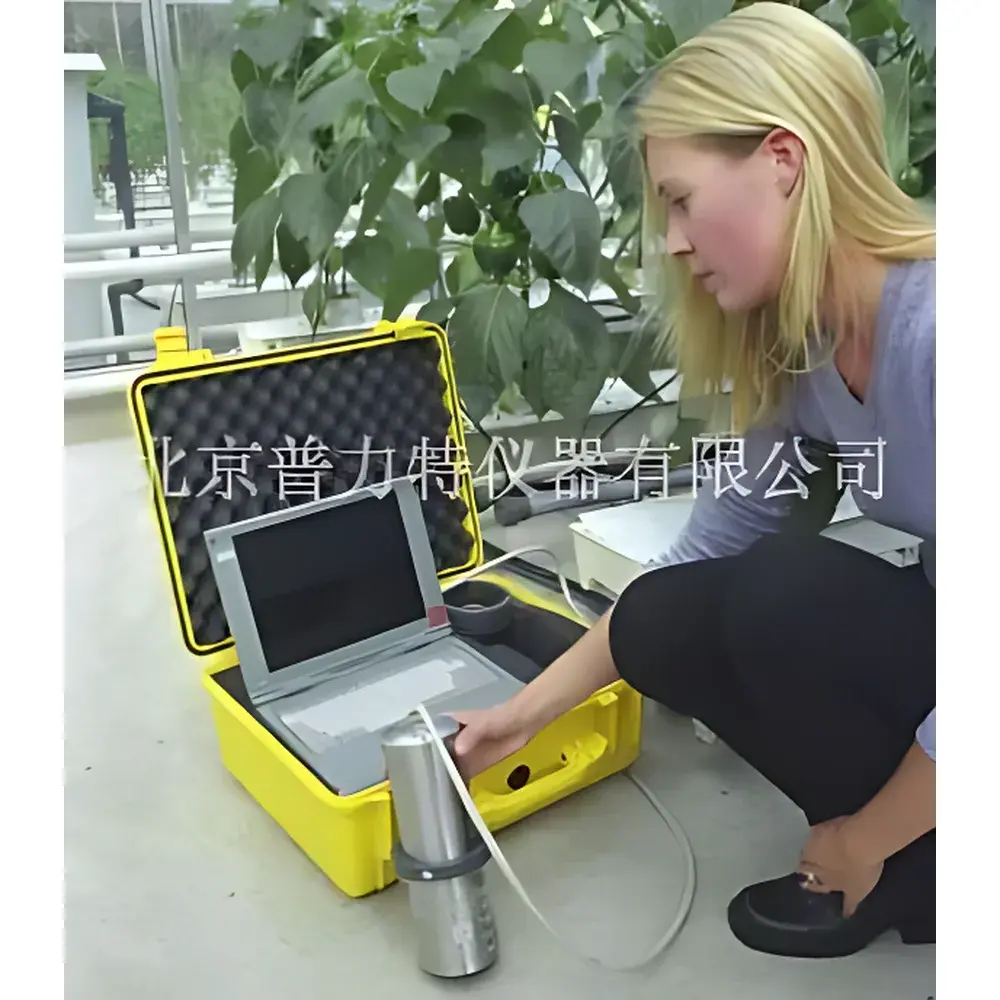
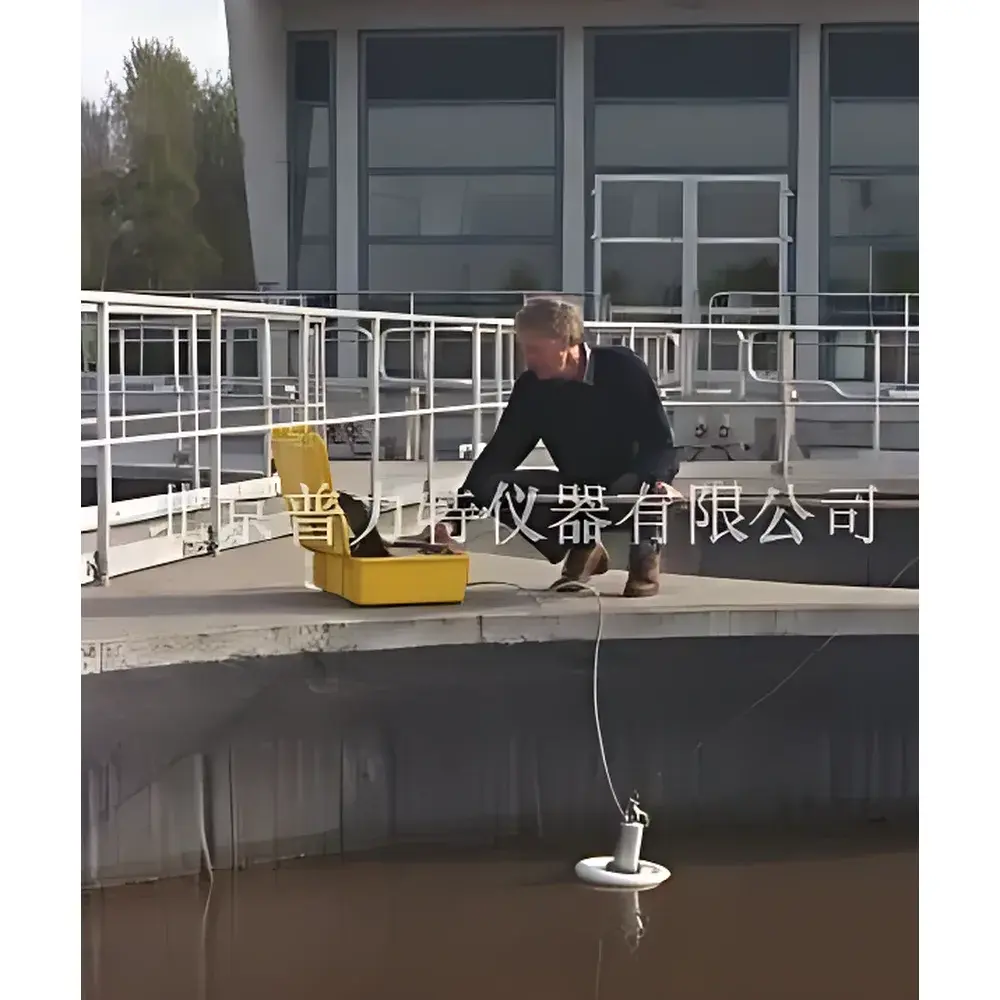
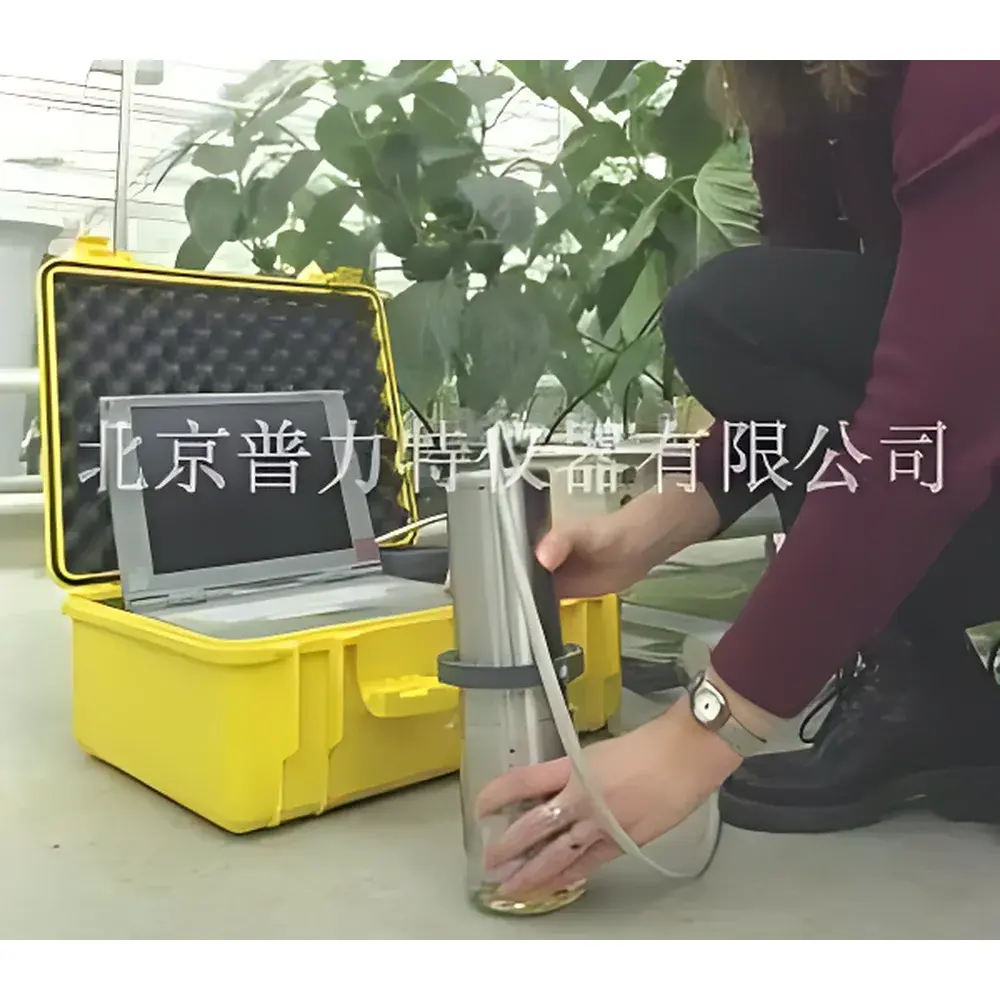
The HydrionX Multi-Parameter Ion Analyzer is a field-deployable, benchtop-compatible electrochemical measurement system engineered for simultaneous, real-time quantification of 11 critical water quality parameters using ion-selective electrode (ISE) and complementary sensor technologies. Unlike conventional wet-chemistry or spectrophotometric analyzers, the HydrionX operates without reagents, consumables, or sample pre-treatment—enabling direct immersion measurement in standard 500 mL beakers or natural water bodies. Its core architecture integrates a robust stainless-steel sensor housing (28 cm height × 8.2 cm diameter), precision Pt100 temperature sensing, glass pH electrode, solid-contact ISEs for monovalent and divalent cations/anions, and a dedicated gas-permeable membrane electrode for dissolved CO₂ and bicarbonate (HCO₃⁻) determination. The system adheres to fundamental principles of potentiometric analysis per ISO 10523 (pH), ISO 7888 (conductivity), and ASTM D1125 (ionic species), delivering trace-level detection with inherent compensation for ionic strength, temperature drift, and cross-sensitivity interference via embedded algorithmic correction.
Key Features
- Simultaneous measurement of temperature (5–30 °C), conductivity (4–10,000 mS/cm), pH (4–10), and nine ionic species: K⁺ (0.2–3900 ppm), Na⁺ (0.2–2300 ppm), Ca²⁺ (2–1000 ppm), NH₄⁺ (0.08–1800 ppm), Cl⁻ (2.4–3500 ppm), NO₃⁻ (0.6–6200 ppm), CO₂/HCO₃⁻ (2.7–2700 ppm)
- Stainless-steel waterproof sensor housing rated IP67; fully submersible probe assembly compatible with standard laboratory glassware and field sampling containers
- Reagent-free operation: eliminates calibration buffers beyond initial standardization, reduces operational cost, and avoids chemical waste generation
- Integrated digital signal conditioning with automatic temperature compensation (ATC) and multi-ion interference correction algorithms
- USB interface for plug-and-play connectivity to Windows-based host computers; no proprietary hardware drivers required
- Portable carrying case constructed from impact-resistant polypropylene (53 × 43 × 22 cm; mass: 5.5 kg), certified for transport under IATA Section II guidelines
- Calibration protocol requires only two-point standardization per parameter prior to routine use; full system verification achievable in <5 minutes
Sample Compatibility & Compliance
The HydrionX is validated for direct analysis of heterogeneous aqueous matrices without filtration or dilution, including groundwater, agricultural runoff, wastewater effluent, aquaculture pond water, soil leachates, and industrial process streams. It complies with key regulatory frameworks governing environmental monitoring data integrity: measurements support GLP-compliant recordkeeping when used with audit-trail-enabled software configurations, and raw output meets minimum reporting requirements under EU Directive 2000/60/EC (Water Framework Directive) Annex V and US EPA Method 300.1 (for anions) and Method 150.1 (for pH/conductivity). Sensor stability and reproducibility are verified per ISO/IEC 17025:2017 clause 7.7 for in-house calibration control.
Software & Data Management
The included Windows-native application provides intuitive menu-driven operation, real-time parameter visualization, and automated data logging at user-defined intervals (1 s to 60 min). All measurements are timestamped, geotagged (when connected to external GPS), and stored in a structured SQLite database with export capability to CSV, Excel (.xlsx), and SQL-compatible formats. The software supports FDA 21 CFR Part 11-compliant configurations—including electronic signatures, role-based access control, and immutable audit trails—when deployed on validated IT infrastructure. Raw sensor voltages and processed concentrations are retained separately to facilitate retrospective recalibration or method validation studies.
Applications
- Agricultural nutrient management: real-time K⁺, NO₃⁻, and NH₄⁺ profiling in irrigation water and soil extracts to optimize fertilizer application rates
- Environmental compliance monitoring: rapid screening of Cl⁻, NO₃⁻, and conductivity in surface waters for salinity and eutrophication assessment
- Aquaculture health management: continuous tracking of CO₂/HCO₃⁻ buffering capacity and Ca²⁺ levels critical for shell formation and osmoregulation
- Wastewater treatment process control: on-site verification of ion balance across primary, secondary, and tertiary treatment stages
- Field-based ecological research: high-temporal-resolution profiling of ion fluxes in riparian zones and karst aquifer systems
- Emergency response: immediate characterization of contaminated water sources following industrial spills or natural disasters
FAQ
What calibration standards are required for routine operation?
Primary calibration uses NIST-traceable single-ion standards (e.g., 100 ppm KCl for Cl⁻, 1000 ppm CaCO₃ for Ca²⁺) and certified pH buffer tablets (pH 4.01, 7.00, 10.01). Conductivity calibration employs KCl solutions per ISO 7888.
Can the HydrionX be used in turbid or suspended-solid-laden samples?
Yes—the stainless-steel probe design resists fouling, and ISEs are insensitive to optical interference; however, particulate matter >50 µm may require gentle stirring during measurement to ensure representative contact.
Is firmware upgrade supported in the field?
Yes—firmware updates are delivered via signed .hex files through the Windows software; all updates preserve existing calibration coefficients and historical datasets.
How is measurement uncertainty quantified for each parameter?
Total expanded uncertainty (k=2) is calculated per GUM (JCGM 100:2008) incorporating sensor repeatability, calibration standard uncertainty, temperature coefficient error, and algorithmic correction residuals—documented in the instrument’s Certificate of Conformance.
Does the system meet requirements for regulatory submission?
When operated within defined environmental conditions (15–25 °C ambient, <80% RH), with documented calibration records and software audit logs, HydrionX-generated data satisfy evidentiary thresholds for inclusion in NPDES permits, WFD reporting, and ISO 14001 environmental management systems.
Related Products







