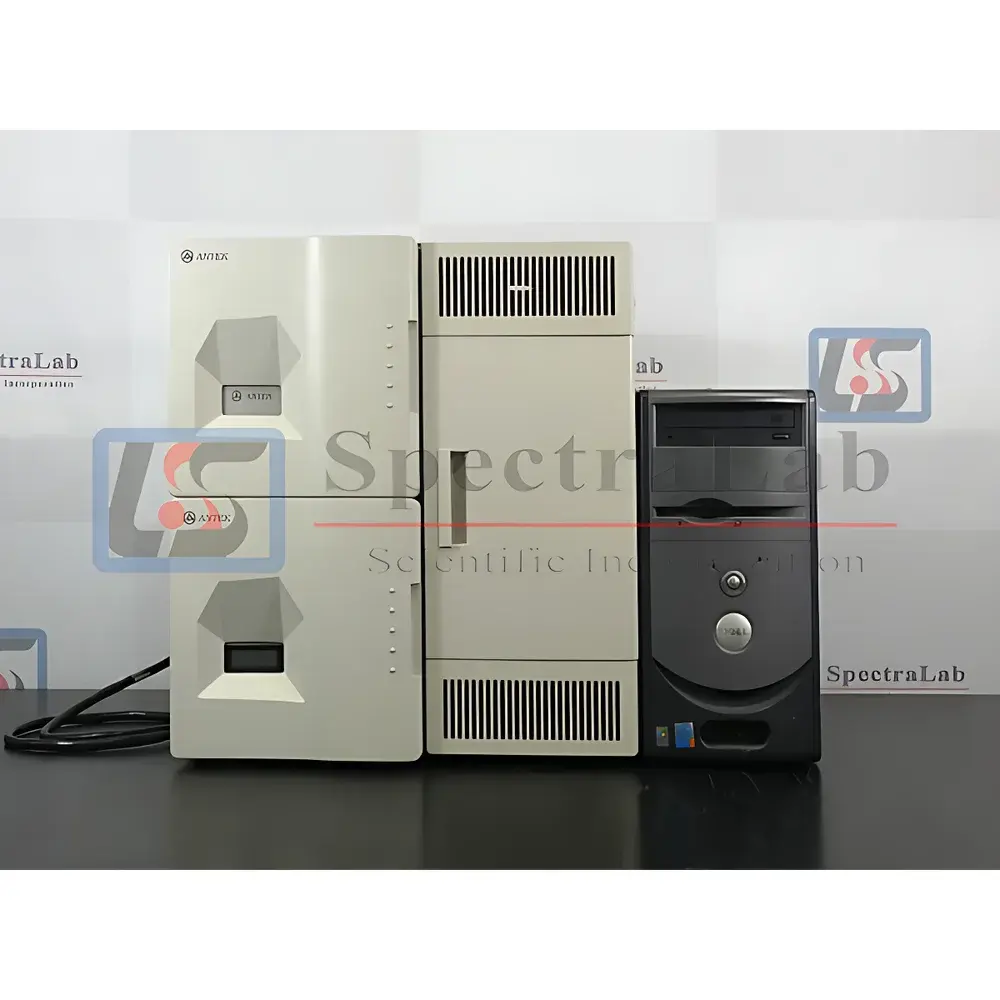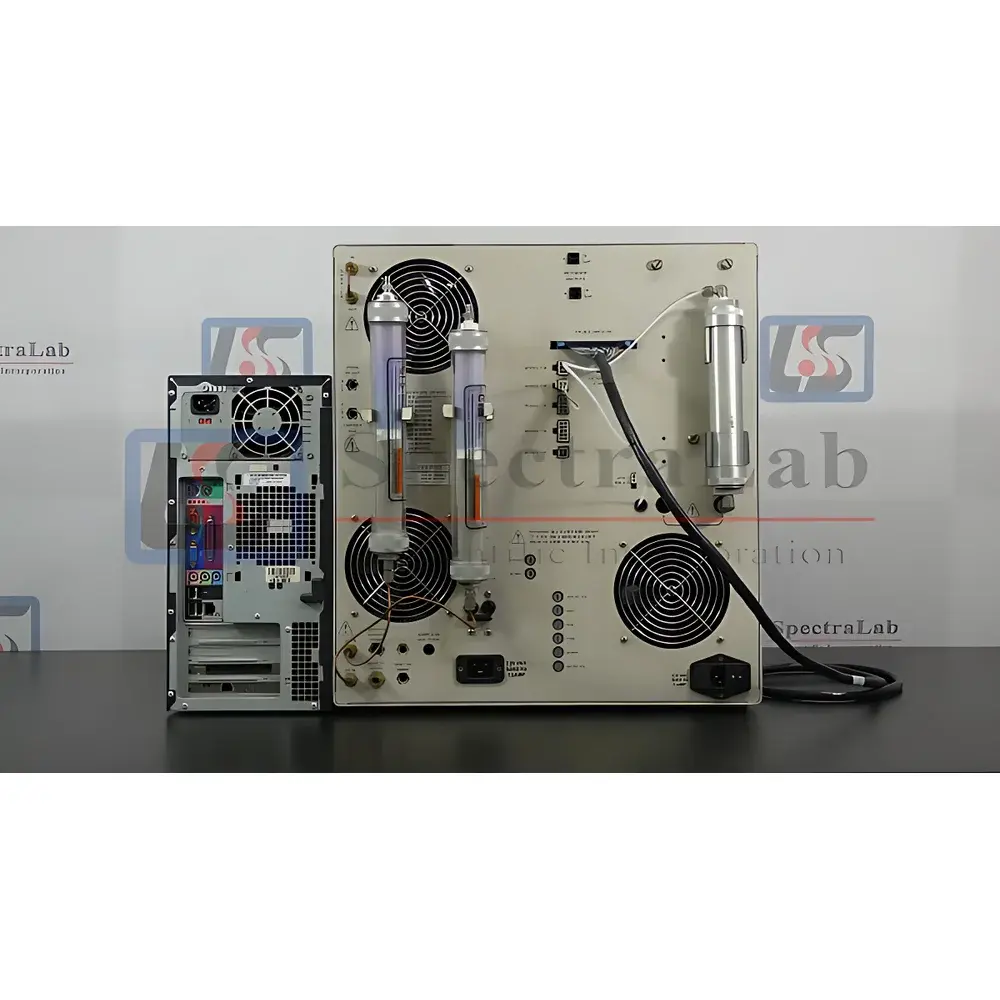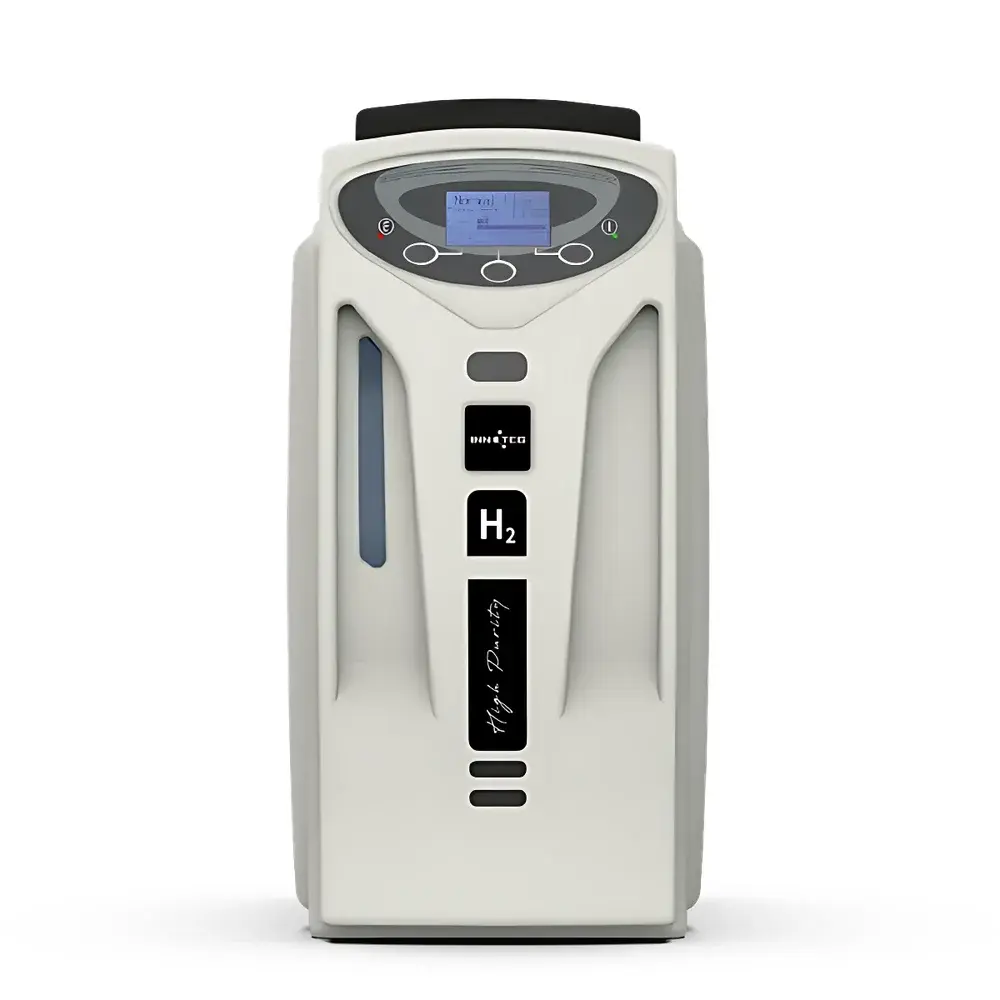
INNOTEG HP-HG250 High-Purity Hydrogen Generator (Refurbished)
| Brand | INNOTEG |
|---|---|
| Model | HP-HG250 |
| Origin | Guangdong, China |
| Output Flow Rate | 250 mL/min |
| Hydrogen Purity | ≥99.9996% |
| Technology | Proton Exchange Membrane (PEM) Electrolysis |
| Water Feed | Deionized Water (Resistivity ≥1 MΩ·cm) |
| Maintenance | Maintenance-Free Drying System |
| Safety Features | Internal/External H₂ Leak Detection, Overpressure Protection, Overtemperature Protection, Real-Time Water Level Monitoring, Conductivity-Based Water Quality Monitoring |
| Compliance Context | Designed for GLP-compliant GC labs |
Overview
The INNOTEG HP-HG250 High-Purity Hydrogen Generator (Refurbished) is an engineered solution for laboratories requiring continuous, on-demand hydrogen supply for gas chromatography detectors—including Flame Ionization Detectors (FID), Flame Photometric Detectors (FPD), and Nitrogen-Phosphorus Detectors (NPD). Built upon proton exchange membrane (PEM) electrolysis technology, the system splits deionized water into high-purity hydrogen (≥99.9996%) and oxygen, eliminating reliance on high-pressure cylinders and associated logistical, safety, and regulatory burdens. Unlike alkaline electrolyzers, PEM architecture enables rapid start-up, stable output under variable load conditions, and intrinsic resistance to contamination from feedwater impurities—provided inlet water resistivity remains ≥1 MΩ·cm. The HP-HG250 delivers a nominal flow of 250 mL/min at regulated pressure (typically 0–4 bar adjustable), sufficient to support three to four GC systems simultaneously in typical analytical workflows.
Key Features
- Titanium-coated electrolytic cell housing ensures long-term corrosion resistance and extends operational lifetime to 8–10 years under standard laboratory conditions.
- Maintenance-free desiccant-free drying system eliminates consumable replacement cycles, reducing total cost of ownership and minimizing user intervention.
- Integrated real-time monitoring interface displays critical operational parameters: elapsed runtime, system pressure, actual flow rate, water level, water conductivity (µS/cm), and qualitative water quality status.
- Dual-stage hydrogen leak detection—comprising both internal cavity and external ambient sensors—triggers audible/visual alarms and automatically halts hydrogen production upon threshold exceedance.
- Modular water-level sensing system provides continuous feedback with low-water-level alarm and automatic shutdown to prevent dry-electrolysis events.
- Multi-layered safety architecture includes overpressure relief valves, thermal cutoffs, and firmware-enforced current limits to comply with IEC 61010-1 safety standards for laboratory equipment.
Sample Compatibility & Compliance
The HP-HG250 is designed exclusively for use with deionized water meeting ASTM D1193 Type II or higher specifications. It does not accept tap water, distilled water without post-treatment, or water containing organic contaminants or metal ions above ppb-level thresholds. Its output purity (>99.9996% H₂) satisfies the stringent carrier and fuel gas requirements defined in ASTM D3612 (for transformer oil analysis), USP (chromatographic system suitability), and ISO/IEC 17025-accredited method validation protocols. As a refurbished unit, each HP-HG250 undergoes full functional recalibration, leak integrity verification, and pressure decay testing prior to shipment. Documentation includes refurbishment certificate, calibration summary, and compliance statement aligned with GLP audit expectations.
Software & Data Management
While the HP-HG250 operates as a standalone hardware system without proprietary software, its front-panel LCD interface logs timestamped event data—including startup/shutdown sequences, alarm triggers, and sensor anomalies—for manual review. All operational parameters are retained in non-volatile memory for ≥30 days. For integration into networked lab environments, optional analog 0–10 V or 4–20 mA outputs (available via factory-configurable module) enable connection to building management systems or LIMS platforms supporting analog signal ingestion. Audit trails meet minimum criteria for FDA 21 CFR Part 11 alignment when paired with validated electronic logbook procedures.
Applications
- Fuel gas supply for GC-FID in environmental analysis (e.g., EPA Method 8260, 8270), petrochemical QA/QC, and pharmaceutical residual solvent testing.
- Carrier gas alternative for capillary GC columns where helium scarcity or cost drives hydrogen substitution—subject to method revalidation per ICH Q2(R2).
- Detector gas for GC-FPD in sulfur/phosphorus compound quantification (e.g., pesticide residue screening).
- Support gas for GC-NPD in nitrogen- and phosphorus-containing analyte detection (e.g., alkaloid profiling, nucleotide analysis).
- On-site hydrogen source for portable GC systems used in field-deployable environmental monitoring or forensic mobile labs.
FAQ
Is this unit certified to any international safety standards?
Yes—the HP-HG250 conforms to IEC 61010-1:2010 for electrical safety in laboratory equipment. Refurbished units carry updated CE marking documentation reflecting current harmonized standards.
What water quality is required for optimal performance?
Deionized water with resistivity ≥1 MΩ·cm (≤1 µS/cm conductivity) and total organic carbon (TOC) <50 ppb is mandatory. Use of inadequate water will accelerate membrane degradation and compromise purity output.
Can the HP-HG250 be integrated into an existing GC network with centralized gas monitoring?
Yes—via optional analog output modules (0–10 V or 4–20 mA) for pressure, flow, or alarm status signals. Digital integration requires third-party protocol translation (e.g., Modbus RTU via external gateway).
Does the refurbishment process include replacement of the PEM stack?
No—original PEM stacks are retained only if post-testing confirms >95% nominal efficiency and no detectable gas crossover. Units requiring stack replacement receive new OEM assemblies and extended warranty coverage.
How is hydrogen purity verified during refurbishment?
Each unit undergoes gas chromatographic purity verification using a calibrated Agilent 7890B GC equipped with a 10 m Molsieve 5A column and TCD detector, per ASTM D7165 methodology. Full chromatograms and purity reports accompany shipment.