
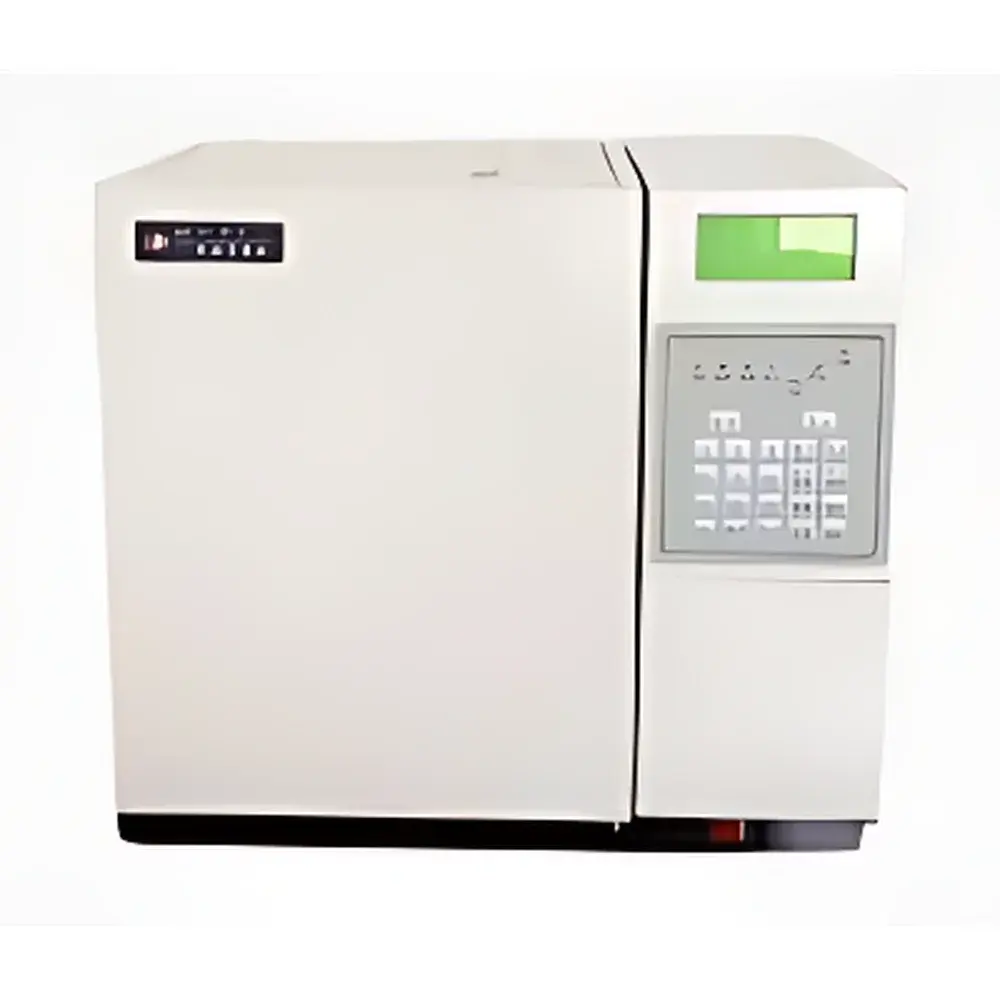
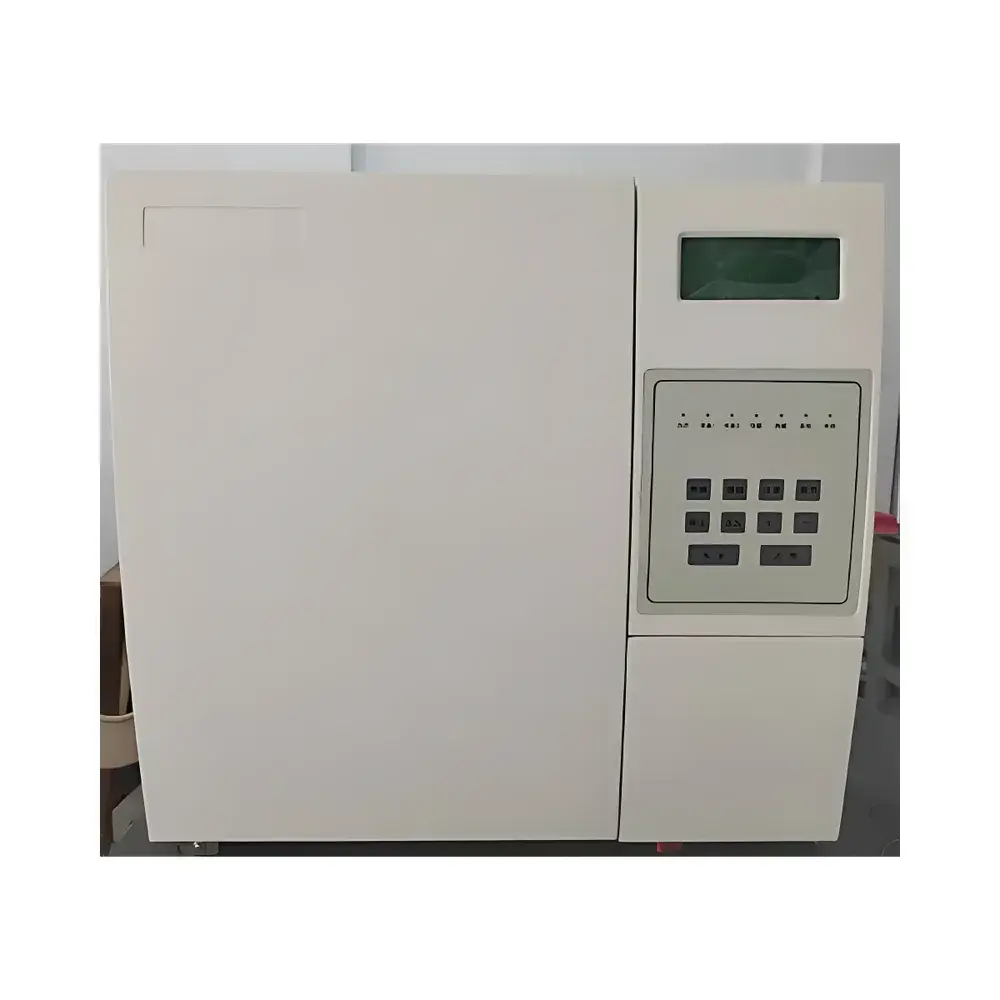
Jinpu GC-2011 Gas Chromatograph for Methanol/Ethanol in Alcoholic Beverages and Ethylene Oxide in Medical Devices
| Brand | Jinpu |
|---|---|
| Model | GC-2011 |
| Detector Options | FID or TCD |
| Temperature Control Range | 8 °C above ambient to 420 °C |
| Temperature Stability | ±0.1 °C (≤200 °C), ±0.2 °C (>200 °C) |
| Ramp Rate | 1–30 °C/min |
| Programmed Temperature | 5-step |
| FID Sensitivity | ≤2×10⁻¹¹ g/s (benzene), Linear Range: 10⁷ |
| TCD Sensitivity | ≥2500 mV·mL/mg (benzene) |
| Noise | ≤0.02 mV |
| Drift | ≤0.1 mV/h |
| Column Configuration | Single-column, dual-gas-path |
| Injector | Packed-column vaporizer + dedicated capillary inlet |
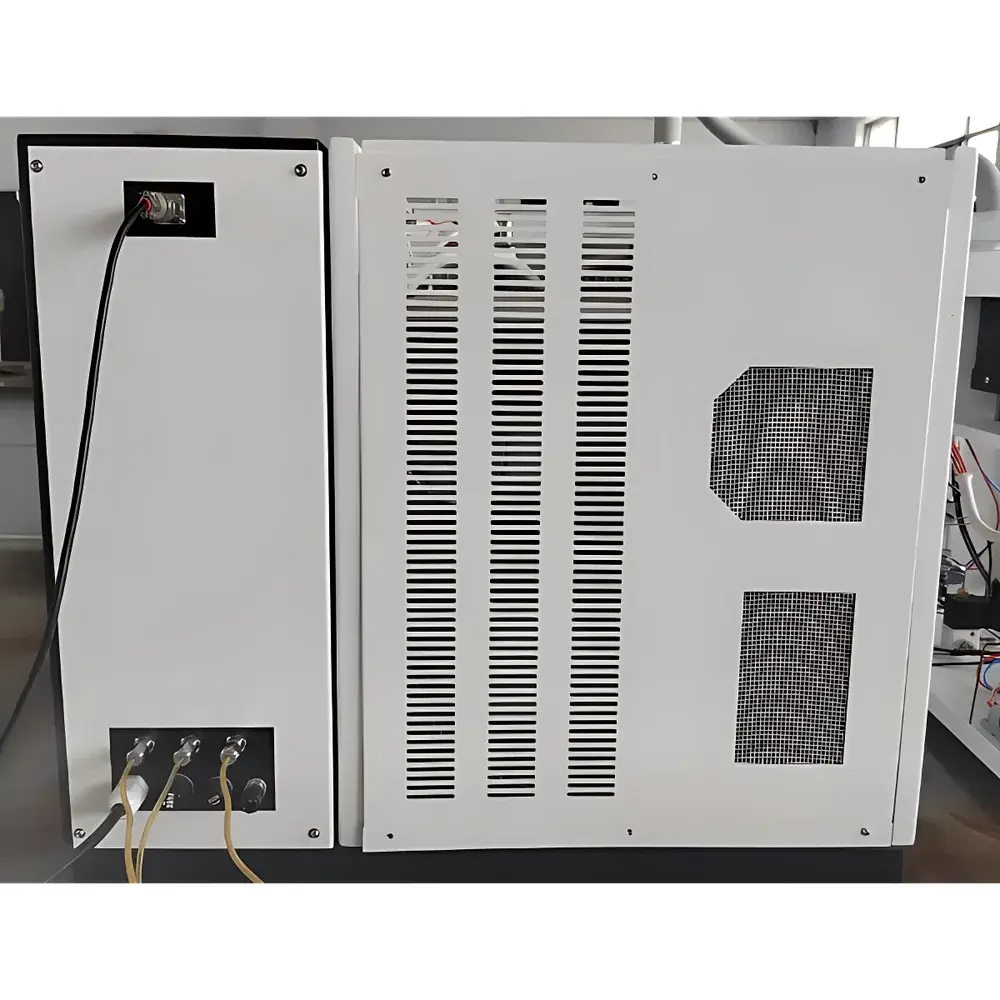
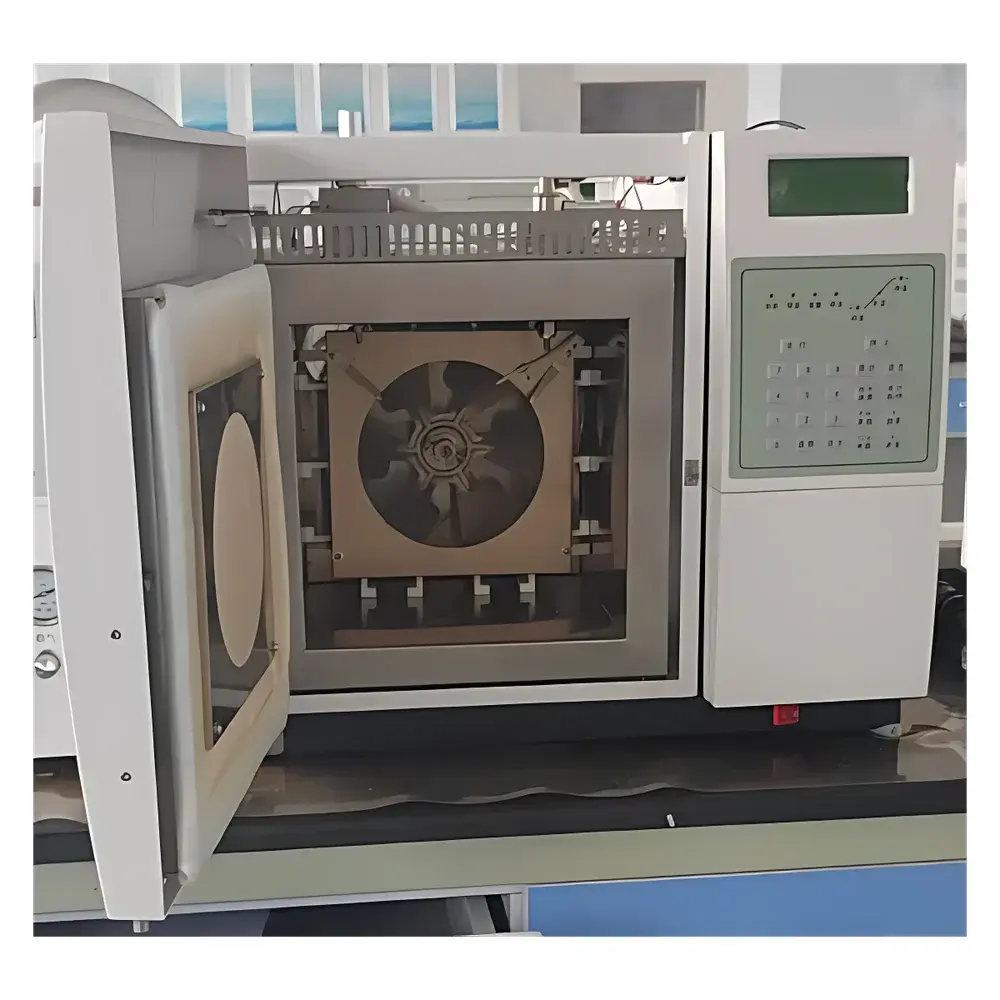
| Oven Cooling | Intelligent variable-frequency rear-door cooling to near-ambient |
| Safety Features | Overtemperature cutoff, gas failure/leak detection, power-fail parameter retention, anti-surge protection |
Overview
The Jinpu GC-2011 is a compact, single-column, dual-gas-path gas chromatograph engineered for targeted quantitative analysis in regulated quality control environments. Designed around classical packed-column and capillary separation principles, it supports routine determination of volatile organic compounds—including methanol and ethanol in fermented beverages, and residual ethylene oxide (EO) in sterilized medical devices—using flame ionization detection (FID) or thermal conductivity detection (TCD). Its architecture adheres to fundamental gas chromatographic theory: analyte separation occurs via differential partitioning between a mobile phase (carrier gas, typically nitrogen or helium) and a stationary phase (packed or capillary column), with detection based on either ion current generation (FID) or thermal conductivity contrast (TCD). The instrument’s five-stage programmable temperature control enables precise elution profiling for complex mixtures, while its robust oven design—featuring intelligent rear-door cooling—ensures reproducible retention times and baseline stability across repeated analyses.
Key Features
- Large backlit LCD display with Chinese-language interface for intuitive parameter entry, real-time status monitoring, and diagnostic alerts.
- Microprocessor-controlled automatic ignition system for FID, eliminating manual pilot flame adjustment and improving operational consistency.
- Digital zero-baseline compensation replaces analog potentiometers, minimizing long-term drift and enhancing signal reproducibility over extended run sequences.
- Dual-inlet configuration: one dedicated packed-column vaporizer and one optimized capillary injection port, supporting both legacy and modern column formats without hardware modification.
- Five-step programmable temperature ramping with adjustable heating/cooling rates (1–30 °C/min), enabling method transfer from research-grade instruments to production QC workflows.
- Variable-frequency rear-door cooling system achieves near-ambient oven temperatures post-run, reducing cycle time and preserving column integrity during high-throughput operation.
- Comprehensive safety architecture: independent overtemperature cutoff per zone, carrier gas failure detection with tungsten filament protection (for TCD), and automatic shutdown upon column or detector temperature excursion.
- Non-volatile memory retains all user-defined methods and calibration parameters after power interruption, ensuring audit-ready continuity in GLP-compliant laboratories.
Sample Compatibility & Compliance
The GC-2011 is routinely deployed for USP Chapter <1209> and ISO 10993-7 compliant EO residue testing in Class I–III medical devices, where detection limits below 1 µg/g are required. For alcoholic beverage analysis, it meets the performance criteria outlined in GB/T 10345–2007 (Chinese National Standard) and aligns with AOAC Official Method 975.37 for methanol quantification. While not pre-certified for FDA 21 CFR Part 11, its digital parameter logging, password-protected method storage, and event-driven alarm history support implementation of electronic record controls required under GMP Annex 11 and ISO/IEC 17025:2017. All thermal zones—including injector, column oven, and detector—are independently monitored and logged, facilitating full traceability for internal audits and regulatory inspections.
Software & Data Management
The GC-2011 operates standalone via front-panel controls but integrates with third-party chromatography data systems (CDS) via RS-232 or optional USB-to-serial interface. Raw analog detector outputs (FID/TCD) are digitized at 10 Hz with 16-bit resolution, ensuring sufficient fidelity for peak integration using standard area/height algorithms. Built-in clock-based timing allows synchronized acquisition with external balance or autosampler triggers. Audit trail functionality records operator ID (via keypad entry), method activation timestamp, temperature setpoint changes, and fault events—including gas pressure drop, oven overtemperature, and detector voltage anomalies—with immutable timestamps. Data export is supported in CSV and ASCII formats compatible with LIMS platforms and statistical process control (SPC) software.
Applications
- Quantitative determination of methanol (0.01–1.0% v/v) and ethanol (1–95% v/v) in distilled spirits, wines, and fermented beverages per national food safety standards.
- Residual ethylene oxide analysis in polymeric packaging, surgical gowns, catheters, and implantable device components at levels down to 2 µg/g, validated per ISO 10993-7 protocols.
- Quality control of industrial solvents, including acetone, isopropanol, and ethanol used in pharmaceutical manufacturing.
- Verification of cleaning validation swab extracts for volatile organic residues in shared equipment lines.
- Educational use in university analytical chemistry labs for teaching retention index calculation, detector response linearity, and method development fundamentals.
FAQ
Does the GC-2011 support compliance with FDA 21 CFR Part 11?
It does not include built-in electronic signature or role-based access control, but its parameter retention, timestamped event logging, and deterministic output enable validation as part of a broader Part 11–compliant system when integrated with validated CDS software.
Can I use both packed and capillary columns interchangeably on this instrument?
Yes—the dual-inlet design includes a dedicated packed-column vaporizer and a split/splitless-capable capillary inlet, allowing rapid switching without hardware reconfiguration.
What carrier gases are compatible with the FID and TCD detectors?
FID requires hydrogen (fuel) and air (oxidant) plus nitrogen or helium as carrier; TCD operates optimally with helium or hydrogen carrier gas, though nitrogen may be used with reduced sensitivity.
Is method validation documentation available from the manufacturer?
Jinpu provides basic instrument qualification reports (IQ/OQ); full method validation kits—including system suitability test mixtures and SOP templates—are available through authorized distributors upon request.
How is column bleed managed during high-temperature runs?
The oven’s precise temperature stability (±0.1 °C ≤200 °C) and inert interior coating minimize thermal degradation of stationary phases; users are advised to observe manufacturer-recommended maximum operating temperatures for each column type.




