
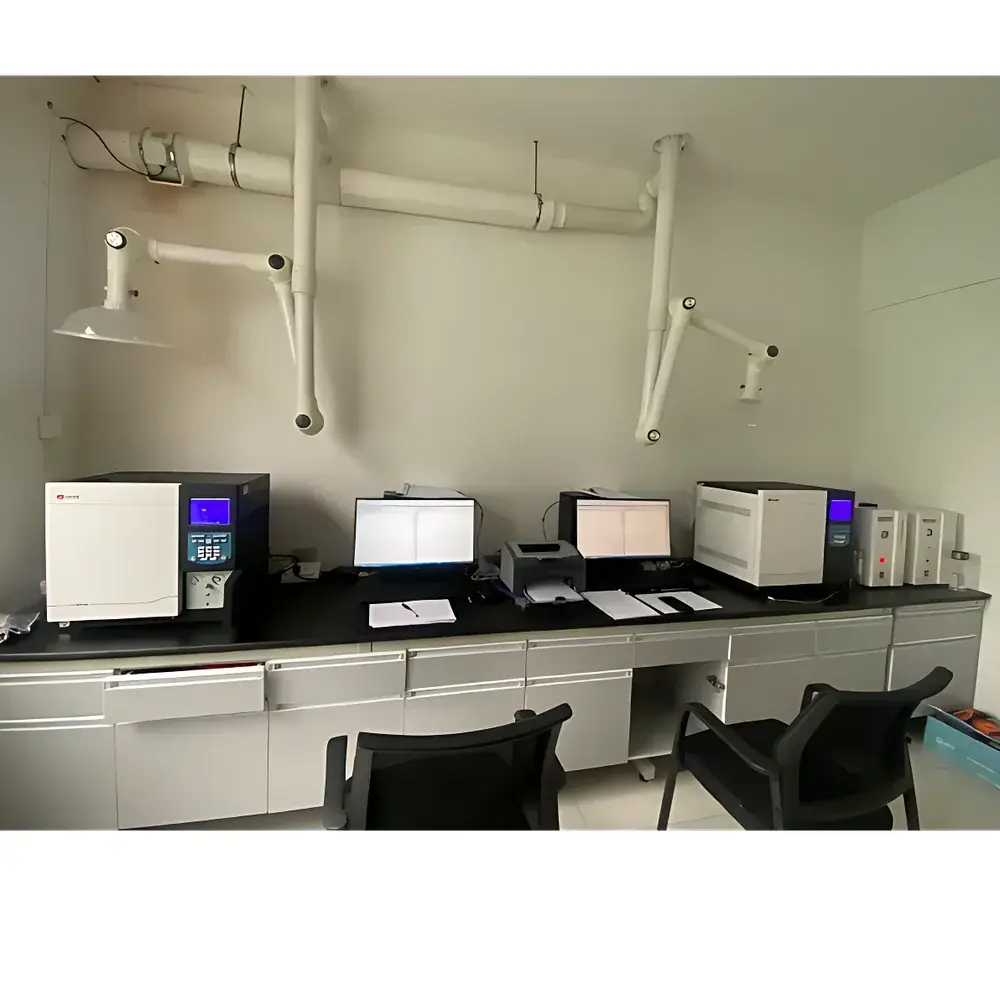
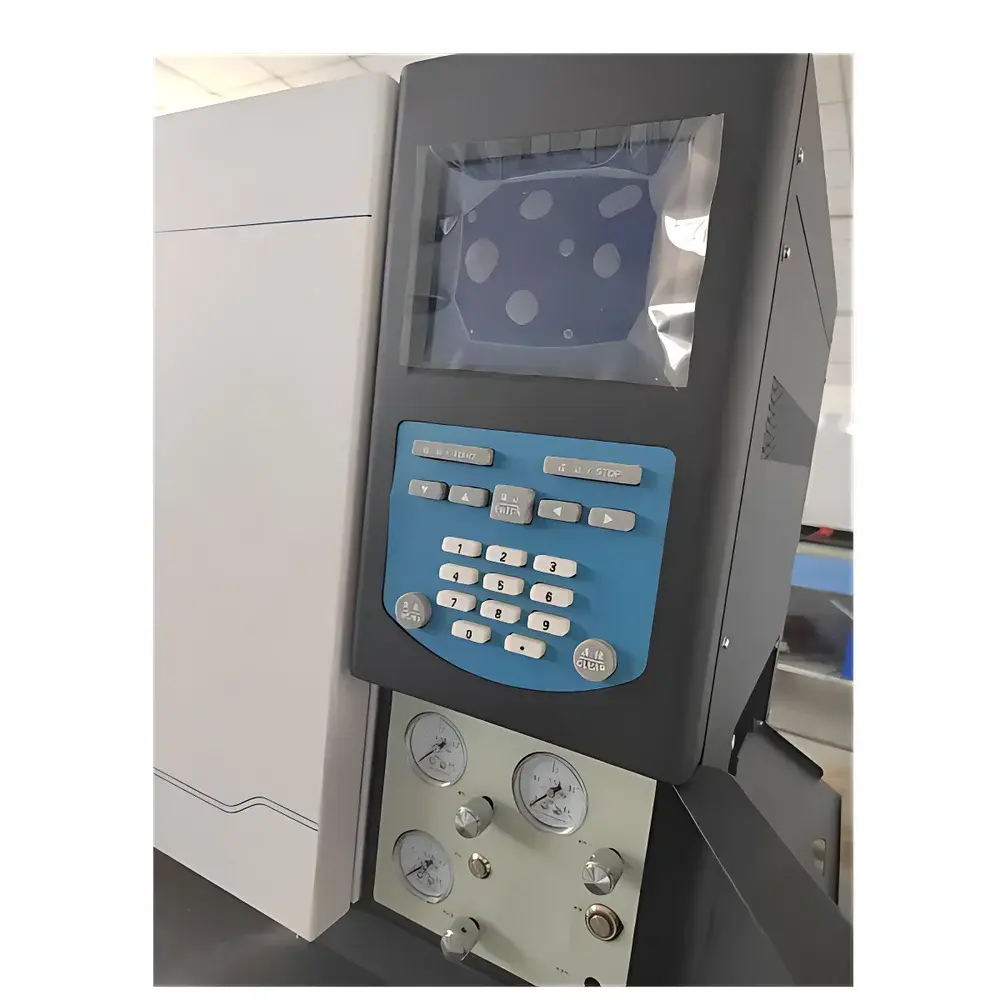
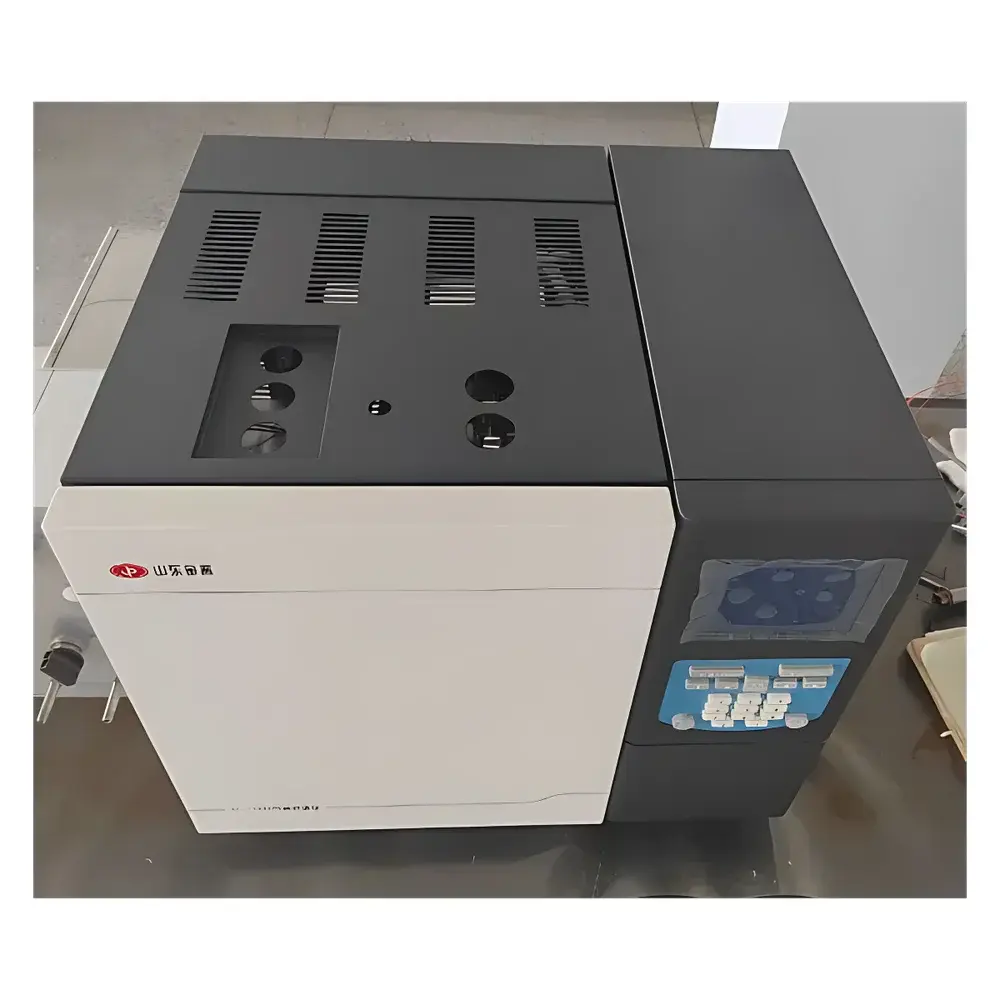
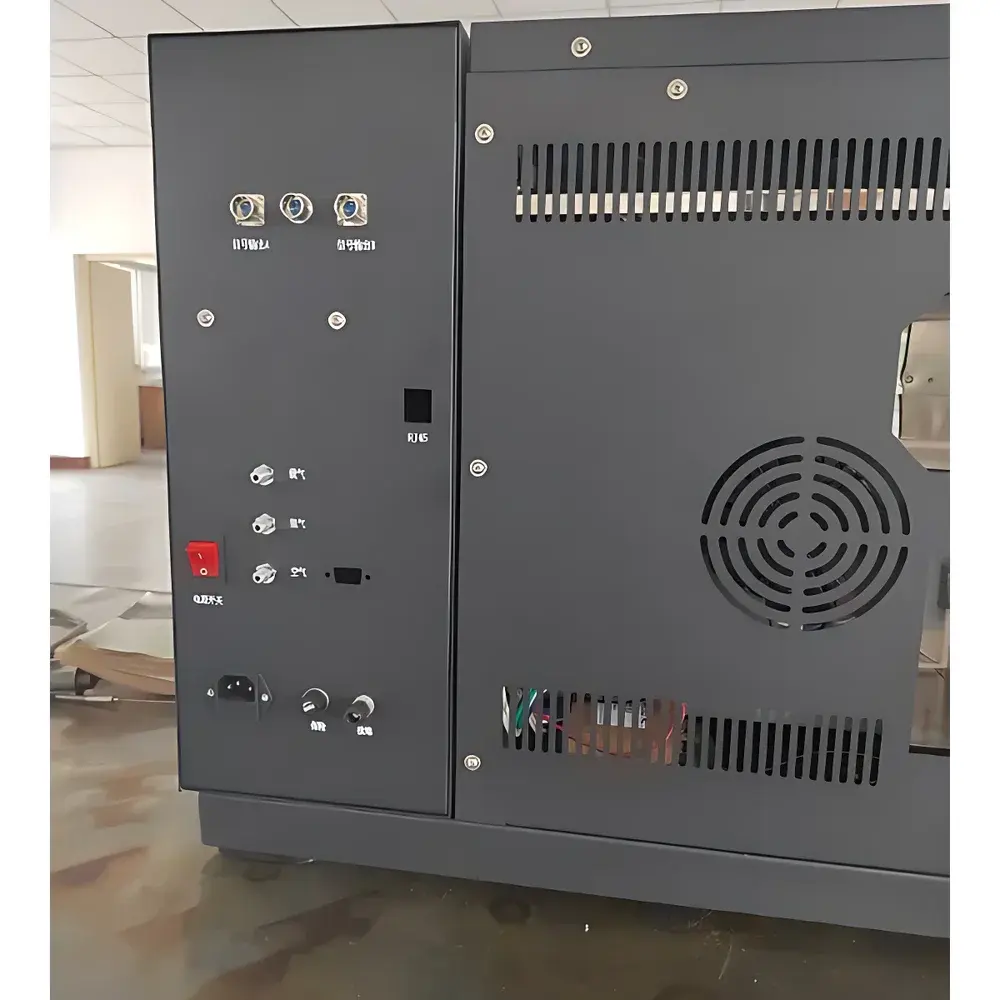
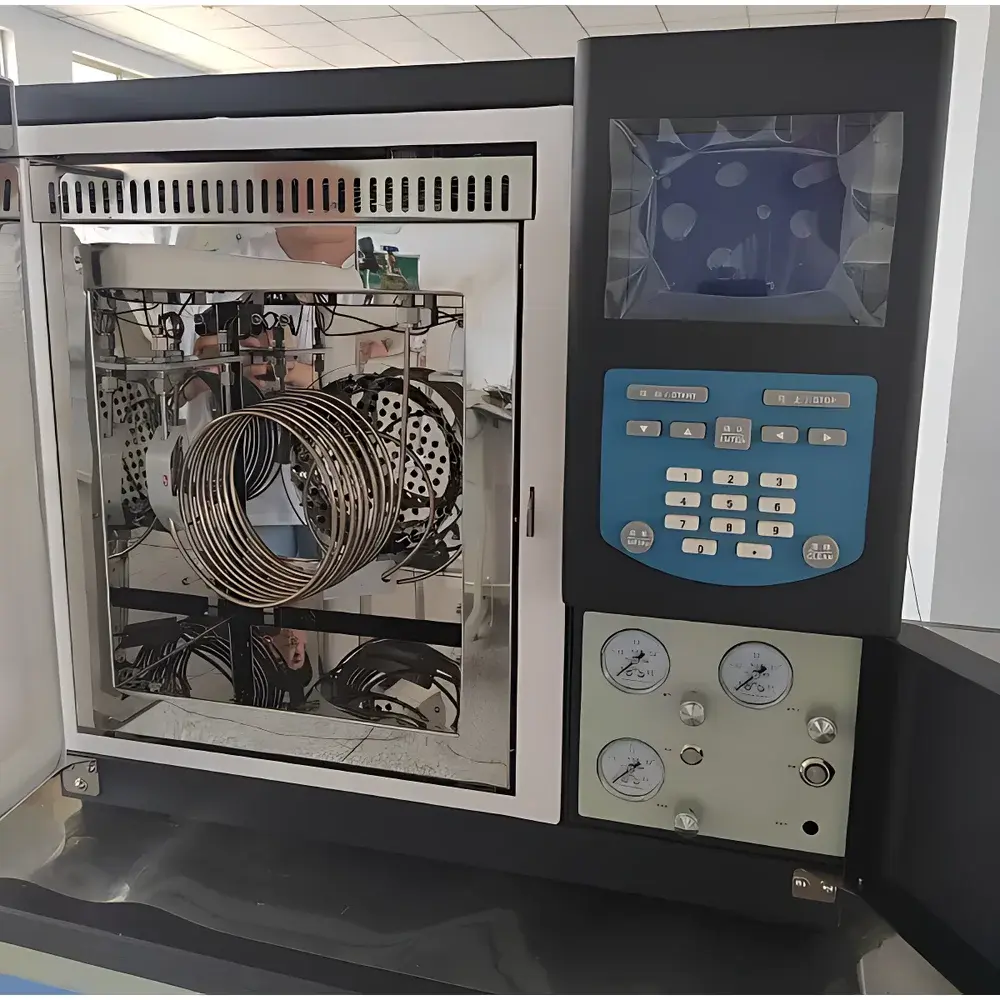
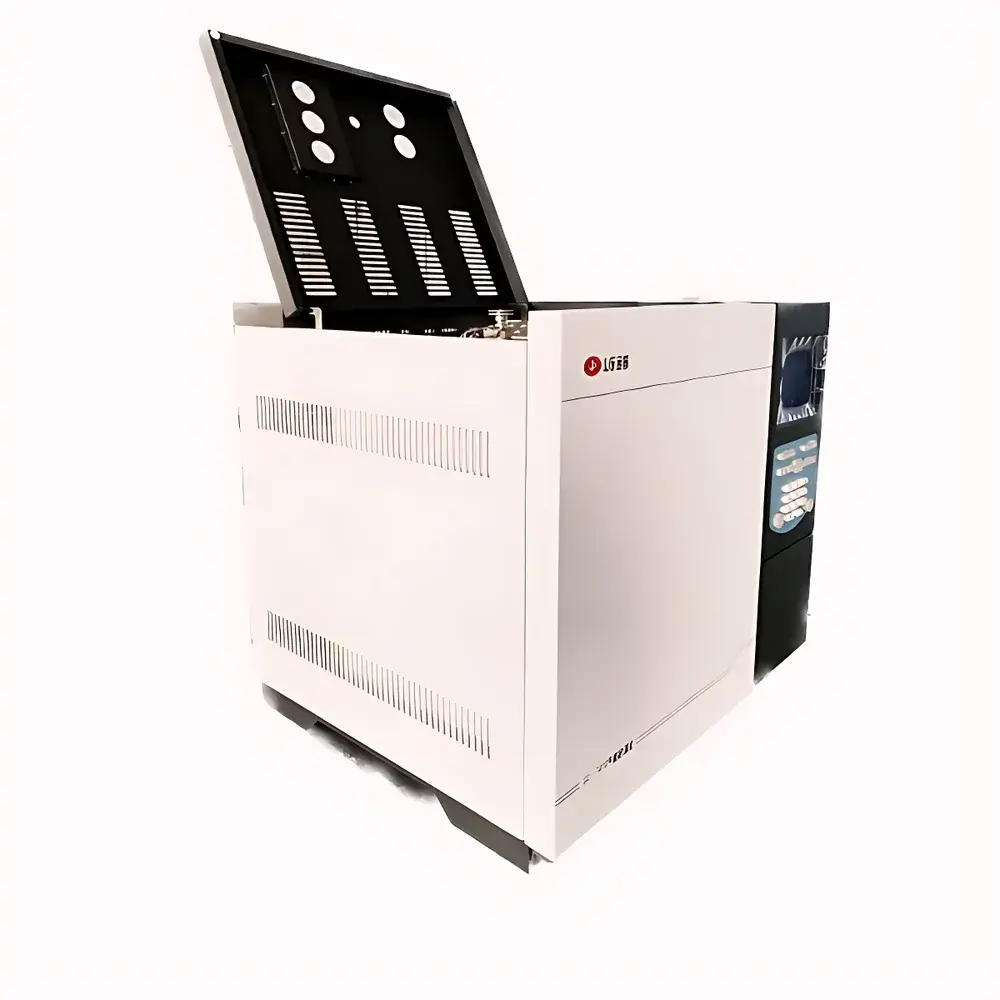
Jinpu GC-7890 Gas Chromatograph
| Brand | Jinpu |
|---|---|
| Origin | Shandong, China |
| Model | GC-7890 (Black Chassis) |
| Instrument Type | Laboratory Gas Chromatograph |
| Application Scope | General-Purpose |
| Oven Temperature Range | 5°C above ambient to 450°C (adjustable in 0.1°C increments) |
| Oven Ramp Rate | 0.1–40°C/min (adjustable in 0.1°C increments) |
| Oven Cooling Rate | 450°C → 50°C in ≤6 min |
| Carrier Gas Flow Range & Control | 0–1200 mL/min |
| Carrier Gas Pressure Range & Control | 0–970 kPa |
| Injector Maximum Operating Temperature | 400°C |
| Injector Pressure Setting Range | 0–970 kPa |
| Injector Total Flow Setting Range | 0–1200 mL/min |
| FID Detection Limit | ≤3×10⁻¹² g/s (n-hexadecane) |
| FID Noise | ≤3×10⁻¹⁴ A |
| FID Drift | ≤5×10⁻¹³ A/30 min |
| FID Linear Dynamic Range | ≥10⁶ |
Overview
The Jinpu GC-7890 is a benchtop laboratory gas chromatograph engineered for precision, reliability, and operational flexibility in routine and method-development environments. Built on a robust dual-channel architecture, it employs classical packed- and capillary-column separation principles with flame ionization detection (FID) as its primary quantitative detector. The system operates via temperature-programmed elution, where analytes are volatilized, separated on stationary phases within fused-silica or stainless-steel columns, and detected based on ion current generation in a hydrogen–air flame. Its wide thermal operating envelope—from sub-ambient conditions (down to –80°C with cryogenic cooling) to 450°C—enables analysis of volatile organics, residual solvents, hydrocarbons, environmental pollutants, and pharmaceutical impurities across diverse sample matrices. Designed for ISO/IEC 17025-compliant laboratories, the GC-7890 supports trace-level quantification in accordance with ASTM D3606, USP , and EPA Method 8260B when configured with validated methods and certified reference standards.
Key Features
- Six independently controlled temperature zones—including oven, dual injectors, and up to three detectors—support simultaneous operation of multiple column types and detection modes.
- Nine-ramp, multi-step programmable temperature control with 0.1°C resolution and ±0.1°C stability (±0.01°C within 180°C), ensuring high reproducibility for retention time alignment and method transfer.
- Intelligent dual rear door design accelerates cooling from 450°C to 50°C in ≤6 minutes, reducing cycle time without compromising column integrity.
- Integrated carrier gas pressure and flow control (0–970 kPa / 0–1200 mL/min) with real-time digital display and electronic pneumatics for consistent retention behavior and peak shape fidelity.
- Modular detector configuration: accommodates dual TCDs, dual FIDs, or combined TCD/FID operation; optional methanizer integration enables CO/CO₂ analysis by FID.
- Full PC-based instrument control via USB interface; supports remote monitoring, sequence execution, and audit-trail-enabled data acquisition compliant with FDA 21 CFR Part 11 requirements when paired with validated chromatography data systems (CDS).
- Comprehensive self-diagnostic suite with real-time fault logging, Pt100 open/short circuit alerts, overtemperature cutoff, and carrier gas failure shutdown protection.
Sample Compatibility & Compliance
The GC-7890 accepts liquid, gaseous, and headspace-derived samples through manual syringe injection, automated liquid samplers, gas sampling valves, thermal desorbers, or headspace autosamplers. It supports both packed columns (e.g., Porapak Q, Chromosorb 101) and fused-silica capillaries (up to 0.53 mm ID), with independent injector temperature control (up to 400°C) enabling optimal vaporization for thermally labile or high-boiling compounds. All hardware and firmware comply with IEC 61010-1 safety standards for laboratory equipment. When operated under documented SOPs and calibrated per ISO/IEC 17025 Clause 6.4, the system meets GLP and GMP data integrity expectations for QC release testing in chemical, food, and pharmaceutical manufacturing.
Software & Data Management
Instrument control and data acquisition are executed via Jinpu’s proprietary ChromaVision CDS software, compatible with Windows 10/11 64-bit platforms. The software provides full bidirectional communication, enabling real-time parameter adjustment, method validation reports, peak integration with baseline correction algorithms, and customizable reporting templates. Audit trail functionality logs all user actions—including method edits, calibration events, and result overrides—with timestamps and operator IDs. Raw data files (.jpd) are stored in vendor-neutral formats suitable for third-party reprocessing (e.g., OpenLab CDS, Chromeleon). Export options include CSV, PDF, and XML for LIMS integration and regulatory submission packages.
Applications
- Residual solvent analysis in APIs and excipients per ICH Q3C guidelines.
- VOC profiling in indoor air, soil extracts, and polymer leachates (EPA TO-17, ASTM D6196).
- Fatty acid methyl ester (FAME) composition in biodiesel (ASTM D6584).
- Hydrocarbon group-type analysis (PIONA) in gasoline and naphtha streams.
- Impurity profiling in synthetic intermediates and final drug substances.
- Quality control of industrial solvents, monomers, and petrochemical feedstocks.
FAQ
Does the GC-7890 support compliance with FDA 21 CFR Part 11?
Yes—when used with validated ChromaVision CDS software, enabled electronic signatures, and configured audit trails, the system meets core Part 11 requirements for electronic records and signatures.
Can the instrument operate below ambient temperature?
Yes—using external dry ice or liquid nitrogen cooling accessories, the oven supports temperature programming from –80°C to 450°C.
What column configurations are supported?
The system accommodates two packed columns plus one capillary column, or two capillary columns simultaneously, with independent injector and detector temperature control.
Is FID sensitivity verified per standard protocols?
Yes—the stated detection limit (≤3×10⁻¹² g/s n-hexadecane), noise, drift, and linearity are measured per ASTM D3525 and IUPAC recommendations using certified reference materials.
What power supply specifications are required?
220 V ±10%, 50/60 Hz, with maximum power draw of 2200 W; dedicated 20 A circuit recommended.
Related Products





