
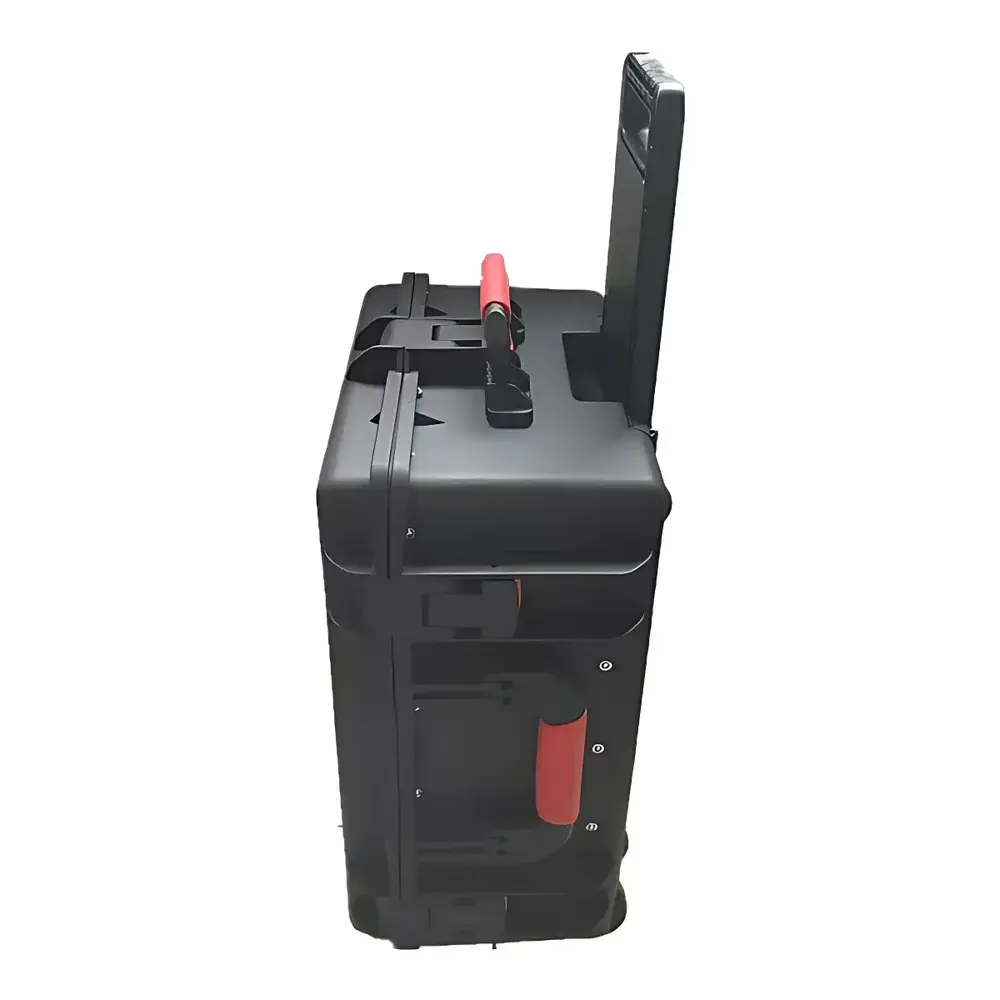
Jinpu GC-8890PLUS Portable Gas Chromatograph for Transformer Oil Dissolved Gas Analysis
| Brand | Jinpu |
|---|---|
| Origin | Shandong, China |
| Model | GC-8890PLUS |
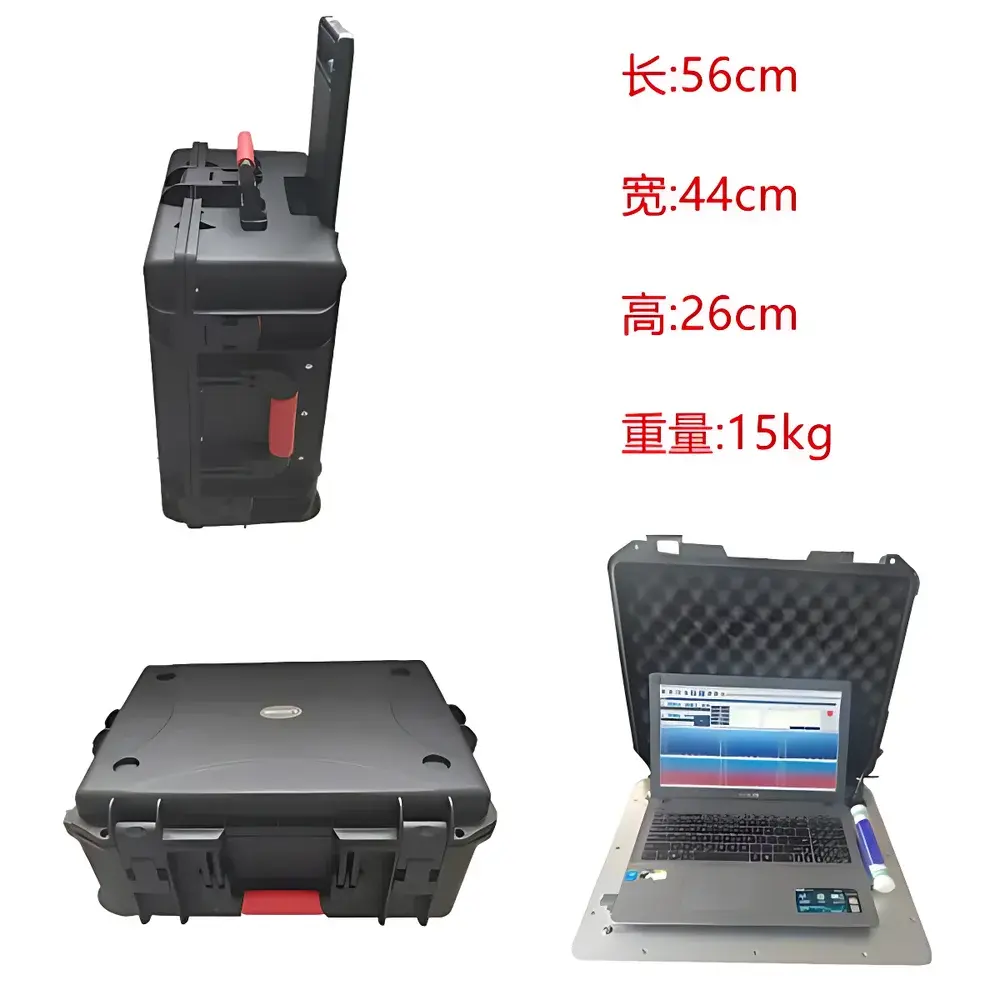
| Weight | 17 kg |
| Dimensions (W×D×H) | 560 × 440 × 260 mm |
| Detection Limits (µL/L) | H₂: 1, CO: 3, CO₂: 10, CH₄: 20, C₂H₆: 50, C₂H₄: 0.1, C₂H₂: 0.1, O₂/N₂: 10 |
| Column Temperature Range | Ambient +4 °C to 450 °C |
| Temperature Control Precision | ±0.05 °C |
| Programmable Temperature Ramps | 20 oven steps, 7 injection port steps |
| Detectors | TCD, FID, Ni methanizer |
| EPC | Full electronic pressure/flow control |
| Compliance | GB/T 17623–2017, GB/T 7252–2001, DLT 722–2014 |
Overview
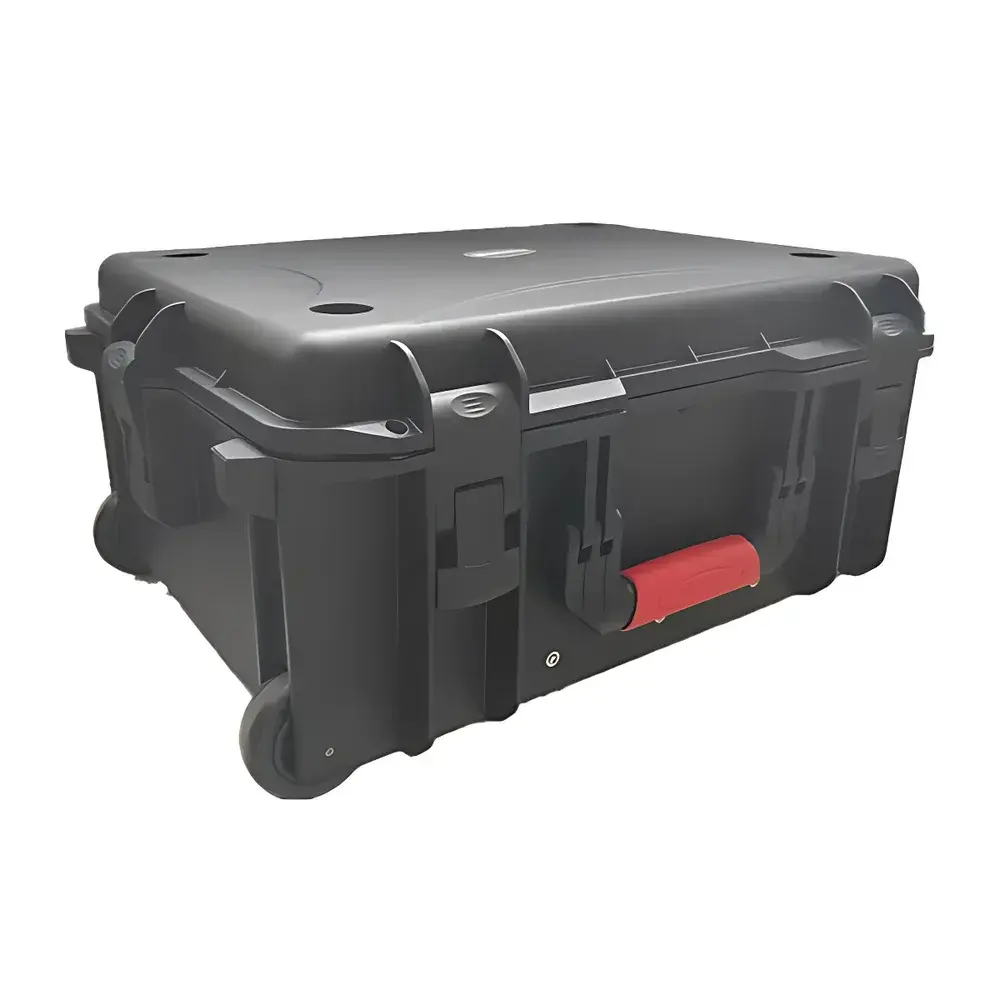
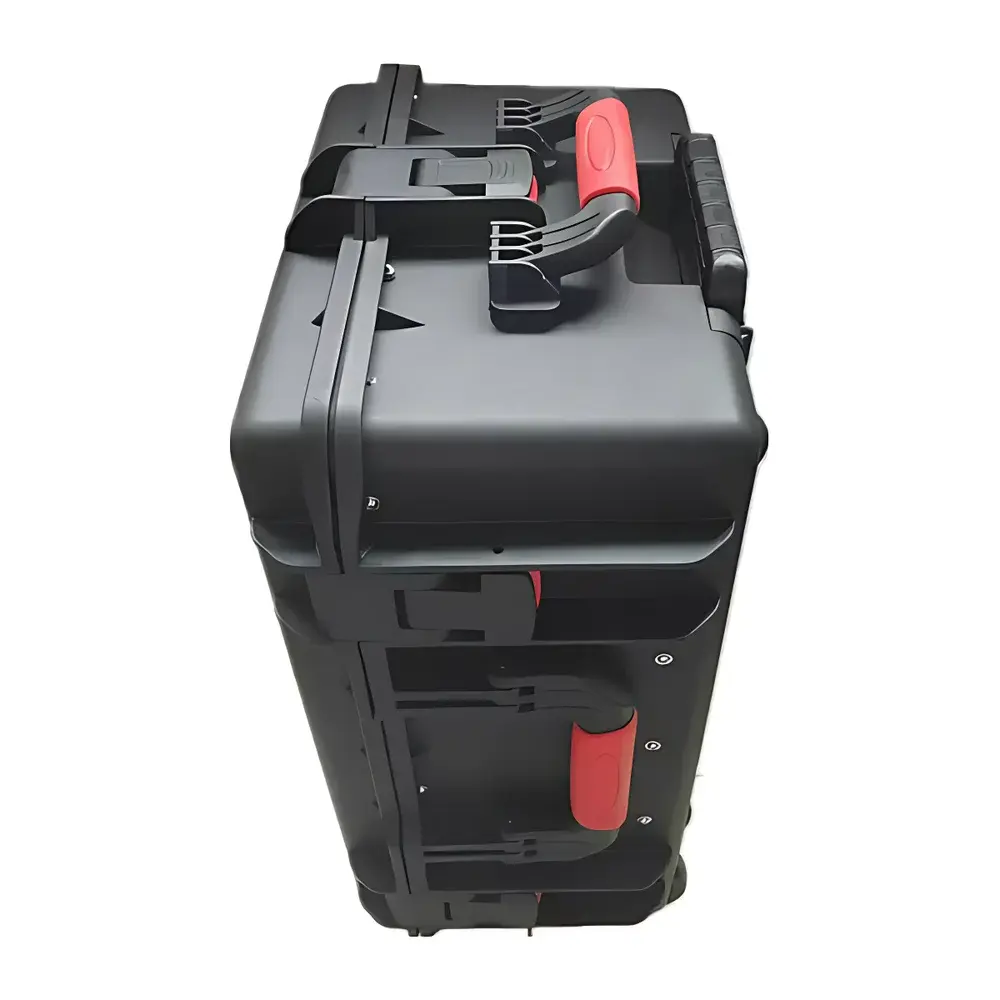
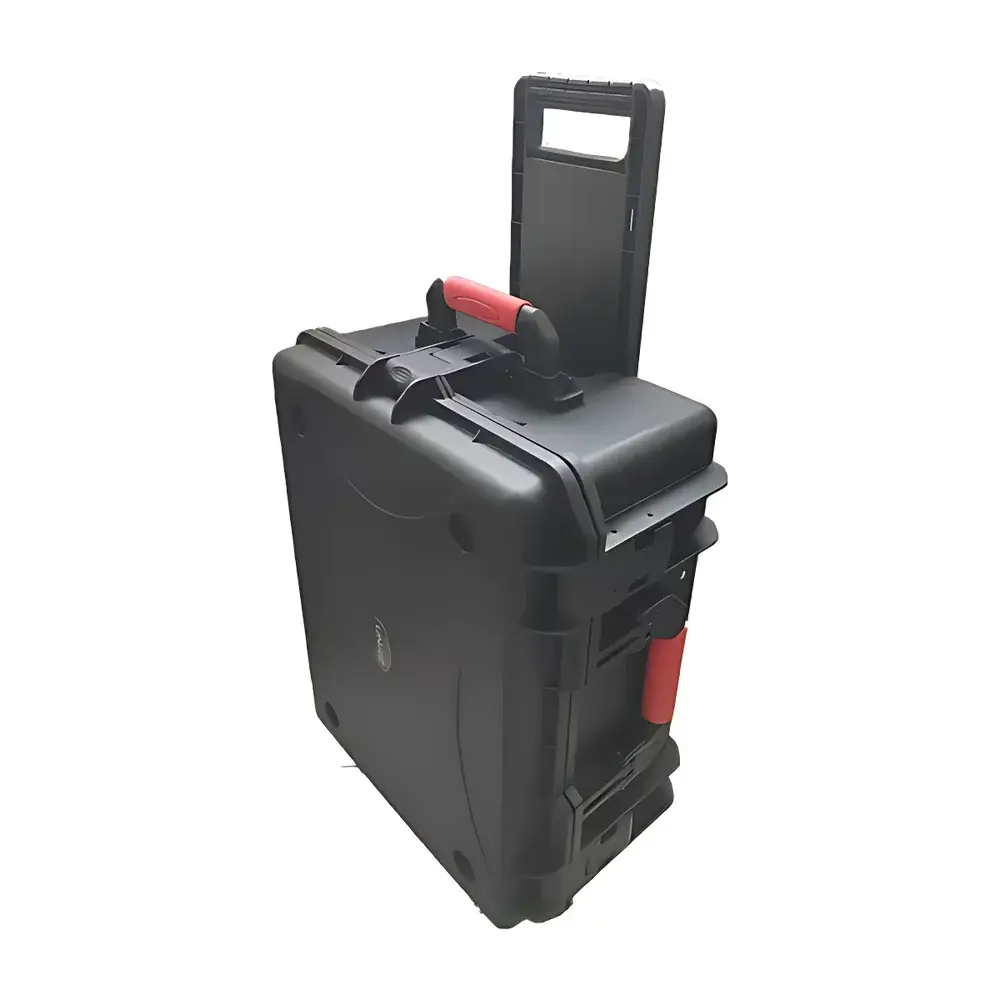
The Jinpu GC-8890PLUS is a field-deployable gas chromatograph engineered specifically for dissolved gas analysis (DGA) in power transformer insulating oil. It implements a validated three-detector configuration—thermal conductivity detector (TCD), flame ionization detector (FID), and nickel-catalyzed methanizer—to achieve simultaneous quantification of seven key fault gases (H₂, CH₄, C₂H₄, C₂H₆, C₂H₂, CO, and CO₂) in a single injection. The instrument operates on the principle of capillary or packed column gas chromatography with carrier-gas-driven separation, followed by selective detection calibrated per IEC 60567 and aligned with ASTM D3612 practice B. Designed for on-site deployment in substations, switchyards, and remote maintenance zones, its compact modular architecture ensures analytical continuity without reliance on fixed laboratory infrastructure. All hardware, consumables, and accessories—including dual-column set, portable air compressor, zero-air generator, high-purity N₂/H₂ cylinders with regulators, automated oil shaker, and lithium-ion DC power option—are integrated into a wheeled transit case compliant with IATA Section II transport guidelines.
Key Features
- Integrated triple-detection workflow enabling full DGA compliance in one run, eliminating sequential injections and cross-method calibration drift.
- Full electronic pressure and flow control (EPC) with real-time digital monitoring of carrier, makeup, and fuel gases—ensuring retention time stability ≤1% RSD over 24 h.
- Intelligent thermal management: six independently controlled temperature zones, including oven, injector, detectors, and methanizer, each stabilized to ±0.05 °C.
- Self-diagnostic firmware with automatic fault isolation—e.g., open/closed RTD detection, overtemperature cutoff, bridge current interruption upon flow deviation >±5%.
- Non-volatile parameter memory: all method settings persist through AC interruption or electromagnetic interference; system resumes operation at pre-failure state.
- Remote operation via USB or Ethernet: compatible with Windows-based GC workstation software supporting bidirectional instrument control and real-time spectral streaming.
- Modular column oven accommodates up to two 3-m stainless-steel packed columns or 30-m fused-silica capillaries optimized for hydrocarbon and permanent gas separation.
Sample Compatibility & Compliance
The GC-8890PLUS accepts 10–20 mL oil samples prepared using ASTM D3612-compliant headspace equilibration (via included automatic shaker). It meets the reporting requirements of GB/T 17623–2017 (equivalent to IEC 60567 Ed.3) for minimum detection limits, repeatability (RSD ≤3% for quantitation), and linearity (r² ≥0.999 across 0.1–10,000 µL/L range). Instrument validation includes traceability to NIST-traceable standard gas mixtures (certified for H₂, CH₄, C₂H₂, etc.), with annual verification per JJG 700–2016 (Chinese national metrological regulation). Data integrity conforms to ALCOA+ principles: attributable, legible, contemporaneous, original, accurate, complete, consistent, enduring, and available—supporting GLP audits and internal QA documentation.
Software & Data Management
The bundled PowerGC workstation is a 24-bit USB data acquisition platform built on Windows 10/11 x64 architecture. It supports FDA 21 CFR Part 11-compliant user access control (role-based permissions), electronic signatures, and immutable audit trails for all method edits, sequence runs, and report generations. Key capabilities include: automated interference-triggered acquisition, IEC 60599-based three-ratio coding and Duval triangle visualization, dynamic baseline correction, peak deconvolution for co-eluting C₂H₄/C₂H₆, historical trend plotting against asset ID-tagged databases, and customizable PDF/Excel export with embedded metadata (sample ID, analyst, calibration date, instrument serial). Raw data files follow open .CDF format (ChemStation-compatible), enabling third-party integration with enterprise LIMS or SCADA systems.
Applications
Primary use cases include predictive maintenance of oil-immersed power transformers, reactors, and tap changers; commissioning verification of new units; forensic root-cause analysis following electrical faults; and routine DGA trending per IEEE C57.104 guidelines. Secondary applications extend to dissolved gas profiling in turbine lubricants, SF₆ decomposition product screening, and low-concentration hydrocarbon leak detection in sealed electrical enclosures. Field validation studies conducted across State Grid Shandong Electric Power Company demonstrate <2% inter-instrument bias versus reference lab GC systems (Agilent 7890B) when analyzing identical oil extracts.
FAQ
Does the GC-8890PLUS support battery-powered operation?
Yes—optional 24 VDC lithium-ion power pack enables continuous 4–6 h runtime without AC input, certified to UN 38.3 transport safety standards.
Is method transfer possible from laboratory GC platforms?
Yes—retention time alignment is achieved via adjustable oven ramp profiles and detector response normalization; method migration kits include column compatibility tables and retention index libraries.
How is calibration traceability maintained in field conditions?
All calibration gases are supplied with CNAS-accredited certificates (GB/T 27025); onboard calibration verification checks occur before each analysis sequence using internal standard spikes.
Can the system be integrated into existing substation SCADA networks?
Yes—Ethernet interface supports Modbus TCP and OPC UA protocols for live DGA parameter streaming to central monitoring dashboards.
What service and support options are available internationally?
Jinpu provides ISO 9001-certified technical support, on-site training, and spare parts logistics through authorized regional partners in Southeast Asia, Middle East, and Latin America—with English-language documentation and firmware updates distributed quarterly.




