
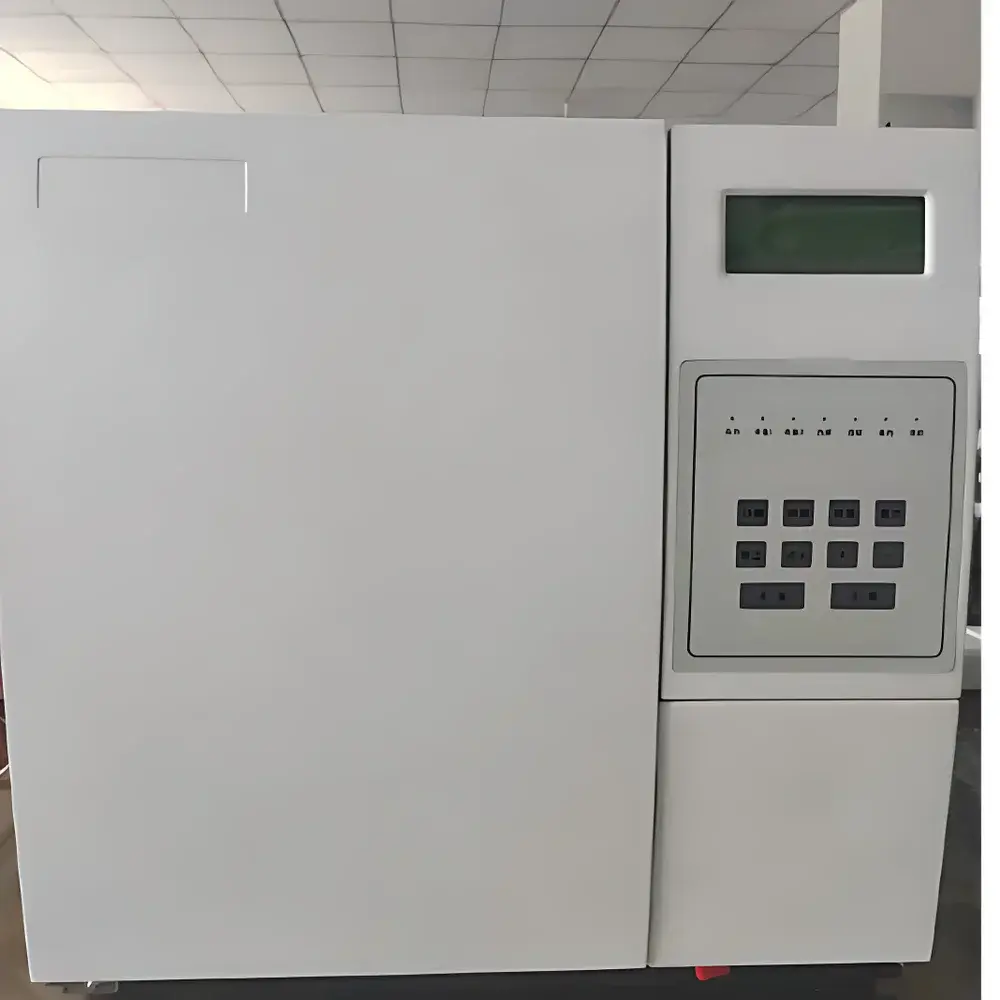
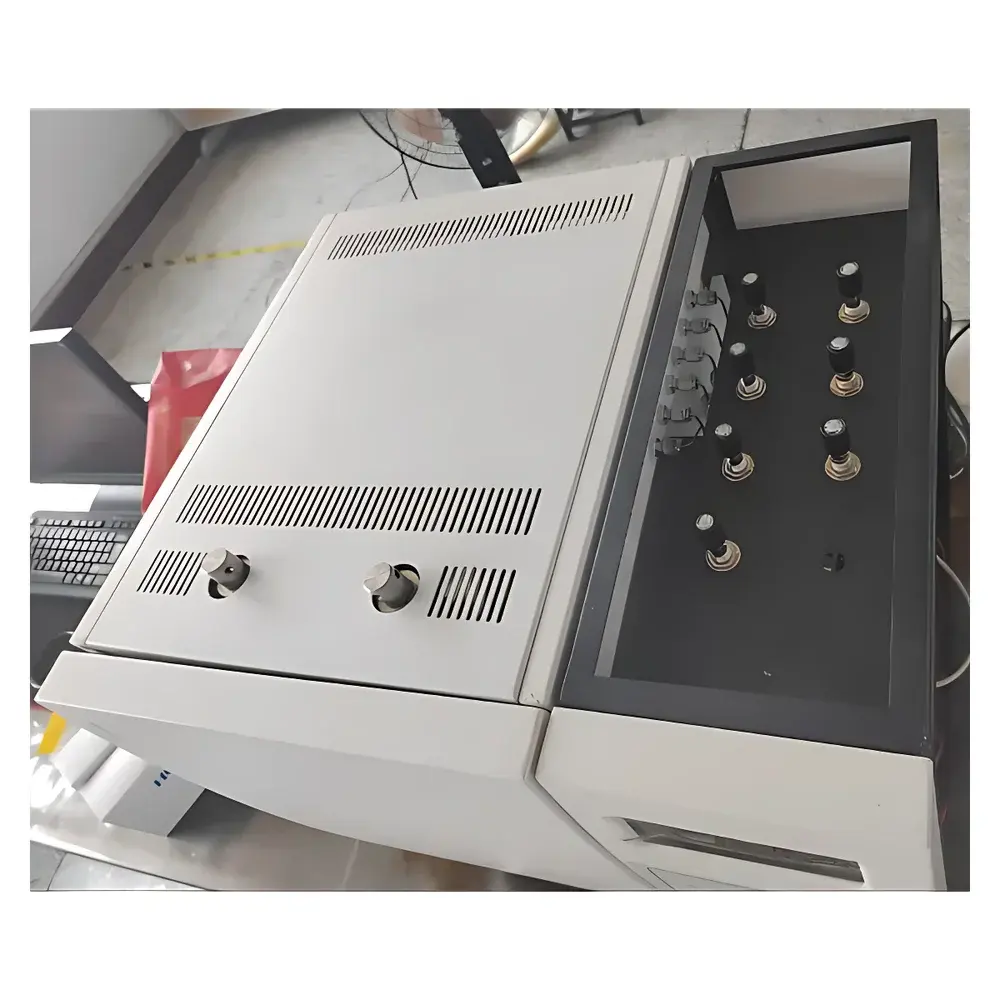
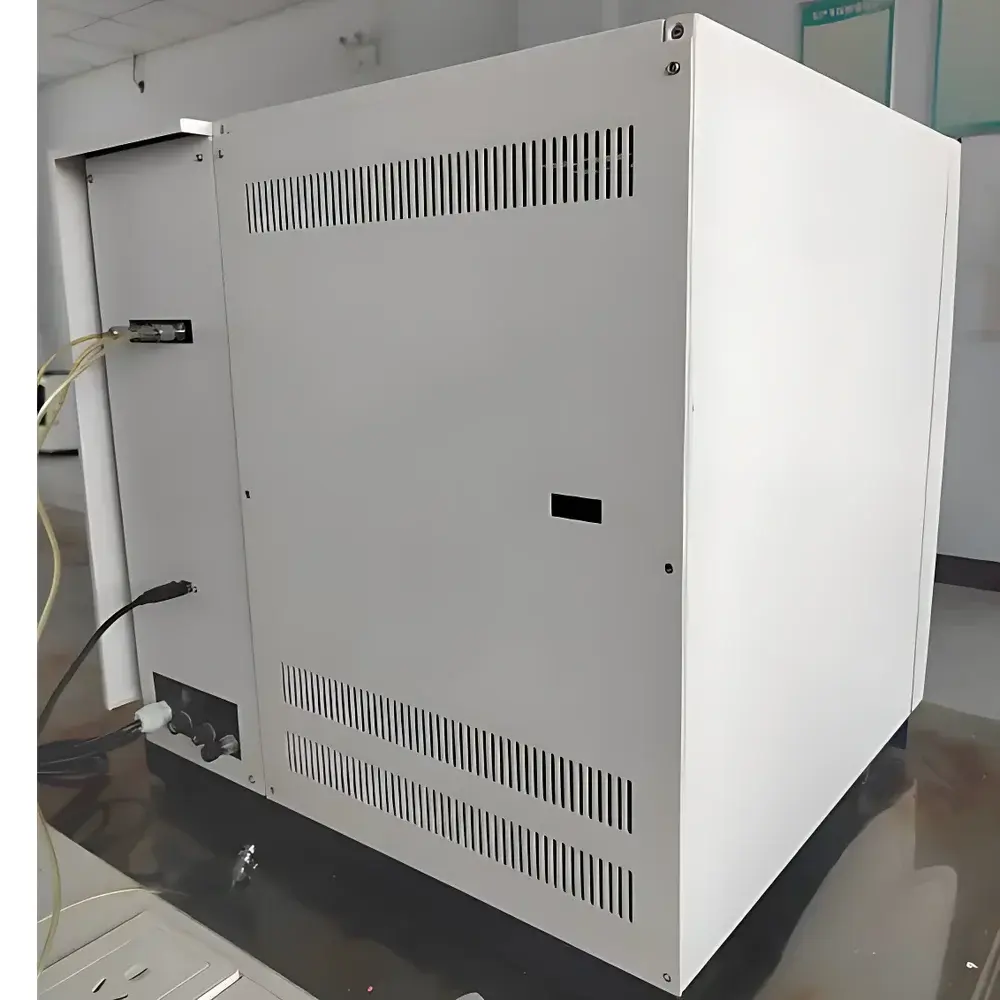
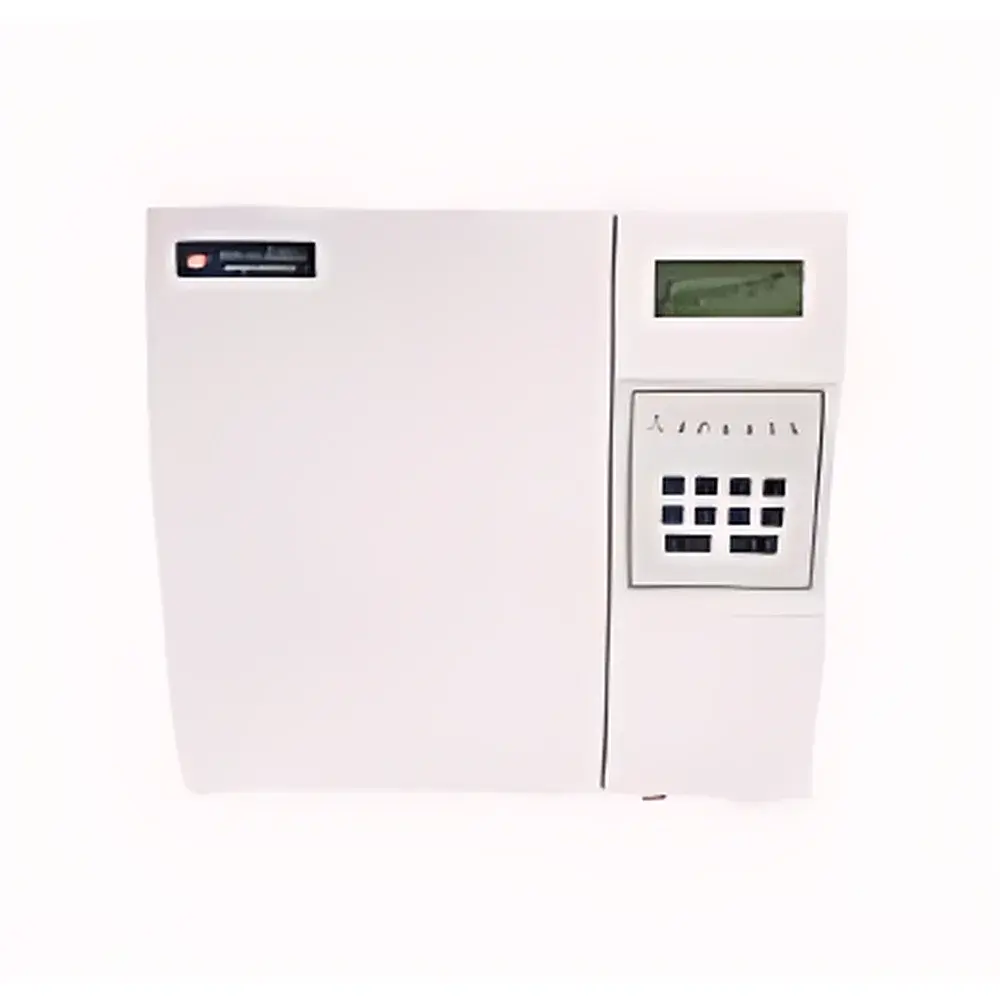
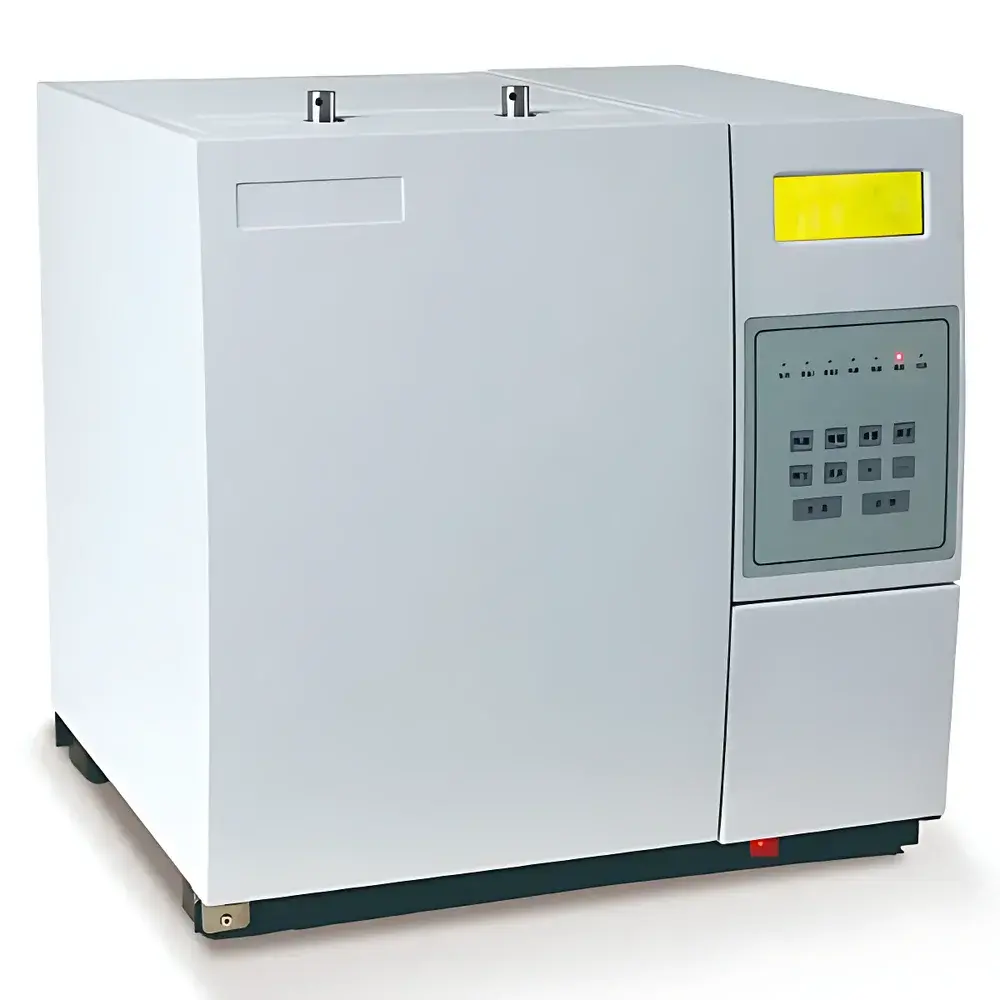
Jinpu OG-2000V Online Gas Chromatograph for Hydrocarbon Show Evaluation
| Brand | Jinpu |
|---|---|
| Origin | Shandong, China |
| Manufacturer Type | Authorized Distributor |
| Product Origin | Domestic (China) |
| Model | OG-2000V Online Gas Chromatograph for Hydrocarbon Show Evaluation |
| Instrument Type | Online Gas Chromatograph |
| Application Field | General-purpose Geochemical Logging & Rock Pyrolysis Analysis |
| Detector Configuration | Dual Flame Ionization Detectors (FID) |
| Cooling System | Integrated Forced-air Cooling Module |
| Interface | USB 2.0 Digital Output |
| Display | High-contrast Backlit LCD with Chinese Language Support |
Overview
The Jinpu OG-2000V Online Gas Chromatograph for Hydrocarbon Show Evaluation is a purpose-built analytical platform engineered for real-time geochemical logging and laboratory-based rock pyrolysis analysis in petroleum exploration and production environments. Operating on the principle of capillary gas chromatography with dual flame ionization detection (FID), the system separates and quantifies light hydrocarbon fractions (C1–C5, CO2, H2S, etc.) from desorbed or pyrolyzed rock samples under controlled thermal programs. Designed specifically for downhole logging support and core evaluation workflows, it delivers rapid, reproducible hydrocarbon profiling to support source rock characterization, reservoir fluid typing, and saturation modeling—without reliance on offline lab turnaround. Its architecture integrates robust thermal control, high-stability carrier gas regulation, and field-deployable mechanical design compliant with ISO 8573-1 (compressed air quality) and IEC 60068-2 environmental stress testing standards.
Key Features
- Dual FID detection system with independent signal channels for enhanced peak resolution and cross-validation of C1–C5 hydrocarbon response
- Forced-air cooling module enabling rapid column oven cooldown between runs—reducing cycle time by up to 40% compared to passive-cooled predecessors
- Modular electrical architecture with standardized interconnects; serviceable by field technicians with basic electronics training
- USB 2.0 digital interface supporting direct integration with Windows-based data acquisition PCs; compatible with third-party SCADA and LIMS platforms via CSV/ASCII export
- Large-backlit monochrome LCD display with native Chinese language UI—enabling intuitive temperature setpoint adjustment, status monitoring, and diagnostic feedback at rig sites
- High-precision electronic pressure control (EPC) for carrier gas (N2 or He), supporting stable flow rates across variable ambient conditions typical in remote drilling locations
Sample Compatibility & Compliance
The OG-2000V accepts solid rock samples (cuttings, core chips, sidewall cores) processed via standard Rock-Eval–style pyrolysis protocols (S1, S2, Tmax) as well as headspace gas from desorption canisters. It complies with ASTM D7260 (Standard Practice for Calibration of Gas Chromatographs Used in Petroleum Analysis) and supports method development aligned with ISO 10303-21 (STEP AP203/210) for structured analytical data exchange. While not certified for Class I Division 1 hazardous locations, its enclosure meets IP54 ingress protection and operates reliably within –10 °C to +45 °C ambient ranges per IEC 60068-2-1/2. Data integrity adheres to GLP principles through audit-trail-capable software logging (user actions, method parameters, calibration events).
Software & Data Management
Acquisition and processing are performed using proprietary Jinpu GC Control Suite v3.2—a Windows 10–compatible application supporting method templates for SARA-type hydrocarbon group analysis, kerogen typing (van Krevelen diagrams), and saturation index calculation (e.g., HI/OI, Tmax-derived maturity). Raw chromatograms are stored in .CDF format (compatible with OpenChrom and Chromeleon); quantitative reports export to Excel-compatible .XLSX with embedded metadata (sample ID, run time, detector gain, column history). The system supports 21 CFR Part 11–compliant user authentication when deployed in regulated QA/QC labs, including electronic signatures, role-based access, and immutable audit trails for all calibration and analysis records.
Applications
- Real-time geochemical logging during rotary and coring operations to construct vertical hydrocarbon show profiles
- Source rock evaluation: quantification of TOC, hydrogen index (HI), oxygen index (OI), and thermal maturity (Tmax) via programmed pyrolysis
- Reservoir assessment: determination of oil saturation, porosity-corrected hydrocarbon yield, and water-wash intensity indices
- Production diagnostics: compositional tracking of produced gases (C1/C2 ratio, CO2 content) to infer reservoir compartmentalization or aquifer influx
- Enhanced oil recovery (EOR) monitoring: analysis of hydrocarbon fingerprint shifts following CO2 or surfactant injection
FAQ
Is the OG-2000V suitable for permanent installation in a mobile logging unit?
Yes—the instrument features shock-mounted internal components, wide-input DC power conditioning (18–36 VDC), and a compact footprint (482 × 390 × 220 mm) optimized for rack-mount integration in Class II logging vans.
Does the system support automated calibration with certified gas standards?
It includes built-in calibration sequence scripting for multi-point hydrocarbon standards (e.g., Scotty Mix #1001); calibration verification intervals are configurable per ASTM D3606 protocol.
Can raw chromatographic data be imported into third-party reservoir modeling software?
All peak tables and integrated areas export in comma-delimited ASCII format with SI-unit headers, enabling direct ingestion into Petrel, Techlog, or MATLAB-based petrophysical workflows.
What maintenance intervals are recommended for field deployment?
FID jet cleaning every 200 runs; column trimming every 6 months or after 500 injections; carrier gas filter replacement every 3 months under continuous operation.





