
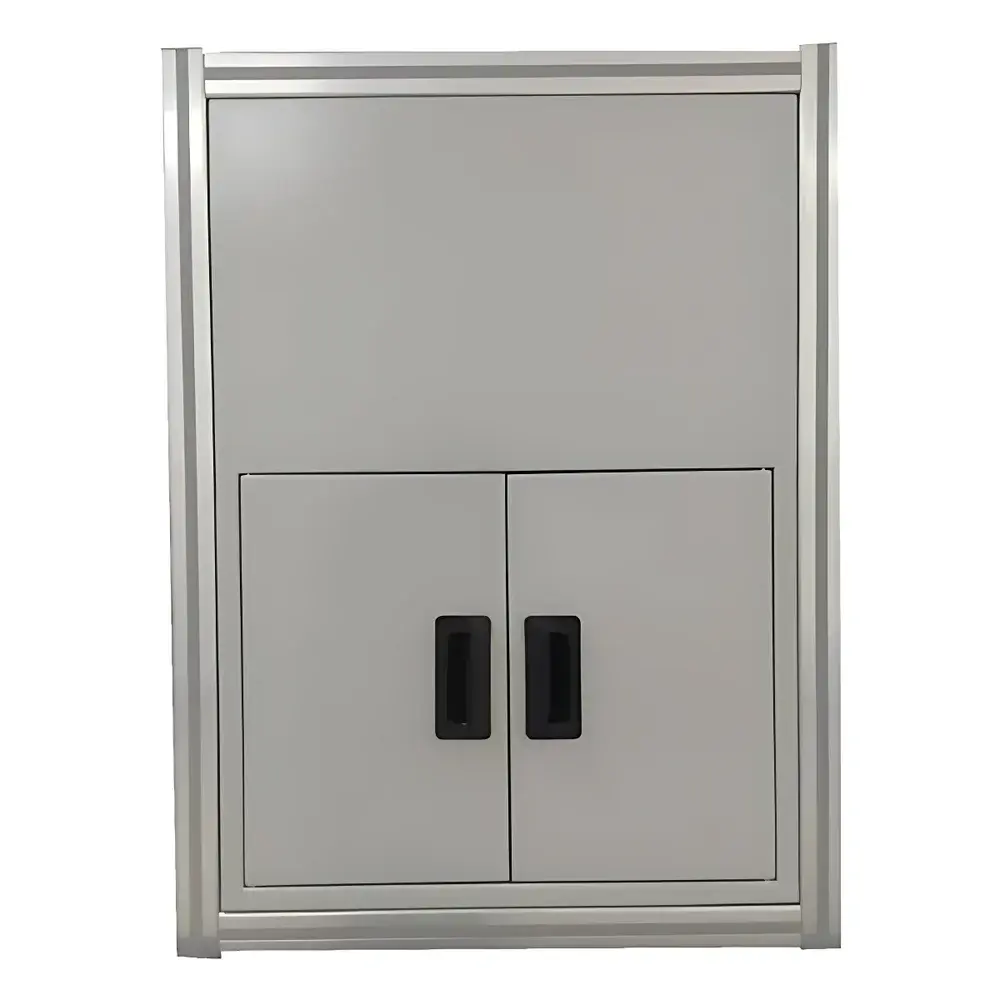
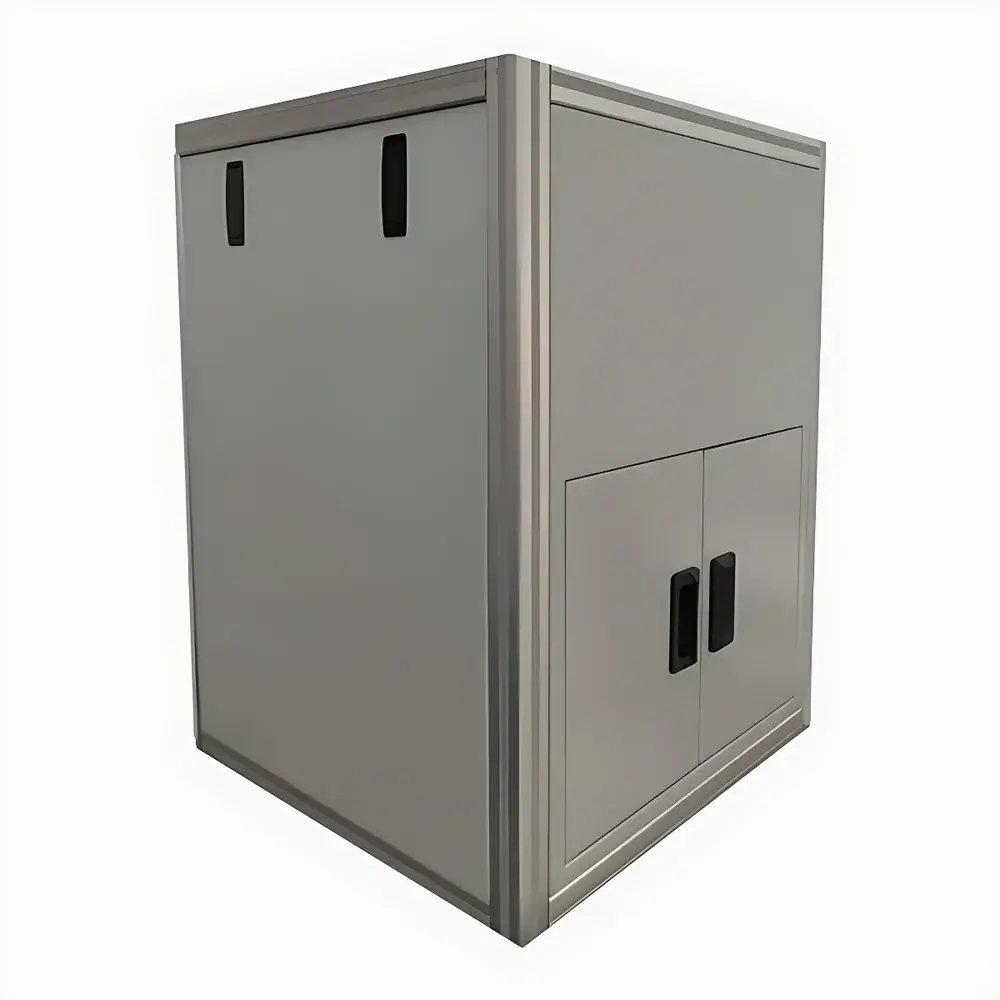
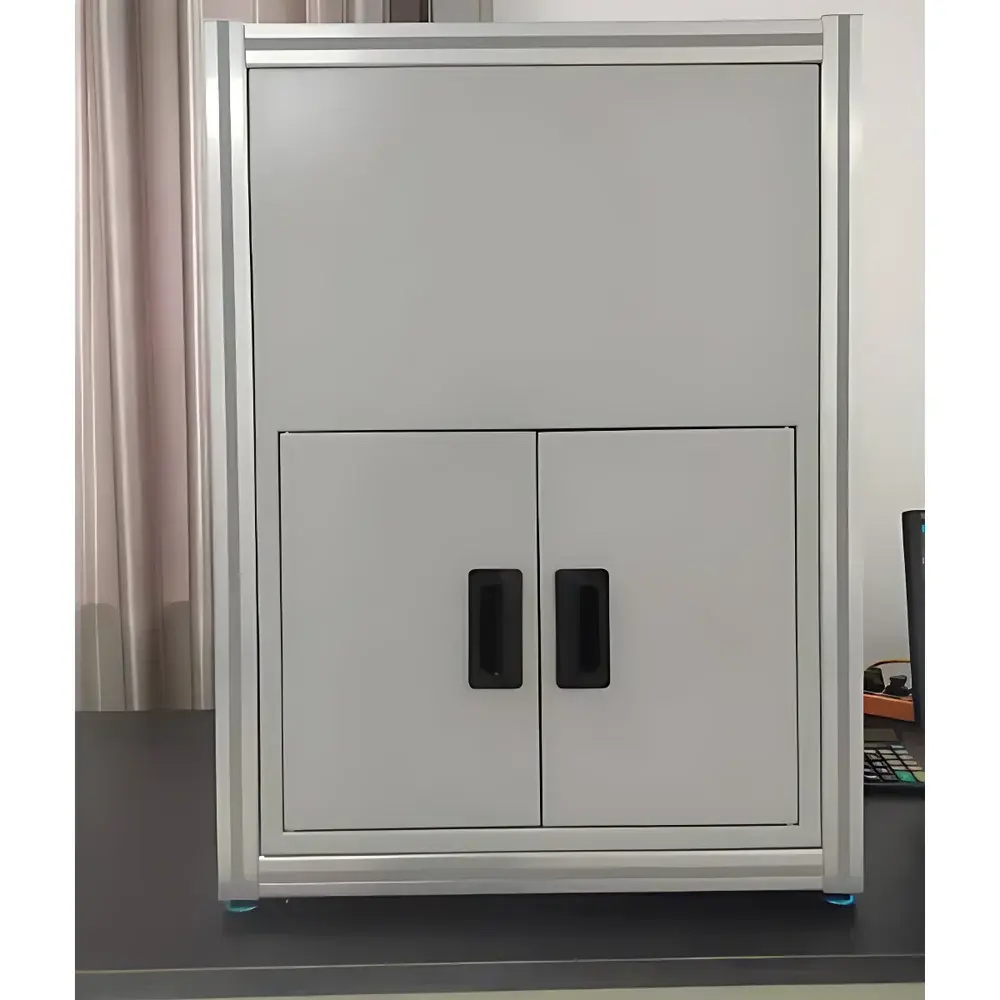
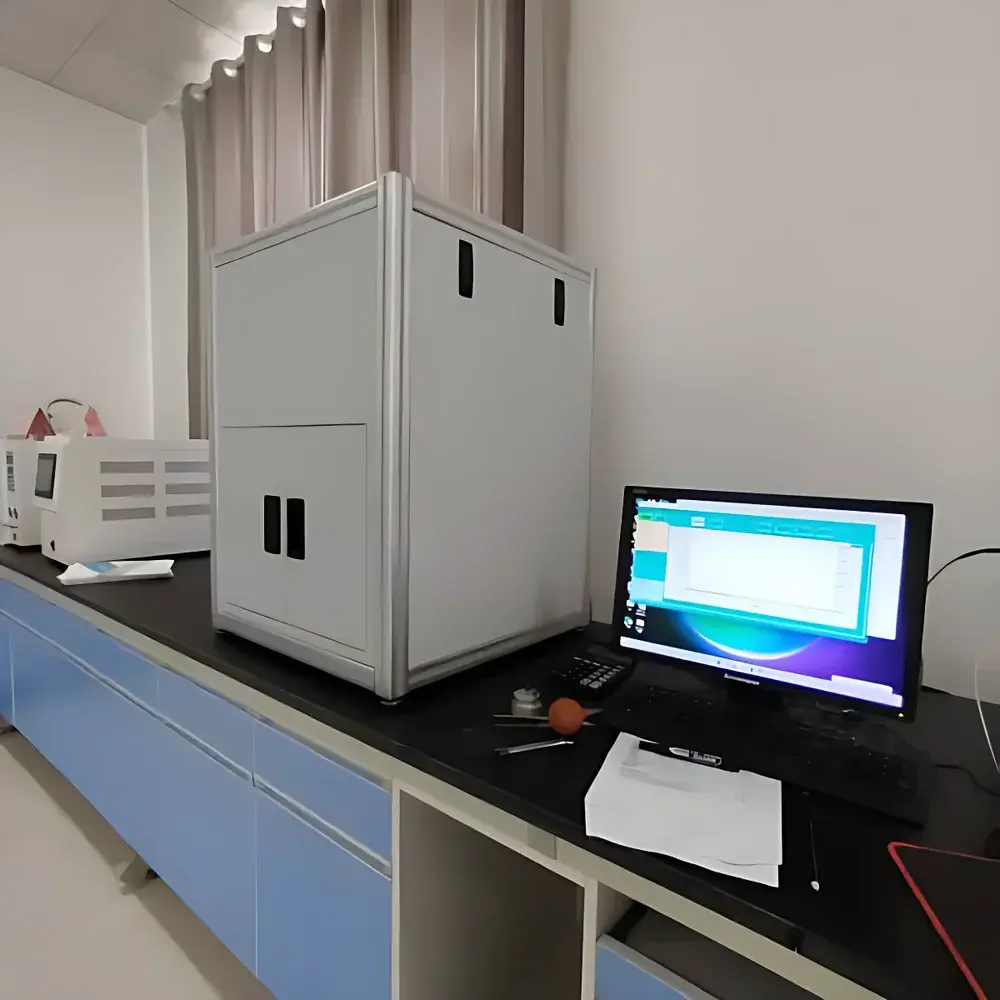
Jinpu OG-3000 Rock Pyrolysis Analyzer
| Brand | Jinpu |
|---|---|
| Origin | Shandong, China |
| Model | OG-3000 |
| Instrument Type | Laboratory Gas Chromatograph for Rock Pyrolysis |
| Application Field | Petroleum & Petrochemical Industry |
| Injector Maximum Temperature | 90–850 ± 0.5 °C (programmable) |
| FID Hydrocarbon Detection Limit | 0.001 mg HC/g rock |
| FID Baseline Drift | < 0.1 mV/30 min |
| FID Linear Range | 10⁶ |
| IR Detector Range | 0–100 % |
| IR Linearity Error | ≤ ±1 % F.S. |
| IR Repeatability | < 1 % |
| IR Zero Drift | ≤ ±2 % F.S./24 h |
| Pyrolysis Furnace Temp Control Accuracy | ±0.5 °C |
| Oxidation Furnace Temp Control Accuracy | ±0.5 °C |
| Programmable Ramp Segments | Up to 10 segments |
Overview
The Jinpu OG-3000 Rock Pyrolysis Analyzer is a dedicated laboratory gas chromatograph engineered for quantitative geochemical characterization of sedimentary organic matter in petroleum exploration and production laboratories. It implements programmed-temperature pyrolysis coupled with dual-detection architecture—flame ionization detection (FID) for hydrocarbon evolution profiling and infrared (IR) absorption spectroscopy for CO, CO₂, and residual carbon quantification. The system sequentially measures S₀ (free hydrocarbons), S₁ (thermally released hydrocarbons), S₂ (kerogen-derived hydrocarbons), S₂₁/S₂₂/S₂₃ (fractionated S₂ peaks for kinetic modeling), Tmax (temperature at S₂ peak maximum), S₃ (CO and CO₂ from carbonate and organic decomposition), S₄ (residual organic carbon after oxidation), and S₅ (residual mineral carbon). From these primary signals, the instrument calculates total organic carbon (TOC), mineral carbon (MinC), hydrogen index (HI), oxygen index (OI), and production index (PI)—parameters essential for source rock evaluation, maturity assessment, and hydrocarbon generation modeling per ASTM D7169 and ISO 10303 standards.
Key Features
- Integrated dual-furnace architecture: independent pyrolysis furnace (90–850 ± 0.5 °C) and oxidation furnace (100–850 ± 0.5 °C), both with programmable ramp rates and hold times across up to 10 temperature segments.
- FID detector optimized for low-level hydrocarbon quantification: detection limit of 0.001 mg HC/g rock, baseline drift < 0.1 mV/30 min, and linear dynamic range of 10⁶—enabling accurate S₀–S₂ peak integration across wide TOC gradients.
- Dual-channel IR detection system calibrated for simultaneous measurement of CO/CO₂ species (S₃, S₃′, S₃CO, S₃′CO) and post-oxidation residual carbon (S₄, S₅), supporting robust differentiation between organic and inorganic carbon pools.
- Automated gas flow and pressure control (optional): real-time monitoring and closed-loop regulation of carrier gas (He or N₂), make-up gas, and detector gases—ensuring retention time stability and method reproducibility.
- Network- and Bluetooth-enabled communication: instrument status, raw chromatograms, peak tables, and calculated geochemical indices are exportable via TCP/IP or BLE to LIMS or centralized data repositories.
- Optional 50-position autosampler: supports unattended batch analysis of core chips, cuttings, or powdered samples—compatible with standard 10 mm OD quartz tubes and compliant with API RP 13B-2 sample preparation guidelines.
Sample Compatibility & Compliance
The OG-3000 accepts solid rock samples (typically 50–100 mg, crushed to ≤100 µm) sealed in inert quartz tubes. It complies with analytical workflows defined in ASTM D7169 (Standard Test Method for Determination of Distillation Range of Petroleum Products Using Gas Chromatography), ISO 10303 (Petroleum products — Determination of total organic carbon in crude oils), and China’s SY/T 5115–2014 (Petroleum geological testing methods – Rock pyrolysis analysis). Its detection architecture satisfies data integrity requirements for GLP-compliant labs: all temperature setpoints, detector voltages, gas flows, and calibration events are timestamped and logged; audit trails support 21 CFR Part 11–compliant electronic records when integrated with validated software platforms.
Software & Data Management
The embedded acquisition and processing software provides full method development for multi-segment pyrolysis/oxidation protocols, automatic peak identification (S₀–S₅), baseline correction, and standardized geochemical parameter derivation (TOC = k₁×S₂ + k₂×S₃ + S₄; MinC = S₅). Raw data are stored in vendor-neutral .CSV and .CDF formats. Optional software modules enable batch reporting aligned with AAPG Bulletin templates, uncertainty propagation per GUM (JCGM 100:2008), and traceability to NIST-traceable hydrocarbon standards. All calibration curves, instrument logs, and user actions are retained with immutable timestamps—facilitating internal QA audits and external regulatory review.
Applications
- Source rock evaluation: HI/OI cross-plots, Van Krevelen diagrams, and kerogen typing using S₂/S₃ ratios and Tmax–TOC correlations.
- Thermal maturity assessment: determination of vitrinite reflectance equivalents (Tmax-based) and activation energy distributions via S₂ kinetic deconvolution.
- Reservoir quality screening: correlation of S₁/S₂ with extractable bitumen content and porosity-permeability trends in tight sandstones and shales.
- Coal and oil shale characterization: differentiation of liptinite vs. inertinite contributions via S₂ fractionation (S₂₁/S₂₂/S₂₃).
- Laboratory intercomparison studies: participation in IASPEI-certified round-robin programs for pyrolysis method harmonization.
FAQ
What standards does the OG-3000 comply with for petroleum geochemistry testing?
It supports methodologies referenced in ASTM D7169, ISO 10303, SY/T 5115–2014, and aligns with data reporting conventions used by major NOCs and service companies in basin modeling workflows.
Can the system differentiate between organic and inorganic carbon without acid pretreatment?
Yes—the sequential pyrolysis–oxidation protocol combined with IR-speciated S₃ and S₅ detection enables quantitative partitioning of TOC and MinC without HCl demineralization, reducing sample preparation bias and operator exposure.
Is the 10-segment temperature program sufficient for kinetic modeling applications?
Yes—each segment allows independent ramp rate, target temperature, and hold duration, enabling Arrhenius-based fitting of S₂ evolution profiles for Eₐ distribution analysis per the EASY%Ro model framework.
How is detector calibration maintained across extended operation?
FID response is verified daily using certified hydrocarbon standards (e.g., n-decane in quartz tube); IR channels are zeroed and span-calibrated using certified CO/CO₂ gas mixtures prior to each analytical batch.
Does the system support remote diagnostics and firmware updates?
Yes—via secure SSH or HTTPS interface, authorized service engineers can perform health checks, log analysis, and controlled firmware deployment while preserving local data sovereignty and network segmentation policies.






