
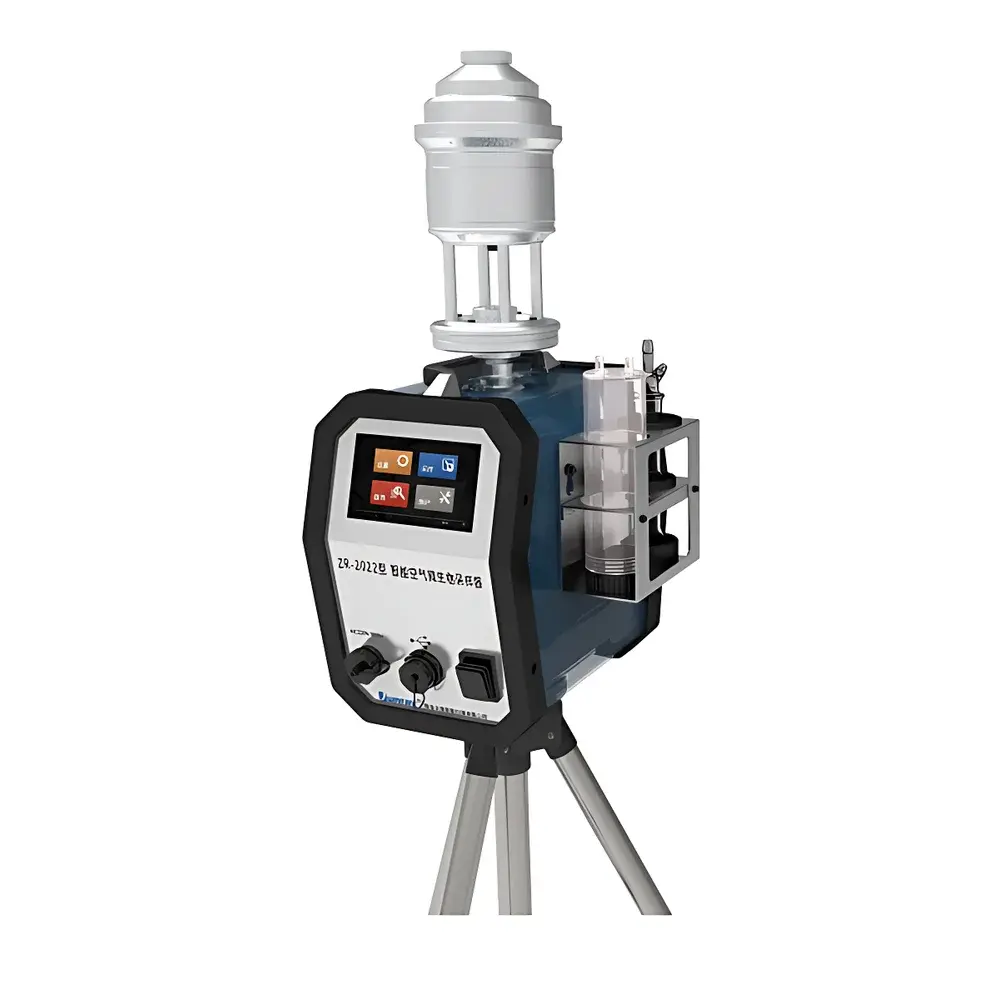
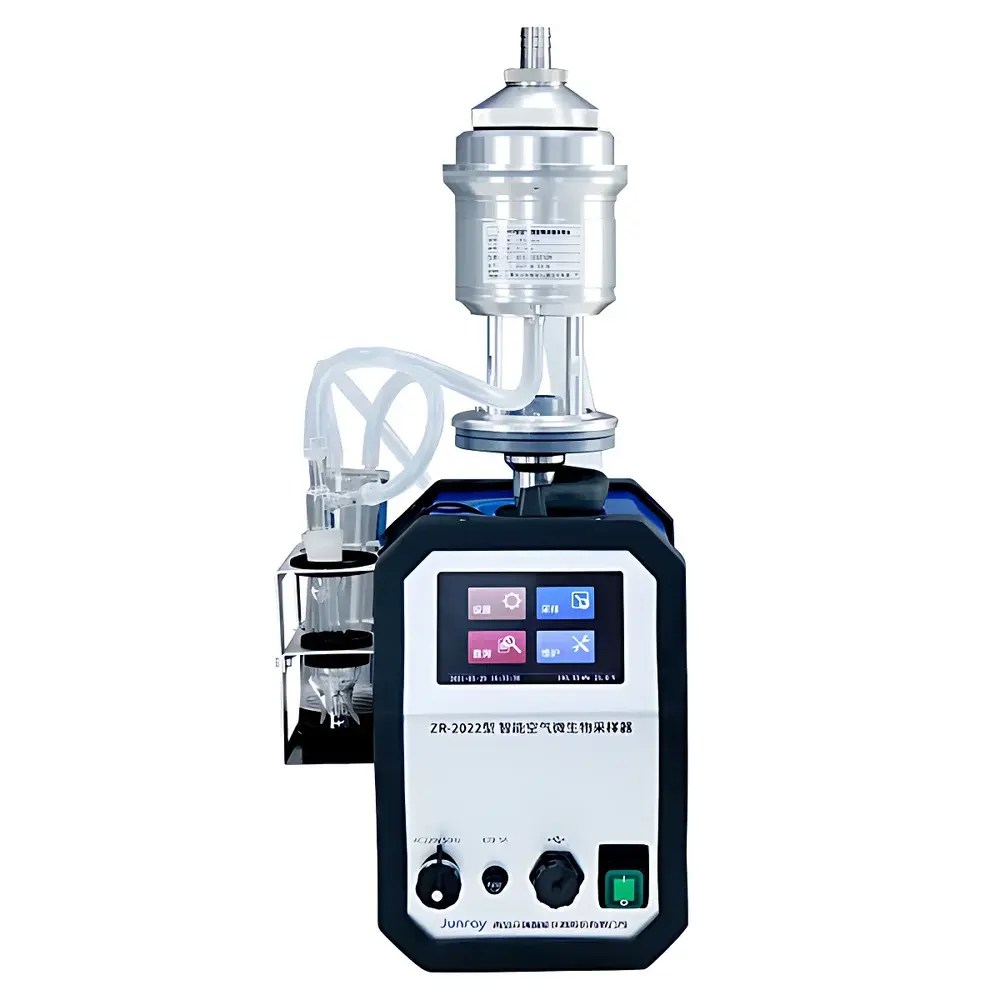
Junray ZR-2022 High-Flow Microbial Concentrating Air Sampler for Legionella pneumophila
| Brand | Junray |
|---|---|
| Origin | Shandong, China |
| Manufacturer Type | Direct Manufacturer |
| Country of Origin | China |
| Model | ZR-2022 |
| Sampling Principle | Active Impaction-Based Fractionation |
| Flow Rate Range | 200 L/min |
| Flow Measurement Accuracy | ±2.5% FS |
| Maximum Continuous Sampling Duration | >2 h |
| Operating Ambient Temperature Range | −20 °C to +45 °C |
Overview
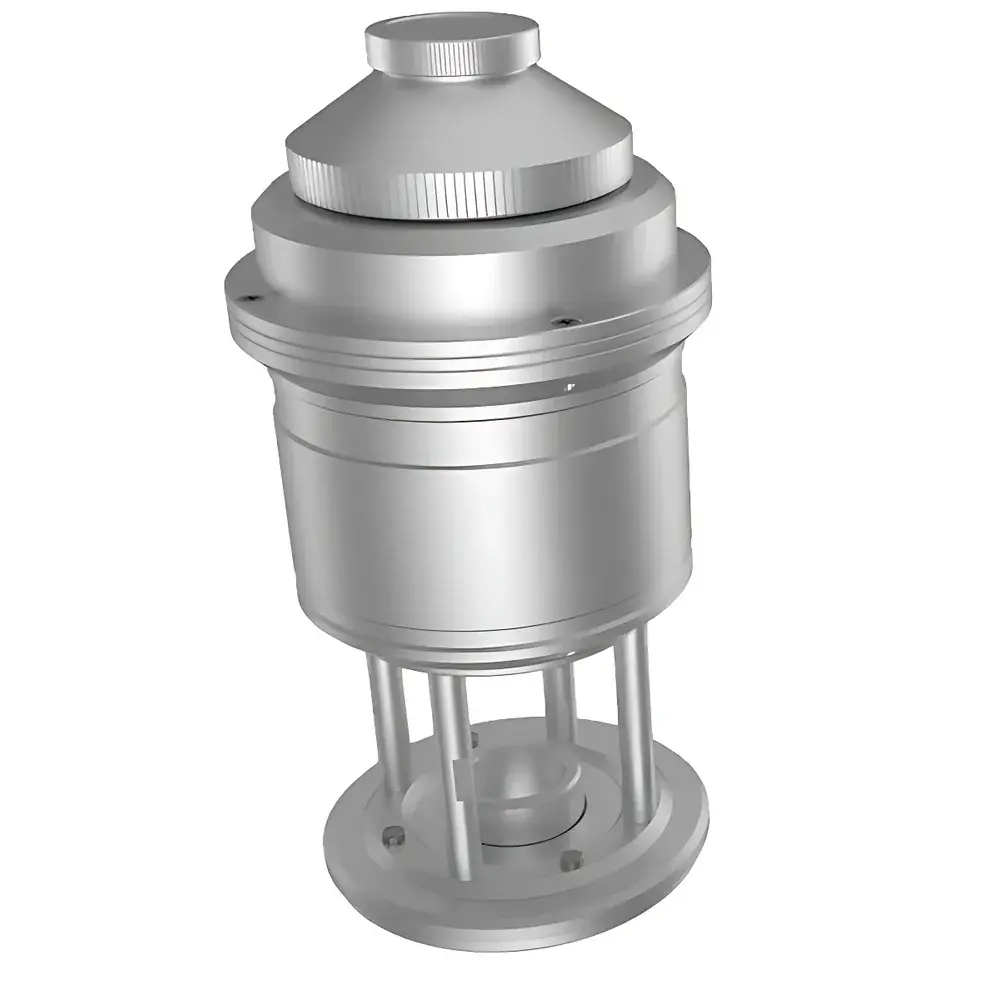
The Junray ZR-2022 High-Flow Microbial Concentrating Air Sampler is an engineered solution for the targeted collection and pre-concentration of airborne microorganisms—particularly Legionella pneumophila—from large-volume environmental air samples. It operates on a validated active impaction-based fractionation principle: ambient air is drawn at a high volumetric flow rate (200 L/min) through a multi-stage inertial impactor head designed to discriminate particulate matter by aerodynamic diameter. Particles larger than 12 µm (e.g., pollen, coarse dust) and smaller than 2 µm (e.g., ultrafine aerosols, non-viable sub-micron debris) are selectively removed from the airstream, while the biologically relevant respirable fraction—particles sized 2–12 µm—is retained and concentrated into a secondary low-flow stream (<10 L/min). This enriched aerosol is then delivered to a collection substrate (e.g., agar plate, liquid impinger, or sterile filter membrane) via a calibrated porton interface. The system is optimized for quantitative recovery of culturable and viable-but-non-culturable (VBNC) L. pneumophila, supporting compliance with ISO 11731-2:2019 and ASTM D6829–22 for environmental legionellosis risk assessment.
Key Features
- Multi-stage inertial impactor head with certified cut-points at 2 µm and 12 µm, enabling selective enrichment of respirable bioaerosols
- Dual-channel precision electronic mass flow control: independent regulation of primary intake (200 L/min) and secondary collection flow (adjustable 1–10 L/min), both traceable to NIST-calibrated sensors
- High-efficiency, low-noise AC centrifugal blower delivering sustained negative pressure (>−25 kPa) under variable load conditions
- IP54-rated enclosure with reinforced polymer housing, impact-resistant touchscreen bezel, and sealed internal electronics for field-deployable ruggedness
- 5-inch capacitive touch display with real-time graphical feedback of flow stability, elapsed time, battery status, and error diagnostics
- Integrated data logging: onboard flash memory stores ≥10,000 timestamped sampling records with flow deviation alerts and power-interruption metadata
- Automatic power-fail recovery: sampling resumes from last valid interval upon reconnection; no data loss during transient outages
- USB-C interface for encrypted data export (CSV/JSON); optional Bluetooth 5.0 module supports direct thermal printing of sampling certificates
- Portable monocoque chassis weighing <7.2 kg with ergonomic carry handle and integrated tripod mount (¼″–20 UNC)
Sample Compatibility & Compliance
The ZR-2022 interfaces seamlessly with standard microbiological collection media including TSA + BCYE agar plates, SKC BioSampler® impingers, and 25-mm polycarbonate track-etched filters. Its flow performance and particle separation profile conform to the operational requirements of ISO 14698-1:2003 (Biocontamination control) and EN 13098:2021 (Air sampling for microbial analysis). For regulatory reporting in public health and facility management contexts, the instrument supports audit-ready data files compliant with GLP documentation standards—including operator ID, location GPS coordinates (via optional external GNSS module), and calibration certificate traceability. While not FDA-cleared as a medical device, its design aligns with CDC/NIOSH recommendations for environmental surveillance of Legionella in cooling towers, HVAC systems, and potable water distribution networks.
Software & Data Management
The embedded firmware implements deterministic real-time scheduling for flow regulation and data acquisition at 1 Hz resolution. All logged parameters—including instantaneous flow rate, cumulative volume, temperature-compensated pressure drop across the impactor, and battery voltage—are time-stamped using an onboard RTC synchronized to UTC via NTP when connected to Wi-Fi (optional module). Exported datasets include MD5 checksums for integrity verification and support automated ingestion into LIMS platforms via standardized CSV schema. Audit trails record all configuration changes, user logins, and calibration events with immutable timestamps—meeting foundational expectations for 21 CFR Part 11–aligned environments where electronic records serve as primary evidence.
Applications
- Environmental monitoring of Legionella pneumophila in high-risk indoor settings: airports, convention centers, hospitals, and long-term care facilities
- Post-remediation verification following HVAC decontamination or water system hyperchlorination
- Baseline bioaerosol profiling during commissioning of cleanrooms, isolation wards, and biosafety laboratories
- Field-based epidemiological investigations linking airborne exposure to suspected community-acquired pneumonia clusters
- Validation of air disinfection technologies (e.g., UV-C, bipolar ionization) through pre- and post-treatment comparative sampling
- Research applications in aerobiology, occupational hygiene, and climate–health interaction studies requiring high-volume, size-fractionated bioaerosol capture
FAQ
What particle size range does the ZR-2022 isolate for Legionella detection?
It selectively concentrates particles with aerodynamic diameters between 2 µm and 12 µm—the empirically validated respirable fraction most likely to deposit in the alveolar region and harbor viable L. pneumophila.
Is the instrument suitable for outdoor sampling in extreme temperatures?
Yes—operational specification covers −20 °C to +45 °C ambient conditions, with thermal management ensuring consistent flow accuracy across the full range.
How is flow accuracy maintained over extended sampling periods?
Dual-stage thermal mass flow sensors with automatic zero-drift compensation and factory calibration against primary standards ensure ±2.5% full-scale accuracy throughout >2-hour continuous operation.
Can sampling data be integrated into enterprise LIMS or EHS platforms?
Yes—structured CSV exports include ISO 8601 timestamps, instrument serial number, and configurable site identifiers, enabling direct ingestion without proprietary middleware.
Does the ZR-2022 require annual recalibration?
Junray recommends biannual verification against NIST-traceable flow standards; full recalibration is advised every 24 months or after physical impact or firmware update.







