
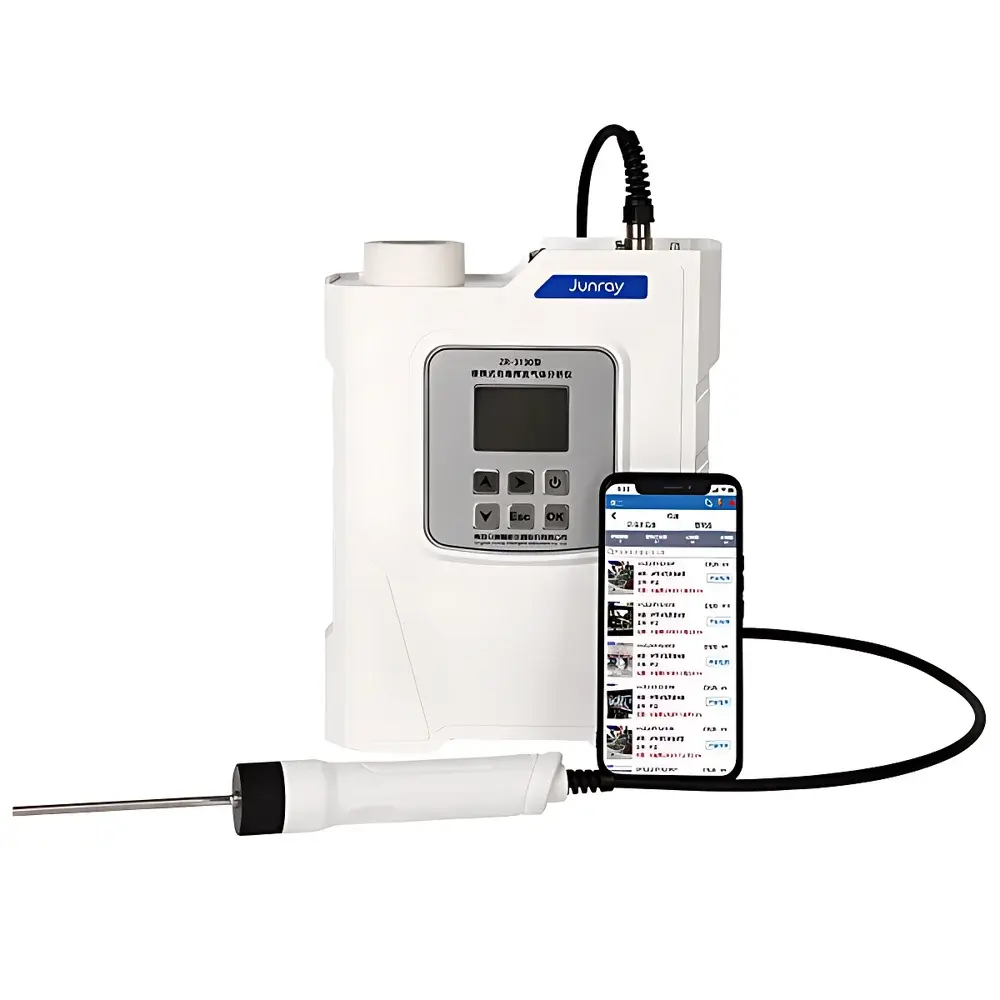
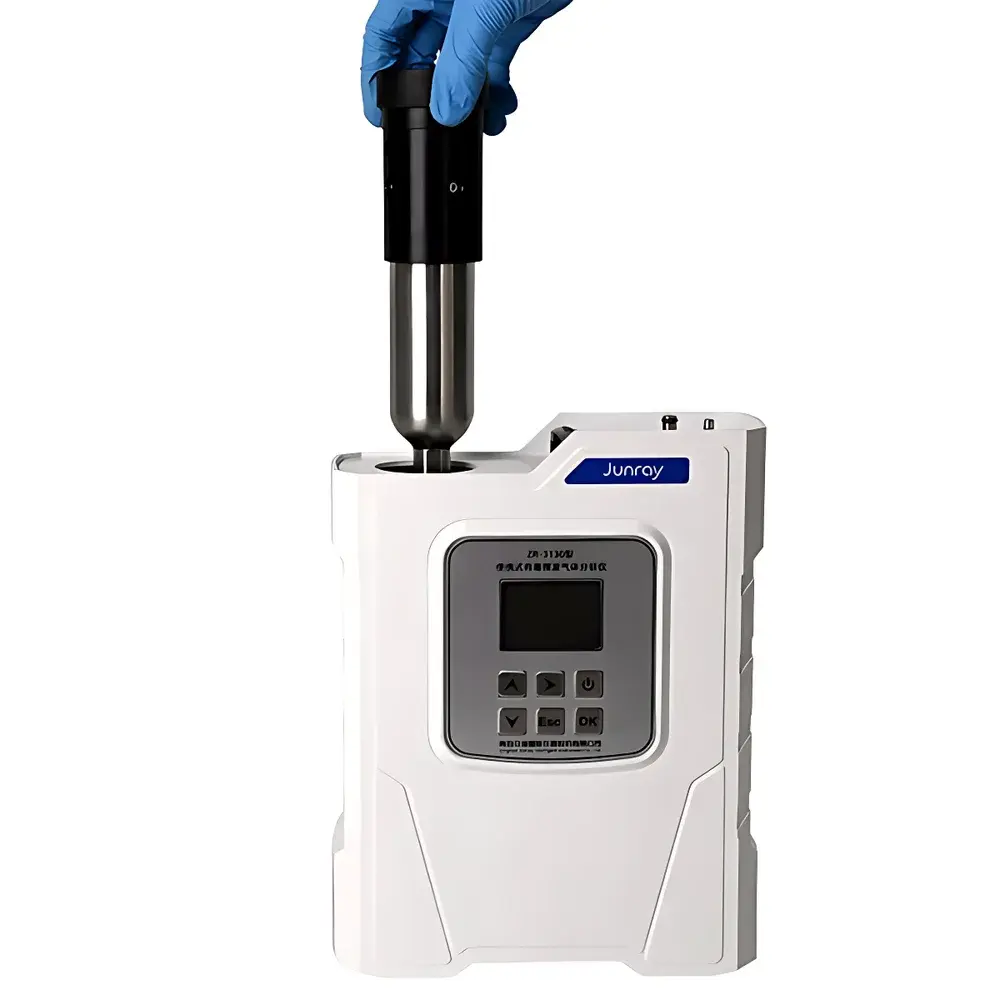
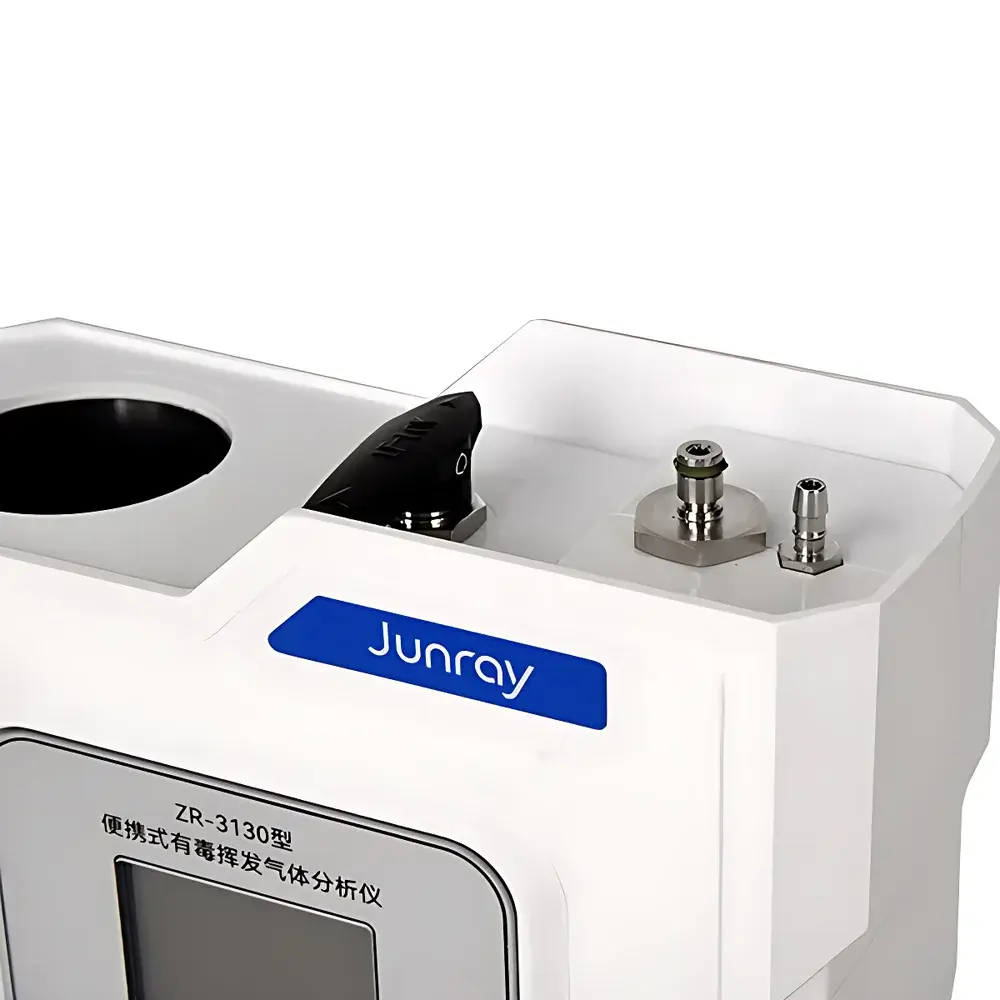
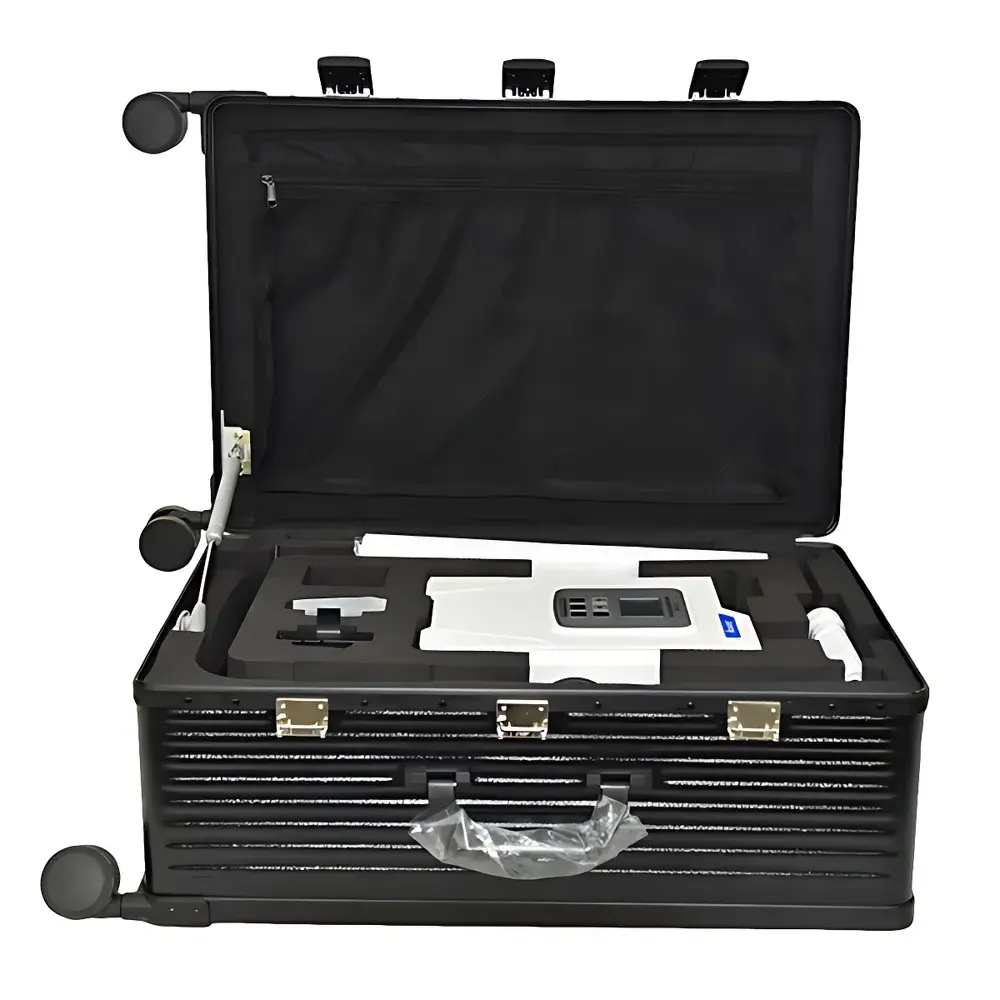
Junray ZR-3130 Portable Total Hydrocarbons Analyzer with FID Detector
| Brand | Junray |
|---|---|
| Model | ZR-3130 |
| Origin | Shandong, China |
| Manufacturer Type | Manufacturer |
| Instrument Type | Portable |
| Detection Principle | Flame Ionization Detection (FID) |
| Sampling Method | Pump-aspiration |
| Target Analytes | Volatile Organic Compounds (VOCs) and common odor-causing inorganic gases (e.g., H₂S, NH₃, SO₂) |
| Compliance Standards | HJ 1230–2021, HJ 733–2014, GB 37822–2019 |
| Safety Certification | Intrinsically Safe Design (for Class I, Division 1 hazardous locations) |
| Typical Configuration | Integrated VOC & Odorant Analyzer |
| Resolution / Accuracy / Response Time | Sample-dependent |
Overview
The Junray ZR-3130 Portable Total Hydrocarbons Analyzer is a field-deployable, intrinsically safe gas detection system engineered for quantitative measurement of total hydrocarbons (THC) and broad-spectrum volatile organic compounds (VOCs) using flame ionization detection (FID) technology. Unlike photoionization detectors (PID) or metal oxide semiconductor (MOS) sensors, the FID provides linear, compound-independent response to virtually all organic molecules containing C–H bonds — including alkanes, alkenes, aromatics, ketones, esters, and chlorinated hydrocarbons — with high sensitivity (sub-ppm detection limits) and minimal interferences from humidity or background inorganic gases. The instrument is specifically designed to meet the operational and regulatory requirements outlined in HJ 1230–2021 (Technical Guidelines for LDAR Programs in Industrial Enterprises), HJ 733–2014 (Detection Techniques for Fugitive VOC Emissions), and GB 37822–2019 (Control Standard for Unorganized VOC Emissions). Its compact, ruggedized chassis and integrated pump-aspiration sampling module enable rapid deployment across refinery perimeters, chemical process units, storage tank farms, and wastewater treatment facilities — supporting both routine LDAR (Leak Detection and Repair) surveys and emergency response scenarios.
Key Features
- Intrinsically safe (IS) certified architecture compliant with IEC 60079-0/11 and GB 3836.1/4 standards, enabling safe operation in Class I, Division 1 hazardous areas without external barriers.
- High-stability hydrogen-air FID with temperature-controlled combustion chamber and low-drift electrometer amplifier, delivering <±2% RSD repeatability over 8-hour continuous operation.
- Integrated dual-stage particulate/moisture filter and heated sample line (up to 120 °C) to prevent condensation and adsorption losses during sampling of humid or particulate-laden process streams.
- Real-time data logging with onboard memory (≥10,000 records) and timestamped GPS tagging for audit-ready LDAR reporting per HJ 1230–2021 Annex B requirements.
- Backlit, glove-compatible touchscreen interface with multilingual UI (English, Chinese, Spanish), intuitive workflow-guided operation, and on-device pass/fail evaluation against user-defined action levels.
- Modular battery system supporting >6 hours of continuous operation (Li-ion, 14.4 V/8.8 Ah) and hot-swappable design for uninterrupted field surveys.
Sample Compatibility & Compliance
The ZR-3130 is validated for direct analysis of ambient air, stack effluents, and fugitive emissions containing C1–C12 hydrocarbons and select inorganic odorants (e.g., H₂S, NH₃, SO₂) when used with optional catalytic converter or sulfur-resistant FID configuration. It meets the analytical performance criteria specified in HJ 1230–2021 for instrument calibration, field blank verification, and leak quantification uncertainty (<30% relative error at 100 ppm methane equivalent). All firmware and calibration protocols adhere to GLP principles, with full traceability to NIST-traceable methane standards. The device supports compliance with ISO 17025-accredited laboratory practices when deployed as part of an enterprise-wide LDAR program, and its data export format (CSV/Excel) aligns with EPA Method 21 and EU Directive 2010/75/EU reporting templates.
Software & Data Management
Junray’s proprietary LDAR Manager™ software (v3.2+) enables secure cloud synchronization, automated report generation (PDF/HTML), and GIS-integrated leak mapping. Raw FID signal data, calibration logs, operator ID, environmental parameters (T, P, RH), and geotagged location stamps are stored with SHA-256 hashing for integrity verification. Audit trails comply with FDA 21 CFR Part 11 requirements for electronic records and signatures, including role-based access control, electronic signature capture, and immutable log archiving. Data exports support integration with third-party EHS platforms (e.g., Intelex, Sphera, ETQ Reliance) via RESTful API.
Applications
- LDAR program execution per HJ 1230–2021: valve packing, flange joints, pump seals, pressure relief devices, and open-ended lines.
- Refinery and petrochemical facility fence-line monitoring for THC and VOC hotspot identification.
- Emergency response to hydrocarbon releases (e.g., pipeline ruptures, tank overfills) with real-time concentration trending and plume modeling inputs.
- Verification of abatement system efficiency (e.g., thermal oxidizers, carbon adsorbers) through inlet/outlet differential measurements.
- Odor investigation support in community complaint scenarios, leveraging dual-response capability for VOC + key inorganic odorants.
FAQ
Does the ZR-3130 require external hydrogen gas cylinders?
No — it integrates a solid-state hydrogen generator (electrolytic PEM cell) producing ultra-high-purity H₂ on demand, eliminating cylinder logistics and safety hazards.
Can the instrument be calibrated in the field without lab support?
Yes — it supports two-point field calibration using certified span gases (e.g., 100 ppm and 1000 ppm CH₄ in air) and auto-zero with synthetic zero air; calibration certificates include uncertainty budgets per ISO/IEC 17025.
Is the FID sensitive to halogenated compounds like chloroform or TCE?
Standard FID exhibits reduced response for highly halogenated VOCs; optional halogen-resistant FID nozzle and optimized flame stoichiometry are available upon request to improve recovery (>90% for CCl₄, CHCl₃).
How does the ZR-3130 handle high-humidity samples?
The heated sample path (120 °C) and Nafion®-based moisture removal stage maintain FID stability up to 95% RH without signal suppression or baseline drift.
What documentation is provided for regulatory audits?
Each unit ships with Factory Calibration Certificate (NIST-traceable), Intrinsically Safe Certification Report (CNEx), HJ 1230–2021 Conformance Statement, and full electronic audit trail export capability.







