
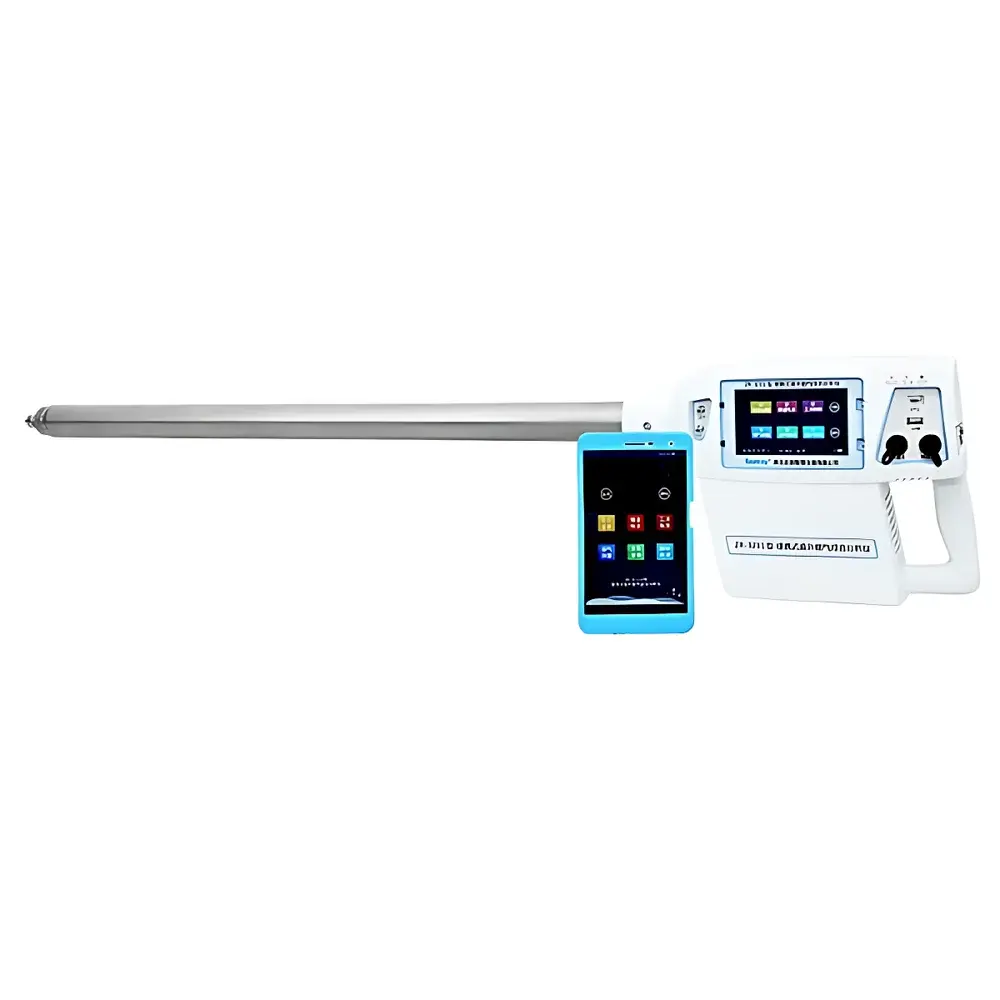
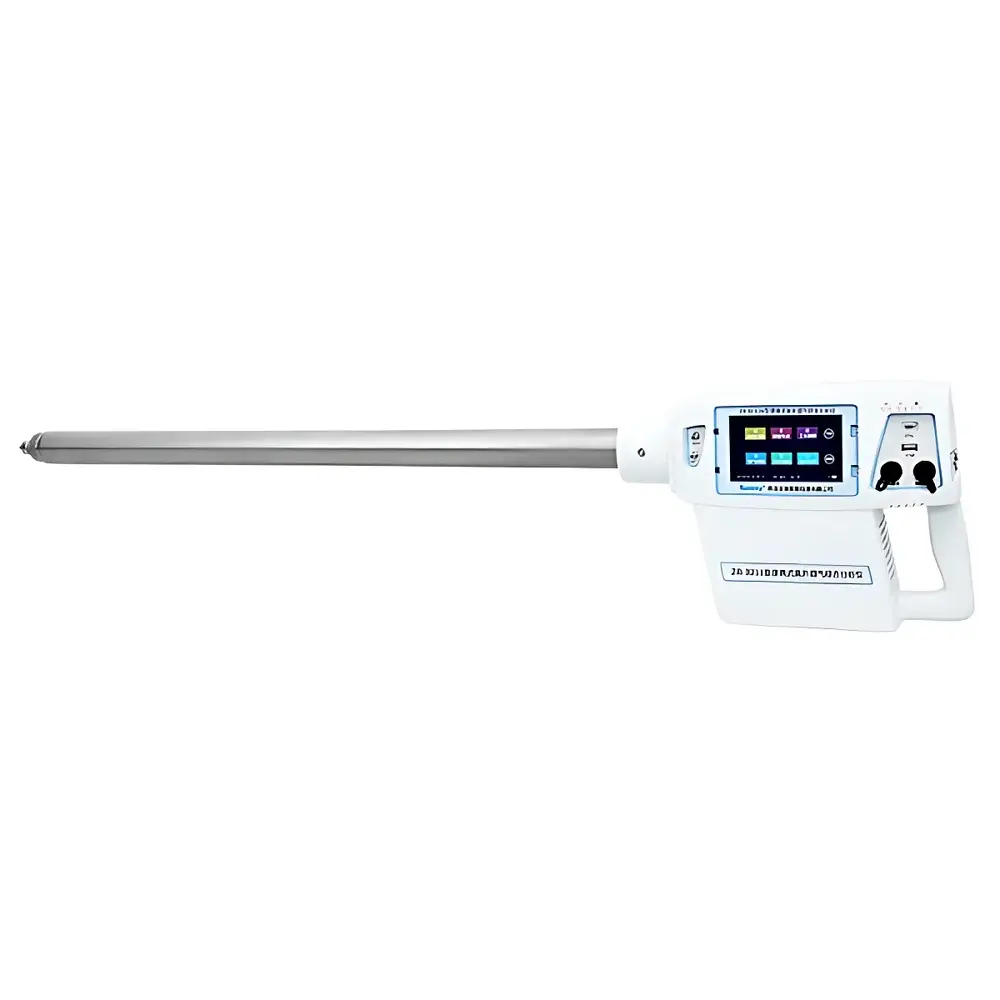
Junray ZR-3211H Portable UV Differential Optical Absorption Spectroscopy (DOAS) Flue Gas Analyzer for SO₂, NOₓ, and NH₃ Monitoring
| Brand | Junray |
|---|---|
| Origin | Shandong, China |
| Manufacturer Type | Direct Manufacturer |
| Product Category | Domestic |
| Model | ZR-3211H |
| Instrument Type | Portable Flue Gas Analyzer |
| Measurement Accuracy | ±5% FS |
| Repeatability | ≤2.0% |
| Response Time | ≤90 s |
| Drift | <5% over 1 hour |
| Measured Gases | O₂, SO₂, NO, NO₂, NH₃, CO, H₂S, CO₂ |
Overview
The Junray ZR-3211H is a field-deployable, thermally conditioned UV differential optical absorption spectroscopy (UV-DOAS) flue gas analyzer engineered for regulatory-compliant measurement of sulfur dioxide (SO₂), nitrogen oxides (NO, NO₂), ammonia (NH₃), and auxiliary gases—including O₂, CO, CO₂, and H₂S—in hot, humid exhaust streams from stationary emission sources. Unlike traditional cold-dry extractive systems, the ZR-3211H employs a true hot-wet measurement architecture: the optical gas cell and sampling path remain heated throughout operation (typically ≥180 °C), eliminating condensation-induced analyte loss—particularly critical for water-soluble species such as SO₂ and NH₃ in low-concentration, high-moisture flue gas (e.g., from wet FGD scrubbers or biomass boilers). Its core UV-DOAS engine operates across the 190–420 nm spectral range, resolving overlapping absorption features via high-resolution spectral deconvolution, enabling simultaneous multi-component quantification without cross-interference from H₂O vapor or particulate scattering. The system fully complies with HJ 1131–2020 (SO₂), HJ 1132–2020 (NOₓ), and HJ 1045–2019 (performance requirements for portable UV-DOAS instruments), supporting direct traceability to national metrological standards per JJG 968–2002 and JF 1362–2012.
Key Features
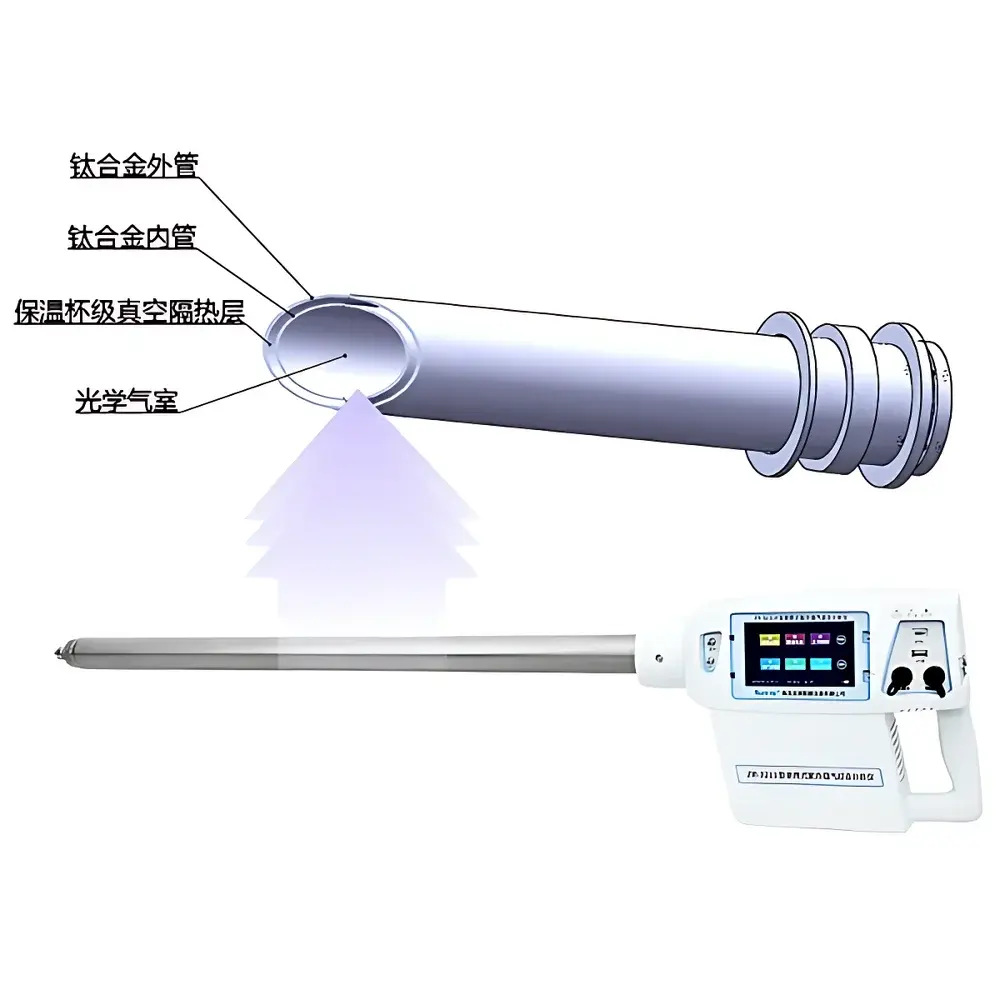
- Hot-wet UV-DOAS optical module: Heated gas cell and optical path maintain sample integrity at temperatures up to 180 °C, preventing aqueous-phase analyte loss during transit.
- Integrated sampling probe and analyzer chassis: Titanium alloy vacuum-insulated sampling tube minimizes thermal bridging; combined design reduces field setup time and improves mechanical robustness.
- Dual-path moisture management: Built-in Peltier-cooled condensate trap protects electrochemical sensors (O₂, CO, H₂S), while UV optical path remains unobstructed by liquid water.
- Real-time parametric compensation: Integrated pitot tube, thermocouple (0–600 °C), and capacitive-resistive humidity sensor enable automatic calculation of dry-basis concentration, volumetric flow rate, excess air ratio, and mass emission rate per HJ/T 397–2007.
- Onboard data handling: Bluetooth-enabled thermal printer support; USB mass storage export (CSV/Excel-compatible); real-time display of standardized concentration (e.g., 6% O₂ reference), emission rate (kg/h), and uncertainty indicators.
- Autonomous operation: Internal rechargeable Li-ion battery supports ≥3 hours continuous measurement; automated post-analysis purge cycle prevents residual gas accumulation in optical cell.
Sample Compatibility & Compliance
The ZR-3211H is validated for use across diverse stationary source exhaust conditions: coal-fired power plants (post-SCR, post-FGD), municipal waste incinerators, cement kilns, and chemical process heaters. It meets the stringent physical and metrological criteria defined in HJ 1045–2019, including linearity (R² ≥ 0.999), zero drift (<2% FS/24 h), span drift (<3% FS/24 h), and interference rejection (e.g., <±1% SO₂ reading in presence of 10% vol H₂O, 500 ppm CO₂, and 200 ppm CH₄). Its measurement methodology aligns with GB/T 37186–2018 (gas analysis—SO₂ and NOₓ determination by UV-DOAS) and supports GLP-aligned audit trails when paired with Junray’s optional secure data logging firmware (21 CFR Part 11–compliant timestamping and user authentication).
Software & Data Management
The embedded Linux-based operating system delivers an intuitive touchscreen interface with multilingual support (English, Chinese, Spanish). Firmware includes ISO/IEC 17025–informed calibration management: all calibrations are digitally signed, time-stamped, and linked to certified reference gas certificates (NIST-traceable or CNAS-accredited). Raw spectral data (absorbance vs. wavelength) and processed concentration time-series are stored with full metadata (temperature, pressure, flow, humidity, operator ID). Export formats include CSV (for Excel or MATLAB import), PDF reports (with digital signature and compliance header), and XML (compatible with China’s National Emission Permit Management Platform and EU IED reporting gateways). Optional cloud synchronization enables remote fleet monitoring and QA/QC trend analysis.
Applications
- Regulatory stack testing: Routine compliance verification under HJ 1131–2020 and HJ 1132–2020 for SO₂ and NOₓ emissions from coal, oil, gas, and biomass combustion units.
- CEMS validation and dynamic calibration: Field assessment of continuous emission monitoring systems (CEMS) per HJ/T 76–2017, including bias testing and response time verification.
- Process optimization: Real-time NH₃ slip monitoring in SCR/SNCR denitrification systems; CO and O₂ co-monitoring for combustion efficiency analysis.
- Source apportionment studies: Multi-point, time-resolved profiling of SO₂/NOₓ ratios to distinguish coal vs. oil combustion signatures.
- Emergency response: Rapid deployment for fugitive emission surveys following equipment failure or accidental releases.
FAQ
Does the ZR-3211H require zero/span calibration before each use?
Field zeroing (using purified N₂) is recommended prior to critical measurements; span calibration with certified standard gases is required per HJ/T 397–2007 at least once per sampling campaign or after sensor replacement.
Can it measure SO₂ at sub-10 ppm levels in saturated flue gas?
Yes—the hot-wet UV-DOAS configuration maintains detection limits of ≤2 ppm SO₂ (3σ) even at >15% vol H₂O, verified per HJ 1045–2019 Annex B.
Is the instrument suitable for outdoor use in sub-zero ambient temperatures?
The unit operates from –10 °C to 50 °C; battery performance is maintained down to –5 °C, and heated sampling components ensure stable internal temperature regardless of ambient conditions.
How is data integrity ensured during Bluetooth transmission?
All wireless transfers use AES-128 encryption; transmitted files retain original hash signatures and cannot be modified without invalidating the digital certificate.
Does the system support third-party data integration (e.g., SCADA or LIMS)?
Yes—RS-232, RS-485, and Modbus RTU protocols are supported; JSON API access is available via optional Ethernet/WiFi module for enterprise-level system integration.







