
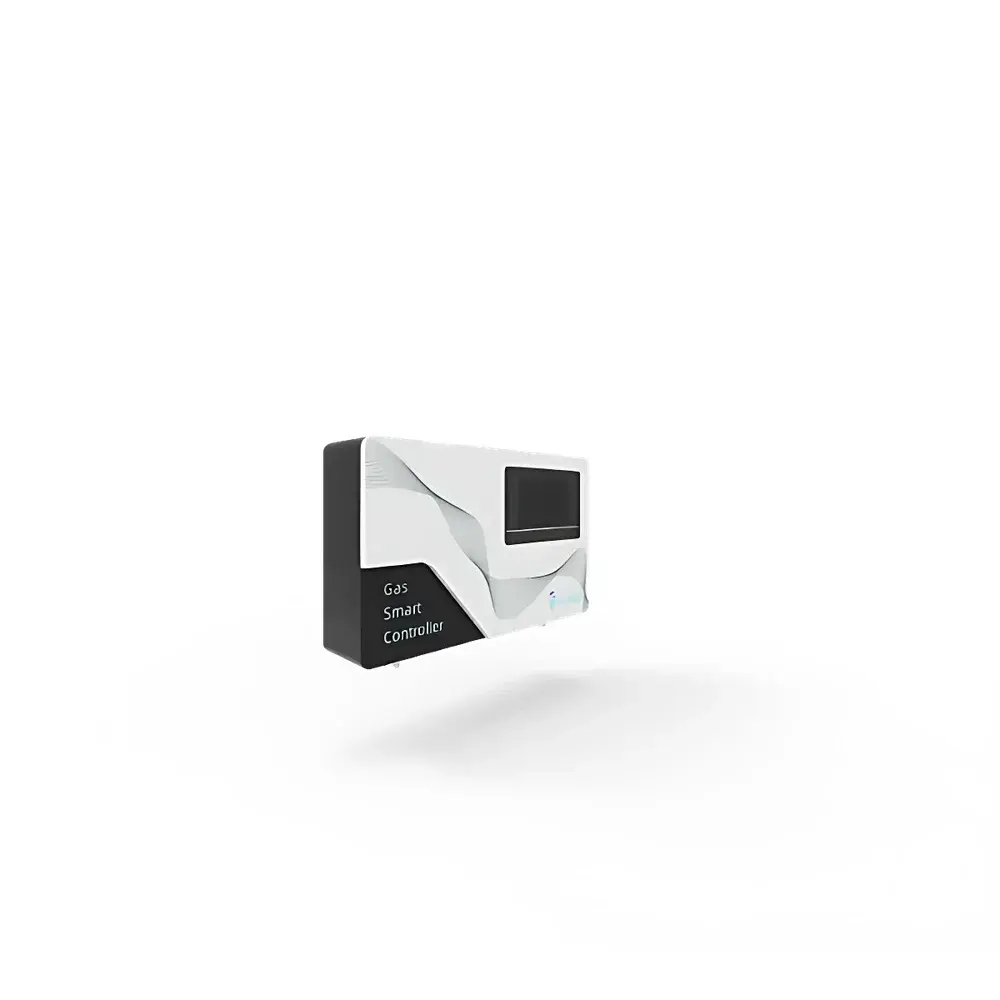
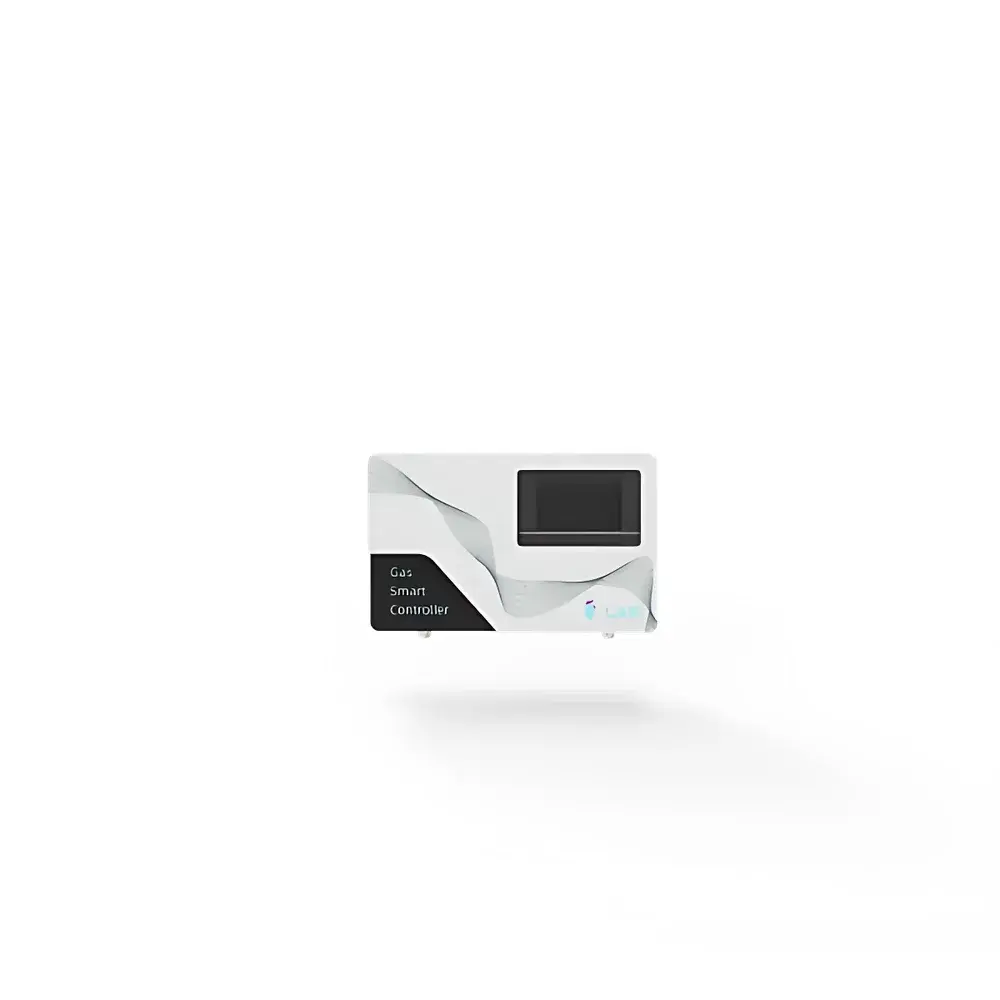
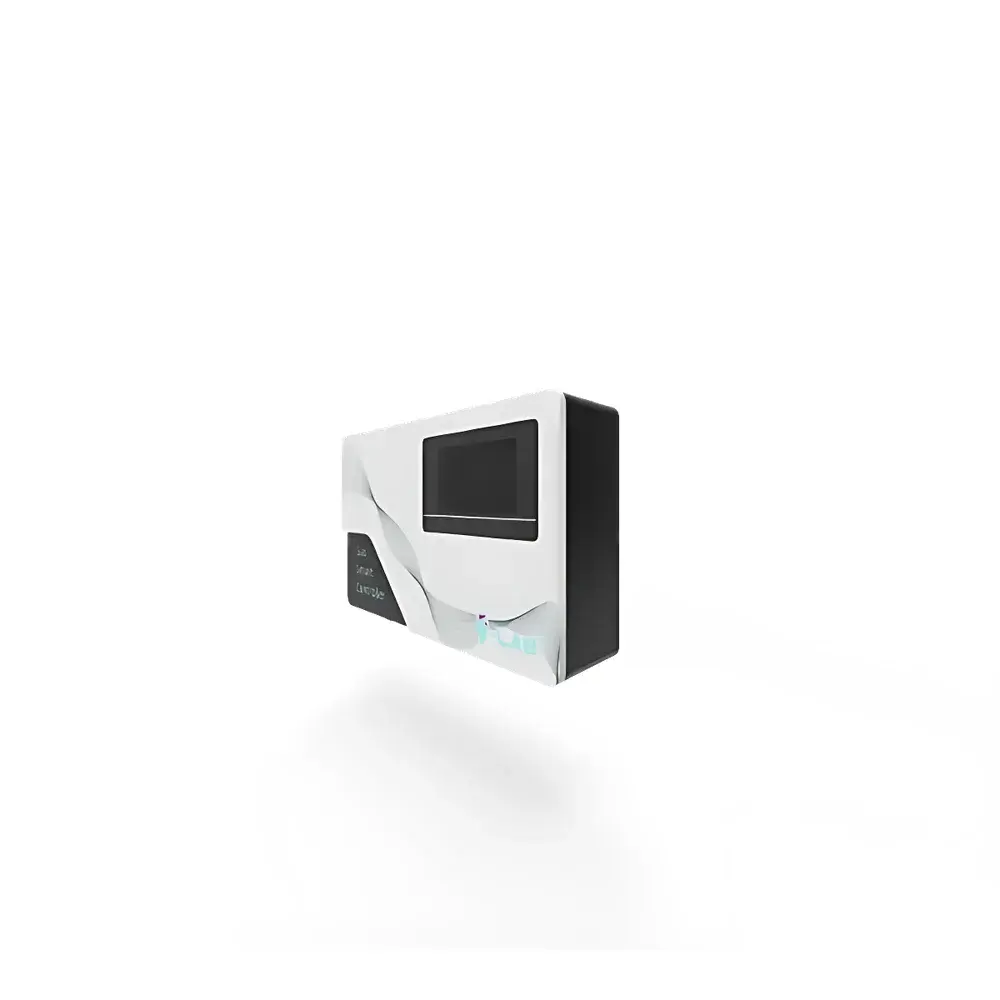
Kailai i-Lab Smart Gas Management System
| Brand | Kailai i-Lab |
|---|---|
| Origin | Shanghai, China |
| Manufacturer Type | Direct Manufacturer |
| Regional Category | Domestic (China) |
| Model | Smart Gas Management System |
| Pricing | Upon Request |
Overview
The Kailai i-Lab Smart Gas Management System is an integrated, IoT-enabled gas pipeline safety control platform engineered for continuous, real-time monitoring and intelligent intervention in laboratory, research institute, and industrial gas supply infrastructure. Unlike conventional pressure regulators or standalone alarms, this system operates on a closed-loop architecture grounded in sensor fusion—combining piezoresistive pressure transducers, capacitive liquid-detection probes, and embedded microcontroller logic—to deliver deterministic response to critical gas delivery anomalies. It is designed to interface natively with on-site nitrogen, hydrogen, oxygen, and zero-air generators, supporting both centralized manifold distribution and point-of-use gas lines. Its primary engineering objective is to mitigate three failure modes common in gas-dependent workflows: overpressure-induced component fatigue, underpressure-driven process interruption, and liquid ingress-induced instrument contamination or catalytic poisoning—thereby ensuring experimental integrity, equipment longevity, and personnel safety in GLP- and GMP-aligned environments.
Key Features
- Multi-Threshold Pressure Monitoring: Dual-range pressure sensing (0–1.6 MPa and 0–10 MPa configurable) with ±0.5% FS accuracy enables independent high-pressure and low-pressure alarm triggering, each with user-defined setpoints and hysteresis to prevent chatter.
- Capacitive Liquid Intrusion Detection: A non-invasive, corrosion-resistant capacitive sensor array detects dielectric changes corresponding to water droplets or condensate presence within stainless-steel gas tubing (ID ≥ 6 mm), with detection sensitivity down to 5 µL volume equivalent.
- Fail-Safe Automatic Shut-off: Upon confirmed liquid detection or sustained pressure deviation beyond preset thresholds, the system actuates a pneumatically assisted solenoid valve (ISO 5211-compliant) with <1.2 s full-closure time and mechanical lockout to prevent unintended reactivation.
- Local Human-Machine Interface: A 4.3-inch resistive TFT LCD (480 × 272 pixels) displays real-time pressure trends, event logs, sensor health status, and alarm history; supports multi-language UI (English, Chinese, German) via firmware update.
- Industrial IoT Connectivity: Equipped with dual-mode wireless communication—Wi-Fi 802.11 b/g/n (2.4 GHz) and optional LTE Cat-M1—enabling secure TLS 1.2 encrypted data transmission to Kailai’s cloud platform or customer-hosted MQTT broker.
- Redundant Power Architecture: Operates on 24 VDC input with internal supercapacitor backup (≥90 s hold-up time), ensuring uninterrupted operation during brief mains outages and preserving alarm state integrity.
Sample Compatibility & Compliance
The system is compatible with inert, reactive, and flammable gases commonly used in analytical instrumentation—including but not limited to N₂, H₂, He, Ar, O₂, synthetic air, and CO₂—provided gas purity meets ISO 8573-1 Class 2:2:2 or better and dew point remains below −40 °C. All wetted components (valve body, sensor housing, tubing fittings) are constructed from 316L stainless steel and EPDM-sealed per ASTM F2331. The device complies with IEC 61000-6-2 (EMC immunity) and IEC 61000-6-4 (EMC emission) standards, carries CE marking under the EU Machinery Directive 2006/42/EC, and meets RoHS 3 and REACH SVHC requirements. For regulated laboratories, audit-ready event logs—including timestamped alarm triggers, valve actuation records, and sensor calibration history—are retained locally for ≥30 days and exportable in CSV/JSON format to support FDA 21 CFR Part 11 compliance when deployed with validated cloud services.
Software & Data Management
The i-Lab Cloud Platform provides role-based web and mobile access (iOS/Android) to live dashboards, historical pressure trend charts (1-second sampling, 90-day retention), and customizable notification rules (SMS/email/push). All data transmissions use AES-256 encryption at rest and in transit. The platform supports integration via RESTful API for synchronization with LIMS (e.g., LabVantage, Thermo SampleManager) and CMMS systems. Firmware updates are delivered over-the-air (OTA) with SHA-256 signature verification and rollback capability. Local SD card logging (optional) enables offline data capture compliant with ISO/IEC 17025 Clause 7.7 on result reporting traceability.
Applications
- Continuous safeguarding of GC, GC-MS, and ICP-MS carrier and auxiliary gas lines against moisture-induced column degradation or detector quenching.
- Prevention of hydrogen generator overpressure events in fuel cell R&D labs where catalyst exposure to >1.2 MPa H₂ poses explosion risk.
- Ensuring uninterrupted nitrogen blanket integrity in pharmaceutical lyophilization suites operating under cGMP Annex 1 environmental controls.
- Remote oversight of multi-site gas infrastructure in contract research organizations (CROs), enabling centralized incident triage without physical site visits.
- Supporting ISO 14001-certified facilities by reducing gas waste through early low-pressure detection and automated demand-response coordination with generator PLCs.
FAQ
Does the system support Modbus RTU or Profibus DP for integration into existing SCADA networks?
Yes—optional RS-485 interface module (i-Lab COM-485) enables Modbus RTU master/slave operation with configurable baud rates (9.6–115.2 kbps) and register mapping aligned with IEC 61850-7-420.
Can alarm thresholds be adjusted remotely via the cloud platform?
Absolutely—authorized users with “Engineer” role permissions may modify all alarm setpoints, delay timers, and notification channels directly through the web dashboard without requiring local physical access.
Is calibration documentation provided for pressure and liquid sensors?
Each unit ships with a factory calibration certificate traceable to NIM (National Institute of Metrology, China), including as-found/as-left data, uncertainty budgets, and ISO/IEC 17025 accreditation statement.
What is the recommended maintenance interval for the solenoid valve and sensor modules?
Valve functional testing is advised every 6 months; full sensor recalibration is recommended annually or after 10,000 actuation cycles—whichever occurs first—as documented in the Maintenance Logbook included with the system.



