
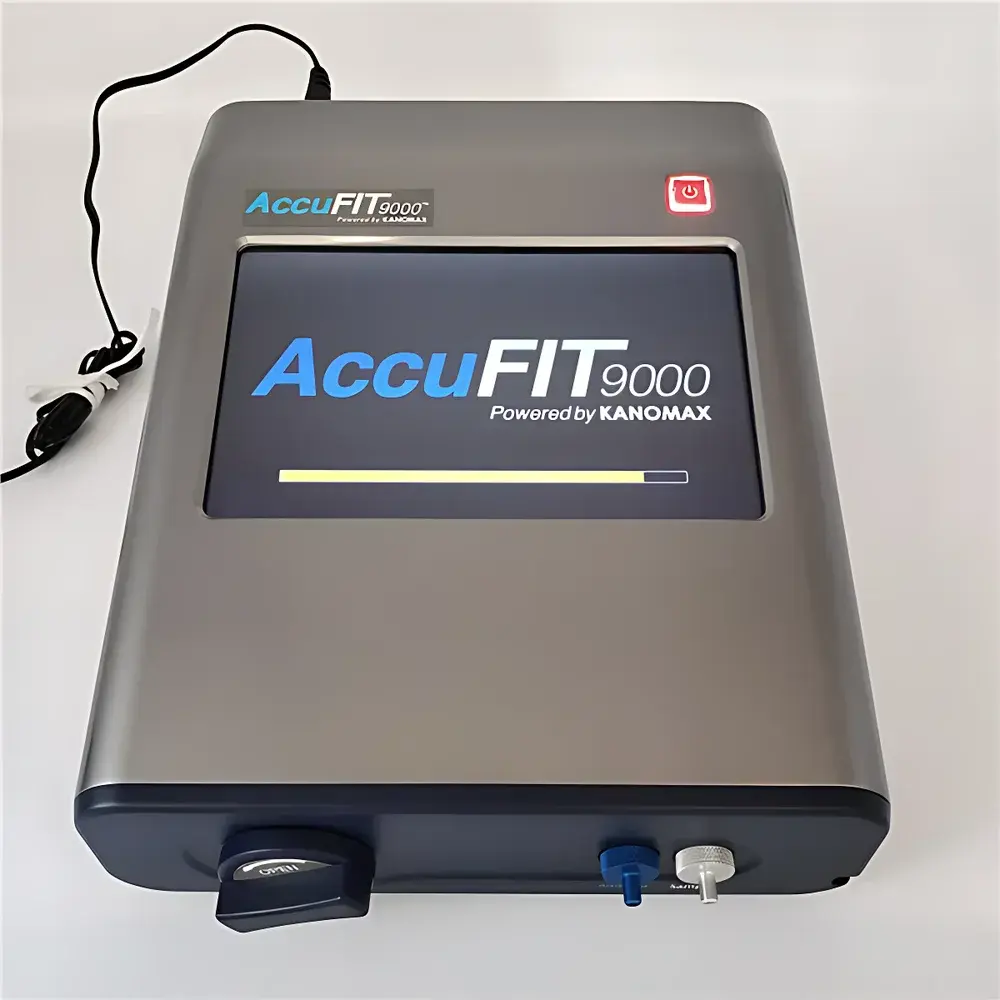
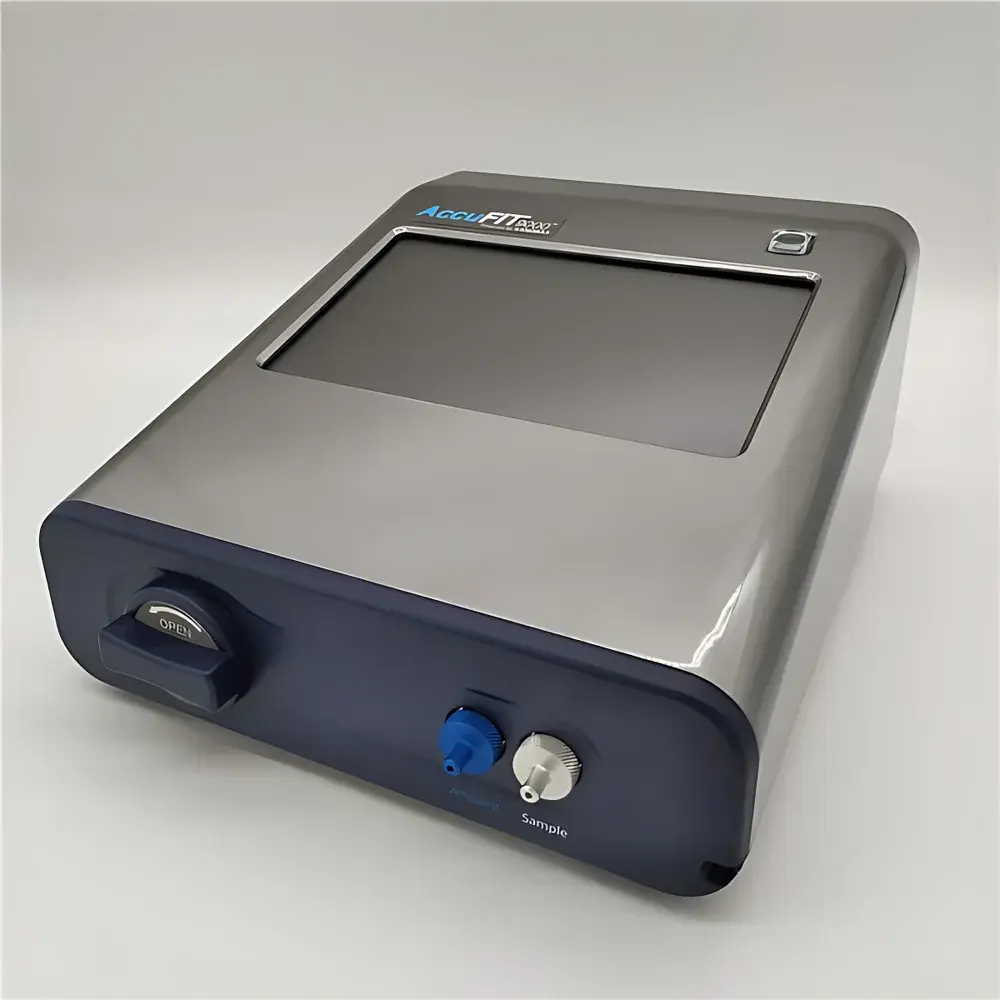
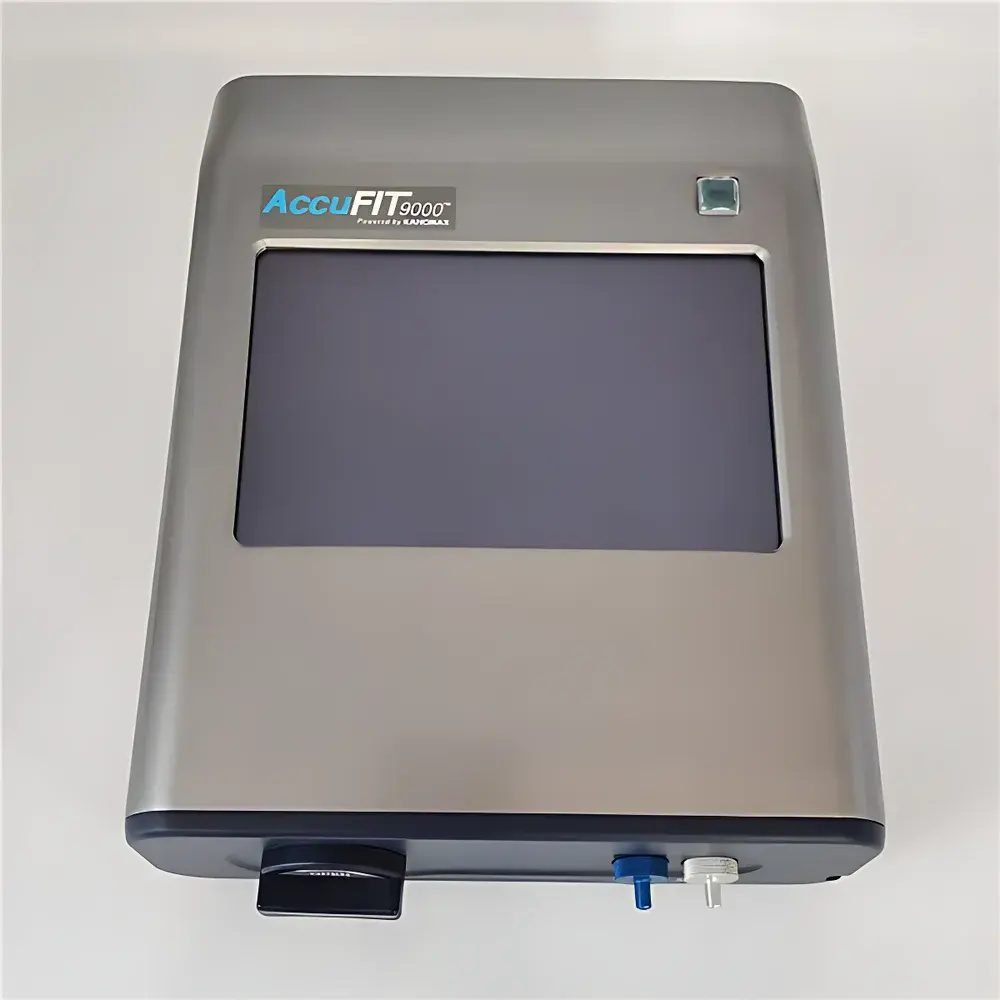
KANOMAX Model 3000-0C Quantitative Fit Tester for Respiratory Protective Devices
| Brand | KANOMAX |
|---|---|
| Origin | Japan |
| Model | 3000-0C |
| Instrument Type | Aerosol-Based Quantitative Fit Tester |
| Particle Detection Method | Condensation Particle Counter (CPC) |
| Size Range | 0.02–1.0 µm |
| Sampling Flow Rate | 100 cm³/min |
| Total Flow Rate | 700 cm³/min |
| Concentration Range | 0–100,000 particles/cm³ |
| Fit Factor Calculation | Direct Cout/Cin Ratio |
| Challenge Agent | ≥99.5% purity isopropanol or ethanol |
| Display | 7-inch full-color touchscreen |
| Languages | English, Japanese, Chinese, French, Spanish, Portuguese |
| Compliance Standards | OSHA 1910.134, CSA Z94.4, ANSI/AIHA Z88.1, HSE INDG479, GB 2626–2019, GB 19083–2010, GB/T 32610–2016 |
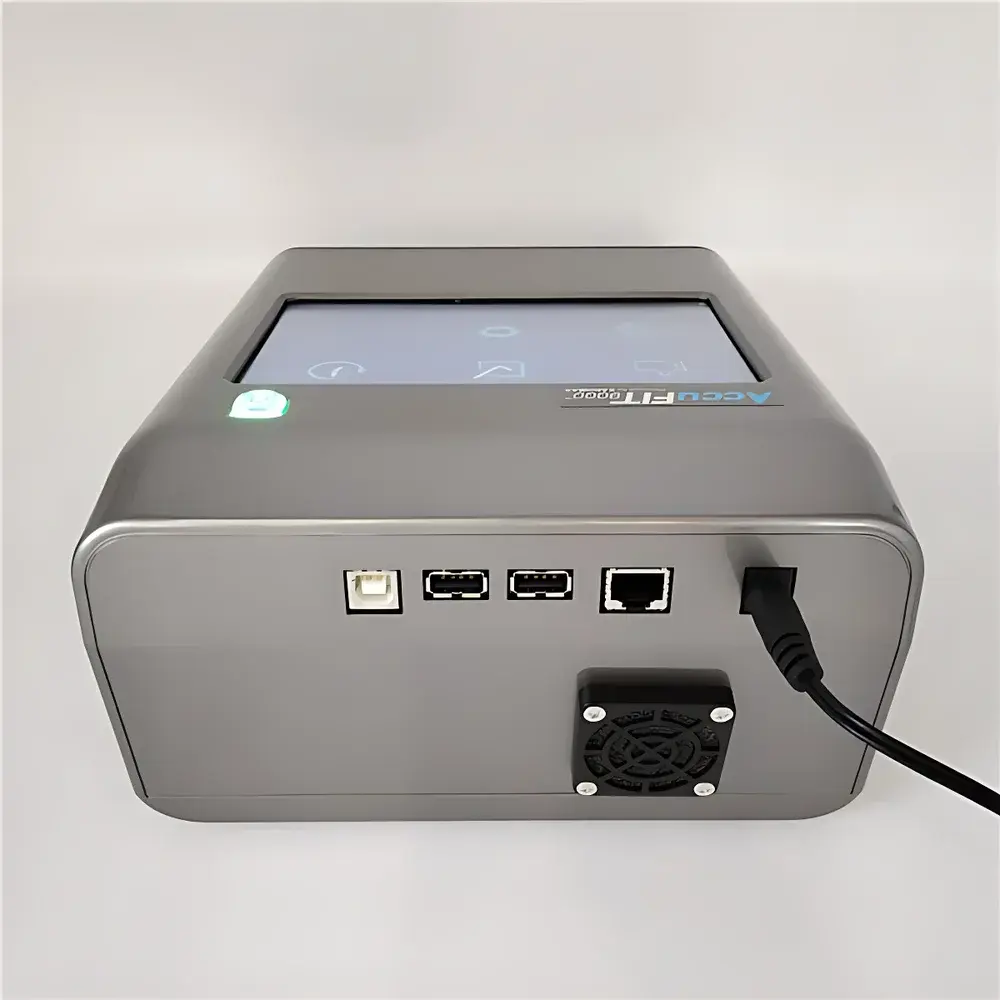
| Data Interface | USB, Ethernet, Wi-Fi |
| Software Compatibility | Windows 7/8/10, .NET Framework 3.5 |
| Report Output | Microsoft Excel format |
| Operating Environment | 10–35 °C, 20–85% RH (non-condensing) |
| Storage Conditions | −20–50 °C, 0–85% RH (non-condensing) |
| Power Supply | AC 110–240 V, 50/60 Hz |
| Dimensions | 208 × 117 × 262 mm (W×H×D) |
| Weight | 2.3 kg |
| Accessories Included | Isopropanol reagent kit, sealing cap, reagent rod, zero-count filter, mesh filter, sampling tube, user manual, AC adapter, stylus, USB cable, Ethernet cable, software DVD, USB flash drive |
Overview
The KANOMAX Model 3000-0C is a portable, aerosol-based quantitative fit tester engineered for precision assessment of respirator facepiece seal integrity in occupational health and clinical safety applications. It operates on the condensation particle counter (CPC) principle—nebulizing a defined challenge agent (≥99.5% isopropanol or ethanol) into ultrafine droplets (0.02–1.0 µm), which are then detected in real time both outside (ambient) and inside (intranasal or intramask) the respirator. The instrument calculates the quantitative fit factor (FF) as the ratio of ambient particle concentration (Cout) to in-mask concentration (Cin), providing an objective, numerical metric of leakage performance. Unlike qualitative methods relying on bitter-tasting aerosols (e.g., saccharin or Bitrex®), the 3000-0C eliminates sensory bias, operator subjectivity, and procedural variability—ensuring high reproducibility across test operators and environments. Its design conforms to international regulatory frameworks governing respiratory protection validation, including OSHA 1910.134 Appendix A, CSA Z94.4, ANSI/AIHA Z88.1, UK HSE INDG479, and key Chinese national standards: GB 2626–2019 (for particulate-filtering half/full-face respirators), GB 19083–2010 (for medical protective masks), and GB/T 32610–2016 (daily protective masks).
Key Features
- Condensation Particle Counter (CPC)-based detection with verified sensitivity down to 0.02 µm particles, enabling reliable quantification of sub-100 nm leakage pathways common in elastomeric and surgical mask interfaces.
- Integrated dual-path sampling architecture: independent left-side ambient intake and right-side internal respirator probe connection, minimizing cross-contamination and flow interference during simultaneous Cout/Cin measurement.
- 7-inch full-color resistive touchscreen with six-language UI support (English, Japanese, Chinese, French, Spanish, Portuguese), optimized for glove-compatible operation in clinical and industrial settings.
- Modular reagent delivery system using standardized isopropanol or ethanol (>99.5% purity), eliminating hazardous or regulated challenge agents and supporting GLP-aligned documentation.
- Multi-interface connectivity: native USB host/device, 10/100 Mbps Ethernet, and IEEE 802.11 b/g/n Wi-Fi—enabling remote monitoring, firmware updates, and synchronized multi-unit deployment.
- Compact form factor (208 × 117 × 262 mm) and lightweight construction (2.3 kg) facilitate field use in hospitals, manufacturing QA labs, fire departments, and third-party certification bodies.
Sample Compatibility & Compliance
The 3000-0C supports quantitative fit testing across the full spectrum of respiratory protective equipment, including N95, KN95, FFP2, P2, P3, and N100 filtering facepieces; reusable elastomeric half- and full-face respirators; powered air-purifying respirators (PAPRs); self-contained breathing apparatus (SCBA); and chemical cartridge respirators. Its protocol library embeds preconfigured test sequences aligned with OSHA, CSA, ANSI/AIHA, and HSE requirements—including pass/fail thresholds, exercise batteries (e.g., normal breathing, deep breathing, head side-to-side, head up-and-down, talking, bending over), and mandatory calibration verification steps. All test data comply with audit-ready traceability: timestamps, operator ID, environmental conditions (temperature/humidity logged internally), and raw CPC count logs are embedded in each Excel report. The system meets ISO/IEC 17025 documentation requirements for accredited laboratories and supports FDA 21 CFR Part 11–compliant electronic signatures when deployed with validated software configurations.
Software & Data Management
KANOMAX FitTest Pro software (Windows 7/8/10, .NET Framework 3.5) serves as the central control and reporting platform. A single workstation can concurrently manage up to four 3000-0C units—ideal for high-throughput respirator certification programs in hospital infection control departments or industrial hygiene teams. The software enables custom test protocol creation, real-time dashboard visualization of FF values per exercise phase, automatic outlier detection based on statistical variance thresholds, and batch export of anonymized datasets for trend analysis. All reports generate native Microsoft Excel (.xlsx) files containing raw particle counts, calculated fit factors, pass/fail status per standard, and digital signatures—fully compatible with LIMS integration via CSV or ODBC drivers. Data storage is secured via encrypted USB flash drives (included), with optional cloud backup through enterprise-grade network-attached storage (NAS) configured via Ethernet.
Applications
- Hospital infection prevention units conducting annual or event-driven respirator fit validation for staff deploying N95s and surgical N95s under GB 2626–2019 and GB 19083–2010.
- Pharmaceutical and biotech cleanroom QA teams verifying seal integrity of half-mask respirators used during aseptic processing (aligned with ISO 14644-1 and EU GMP Annex 1).
- Fire service training academies performing NFPA 1500–mandated fit testing for SCBA and APR systems before live-fire drills.
- Occupational health clinics executing OSHA-mandated respirator protection programs for foundry, construction, and chemical handling personnel.
- Third-party testing laboratories providing CNAS-accredited fit testing services for domestic and export respirator manufacturers seeking CCC or CE marking.
- Academic research groups studying facial anthropometry–respirator interface dynamics using high-resolution CPC-derived leakage mapping.
FAQ
What challenge agent does the 3000-0C require, and is it hazardous?
The instrument uses ≥99.5% pure isopropanol or ethanol—non-toxic, non-carcinogenic, and fully compliant with GHS and REACH regulations. No special ventilation or PPE beyond standard lab gloves is required.
Can the 3000-0C be used for both qualitative and quantitative testing?
It is exclusively a quantitative fit tester. It does not support qualitative protocols (e.g., saccharin or Bitrex®). Its purpose is to replace subjective methods with objective, numerically traceable results.
Does the device meet GB 2626–2019 Annex D requirements for fit testing?
Yes—the 3000-0C implements all procedural, instrumentation, and reporting requirements specified in GB 2626–2019 Annex D, including minimum detectable fit factor thresholds (≥100 for KN95/N95), exercise sequence timing, and ambient particle background validation.
How is calibration verified during routine use?
Each test session begins with zero-count verification using the included zero-count filter, followed by a reference aerosol challenge to confirm CPC response linearity. Full factory calibration is recommended annually per ISO/IEC 17025 guidelines.
Is remote firmware update supported?
Yes—via Ethernet or Wi-Fi using KANOMAX’s authenticated firmware portal. Updates preserve all user-configured protocols and language settings without data loss.
Related Products







