
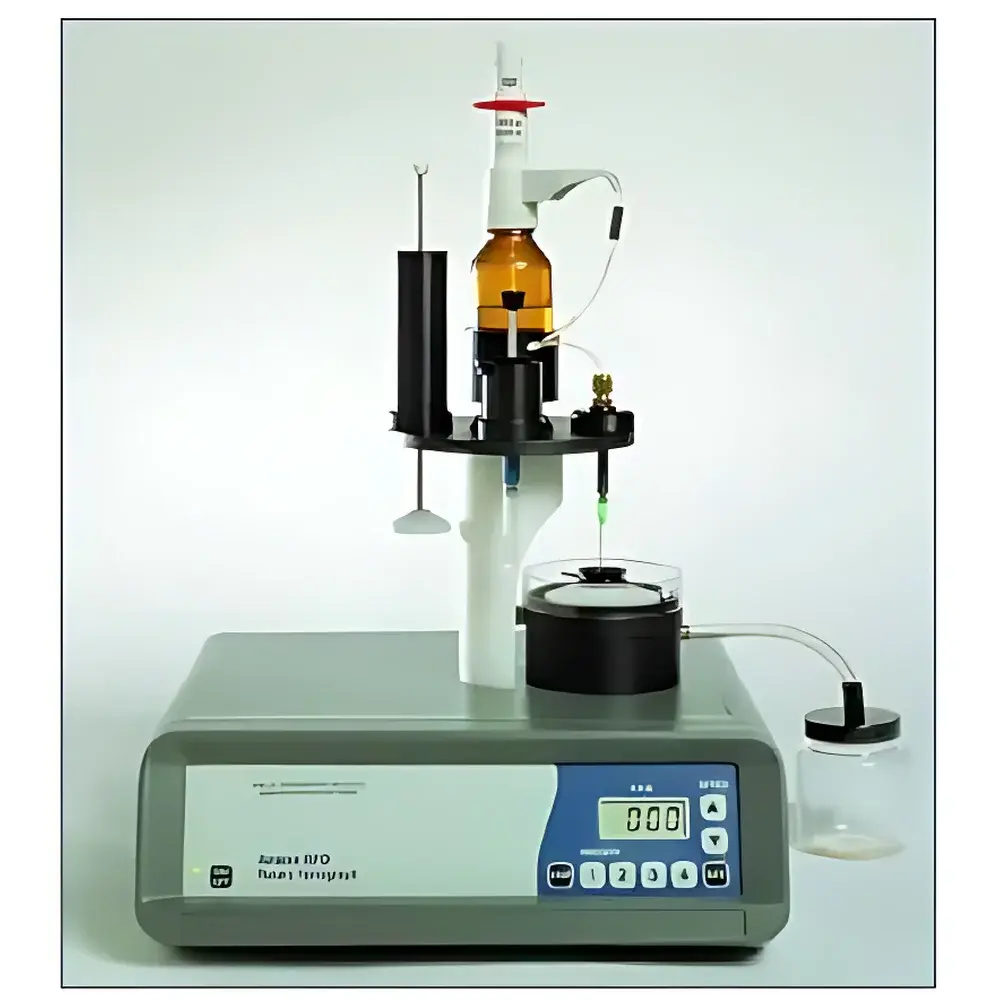
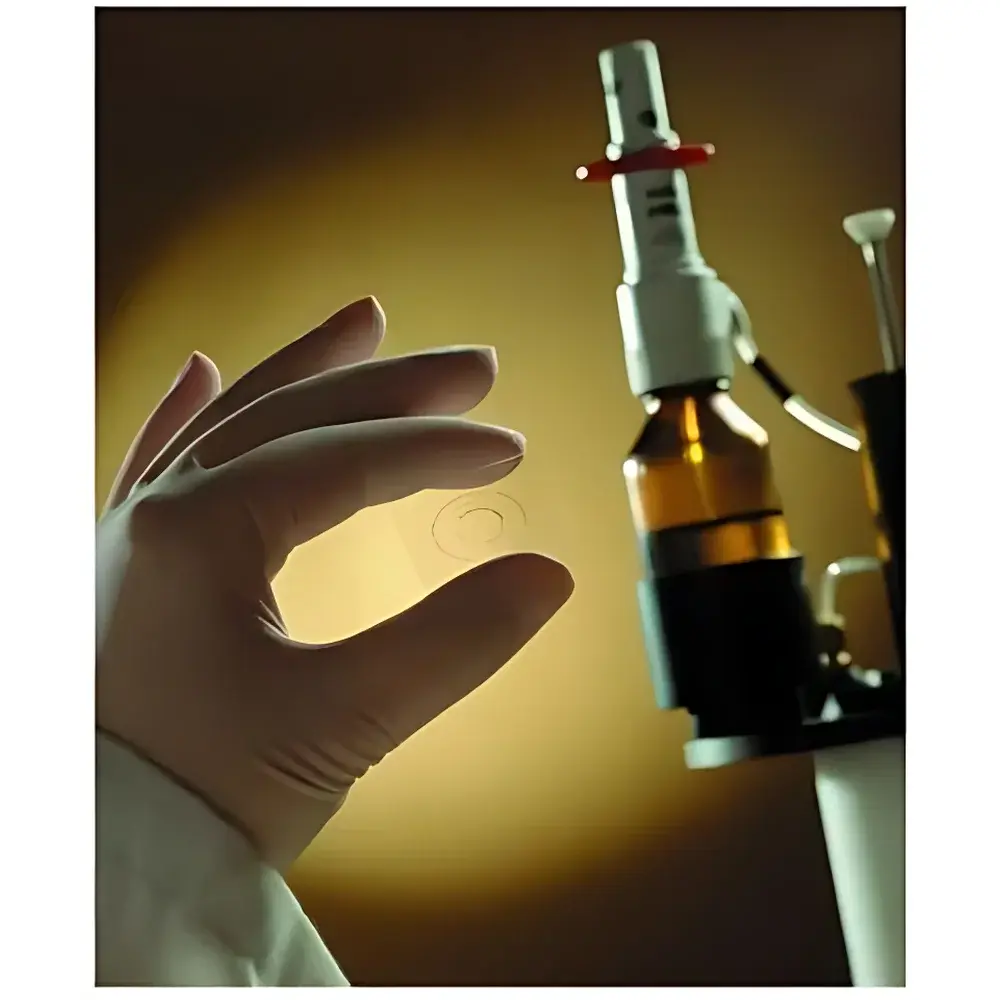
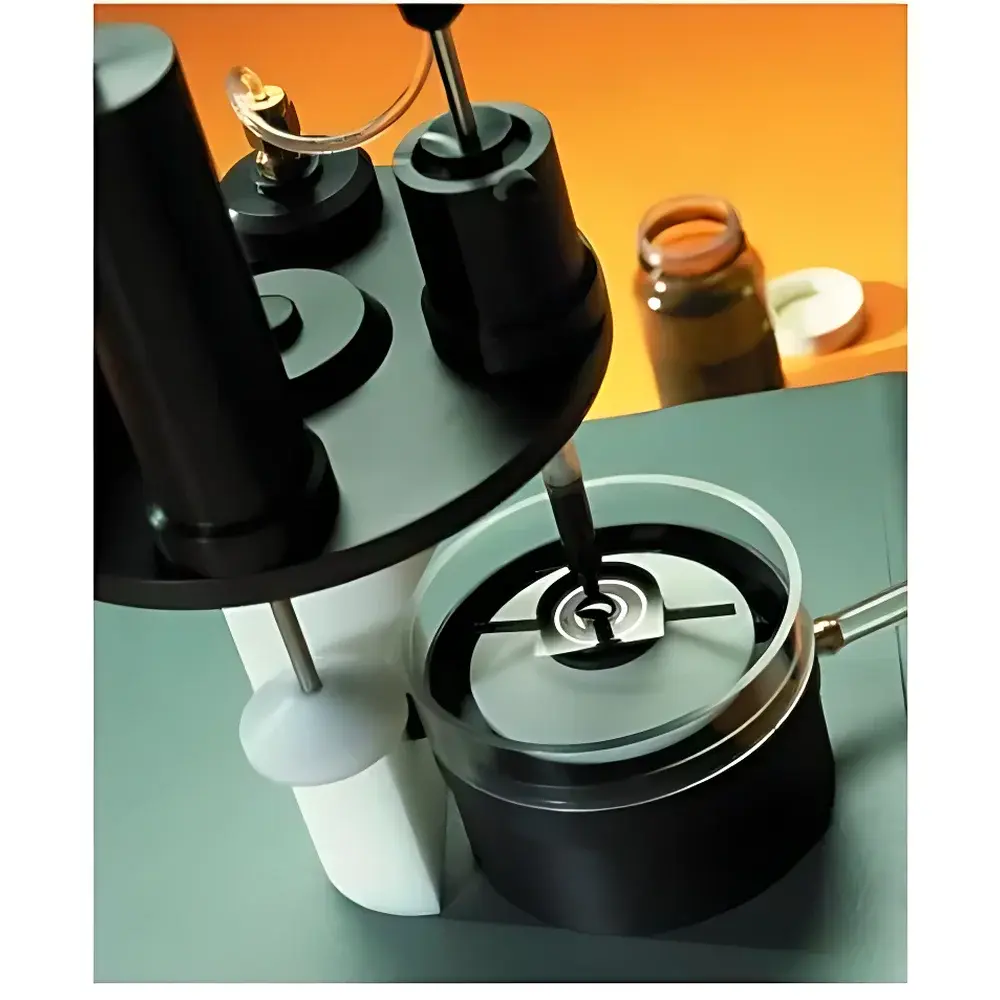
Kittiwake FG-K15003-KW Rotating Particle Deposition (RPD) Ferroscope
| Brand | Kittiwake |
|---|---|
| Origin | United Kingdom |
| Model | FG-K15003-KW |
| Rotational Speed | 0–200 rpm (4 preset speeds) |
| Operating Temperature | 10–30 °C |
| Power Supply | 115/230 V ±10%, 50/60 Hz |
| Power Consumption | 75 W |
| Interface | RS232 |
| Display | LCD |
| Dimensions | 360 × 360 × 450 mm |
| Weight | 5.5 kg |
| Maximum Deposit Track Length | 160 mm |
| Particle Size Range | Up to 12,000 µm |
| Sample Types | Lubricating oils, hydraulic fluids, greases |
Overview
The Kittiwake FG-K15003-KW Rotating Particle Deposition (RPD) Ferroscope is a dedicated ferrographic analysis instrument engineered for rapid, reproducible separation and linear deposition of wear particles from lubricants and hydraulic fluids. Based on the principle of controlled rotational sedimentation under magnetic field gradients, the RPD system exploits differential magnetic susceptibility to segregate ferromagnetic and non-ferromagnetic debris onto a glass substrate with high spatial fidelity. Unlike static or slide-based ferrography methods, this rotating design ensures uniform shear forces and consistent particle alignment along a defined deposition track—enabling reliable morphological assessment, size distribution profiling, and subsequent quantitative analysis using complementary techniques such as PQ index measurement. Designed specifically for in-service oil condition monitoring programs in power generation, marine propulsion, wind turbine gearboxes, and heavy-duty industrial hydraulics, the FG-K15003-KW delivers standardized ferrographic data compatible with ASTM D7690 and ISO 11500 frameworks.
Key Features
- Rotational deposition mechanism enabling repeatable, linear particle tracks up to 160 mm in total length—optimized for high-resolution microscopic evaluation and automated image analysis.
- Four factory-preset rotational speeds (0–200 rpm) allow method-specific tuning for varying fluid viscosities and particle loadings without manual speed calibration.
- Compact benchtop architecture (360 × 360 × 450 mm; 5.5 kg) with integrated LCD interface and RS232 serial output for direct integration into laboratory LIMS or centralized oil analysis databases.
- Low operational cost per sample: utilizes standard microscope glass slides and common solvents (e.g., naphtha, isopropyl alcohol); minimal sample dilution or pretreatment required.
- Designed for compatibility with downstream quantitative ferrographic tools—including Kittiwake PQ Fe-Particle Quantifier systems—for correlating deposit morphology with bulk ferrous content.
- Thermally stable operation across ambient laboratory conditions (10–30 °C), eliminating need for climate-controlled enclosures or active cooling.
Sample Compatibility & Compliance
The FG-K15003-KW accepts undiluted or mildly diluted samples of mineral- and synthetic-based lubricating oils, hydraulic fluids (including fire-resistant HFD-U types), and NLGI #1–#3 greases after solvent thinning. Its open deposition geometry accommodates particulate sizes ranging from sub-micron colloids to coarse metallic fragments up to 12,000 µm—covering the full spectrum of mechanical wear signatures (cutting, sliding, fatigue, and severe adhesion). The system supports compliance with key industry standards including ASTM D7690 (Standard Practice for Rotating Particle Deposition Ferrography), ISO 11500 (Petroleum products — Determination of water and particle contamination — Ferrographic analysis), and aligns with recommended practices for ISO 4406:2017 particle counting correlation workflows. All hardware components meet CE marking requirements for electromagnetic compatibility (EMC Directive 2014/30/EU) and low-voltage safety (LVD Directive 2014/35/EU).
Software & Data Management
While the FG-K15003-KW operates as a standalone deposition unit with local LCD control, its RS232 interface enables bidirectional communication with third-party ferrographic imaging software (e.g., FerroSTAR, OilDebris Analyzer) and enterprise-level CMMS/LIMS platforms. Timestamped deposition logs—including speed setting, duration, and operator ID—can be exported for GLP/GMP audit trails. When paired with Kittiwake’s certified wear particle identification guide (included), users maintain traceable interpretation consistency across analysts and shifts—supporting FDA 21 CFR Part 11-compliant environments where electronic records and signature validation are mandated.
Applications
- Early detection of abnormal wear modes in critical rotating equipment (turbines, compressors, gearboxes) through qualitative assessment of particle shape, edge sharpness, and lamellar structure.
- Discrimination between ferrous and non-ferrous wear debris (e.g., steel vs. copper vs. aluminum alloys) to localize failure origin within multi-material systems.
- Monitoring gear mesh wear progression via quantification of fatigue spalls and micro-pitting fragments over successive oil sampling intervals.
- Validation of filtration efficiency by comparing upstream/downstream deposit density and size distribution profiles.
- Supporting root cause analysis during warranty investigations and forensic tribology studies in aerospace and rail applications.
FAQ
What types of lubricants can be analyzed directly without dilution?
Most mineral and PAO-based oils with viscosity ≤ 220 cSt at 40 °C may be processed undiluted; higher-viscosity oils and greases require pre-dilution with appropriate solvents (e.g., xylene or kerosene) per ASTM D7690 Annex A2.
Is the deposition track length adjustable?
No—the 160 mm linear track is fixed by mechanical design to ensure consistent magnetic field gradient and rotational shear profile across all runs.
Can the RPD unit be integrated into an automated oil lab workflow?
Yes—RS232 output supports programmable triggering from external PLCs or scheduling software; however, slide loading and fluid dispensing remain manual steps.
Does the system include calibration verification protocols?
The unit ships with NIST-traceable reference slides and a documented verification procedure aligned with ISO/IEC 17025 internal calibration requirements.
How does RPD compare to analytical ferrography (AF) in terms of sensitivity?
RPD provides superior throughput and repeatability for routine monitoring; AF offers higher resolution for ultra-fine particle (<5 µm) characterization but requires longer processing times and specialized expertise.




