
KPM CHOPIN Grinder-CHOPIN Hammer Mill for Cereal Grains
| Brand | KPM CHOPIN |
|---|---|
| Origin | France |
| Model | Grinder-CHOPIN |
| Instrument Type | Hammer Mill |
| Sample Applicability | Hard Materials (Cereals) |
| Feed Particle Size | <30 mm |
| Output Particle Size | ≤200 µm (≤0.2 mm) |
| Final Sieving | Standard 0.8 mm mesh (optional alternative meshes available) |
| Batch Capacity | 1.2 L |
| Dust Control | Sealed Grinding Chamber with Integrated Cyclonic Separation |
| Compliance | AACC 54-60.01, AACC 56-81.03/56-81.04, ICC 107/1, ICC 173/1, ISO/DIS 3093 |
Overview
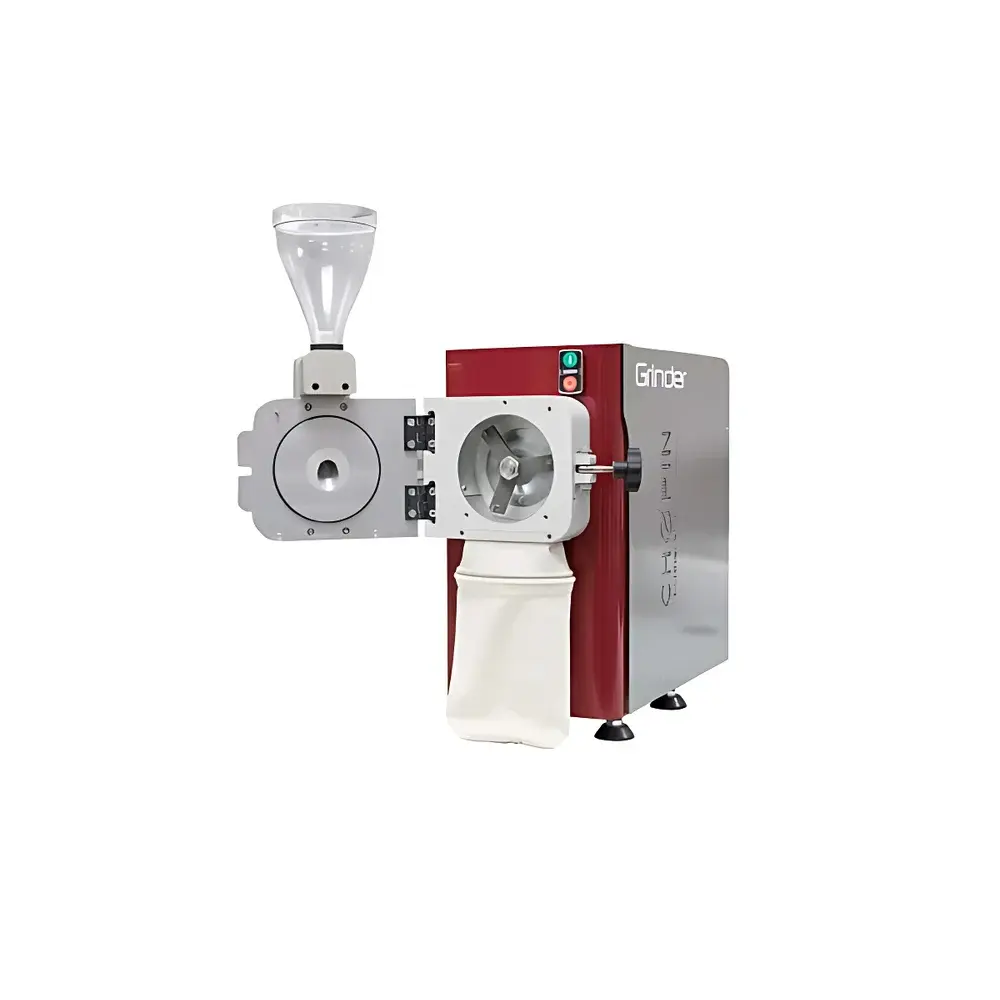
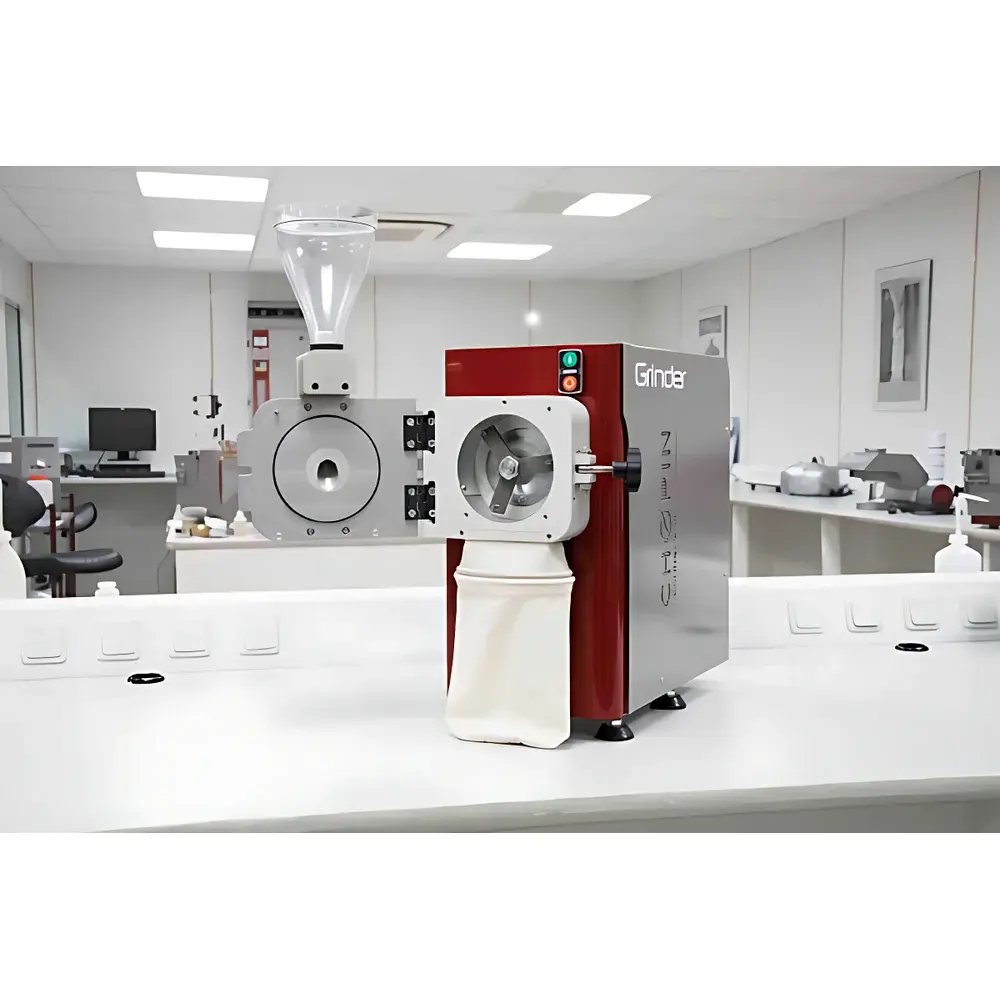
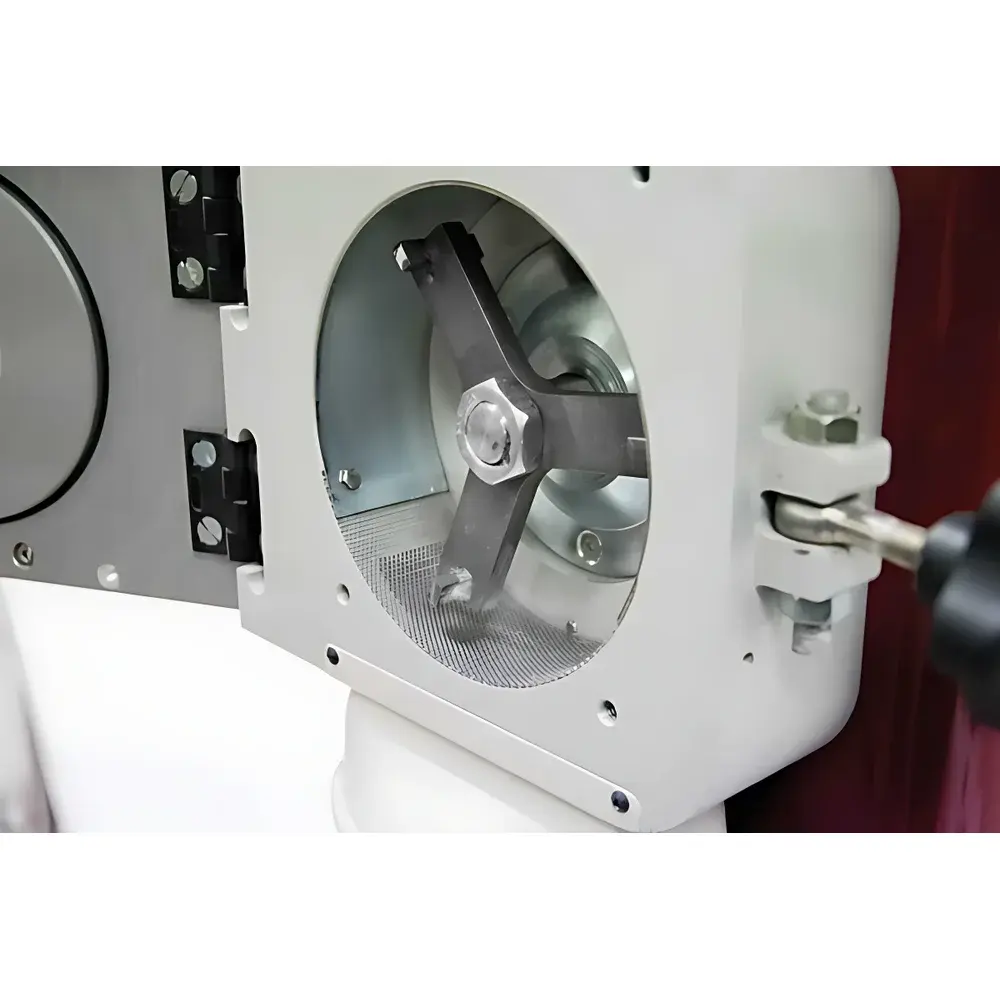
The KPM CHOPIN Grinder-CHOPIN is a precision-engineered hammer mill designed specifically for the standardized, reproducible comminution of cereal grains—including wheat, barley, rye, oats, and triticale—in analytical and quality control laboratories. Operating on the principle of high-speed impact grinding, it employs hardened steel hammers rotating at controlled angular velocity within a fully sealed, cyclone-integrated grinding chamber. This architecture ensures minimal heat generation, negligible sample oxidation, and near-zero dust emission—critical for preserving enzymatic activity (e.g., α-amylase in Hagberg Falling Number testing) and chemical integrity prior to downstream analysis. The instrument is not a general-purpose grinder but a metrologically validated tool aligned with internationally recognized cereal testing protocols, serving as the first critical step in method traceability for flour rheology, NIR calibration, and enzymatic assay workflows.
Key Features
- Sealed, cyclonic grinding chamber with integrated air separation—eliminates operator exposure and prevents cross-contamination between batches.
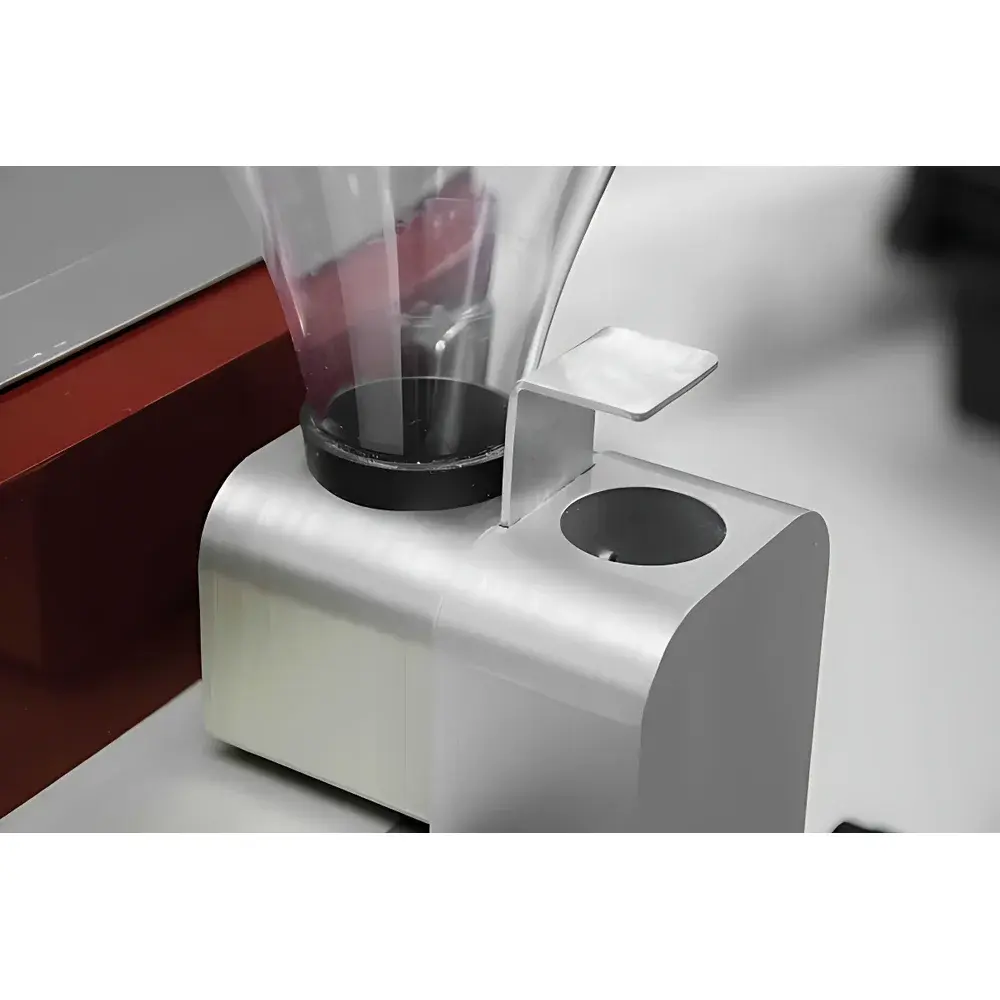
- Adjustable feed rate mechanism enabling consistent throughput across variable grain moisture and hardness profiles (e.g., soft vs. hard red winter wheat).
- Interchangeable sieve assemblies (standard 0.8 mm; optional 0.5 mm, 1.0 mm, or custom mesh sizes) to meet specific particle size distribution requirements per AACC or ICC methods.
- Robust cast-aluminum housing and hardened alloy hammer set engineered for >10,000 operational cycles without performance drift.
- Batch capacity of 1.2 L (up to 800 g of whole grain), optimized for single-batch preparation of test flours compliant with AACC 54-60.01 and ICC 173/1.
- No external vacuum or auxiliary filtration required—integrated cyclonic recovery directs milled product directly into a static-dissipative nylon collection bag positioned beneath the discharge port.
Sample Compatibility & Compliance
The Grinder-CHOPIN is validated for use with intact, unprocessed cereal kernels exhibiting Brinell hardness values up to 220 MPa and moisture content ranging from 10% to 15% w/w. It is explicitly referenced in AACC Method 56-81.03 (Hagberg Falling Number sample preparation), AACC Method 54-60.01 (Mixolab® dough rheology sample prep), and ICC Standards 107/1 and 173/1. Its output meets the ≤200 µm particle size specification required for NIR spectroscopic calibration models targeting protein, moisture, ash, fat, and kernel hardness quantification. All mechanical and procedural parameters are documented in accordance with GLP principles, supporting audit readiness for ISO/IEC 17025-accredited laboratories.
Software & Data Management
This is a standalone electromechanical instrument with no embedded firmware or digital interface. Operation is manual and deterministic: feed rate adjustment, grinding duration (typically 30–60 s), and sieve selection are user-defined based on method specifications. No software installation, data logging, or electronic records are generated—consistent with the regulatory expectation for primary sample preparation equipment under FDA 21 CFR Part 11 and EU Annex 11, where physical process logs (date, operator ID, batch ID, sieve used, observed discharge consistency) constitute the official record. Optional laboratory information management system (LIMS) integration may be achieved via external barcode scanning of sample containers pre- and post-grinding.
Applications
- Preparation of standardized wholemeal flour for Hagberg Falling Number (FN) determination per AACC 56-81.04 and ISO/DIS 3093.
- Generation of homogenized, fine-particle flour for Mixolab® mixing tests evaluating starch gelatinization, protein network development, and enzyme kinetics under shear and thermal stress.
- Production of spectrally representative samples for quantitative near-infrared (NIR) calibration and validation—particularly for prediction models of protein (%N × 5.7), moisture, ash, and lipid content.
- Routine QC grinding of incoming grain lots prior to milling yield assessment, granulation analysis, or mycotoxin extraction protocols requiring uniform particle geometry.
- Method transfer support for contract testing laboratories seeking AACC-, ICC-, or ISO-aligned accreditation scope expansion.
FAQ
Is the Grinder-CHOPIN compatible with gluten-free cereals such as sorghum or millet?
Yes—its mechanical design accommodates all botanical cereal grains meeting the <30 mm feed size and hardness limits specified in AACC 54-60.01.
Can I validate particle size distribution using laser diffraction after grinding?
Yes—output material is suitable for Malvern Mastersizer or equivalent laser diffraction analysis; however, static charge mitigation (e.g., dry dispersion with nitrogen purge) is recommended due to fine particulate nature.
Does the instrument require routine calibration?
No—performance verification is conducted via reference material grinding (e.g., certified wheat standard RM-123) and sieve analysis per AACC 22-03; annual mechanical inspection is advised.
What maintenance intervals are recommended for the hammer assembly?
Hammer wear is monitored visually; replacement is indicated when edge radius exceeds 0.3 mm—typically after 500–800 kg of cumulative grinding load.
Is the nylon collection bag reusable?
No—single-use static-dissipative bags are supplied to prevent electrostatic retention of fines and ensure full recovery of sub-200 µm fraction.



