
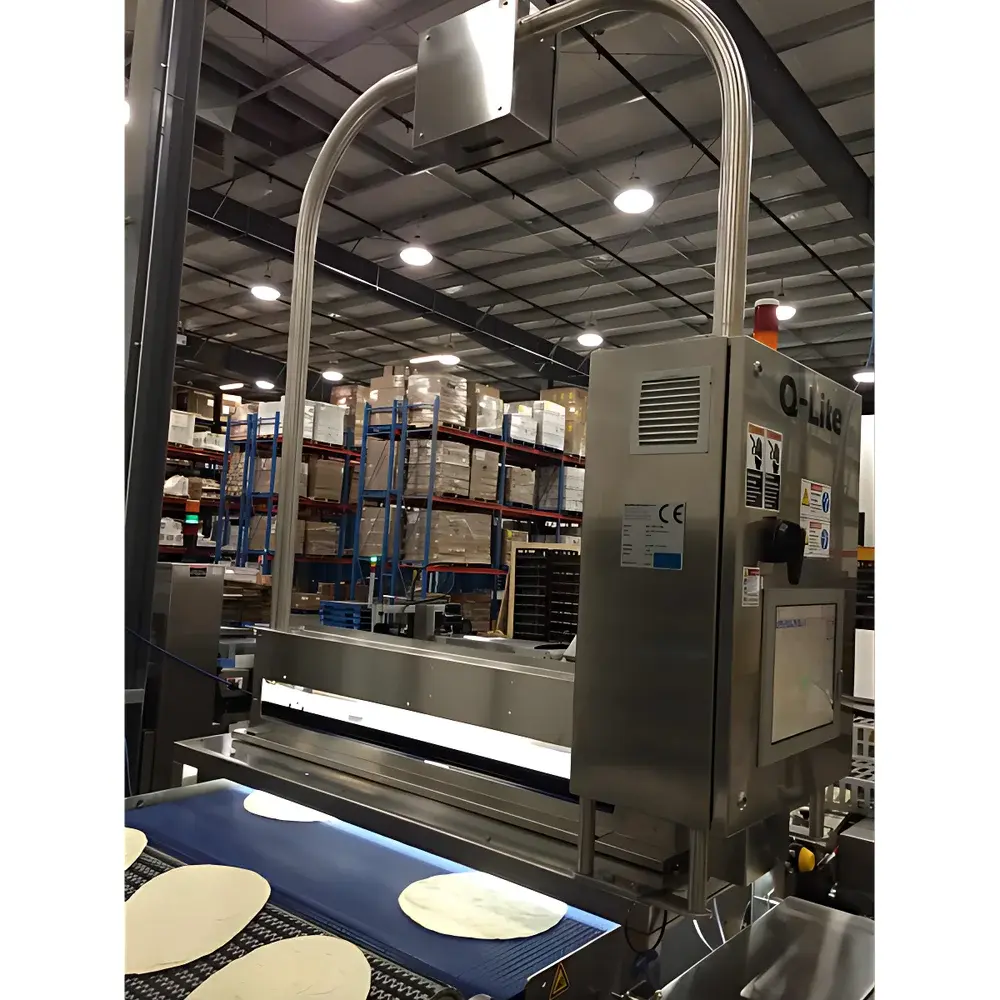
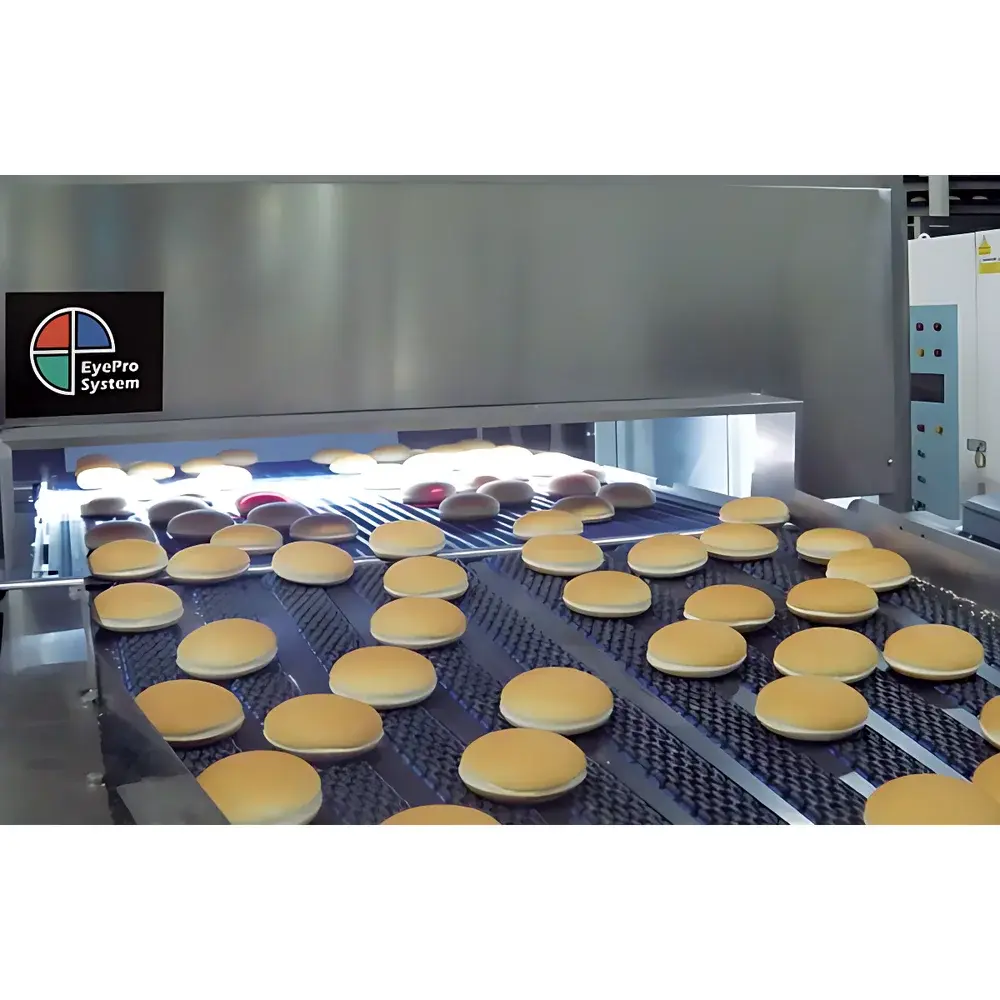
KPM EyePro Q-bake Online Vision Inspection System for Bakery & Snack Production
| Brand | KPM EyePro |
|---|---|
| Origin | Canada |
| Model | Q-bake |
| Category | Online Non-destructive Vision Inspection System for Food Manufacturing |
| Compliance | Designed for FDA 21 CFR Part 11–ready environments, supports GLP/GMP-aligned audit trails and electronic records |
Overview
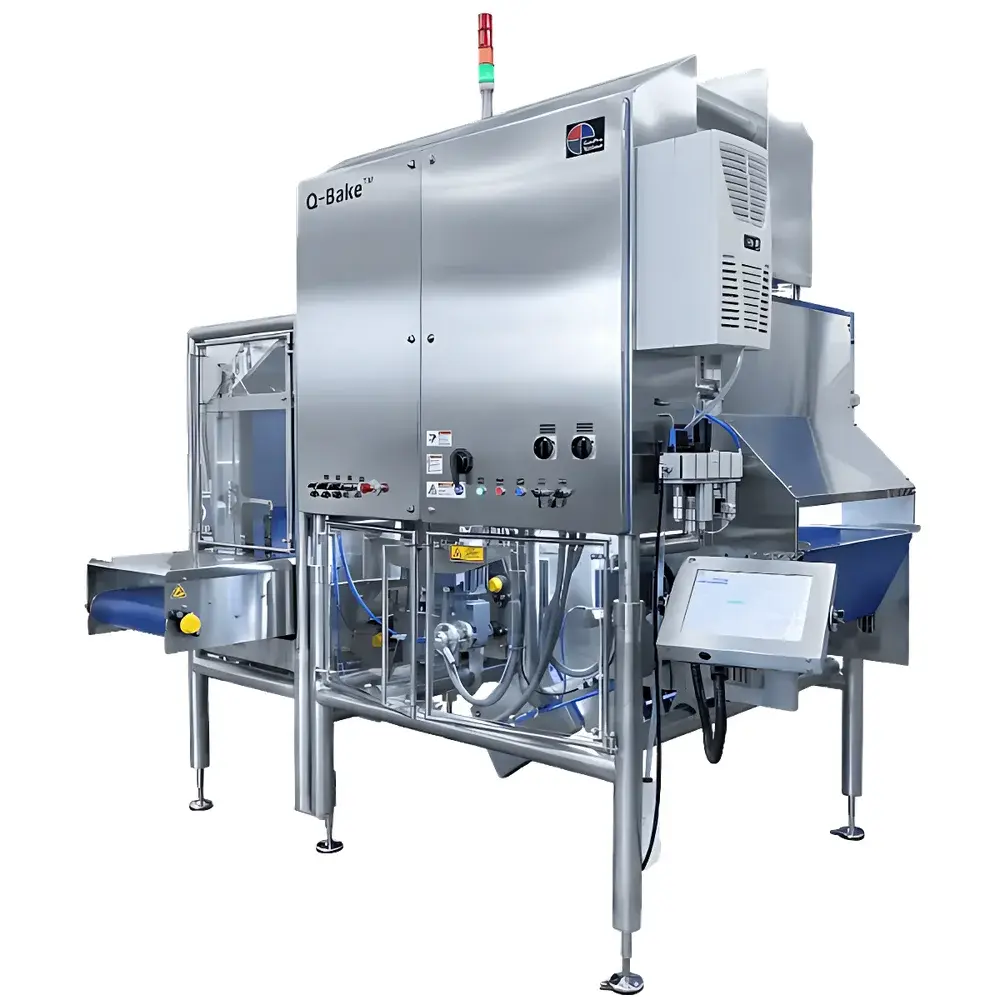
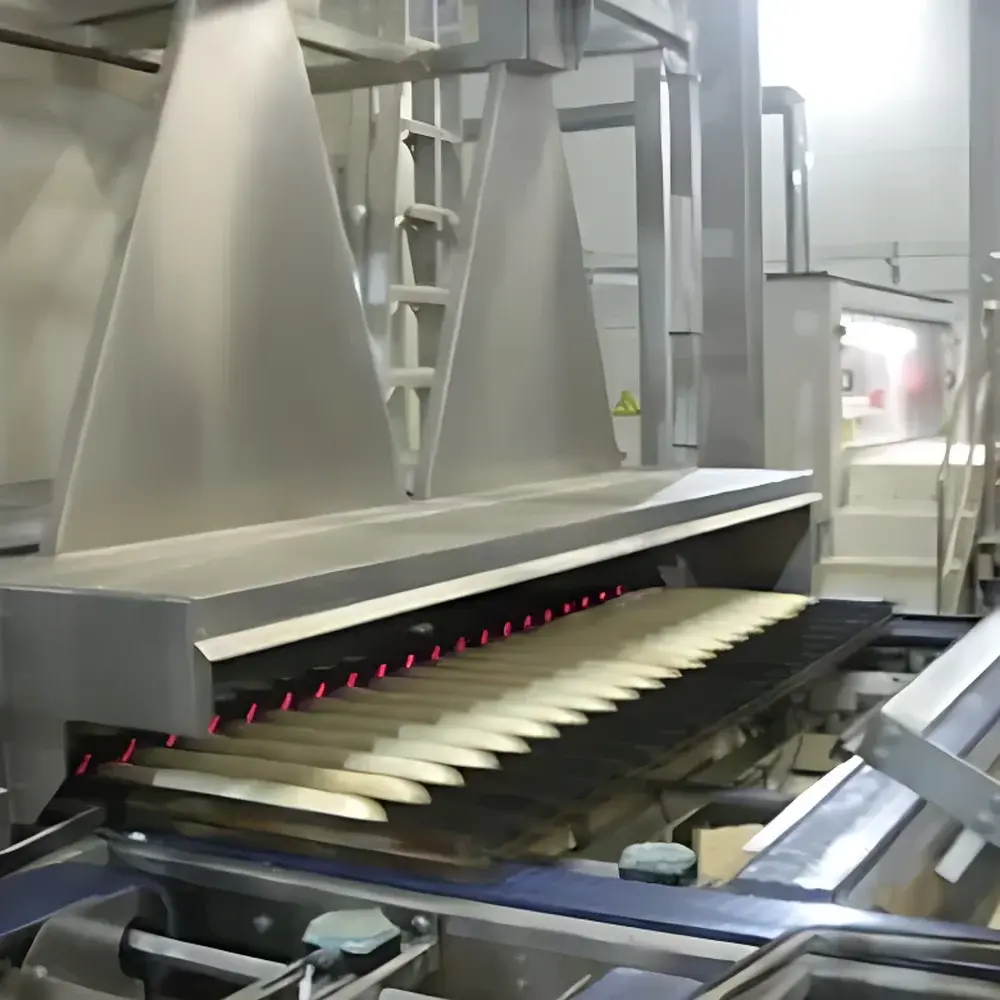
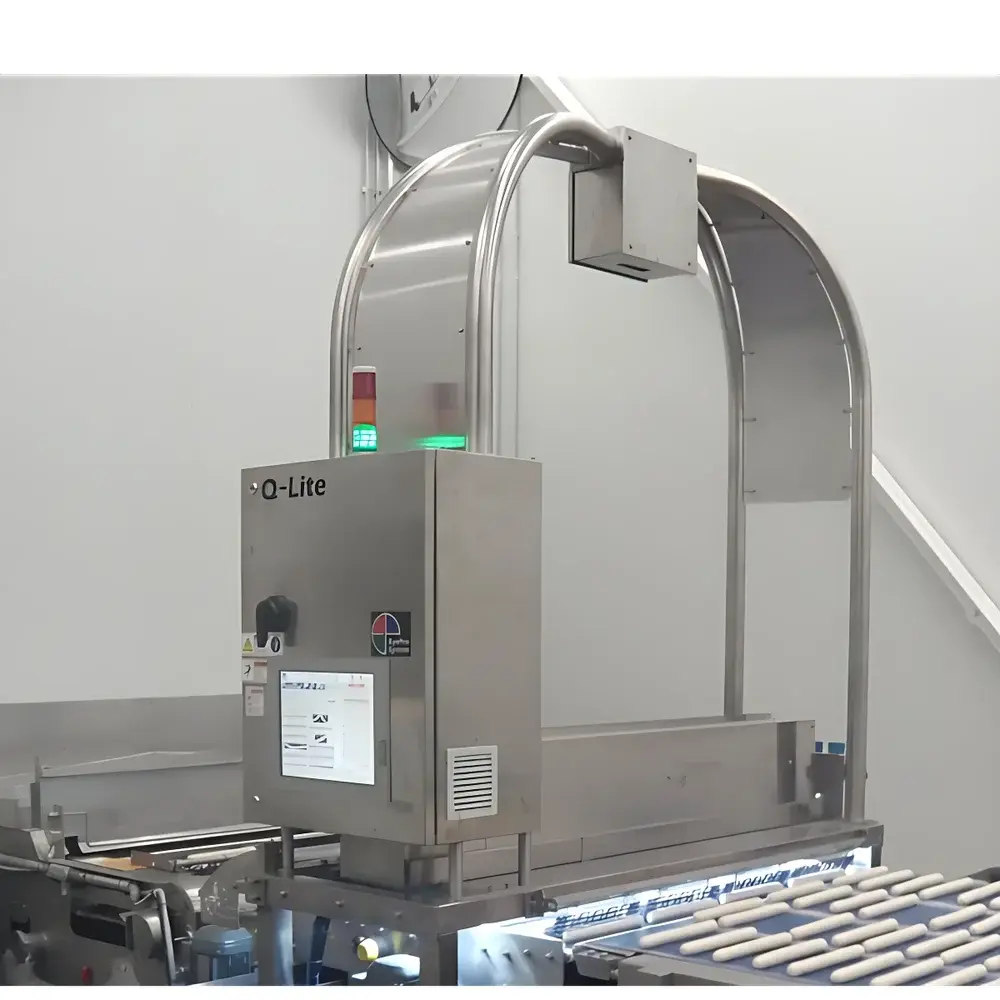
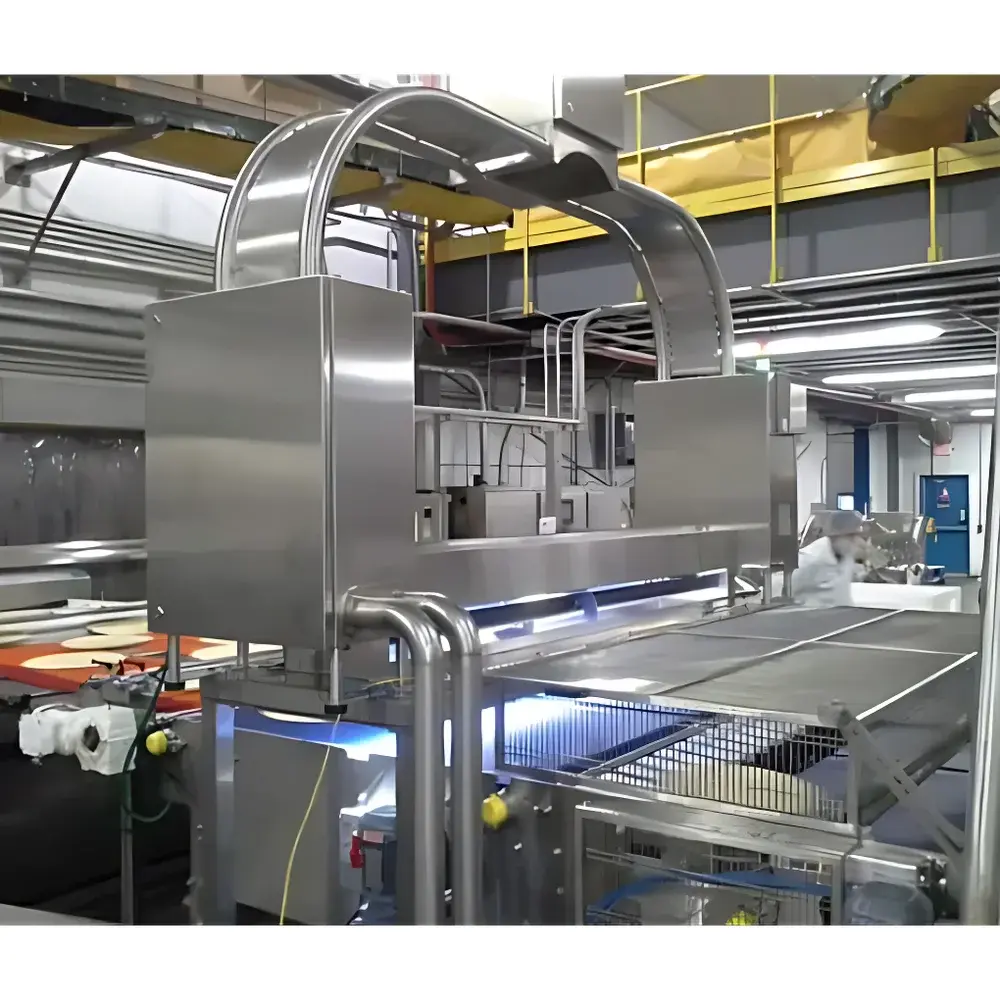
The KPM EyePro Q-bake is an industrial-grade, online vision inspection system engineered specifically for high-speed, 100% in-line quality assurance in bakery and snack food manufacturing. Based on machine vision principles—including multi-angle 2D/3D geometric reconstruction, spectral color analysis, and real-time pixel-level defect segmentation—the Q-bake system performs non-contact, non-destructive evaluation of product dimensions, shape integrity, surface color uniformity, browning level, crust texture, presence/absence of toppings, and structural anomalies (e.g., cracks, deformations, folding errors). Unlike sampling-based QC methods, the Q-bake operates synchronously with production lines—capturing, processing, and classifying every unit at up to 100 objects per second—ensuring full traceability and statistical process control (SPC) without interrupting throughput. Its architecture integrates seamlessly into existing conveyor infrastructure, supporting variable belt speeds and dynamic line reconfiguration typical of multi-product bakeries and co-packers.
Key Features
- Full-line integration with modular stainless-steel frame and configurable conveyor modules—including dual-stage reject mechanisms compatible with air jets, pushers, or divert gates
- Multi-spectral imaging suite: top-mounted RGB + NIR cameras; optional under-belt and side-view camera modules for complete 360° surface coverage and volumetric profiling
- Embedded library of 100+ validated measurement algorithms—continuously expanded via firmware updates—including loaf height variance, crumb cell density estimation, cookie spread ratio, bagel symmetry index, and croissant lamination count
- Real-time SPC dashboard: displays OEE metrics (uptime, cycle time, yield), defect classification heatmaps, trend charts for dimensional drift, and batch-wise pass/fail histograms
- Product-specific software configuration: each Q-bake deployment includes a dedicated inspection model trained on customer-supplied reference samples, with user-definable tolerance bands (green/yellow/red thresholds) per parameter
- FDA 21 CFR Part 11–compatible software architecture: role-based access control (four-tier permissions), immutable audit logs, electronic signatures, and encrypted data storage compliant with GMP documentation requirements
Sample Compatibility & Compliance
The Q-bake system is validated for continuous inspection of ambient, frozen, and par-baked products across diverse formats: artisan loaves, baguettes, buns, bagels, English muffins, croissants, cookies, crackers, pretzels, muffins, frozen pizza bases, and flatbreads. It accommodates variable product orientation, irregular stacking, and transient occlusion scenarios common in high-volume packaging lines. All optical components meet IP65 ingress protection standards; electrical enclosures conform to UL 508A and CE machinery directives. Software design follows ISO/IEC 17025 guidance for measurement uncertainty management and aligns with ASTM E2914–22 for vision-based food defect classification validation protocols.
Software & Data Management
The EyePro Control Suite runs on an industrial PC with ruggedized touchscreen HMI and supports both local operation and networked deployment. Real-time detection data—including raw image metadata, feature vectors, classification confidence scores, and timestamped reject events—is stored in a structured SQLite database with automated daily backups. The web-accessible Report Module enables custom report generation (PDF/CSV/XLSX) across shifts, batches, or SKUs—filterable by date range, defect type, operator ID, or machine state. All system changes (recipe edits, tolerance adjustments, camera recalibrations) are logged with user ID, timestamp, and pre/post values—enabling full forensic traceability during internal audits or regulatory inspections.
Applications
- Automated verification of loaf volume consistency and height-to-width ratio in sliced bread lines
- Detection of under-baked zones, burnt crust areas, or uneven browning in par-baked products using calibrated NIR reflectance thresholds
- Quantitative assessment of cookie spread factor and edge fracture severity to optimize dough rheology and oven profile settings
- Identification of topping misalignment, missing sesame seeds, or inconsistent glaze coverage on bagels and rolls
- Crumb structure analysis for artisanal sourdough—measuring pore size distribution and wall thickness uniformity as proxy for fermentation control
- Batch-to-batch comparison of geometric stability across production sites—supporting centralized quality governance for multinational brands
FAQ
Can the Q-bake system integrate with existing metal detectors or checkweighers?
Yes. Standard Modbus TCP and EtherNet/IP interfaces enable bidirectional communication with third-party inline equipment—including metal detectors, x-ray systems, and dynamic checkweighers—for synchronized reject coordination and consolidated data logging.
Is training provided for operators and maintenance personnel?
KPM delivers on-site commissioning, SOP development, and role-specific training (basic operator, QA technician, system administrator), including documentation aligned with internal GMP procedures.
How frequently does the system require recalibration?
Camera and lighting calibration is performed during initial setup and validated weekly using NIST-traceable reference targets; automated self-diagnostic routines flag drift beyond ±0.5% geometric accuracy thresholds.
Does the system support remote diagnostics and software updates?
All Q-bake units include secure TLS-encrypted remote access capability—authorized KPM engineers can monitor system health, review logs, adjust parameters, and deploy patches without onsite intervention.
What data export formats are supported for integration with MES or ERP platforms?
The system provides RESTful API endpoints and scheduled FTP/SFTP exports for defect summaries, OEE metrics, and raw inspection logs—structured in JSON, CSV, or XML formats compatible with SAP, Siemens Opcenter, and Rockwell FactoryTalk environments.



