
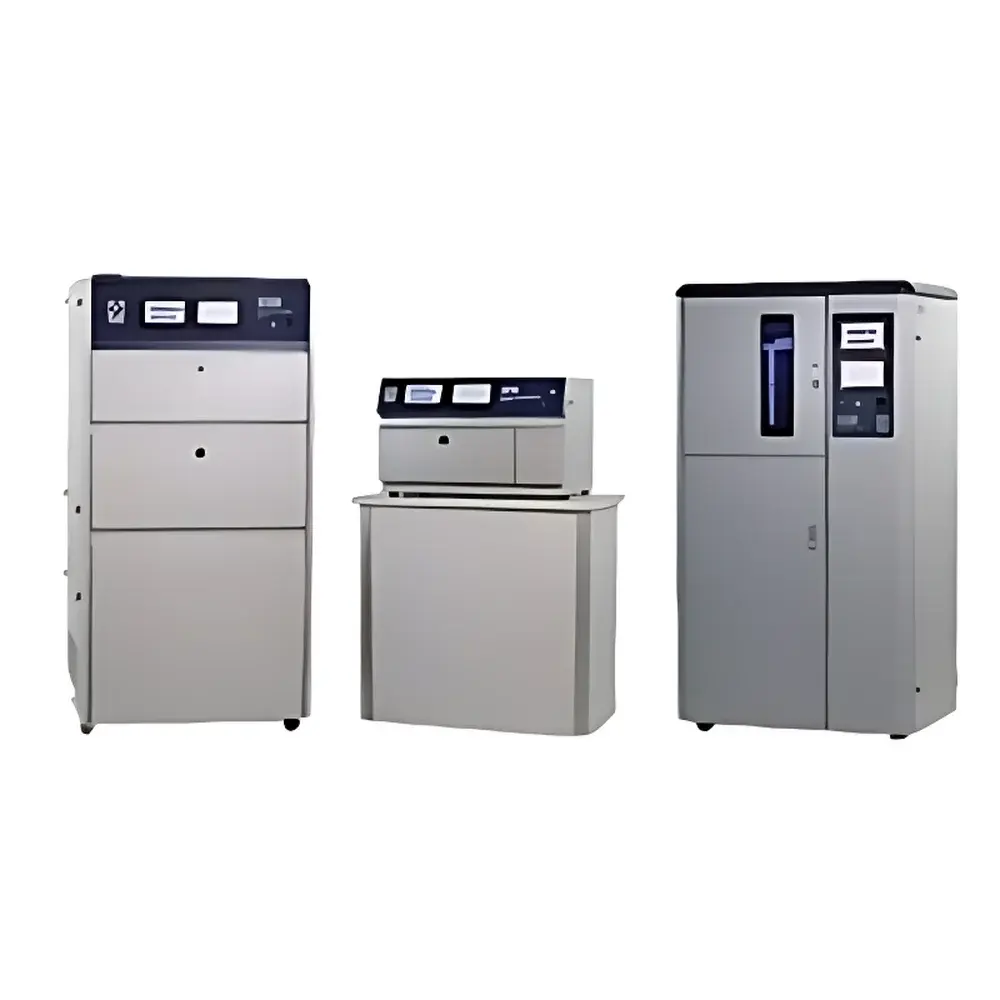

Q-LAB Q-SUN Xenon Arc Weathering Test Chamber Compliant with GB/T 1865-2009
| Brand | Q-LAB |
|---|---|
| Origin | USA |
| Model | Q-SUN Series (Xe-1, Xe-2, Xe-3) |
| Xenon Lamp Power | 1800 W |
| Irradiance Control | 1.3 W/m² @ 340 nm |
| Max Exposure Duration | 1500 h per cycle |
| Humidity Range | Up to 95% RH |
| Compliance | GB/T 1865–2009 Cycle A Method 1 |
Overview
The Q-LAB Q-SUN Xenon Arc Weathering Test Chamber is an engineered solution for accelerated simulation of outdoor and indoor light exposure environments. Utilizing a full-spectrum xenon arc lamp that closely replicates natural solar radiation—spanning UV, visible, and near-infrared wavelengths—the system enables precise evaluation of photodegradation mechanisms including fading, chalking, cracking, gloss loss, yellowing, and embrittlement. Designed in strict accordance with GB/T 1865–2009 (equivalent to ISO 11341 and ASTM G155), the Q-SUN implements Cycle A, Method 1: alternating irradiation, temperature, and humidity phases to replicate real-world climatic stressors. This methodology supports quantitative assessment of coating durability under controlled laboratory conditions, delivering reproducible aging outcomes equivalent to months or years of field exposure within days or weeks.
Key Features
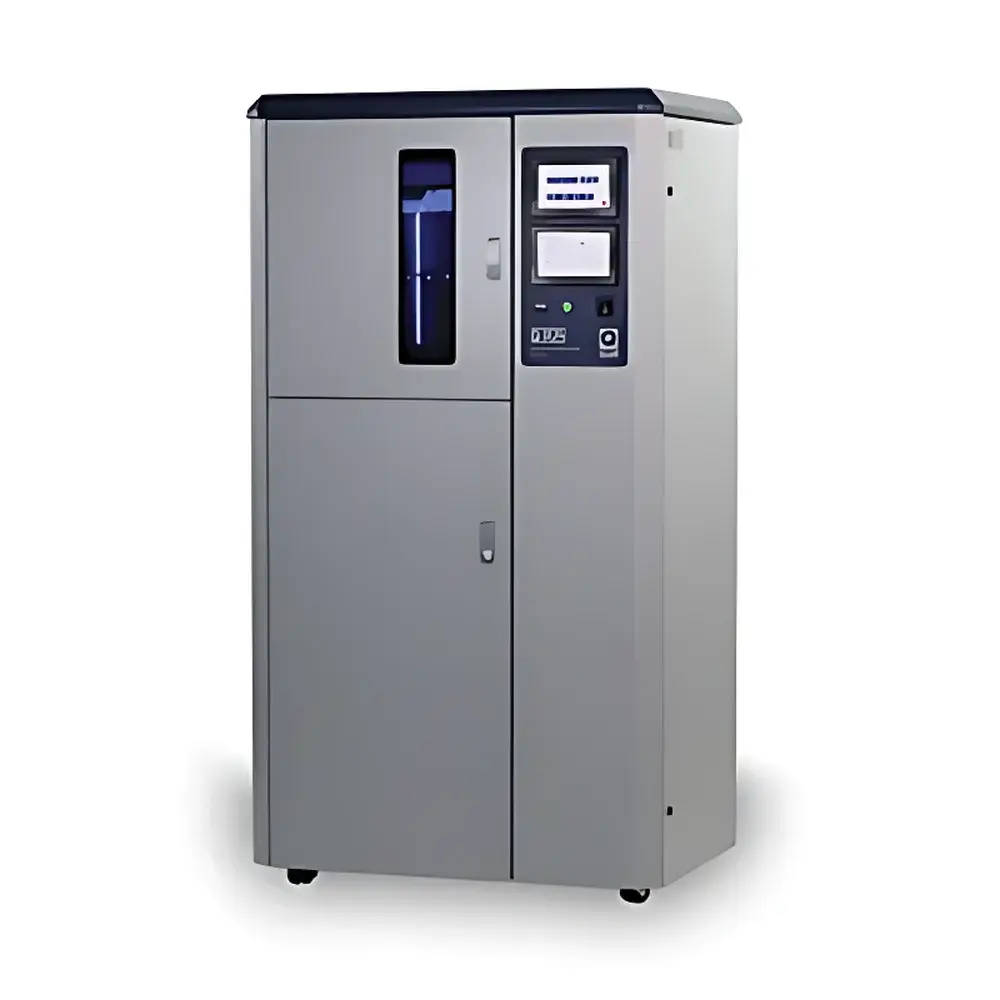
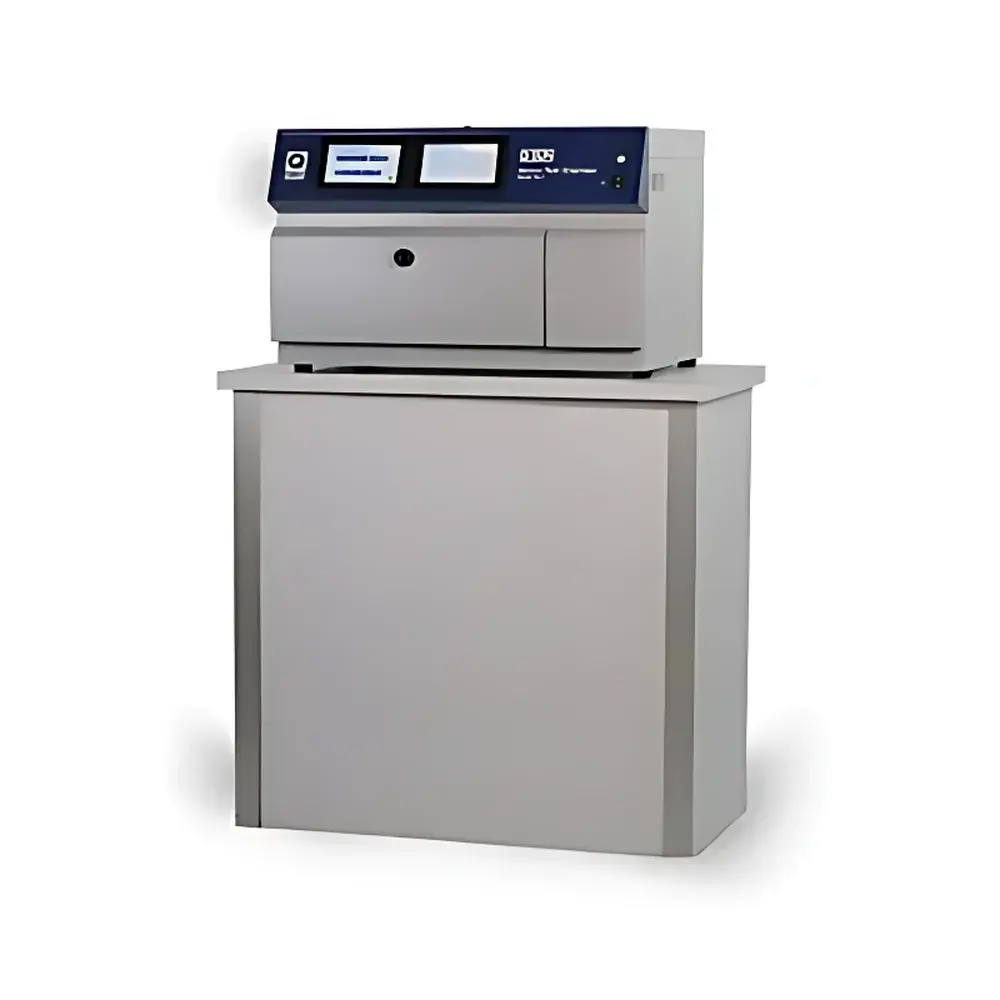
- Three scalable platform options: benchtop Xe-1 (single sample capacity), mid-size Xe-2 (up to 50 standard panels), and large-capacity Xe-3 (up to 100 panels), all sharing identical spectral fidelity and control architecture.
- Real-time irradiance monitoring and closed-loop feedback control at 340 nm (1.3 W/m² nominal), ensuring compliance with GB/T 1865–2009 spectral power density requirements.
- Integrated black-panel temperature control (BPT) and chamber air temperature regulation, enabling stable thermal profiles from 30°C to 85°C during irradiation and dark cycles.
- High-fidelity humidity control up to 95% RH, synchronized with irradiation and condensation phases to simulate dew formation and moisture absorption critical to hydrolytic degradation pathways.
- Intelligent controller with self-diagnostic capability: continuously monitors lamp voltage/current, filter integrity, humidity sensor drift, and cooling system performance; displays fault codes and initiates safe shutdown when out-of-spec conditions are detected.
- User-programmable test sequences stored locally on the touchscreen interface; data export via USB flash drive in CSV format for traceable post-processing and audit readiness.
Sample Compatibility & Compliance
The Q-SUN accommodates rigid and flexible substrates—including painted metal panels, plastic injection-molded parts, textile swatches, automotive trim, architectural coatings, and packaging films—using standardized sample holders per GB/T 9271 and ISO 1514. All models support specimen dimensions compliant with GB/T 1766 for visual rating and instrumental colorimetric analysis (ΔE, L*a*b*). The system meets the metrological and operational criteria defined in GB/T 1865–2009, specifically Cycle A, Method 1, which mandates: (i) continuous irradiation at 1.3 W/m² (340 nm), (ii) black-panel temperature maintained at 63 ± 3°C, (iii) relative humidity held at 50 ± 5% RH during light phase, and (iv) optional dark condensation cycles at 50°C and ≥95% RH. Calibration protocols align with ISO/IEC 17025–accredited practices, and irradiance sensors are traceable to NIST standards.
Software & Data Management
While the Q-SUN operates via its embedded touchscreen controller without mandatory PC dependency, optional Q-LAB’s SunTest™ software provides extended functionality for multi-chamber fleet management, automated report generation (PDF/Excel), and long-term trend analysis. All test logs—including irradiance history, temperature/humidity profiles, runtime statistics, and alarm events—are time-stamped and stored with immutable timestamps. The system supports GLP-compliant audit trails, including user login tracking, parameter change logging, and electronic signature capability when integrated with validated networked environments. Data integrity conforms to FDA 21 CFR Part 11 principles where required for regulated industries such as medical device packaging or automotive OEM qualification.
Applications
- Coatings & Paints: Accelerated evaluation of automotive OEM topcoats, aerospace primers, marine antifouling systems, and architectural façade finishes per GB/T 1865 and ISO 11341.
- Polymers & Plastics: Degradation kinetics studies of polyolefins, PVC, ABS, and engineering thermoplastics exposed to window-filtered or direct sunlight spectra.
- Textiles & Nonwovens: Lightfastness validation of dyed fabrics, geotextiles, and interior automotive upholstery under controlled UV + humidity stress.
- Electronics & Encapsulants: Stability assessment of conformal coatings, LED lens materials, and photovoltaic module encapsulants subjected to combined thermal-hygrometric cycling.
- Quality Assurance Labs: Routine conformance testing for incoming raw materials, batch release verification, and supplier qualification against internal or industry-standard weathering specifications.
FAQ
Does the Q-SUN meet GB/T 1865–2009 Cycle A, Method 1 requirements?
Yes. The Q-SUN series is factory-configured and calibrated to satisfy all irradiance, temperature, humidity, and timing parameters specified in GB/T 1865–2009 Cycle A, Method 1.
What spectral filters are used to achieve compliance?
The Q-SUN employs Daylight Filter (Q/B) to replicate terrestrial solar UV through visible light (295–800 nm), meeting the spectral power distribution requirements of GB/T 1865 and ISO 11341.
How is irradiance stability maintained over lamp lifetime?
The system uses real-time 340 nm irradiance sensing with automatic lamp power compensation; lamp output is normalized daily, and filter replacement intervals are tracked to ensure consistent spectral output.
Can test data be exported for regulatory submission?
Yes. Raw time-series data (irradiance, BPT, chamber RH, runtime) are exportable in CSV format; optional SunTest™ software enables PDF report generation with metadata, calibration certificates, and electronic signatures.
Is routine maintenance required, and what does it involve?
Annual lamp and filter replacement, quarterly calibration verification, and bi-monthly cleaning of humidity pans and air filters constitute standard preventive maintenance—fully documented in the operator manual and supported by Q-LAB’s global service network.



