
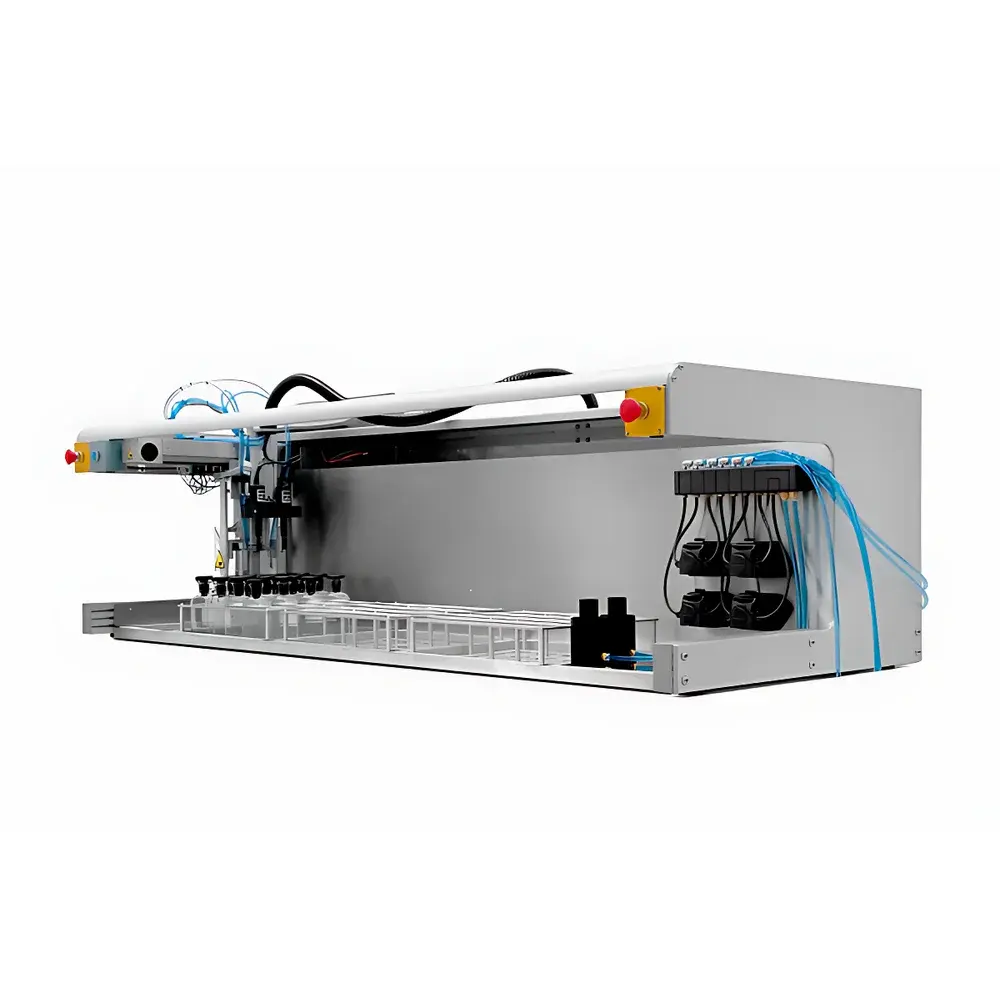
Labman AutoBOD 60-Station Dissolved Oxygen-Based Biochemical Oxygen Demand Measurement System
| Brand | Labman |
|---|---|
| Origin | United Kingdom |
| Manufacturer Type | OEM System Integrator |
| Origin Category | Imported |
| Model | AutoBOD-60 |
| Instrument Type | Laboratory BOD Analyzer |
| Measurement Principle | Dissolved Oxygen (DO) Depletion Method |
| Measurement Range | 2–4000 mg/L BOD₅ |
| Detection Limit | 5 mg/L BOD₅ |
| Accuracy | ±5% (relative to reference standard) |
| Single-Sample Cycle Time | 60 min |
| Repeatability | ±3% RSD |
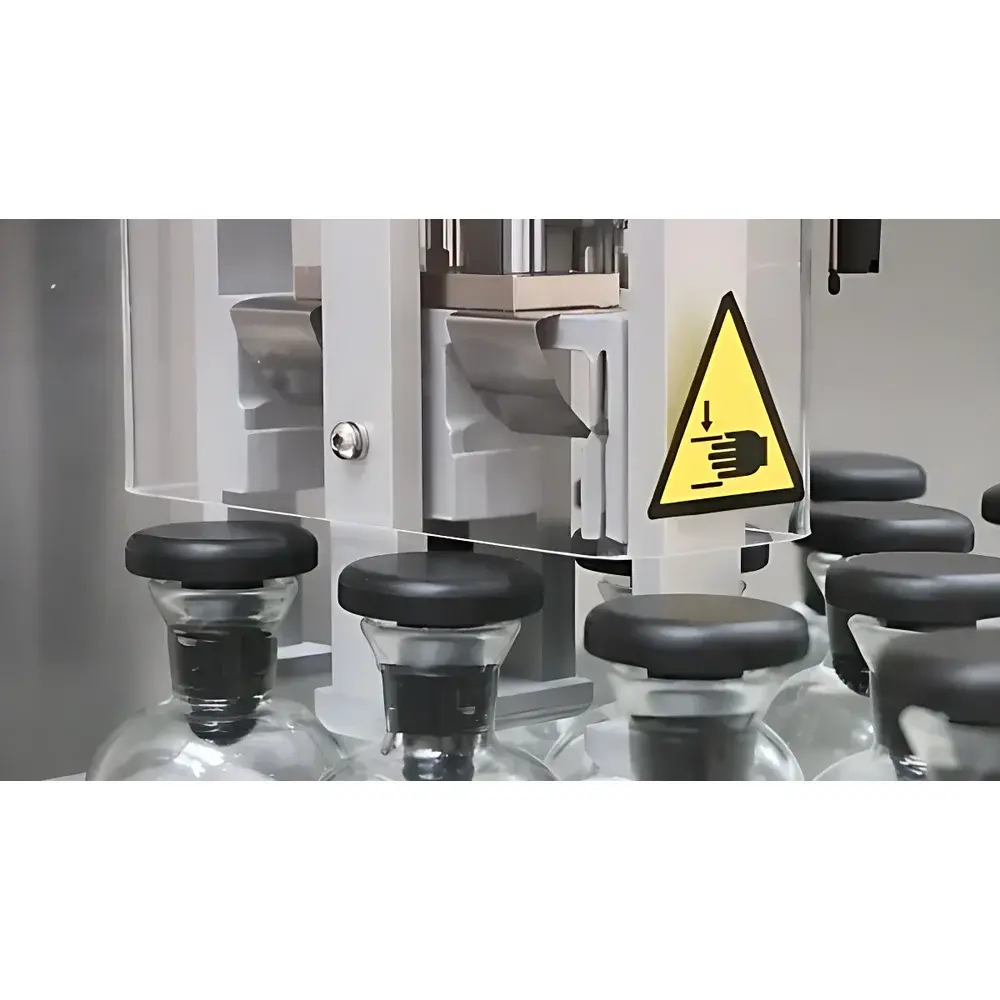
| Sample Vessel | 300 mL Wheaton borosilicate glass BOD bottle |
| Throughput | 60 samples per run |
| Probe Type | Polarographic or optical DO sensor (user-configurable) |
| Cleaning Protocol | Automated probe rinse with deionized water between measurements |
| Software Control | Labman BODSoft v4.x (Windows-based, audit-trail enabled) |
Overview
The Labman AutoBOD-60 is a fully automated, high-throughput laboratory system engineered for standardized biochemical oxygen demand (BOD₅) determination in accordance with ISO 5815-1:2019, ASTM D5210-19, and APHA Standard Methods 5210B. It implements the dissolved oxygen (DO) depletion principle: measuring initial and final dissolved oxygen concentrations in sealed, incubated BOD bottles after five days (or accelerated 60-minute kinetic protocol under controlled temperature and agitation), then calculating oxygen consumed by aerobic microorganisms during organic matter degradation. Unlike traditional manual or semi-automated approaches, the AutoBOD-60 eliminates operator variability, minimizes cross-contamination risk, and ensures strict adherence to incubation timing, mixing intensity, and probe calibration protocols—critical factors affecting method reproducibility and regulatory acceptability.
Key Features
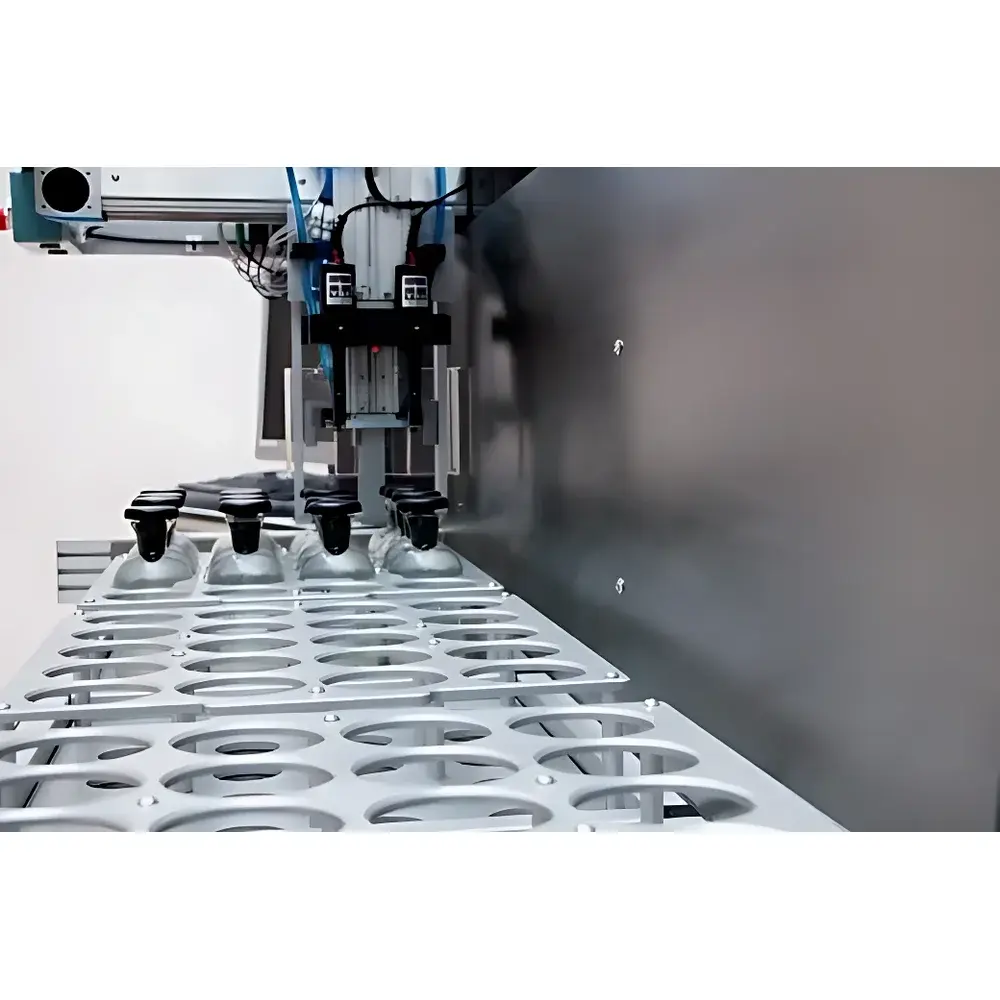
- 60-position carousel accommodating standard 300 mL Wheaton-type borosilicate glass BOD bottles, compatible with both conventional 5-day and accelerated kinetic measurement protocols
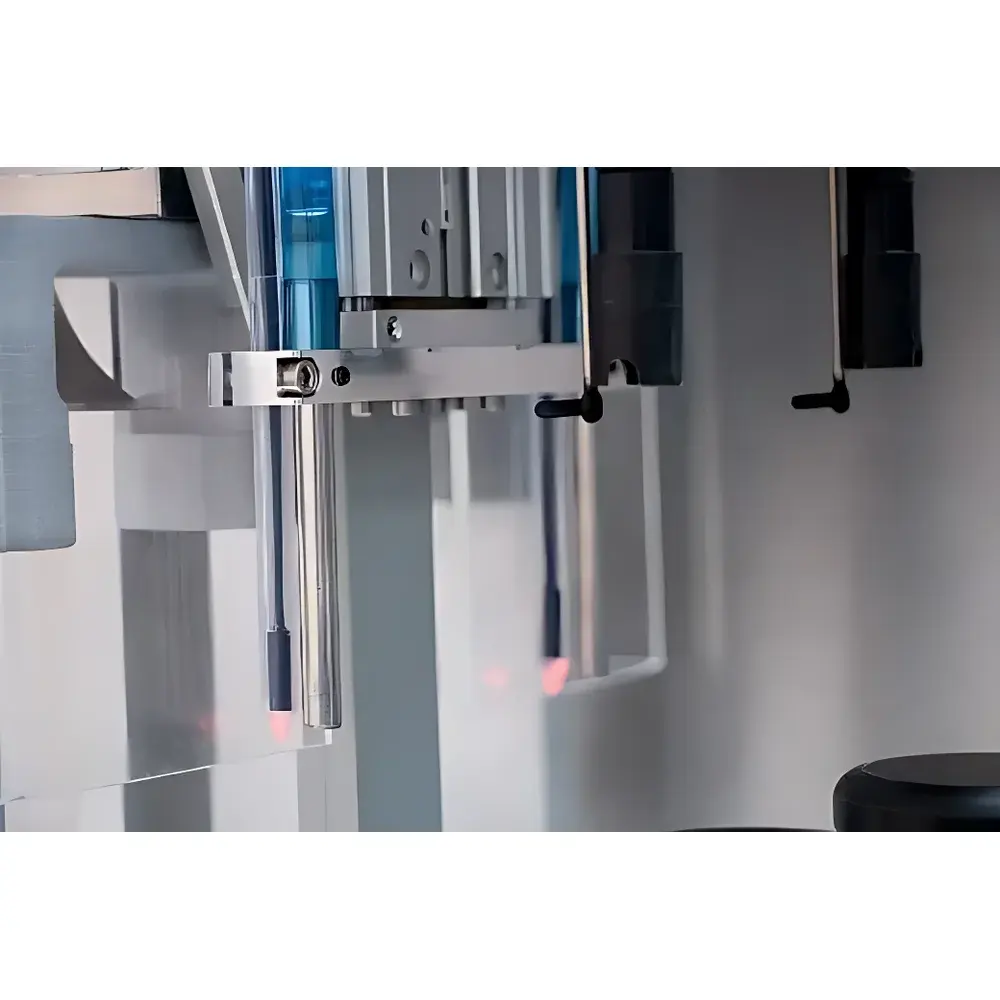
- Integrated robotic manipulator for precise lid removal, dilution liquid dispensing (to user-defined fill height), DO probe immersion, and lid resealing—each action validated via position feedback and force sensing
- Programmable magnetic stirring during DO measurement to ensure uniform oxygen mass transfer and eliminate boundary layer effects, compliant with ISO 5815-1 agitation requirements
- Dual-mode DO sensing support: configurable integration of polarographic Clark-type or optical luminescent DO probes, each traceable to NIST-certified standards
- On-board probe cleaning station using ultrapure deionized water and timed air-dry cycles to prevent biofilm carryover between samples
- Temperature-controlled incubation module (±0.2 °C stability at 20 °C) with independent humidity management to prevent bottle condensation and evaporation artifacts
- Modular hardware architecture enabling field-upgradable components—including probe interfaces, fluid handling manifolds, and safety interlocks—without system downtime
Sample Compatibility & Compliance
The AutoBOD-60 accepts raw wastewater, treated effluent, surface water, drinking water pre-filters, and industrial process streams. It supports sample pretreatment steps including pH adjustment, nitrification inhibition (using allylthiourea), and seeding where required. All operational parameters—including incubation duration, dilution factor selection, and DO measurement frequency—are programmable per sample group. The system complies with GLP and GMP data integrity requirements: electronic records meet FDA 21 CFR Part 11 criteria (user authentication, audit trail, electronic signature support), and raw DO time-series data are stored with metadata (timestamp, probe ID, calibration history, environmental chamber logs). Validation documentation—including IQ/OQ/PQ protocols and uncertainty budgets per ISO/IEC 17025—is provided upon installation.
Software & Data Management
Labman BODSoft v4.x serves as the central control and data analysis platform. It features a role-based access interface with configurable permission levels (operator, supervisor, administrator). The software automates BOD calculation using either the standard difference method (BOD₅ = DOi − DOf) or user-defined kinetic models (e.g., first-order respiration rate fitting). All measurement sequences are scriptable via XML-based method templates; batch processing supports LIMS integration via ASTM E1384-compliant HL7 or CSV export. Audit trails record every parameter change, probe calibration event, and manual override—retained for ≥10 years with SHA-256 hash integrity verification. Raw sensor data (mV or % saturation), temperature logs, and mechanical actuator status are archived in vendor-neutral HDF5 format for third-party analysis.
Applications
The AutoBOD-60 is deployed in municipal wastewater treatment plants for compliance monitoring (EU Urban Wastewater Treatment Directive, US Clean Water Act NPDES permits), in pharmaceutical manufacturing for environmental monitoring of bioburden in purified water systems (USP ), and in contract environmental testing laboratories accredited to ISO/IEC 17025. Its robustness supports high-volume routine analysis in food & beverage QC labs assessing organic load in rinse waters and fermentation effluents. Academic research groups utilize its programmable kinetics mode to study microbial respiration profiles under varying substrate compositions or inhibitor conditions—enabling comparative ecotoxicity assessments without manual intervention bias.
FAQ
Does the AutoBOD-60 comply with ISO 5815-1:2019 and ASTM D5210-19?
Yes—hardware design, probe calibration routines, agitation specifications, and incubation control parameters are all aligned with the normative requirements of both standards.
Can the system accommodate alternative BOD bottle formats or volumes?
Standard configuration uses 300 mL Wheaton bottles; custom end-effectors and fluid manifolds can be engineered for 60 mL or 250 mL variants upon request.
Is remote monitoring and troubleshooting supported?
The system includes secure TLS 1.3-enabled remote desktop access (with customer-configurable firewall rules) and real-time diagnostic telemetry via Labman’s cloud-connected Health Monitor service.
What validation documentation is supplied?
Full IQ/OQ/PQ protocols, metrological traceability statements for all sensors, uncertainty budgets per ISO/IEC 17025 Annex A.1, and a 3-year calibration certificate package are included.
How is probe drift compensated during extended unattended runs?
The software performs automatic zero-point and span verification before each 12-sample block using certified DO standards (0% and 100% air-saturated water), with drift correction applied in real time to raw signal outputs.
Related Products







