
Labsphere Spectralon® Diffuse Reflectance Target Board
| Brand | Labsphere |
|---|---|
| Origin | USA |
| Model | Spectralon® Target Board |
| Calibration Range | 250–2500 nm (NIST-traceable) |
| Reflectance Options | 2% to 99% |
| Standard Mounting Frame | Anodized Aluminum (Rough Surface Finish) |
| Dimensions Available | 2×2 in to 24×24 in |
| Thickness | 0.65 in |
| Thermal & Chemical Stability | High |
| Cleanability | Water-rinsable |
Overview
Labsphere Spectralon® Diffuse Reflectance Target Boards are precision-engineered optical calibration standards designed for high-fidelity radiometric and photometric measurement systems. Based on Spectralon® — a proprietary sintered polytetrafluoroethylene (PTFE) material — these targets deliver near-Lambertian bidirectional reflectance distribution function (BRDF) characteristics across an exceptionally broad spectral range (250–2500 nm). Unlike painted or coated standards, Spectralon® maintains stable, spectrally flat reflectance under prolonged UV exposure, thermal cycling, humidity, and mechanical abrasion. Its isotropic scattering behavior ensures consistent contrast and signal-to-noise ratio regardless of incident angle or illumination geometry, making it indispensable for laboratory validation, field-deployable sensor characterization, and remote sensing system calibration.
Key Features
- NIST-traceable calibration: Each board includes certified reflectance data at 50-nm intervals from 250 nm to 2500 nm, directly traceable to the National Institute of Standards and Technology (NIST) via Labsphere’s ISO/IEC 17025-accredited calibration laboratory.
- Exceptional spectral stability: Reflectance remains invariant over time and environmental stress due to Spectralon®’s chemically inert, non-hygroscopic, and thermally robust PTFE matrix (operating range: –40 °C to +100 °C).
- Modular mounting architecture: All standard boards are housed in rugged, surface-roughened anodized aluminum frames with precise dimensional tolerances (±0.005 in), ensuring repeatable positioning and minimizing edge diffraction artifacts.
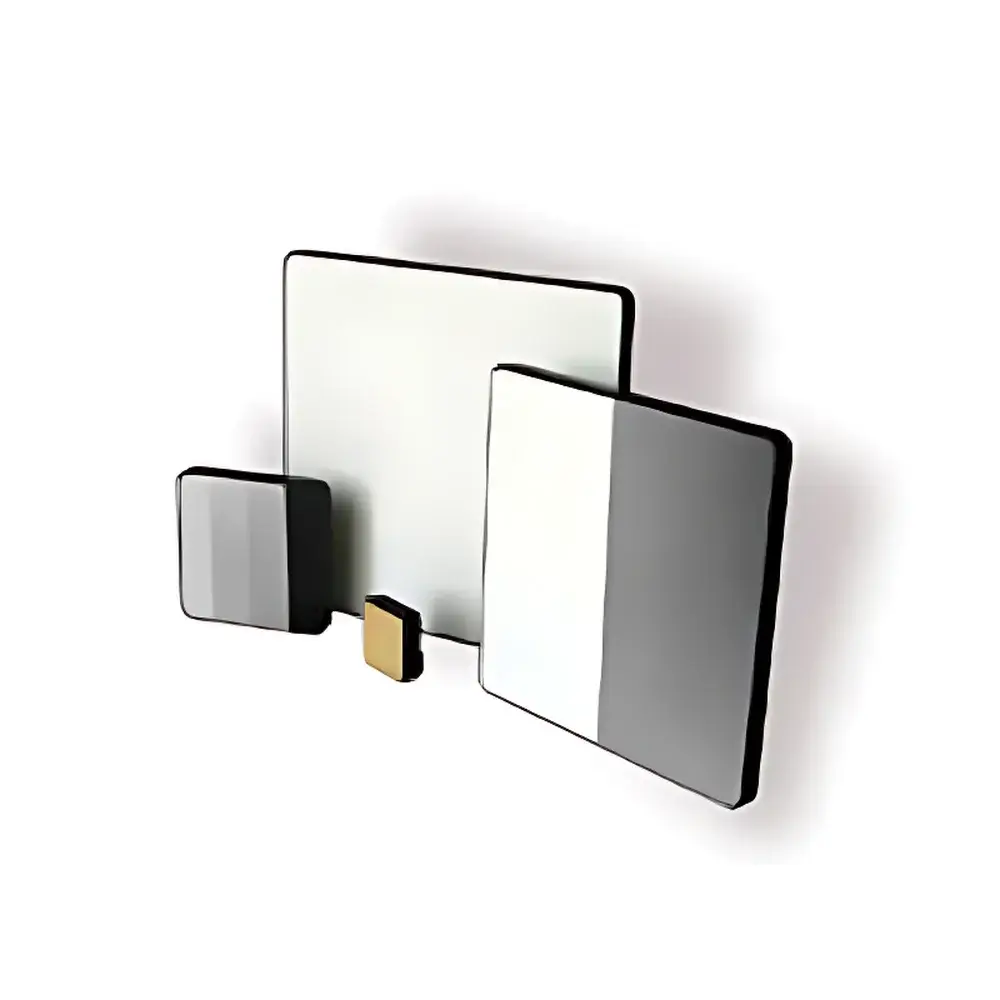
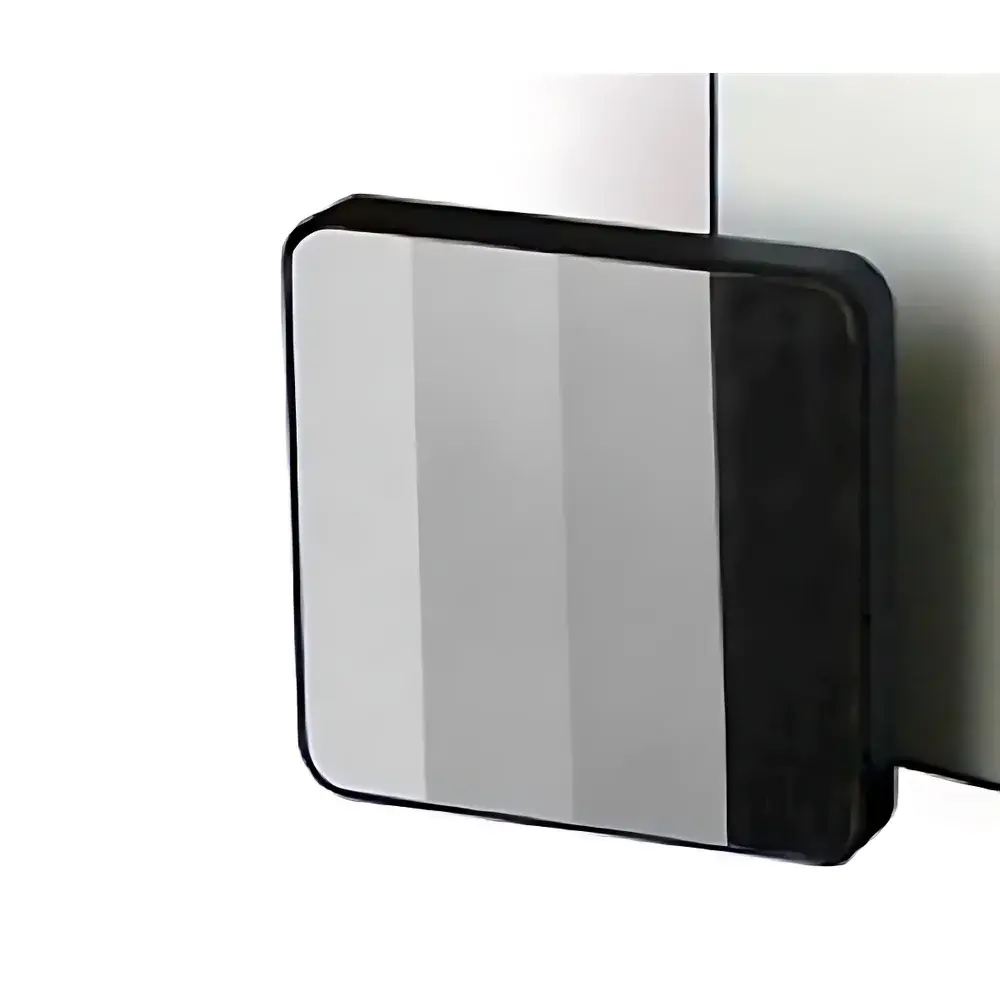
- Configurable reflectance options: Available in discrete reflectance levels from 2% to 99%, including dual-tone (e.g., 99%/10%) and multi-level (99%/50%/25%/12%) configurations optimized for dynamic range verification and MTF testing.
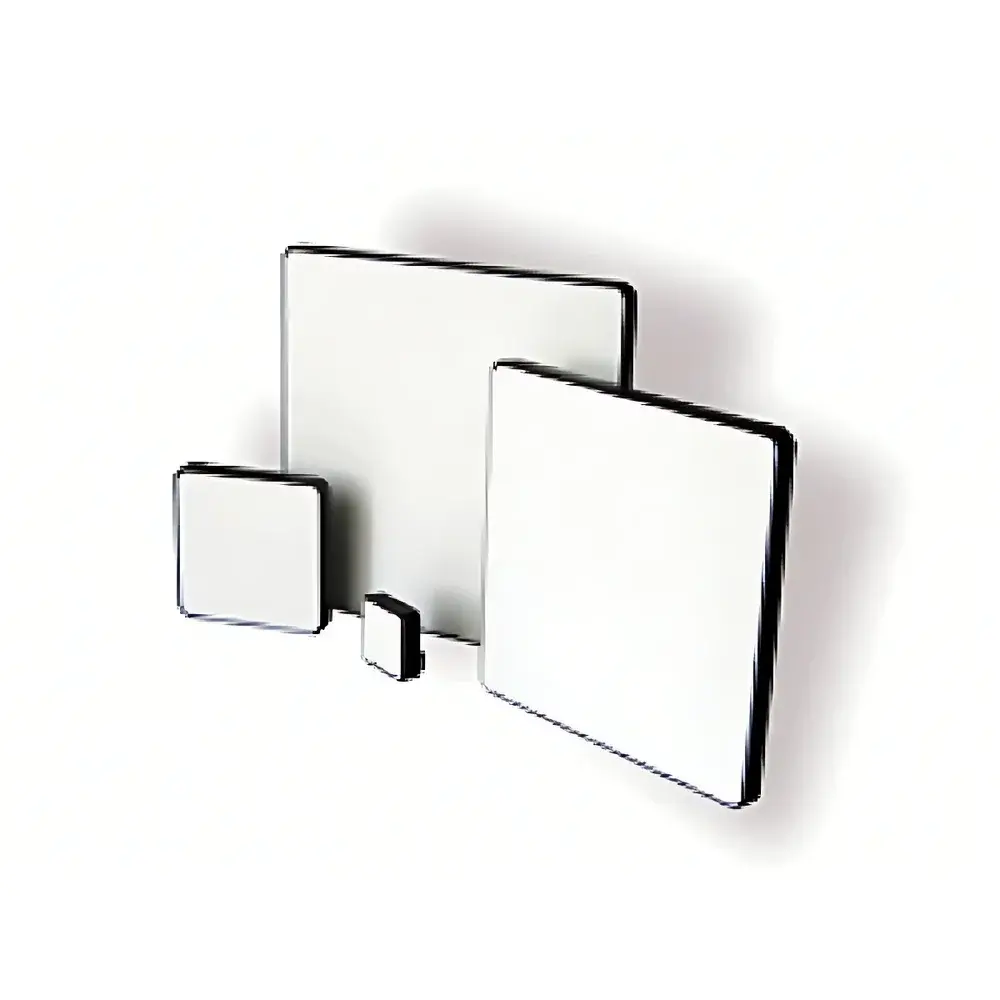
- Scalable form factors: Standard sizes range from 2×2 inches to 24×24 inches; custom fabrication supports panels up to 3 meters × 3 meters for large-aperture imaging systems and airborne sensor ground truthing.
Sample Compatibility & Compliance
Spectralon® Target Boards are compatible with a wide array of optical instrumentation, including integrating spheres, spectroradiometers (e.g., Ocean Insight, ASD FieldSpec), hyperspectral imagers, satellite sensor simulators, and UAV-mounted multispectral payloads. Their BRDF conformity meets ASTM E259–22 (“Standard Practice for Specifying and Verifying the Performance of Diffuse Reflectance Standards”) and supports compliance with ISO 13406-2 (display ergonomics), ISO 9241-307 (optical radiation safety), and USP particulate matter testing protocols where calibrated diffuse reflectance is required. For regulated environments, full audit trails—including calibration certificates, uncertainty budgets, and handling instructions—are provided per GLP and FDA 21 CFR Part 11 requirements.
Software & Data Management
Labsphere delivers reflectance data in machine-readable ASCII format (.csv), fully compatible with MATLAB®, Python (NumPy/Pandas), and commercial optical analysis suites such as LightTools®, FRED®, and OpticStudio™. The dataset includes wavelength (nm), absolute reflectance (%), expanded uncertainty (k=2), and measurement date. Optional integration with Labsphere’s CalSoft™ platform enables automated spectral comparison, drift monitoring, and long-term performance trending—critical for ISO 17025-compliant quality assurance programs. All calibration records are digitally signed and timestamped, supporting electronic record retention in accordance with 21 CFR Part 11 Annex 11 guidelines.
Applications
- Radiometric calibration of Earth observation sensors (e.g., VIIRS, OLI, Sentinel MSI) during pre-launch and vicarious calibration campaigns
- Validation of camera response linearity, dynamic range, and spatial uniformity in machine vision and autonomous vehicle perception systems
- Contrast transfer function (CTF) and modulation transfer function (MTF) evaluation of optical assemblies and lens systems
- Reference target for laser spot profiling, beam homogeneity assessment, and LIDAR receiver sensitivity mapping
- Ground reference for UAV-based NDVI, NDWI, and other vegetation/water index validation studies
- Photographic exposure meter calibration and colorimetric reference in studio lighting environments
FAQ
Are Spectralon® Target Boards suitable for outdoor deployment?
Yes. Their resistance to UV degradation, moisture absorption, and thermal expansion enables reliable operation in unsheltered field conditions for extended periods without recalibration.
Can I clean a Spectralon® board without affecting its reflectance?
Yes. Gently rinse with deionized water and air-dry; avoid solvents, abrasive cloths, or ultrasonic cleaning. Surface contamination removal does not alter intrinsic reflectance properties.
What is the uncertainty associated with NIST-traceable calibration?
Typical expanded uncertainty (k = 2) is ±0.3% absolute reflectance across the visible-NIR range (400–1000 nm), increasing to ±0.8% at UV and SWIR extremes (250–2500 nm), as documented in the included certificate.
Do you offer OEM integration support?
Yes. Labsphere provides mechanical interface drawings, spectral data APIs, and application engineering consultation for embedded integration into custom optical test benches and automated production metrology systems.
Is there a difference between “Spectralon®” and generic PTFE reflectance materials?
Yes. Only genuine Spectralon®—manufactured exclusively by Labsphere under controlled sintering conditions—achieves the required BRDF uniformity, spectral flatness, and long-term stability specified in ASTM E259 and ISO 21348.



