
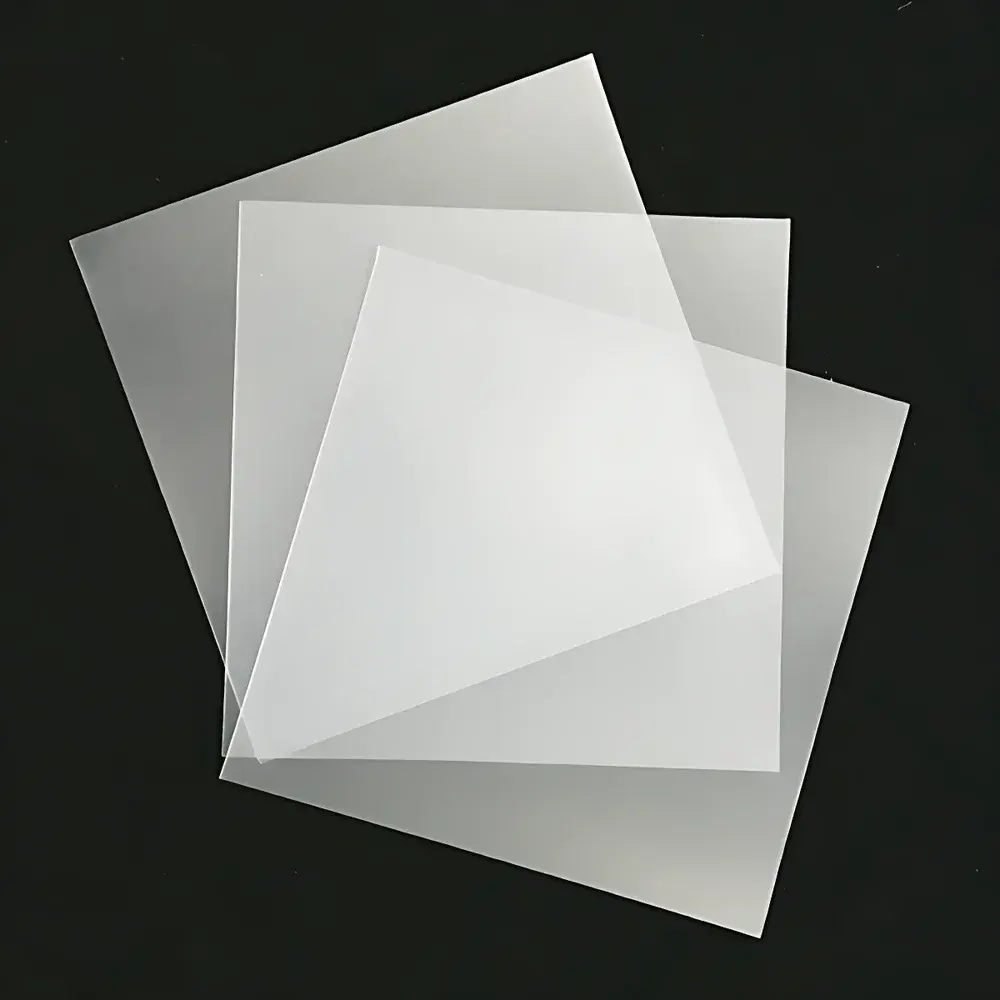
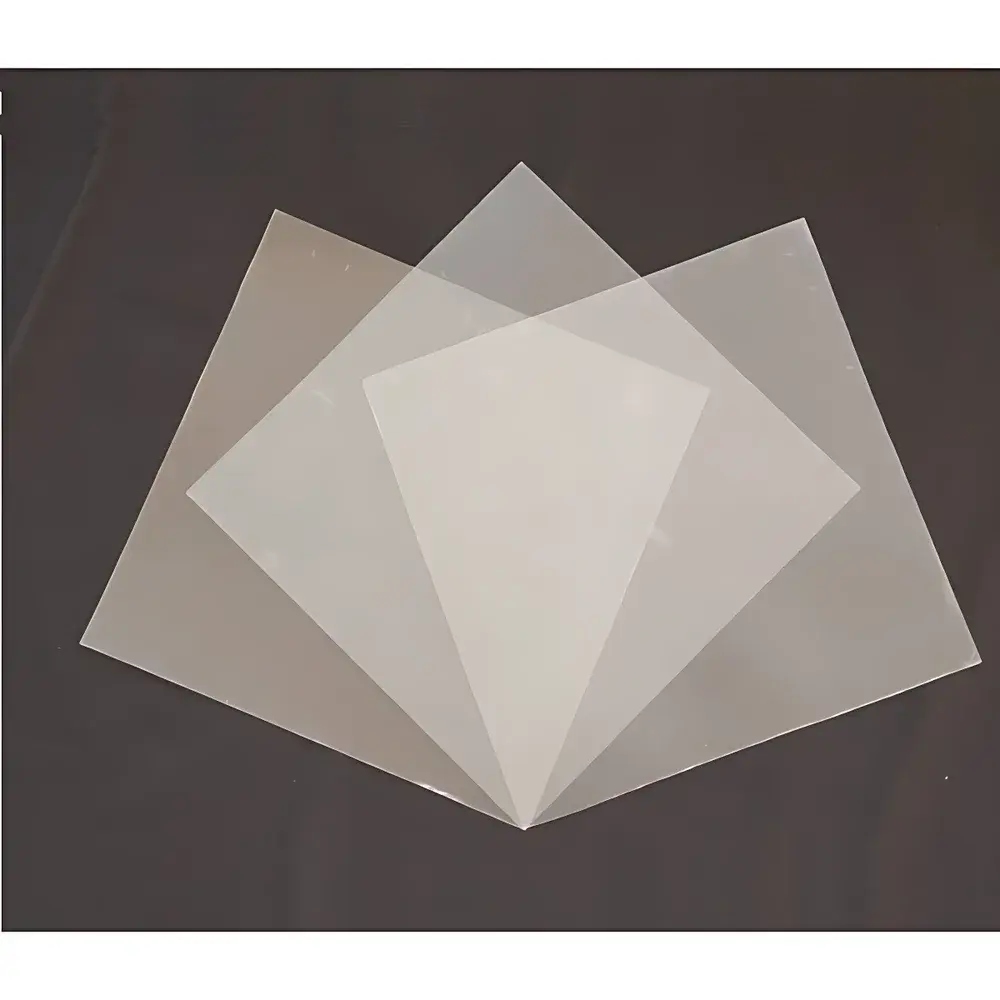
Labthink Reference Films for Gas Permeability Tester Calibration – PC and PET Standard Reference Membranes
| Brand | Labthink |
|---|---|
| Origin | Shandong, China |
| Manufacturer Type | Direct Manufacturer |
| Region of Origin | Domestic (China) |
| Model | Labthink Permeability Reference Film |
| Pricing | Upon Request |
Overview
Labthink Reference Films are certified standard reference materials (SRMs) engineered specifically for calibration, verification, and performance validation of gas permeability testing instruments—particularly those operating per ASTM D3985 (oxygen), ASTM F2622 (multiple gases), ISO 15105-1/-2, and GB/T 1038. These films serve as metrological anchors in packaging permeation laboratories, ensuring measurement traceability to internationally recognized physical properties. Unlike generic calibration foils, Labthink’s reference membranes are manufactured under controlled cleanroom conditions with strict batch-to-batch consistency in thickness, surface morphology, and intrinsic gas transmission rate (GTR). Each lot undergoes full characterization using primary-standard gravimetric and coulometric methods, with certified GTR values reported at standard conditions (23 °C, 0% RH) for O₂, N₂, and CO₂. The films comply with the fundamental criteria for SRMs defined by NIST SP 260 series: homogeneity, stability, measurability, and documented uncertainty budgets. Their use is essential for GLP-compliant labs performing barrier validation per FDA guidance for pharmaceutical packaging and for ISO/IEC 17025-accredited testing facilities requiring documented instrument qualification (IQ/OQ/PQ).
Key Features
- Two chemically distinct, NIST-aligned reference matrices: aromatic polycarbonate (PC) and polyethylene terephthalate (PET), each with independently certified gas transmission rates
- PC films exhibit ultra-low O₂ permeability (~0.5–2.0 cm³·mil/m²·day·atm), ideal for validating high-barrier instrument sensitivity and baseline drift
- PET films provide mid-range permeability (~15–45 cm³·mil/m²·day·atm), enabling linearity verification across typical packaging material ranges
- Thickness controlled to ±0.5 µm tolerance; certified nominal thickness: 25 µm (PC), 12 µm (PET), verified via laser interferometry
- Each sealed aluminum-laminated pouch includes a Certificate of Analysis (CoA) listing certified GTR values, expanded uncertainty (k=2), homogeneity test data, and shelf-life validation (24 months unopened)
- Manufactured in an ISO 9001- and ISO 14001-certified facility with full traceability to raw material lots and environmental control logs
Sample Compatibility & Compliance
These reference films are compatible with all commercially available gas permeability testers utilizing coulometric (ASTM D3985), infrared (ASTM F2622), or paramagnetic detection principles—including MOCON Ox-Tran, Systech Instruments 8000 series, and Labthink VAC-V2. They meet the material eligibility requirements of USP “Packaging—Performance Testing” for barrier qualification and support compliance with ICH Q5C (stability of biopharmaceuticals) and EU Annex 1 (sterile manufacturing). All films are supplied with documentation aligned with FDA 21 CFR Part 11 requirements for electronic records, including digitally signed CoAs with audit trail metadata. Batch-specific stability data confirms no measurable GTR shift after accelerated aging (40 °C/75% RH for 90 days), satisfying long-term storage requirements for regulated environments.
Software & Data Management
Labthink provides optional digital calibration management tools compatible with major permeability instrument platforms. These include a secure web portal for downloading batch-specific CoA PDFs with embedded digital signatures and QR-coded traceability links. For laboratories implementing LIMS integration, XML-based calibration data feeds (including certified GTR, uncertainty, and expiration date) are available upon request. All reference film CoAs conform to ISO/IEC 17025:2017 clause 7.7 on reporting of results and include uncertainty statements calculated per GUM (JCGM 100:2008). Audit-ready documentation supports annual instrument requalification and regulatory inspections without supplemental verification testing.
Applications
- Calibration of O₂, CO₂, and N₂ permeability analyzers prior to routine testing of pharmaceutical blister foils, sterile barrier systems, and medical device pouches
- Verification of instrument repeatability and intermediate precision per ISO 5725-2 during daily startup protocols
- Establishing control limits for statistical process control (SPC) charts in packaging R&D labs
- Supporting method transfer between sites by providing identical reference baselines across global testing networks
- Validating humidity-controlled permeation chambers (e.g., 0%, 50%, 90% RH) through comparative GTR measurements at non-standard RH levels
- Training new analysts on proper film handling, chamber loading, and baseline stabilization procedures
FAQ
What is the shelf life of unopened Labthink reference films?
Unopened pouches retain certified performance for 24 months when stored at 15–25 °C and ≤60% RH. Exposure to UV light or elevated temperature (>30 °C) invalidates certification.
Can these films be reused after initial testing?
No. Each film is intended for single-use only to prevent surface contamination, static charge accumulation, or mechanical deformation that compromises measurement integrity.
Do you provide uncertainty budgets for each certified GTR value?
Yes. Every Certificate of Analysis reports expanded uncertainty (k=2) derived from Type A (repeatability) and Type B (reference standard, environmental, thickness measurement) components per GUM guidelines.
Are these films accepted by accreditation bodies such as A2LA or UKAS?
Yes. Labthink Reference Films are routinely cited in successful ISO/IEC 17025 scope expansions for permeability testing and have been validated in interlaboratory comparison studies coordinated by PT providers.
How are thickness variations accounted for in GTR certification?
Certified GTR values are normalized to the measured thickness of each individual film specimen using in-situ laser micrometry; thickness is not assumed but directly integrated into the final reported value.






