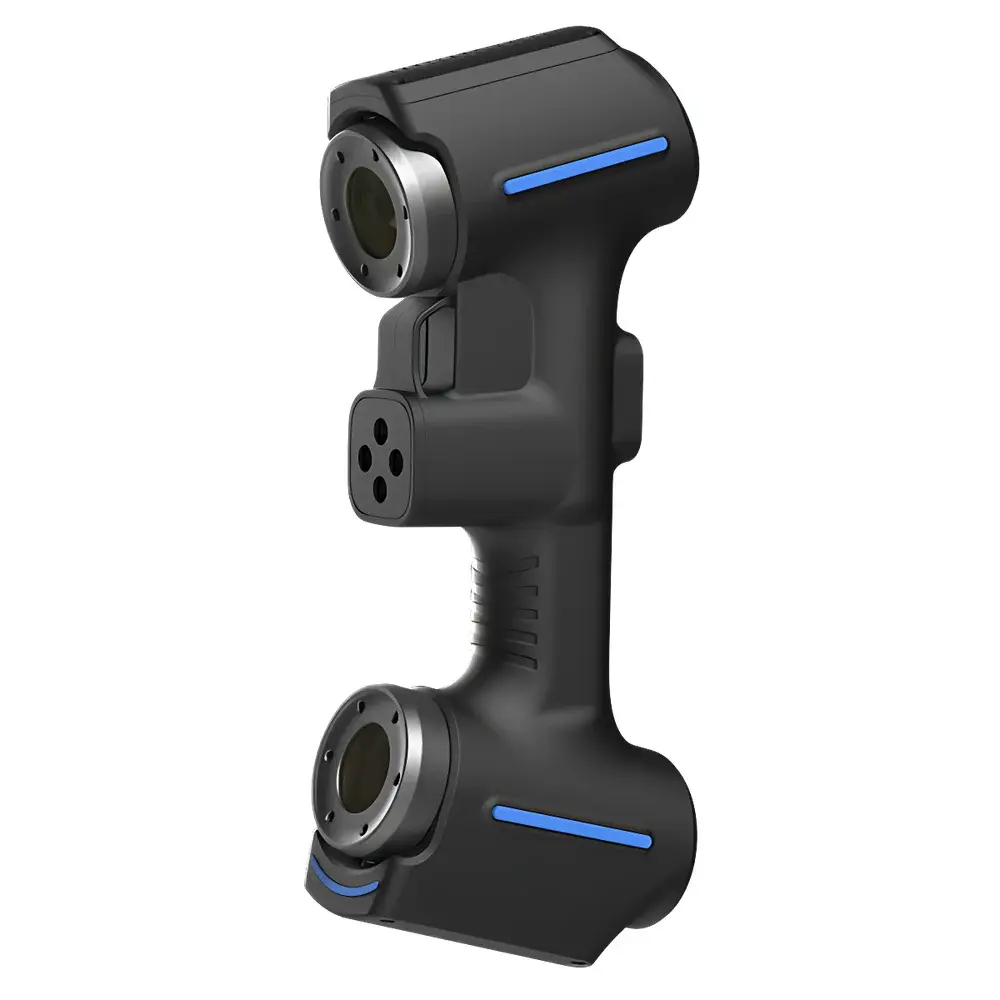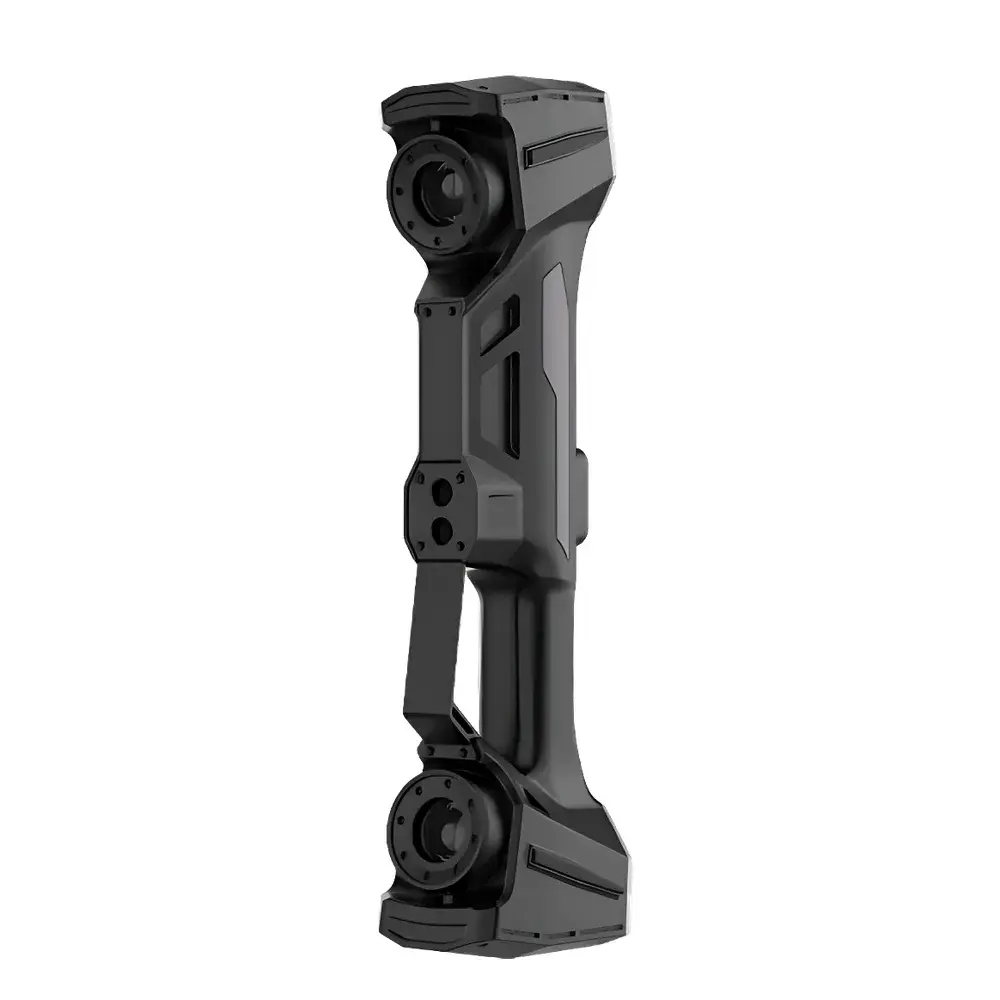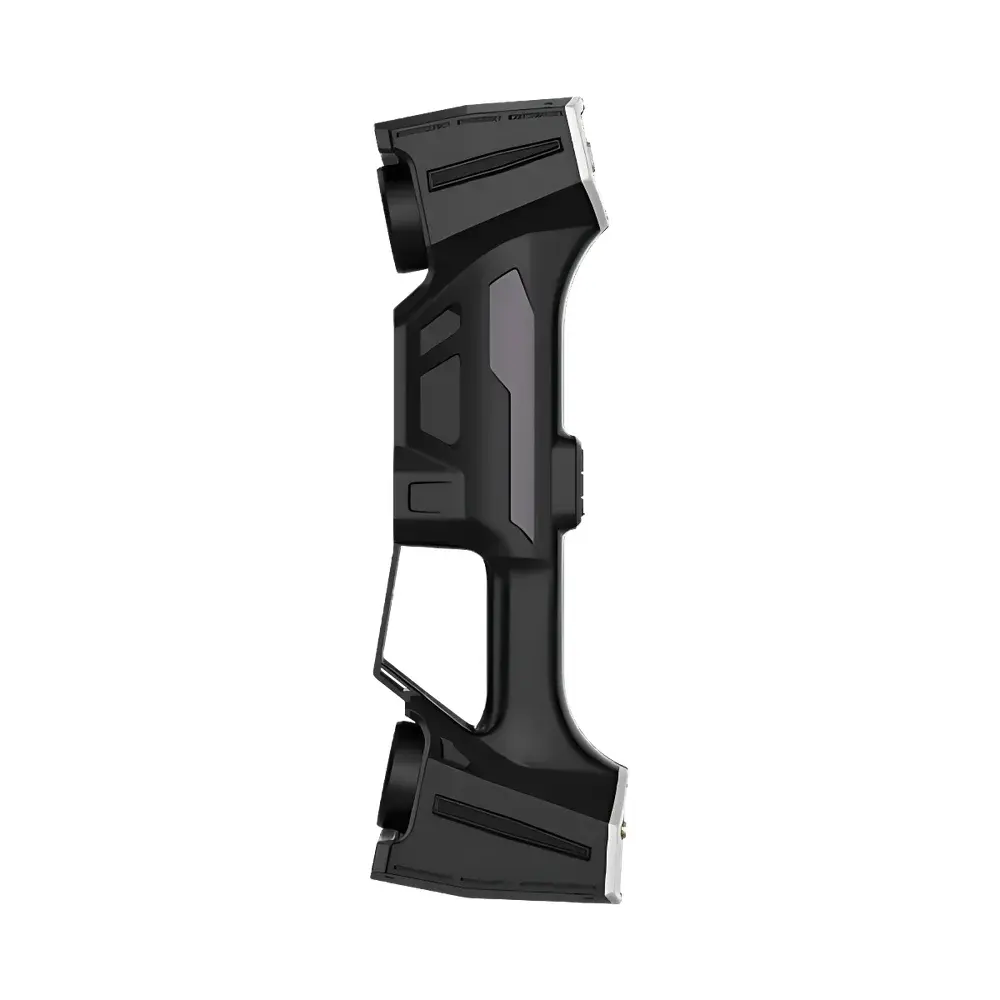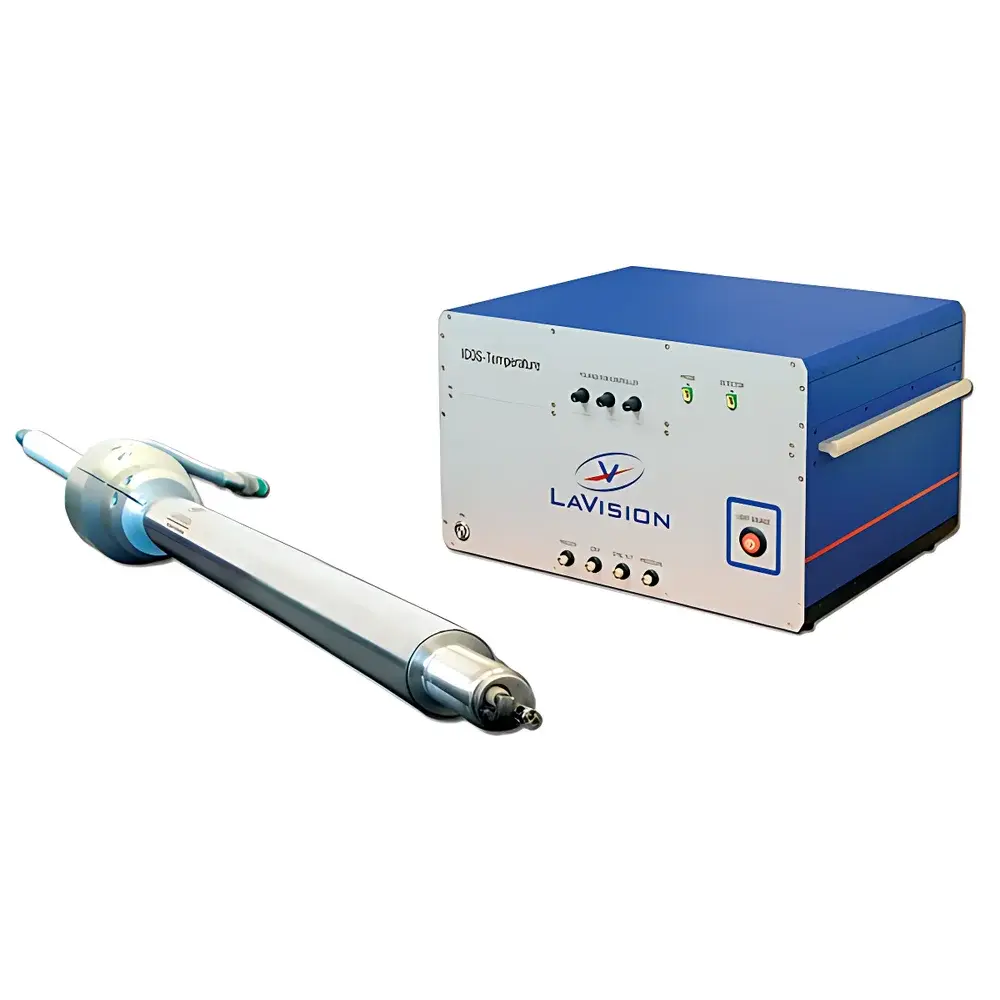
LaVision ICOS-Temperature In-Cylinder Optical Temperature & H₂O Concentration Sensor
| Brand | LaVision GmbH |
|---|---|
| Origin | Germany |
| Model | ICOS-Temperature |
| Application Domain | In-cylinder combustion diagnostics |
| Measurement Principle | Tunable Diode Laser Absorption Spectroscopy (TDLAS) in the near-infrared (NIR) range |
| Output Resolution | Crank-angle-resolved (≤0.1° CA), single-cycle or multi-cycle averaged |
| Probe Options | Non-intrusive fiber-coupled optics or minimally intrusive sapphire-windowed probes |
| Compliance | Designed for integration into ISO 2534, SAE J1939, and EU Regulation (EC) No 715/2007 test environments |
| Data Interface | Ethernet (TCP/IP), synchronized with engine position encoder (e.g., AVL PUMA, ETAS INCA) |
Overview
The LaVision ICOS-Temperature is a high-speed, crank-angle-resolved optical sensor system engineered for in-situ, time-resolved measurement of gas temperature and absolute water vapor (H₂O) concentration directly inside internal combustion engine cylinders. It operates on the principle of Tunable Diode Laser Absorption Spectroscopy (TDLAS) in the near-infrared spectral region, where specific rovibrational transitions of H₂O exhibit strong, temperature-dependent absorption features. By probing two or more adjacent absorption lines with distinct lower-state energies, the system calculates instantaneous gas temperature via the Boltzmann distribution ratio, while simultaneously quantifying H₂O number density from line-intensity calibration. Unlike thermocouples or exhaust-gas sampling systems, ICOS-Temperature delivers true spatially localized, cycle-resolved data without gas extraction, thermal lag, or catalytic surface interference—enabling direct validation of combustion CFD models under transient operating conditions.
Key Features
- True crank-angle-resolved output with ≤0.1° CA temporal resolution, synchronized to high-precision engine position encoders
- Simultaneous dual-parameter acquisition: absolute temperature (K) and H₂O mole fraction (ppm–% range) per engine cycle
- Fiber-optic architecture supporting both non-intrusive line-of-sight configurations (e.g., through transparent piston crown or cylinder head window) and minimally intrusive sapphire-sealed probe mounts
- Real-time spectral fitting using Voigt-profile modeling and least-squares optimization, with on-board spectral baseline correction
- Ruggedized optical head rated for continuous operation at cylinder-head temperatures up to 200 °C and pressures exceeding 100 bar
- Integrated hardware synchronization via TTL trigger inputs compatible with standard engine control and data acquisition platforms (e.g., dSPACE SCALEXIO, National Instruments PXI)
Sample Compatibility & Compliance
The ICOS-Temperature system is validated for use in gasoline direct injection (GDI), diesel compression ignition (CI), homogeneous charge compression ignition (HCCI), and reactivity controlled compression ignition (RCCI) engines. It accommodates variable fuel compositions—including gasoline, ethanol blends (E10–E85), diesel, biodiesel, and synthetic e-fuels—without recalibration. All optical components comply with IEC 60825-1:2014 Class 1 laser safety requirements. System design adheres to mechanical interface standards defined in ISO 2710-1 (engine test bed instrumentation) and supports traceable calibration protocols aligned with ISO/IEC 17025 requirements when deployed in accredited engine development laboratories. Data logging meets GLP-compliant audit trail criteria when integrated with timestamped encoder signals and metadata tagging.
Software & Data Management
LaVision’s DaVis ICOS software provides real-time spectral acquisition, automated line selection, and cycle-by-cycle parameter extraction with configurable averaging windows. Raw absorbance spectra are stored in HDF5 format with embedded metadata (crank angle, RPM, load, fuel rail pressure, EGR rate). Post-processing modules support statistical cycle analysis (coefficient of variation, cyclic dispersion metrics), correlation with in-cylinder pressure traces, and export to MATLAB, Python (via h5py), or AVL BOOST/CONVERGE for boundary condition refinement. The software architecture supports FDA 21 CFR Part 11 compliance when deployed with electronic signature modules and role-based access control—essential for OEM powertrain validation workflows subject to regulatory submission.
Applications
- Quantifying local cooling effects of port/in-cylinder water injection on mixture temperature and autoignition timing
- Evaluating EGR dilution impact on in-cylinder thermal stratification and H₂O formation kinetics during late-cycle oxidation
- Validating turbulent combustion models by correlating measured temperature gradients with LES/PDF simulations
- Diagnosing misfire and partial-burn events through cycle-resolved H₂O yield anomalies
- Supporting certification testing under UN GTR 15 and Euro 7 RDE protocols where in-cylinder thermal history influences PN and NOₓ formation pathways
- Enabling closed-loop control algorithm development for advanced combustion modes (e.g., SPCCI, LTC) using real-time temperature feedback
FAQ
Does ICOS-Temperature require optical access modification to the engine?
Yes—either a sapphire viewport in the cylinder head or a custom piston with fused silica insert is required. LaVision provides mechanical interface kits and alignment fixtures compliant with common engine families (e.g., AVL 512, FEV GT-POWER reference engines).
Can it measure other species besides H₂O?
The base ICOS-Temperature platform is optimized for H₂O and temperature. Optional wavelength modules enable concurrent CO, CO₂, or CH₄ detection; however, each requires dedicated laser sources and spectral calibration.
Is calibration traceable to NIST or PTB standards?
Yes—factory calibration uses reference cells certified by Physikalisch-Technische Bundesanstalt (PTB), with uncertainty budgets documented per ISO/IEC 17025. On-site verification kits include temperature-controlled blackbody sources and NIST-traceable gas mixtures.
What is the minimum detectable H₂O concentration?
Detection limit is 50 ppm (1σ, 100 ms integration) under typical peak-load in-cylinder conditions (T > 1500 K, p > 30 bar), scaling inversely with path length and signal-to-noise ratio.
How is synchronization with engine position achieved?
Via quadrature-encoded crankshaft signal input (RS422) or high-resolution Z-mark pulse triggering, with sub-microsecond jitter compensation implemented in firmware.