
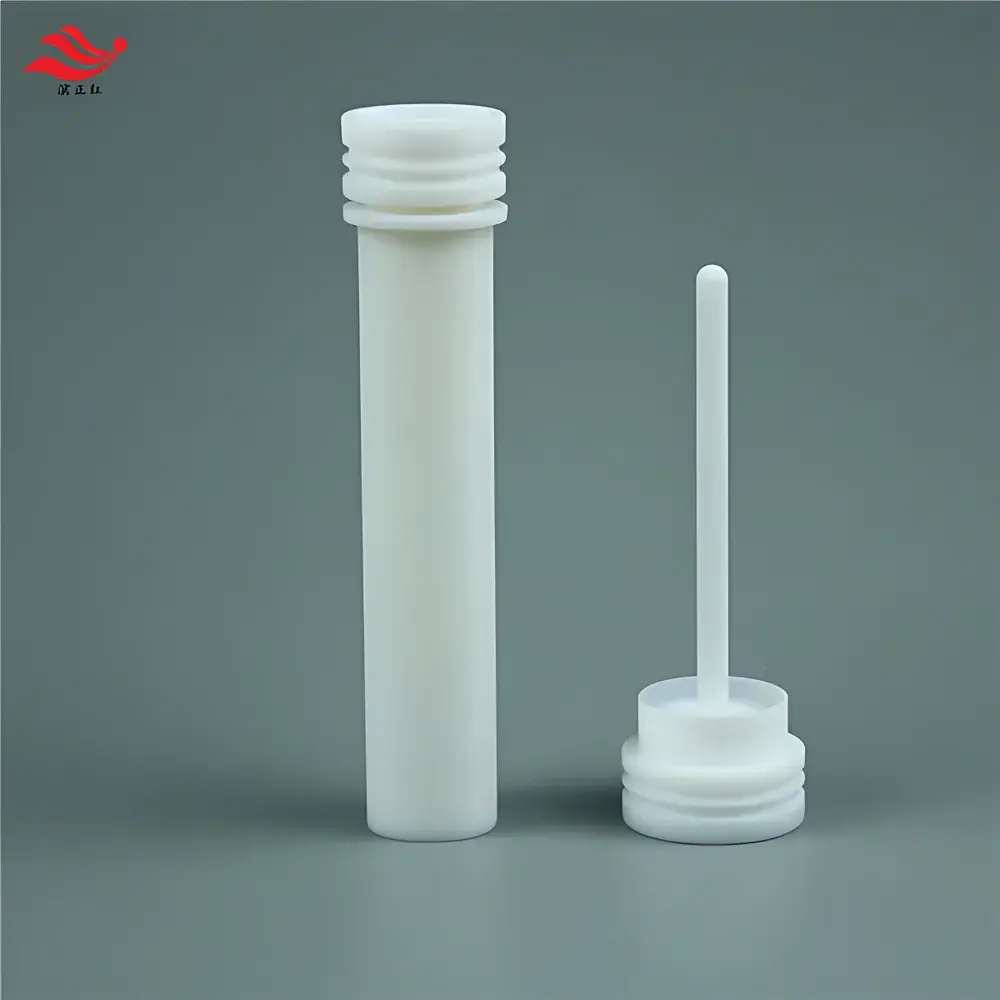
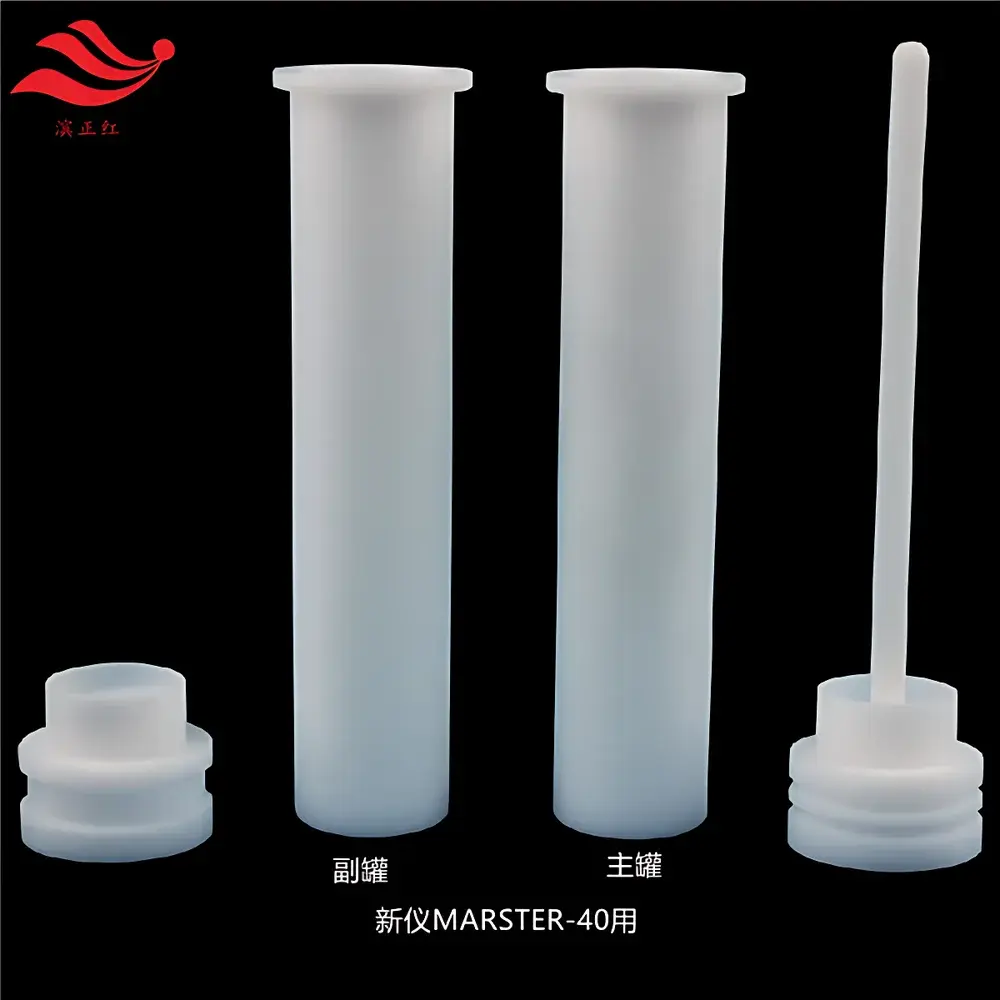
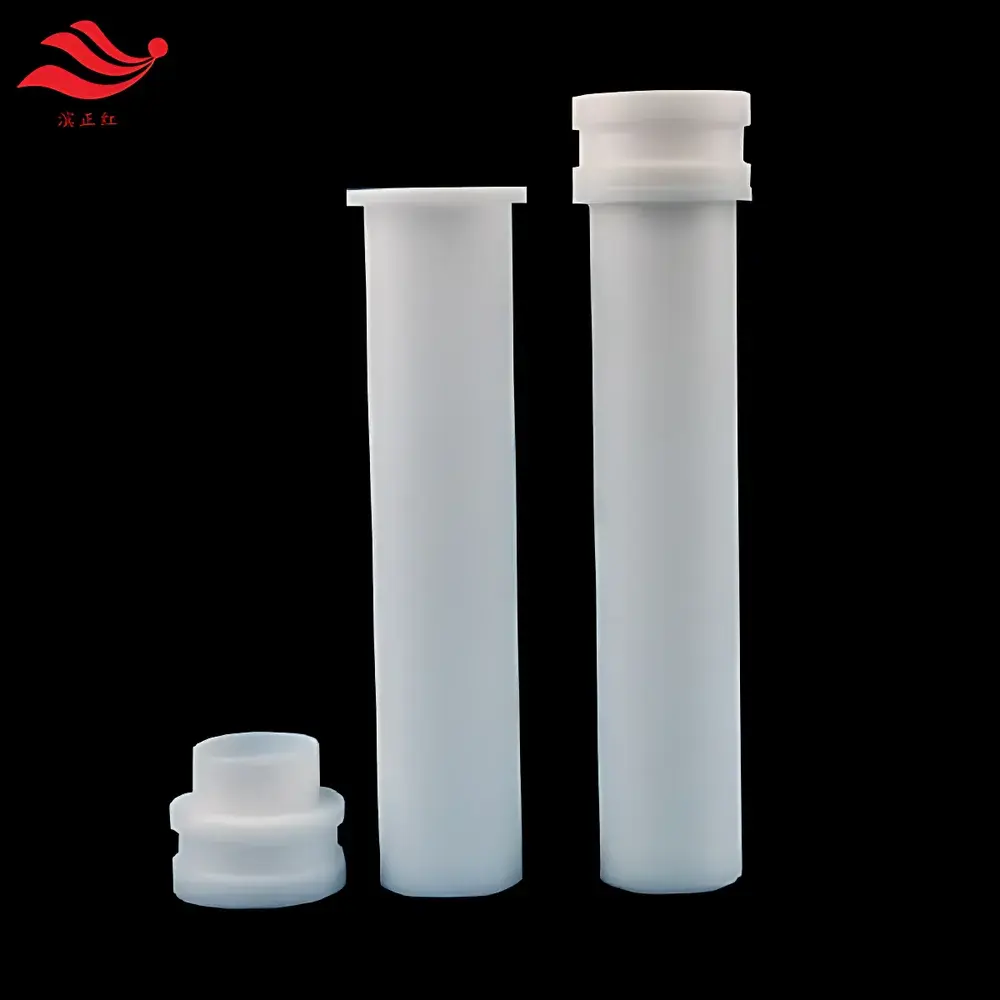
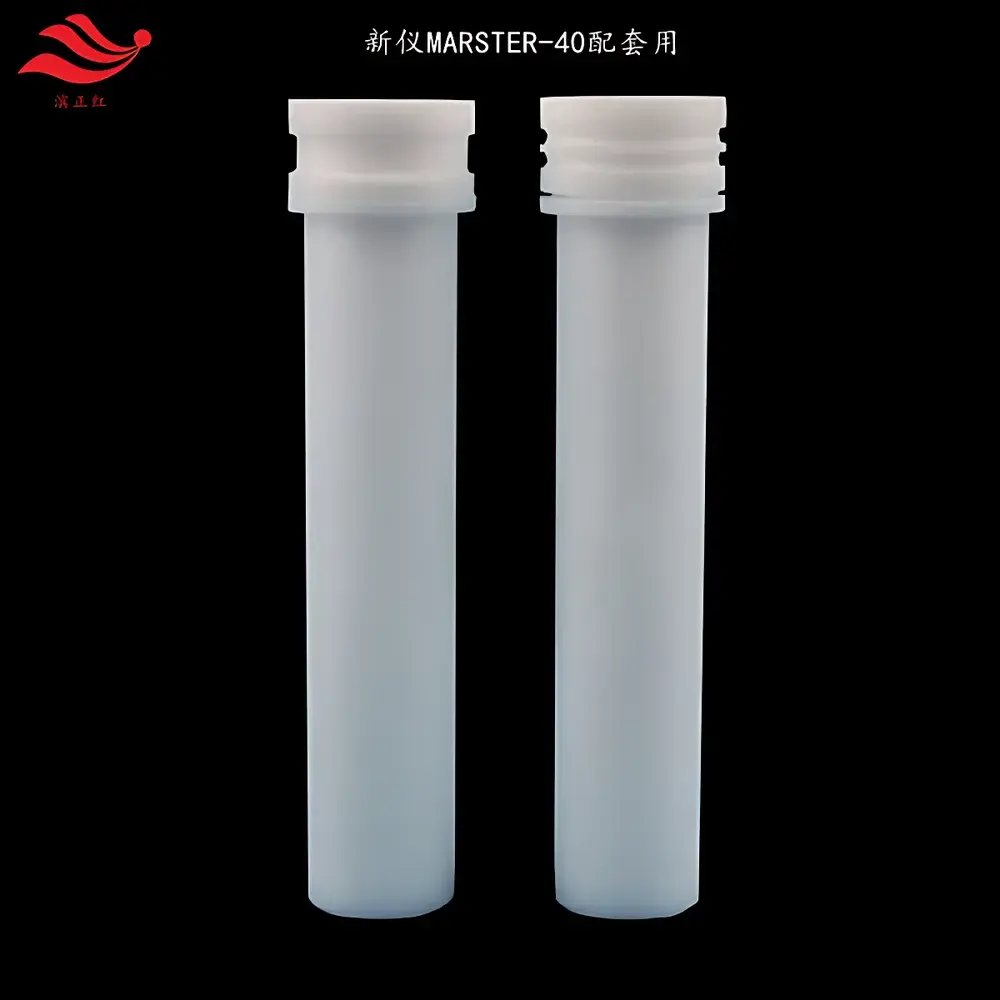
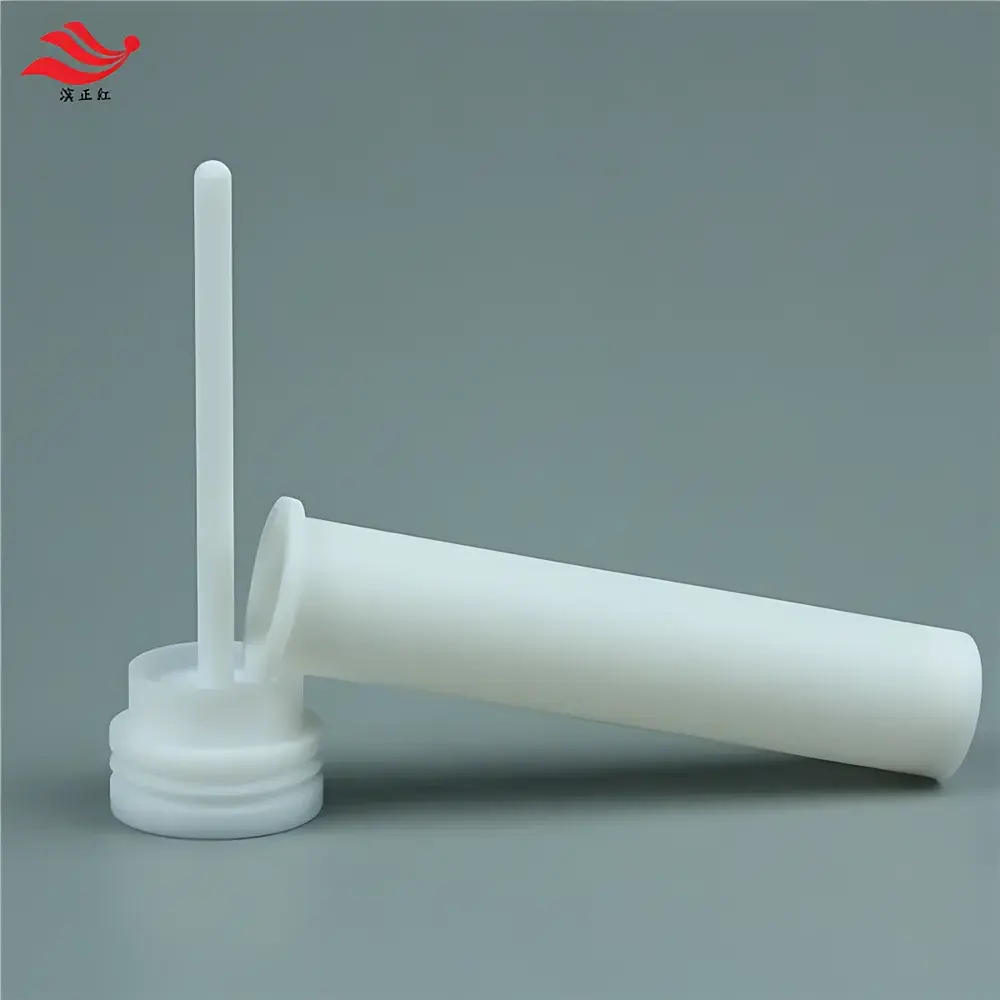
MARSTER 40 Microwave Digestion Vessel (100 mL) with Calibration Marking
| Brand | Nanjing Binzhenghong |
|---|---|
| Origin | Jiangsu, China |
| Manufacturer Type | Direct Manufacturer |
| Origin Category | Domestic |
| Model | MARSTER 40 |
| Pricing | Upon Request |
Overview
The MARSTER 40 Microwave Digestion Vessel is a precision-engineered 100 mL high-pressure, high-temperature quartz or PTFE-lined digestion vessel designed for use in closed-vessel microwave-assisted sample preparation systems. It operates on the principle of microwave dielectric heating—where polar molecules (e.g., H₂O, HNO₃, HCl) absorb electromagnetic energy at 2.45 GHz, inducing rapid and uniform thermal decomposition of organic matrices and dissolution of inorganic species. The vessel features calibrated volume markings etched directly onto the inner wall or neck region, enabling accurate liquid-level verification during reagent addition and post-digestion dilution—critical for trace metal analysis requiring strict volumetric control per ISO/IEC 17025 and EPA Method 3050B protocols.
Key Features
- 100 mL nominal capacity with permanent, laser-etched calibration marks compliant with ISO 1042 Class A tolerances (±0.10 mL at 20 °C)
- Chemically resistant construction: outer body in reinforced PEEK or quartz; inner liner in high-purity PTFE (≥99.99% fluoropolymer content) or quartz, ensuring compatibility with aggressive acid mixtures (e.g., HNO₃–HF–HClO₄)
- Designed for compatibility with MARSTER series microwave digestion systems—including MARSTER 20, MARSTER 40, and MARSTER 60 platforms—ensuring consistent pressure sealing, torque-driven cap engagement, and thermal expansion compensation
- Pressure-rated to ≥15 MPa (2,200 psi) and temperature-rated to ≥300 °C, meeting ASTM D5511 and USP <231> requirements for heavy metals testing
- Autoclavable and reusable after rigorous cleaning per ICH Q5C guidelines; validated for ≥50 digestion cycles without measurable leaching (ICP-MS blank testing <0.5 pg/mL for Cr, Ni, Cu, Zn, Cd, Pb)
Sample Compatibility & Compliance
The MARSTER 40 vessel supports solid, semi-solid, and liquid samples across environmental (soils, sediments, sludges), biological (tissues, hair, botanicals), food (cereals, dairy, seafood), and geological (rocks, ores, fly ash) matrices. Its design conforms to key regulatory frameworks including EPA SW-846 Methods 3015A, 3051A, and 3052; ISO 11885 for water and wastewater; and GB/T 22919.2–2008 (Chinese national standard for aquaculture product testing). All vessels undergo individual hydrostatic pressure testing and batch-certified trace metal blank verification prior to shipment—documentation provided upon request for GLP/GMP audit readiness.
Software & Data Management
While the MARSTER 40 vessel itself is hardware-only, it integrates seamlessly with Binzhenghong’s proprietary microwave control software (e.g., MARSTER Control Suite v4.x), which supports method storage, real-time pressure/temperature logging, automatic safety interlock validation, and export of time-stamped .csv/.xlsx data files. The system architecture supports 21 CFR Part 11-compliant user access controls—including electronic signatures, audit trails for method modifications, and immutable run logs—enabling full traceability in regulated laboratories performing ISO/IEC 17025-accredited testing.
Applications
- Trace elemental analysis (As, Cd, Cr, Cu, Hg, Ni, Pb, Se, Zn) by ICP-OES and ICP-MS following EPA 6020B and ISO 17294-2
- Digestion of high-silica samples (e.g., ceramics, glass, geological materials) using HF-containing chemistries under controlled fume hood conditions
- Preparation of certified reference material (CRM) digests for laboratory proficiency testing (e.g., NIST SRM 2711a, ERM-CC141)
- Routine QC/QA workflows in food safety labs complying with EU Regulation (EC) No 1881/2006 and China’s GB 2762–2022 limits for contaminants
- Method development for novel sample types requiring precise reagent-to-sample ratios and reproducible final dilution volumes
FAQ
Is the MARSTER 40 vessel compatible with non-Binzhenghong microwave systems?
Yes—mechanical dimensions and sealing interface follow widely adopted industry standards (e.g., similar to Milestone ETHOS UP or CEM MARS 6 flange geometry); however, pressure sensor coupling and software integration are optimized for MARSTER-series instruments.
What cleaning protocol is recommended between uses?
Rinse with 10% v/v HNO₃, followed by ultrapure water (18.2 MΩ·cm), then dry in class 100 laminar flow hood; optional bake-out at 120 °C for 2 h to remove residual organics.
Does the calibration marking remain stable after repeated thermal cycling?
Yes—the etched markings are physically inscribed into the liner surface and unaffected by thermal stress up to 300 °C; verified via optical microscopy and dimensional metrology after 100 cycles.
Can these vessels be used for mercury speciation sample prep?
Yes—when paired with cold-vapor or HPLC-ICP-MS workflows, provided Hg-free reagents and dedicated low-background vessels are assigned per ISO 17034 and CLSI EP29-A guidelines.
Is third-party certification available for trace metal blank performance?
Yes—certificates of analysis (CoA) listing measured blanks for ≥12 elements (Al, As, Cd, Co, Cr, Cu, Fe, Mn, Ni, Pb, Sb, Zn) are issued per batch and archived for 10 years.



