
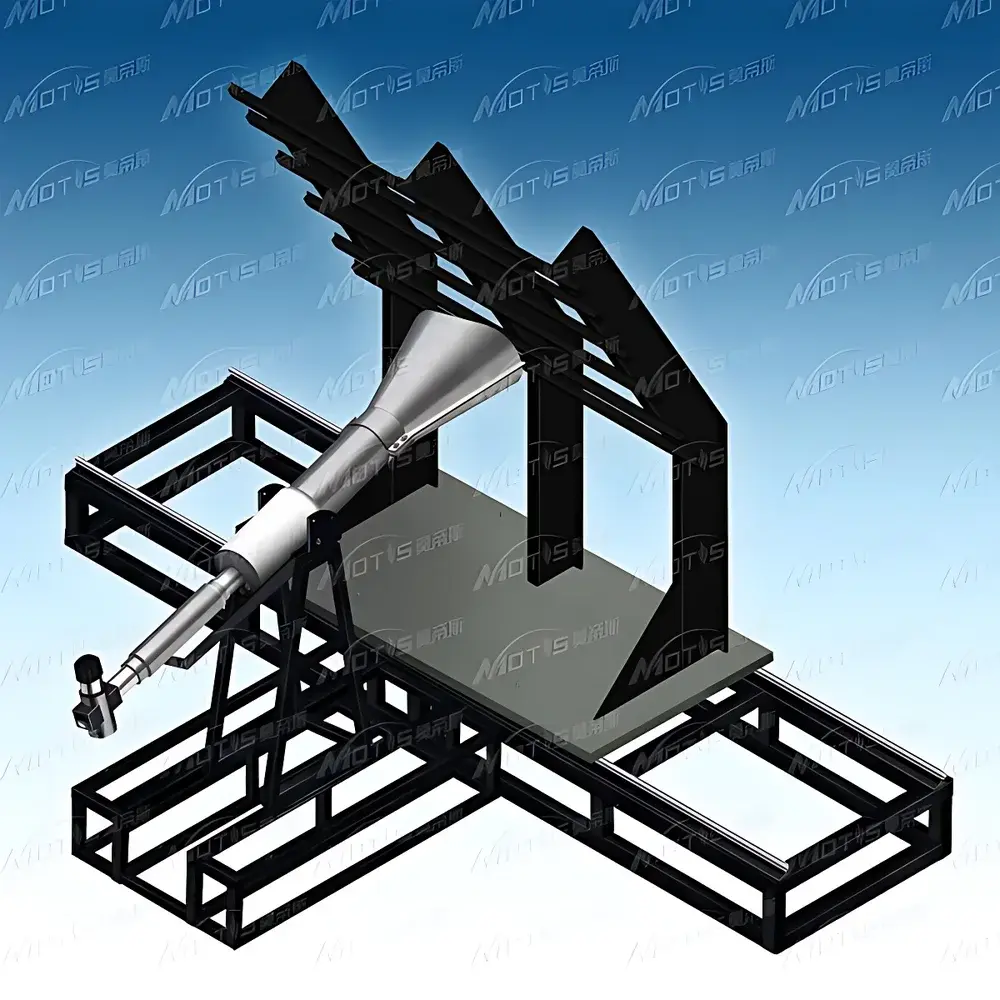
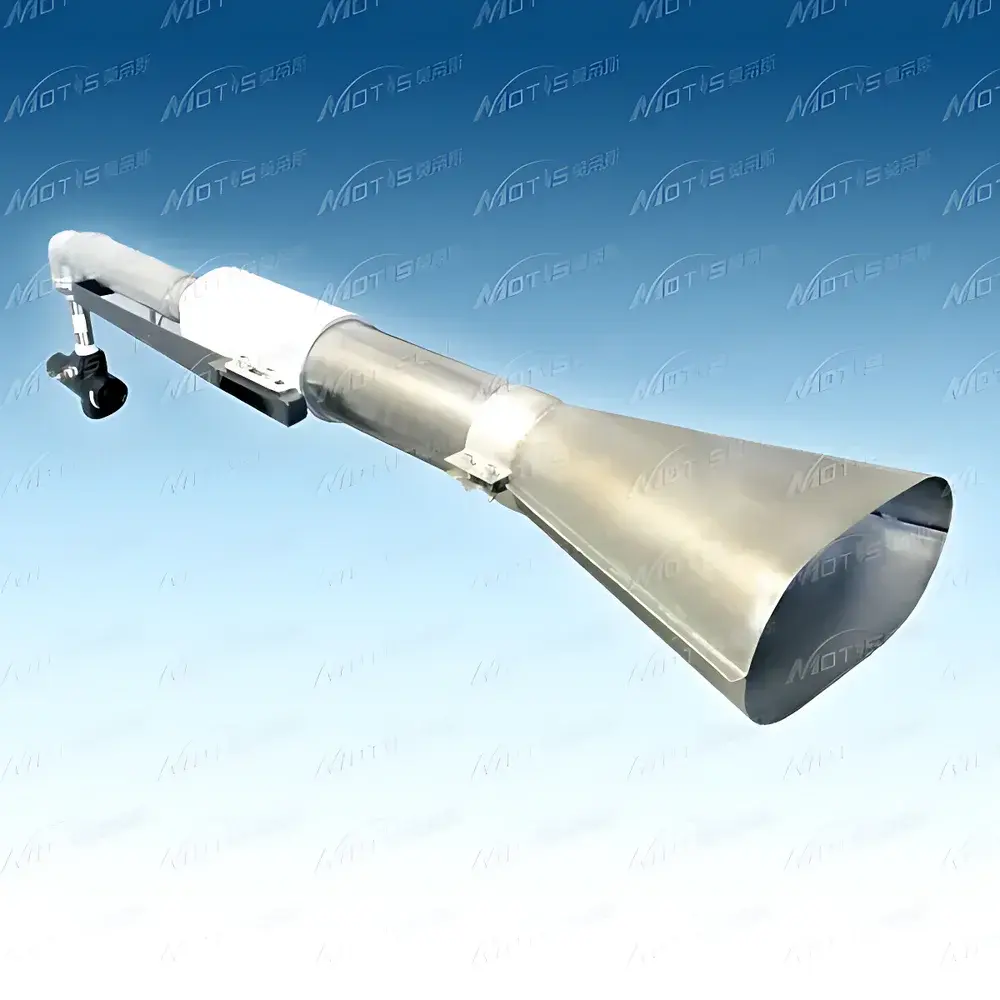
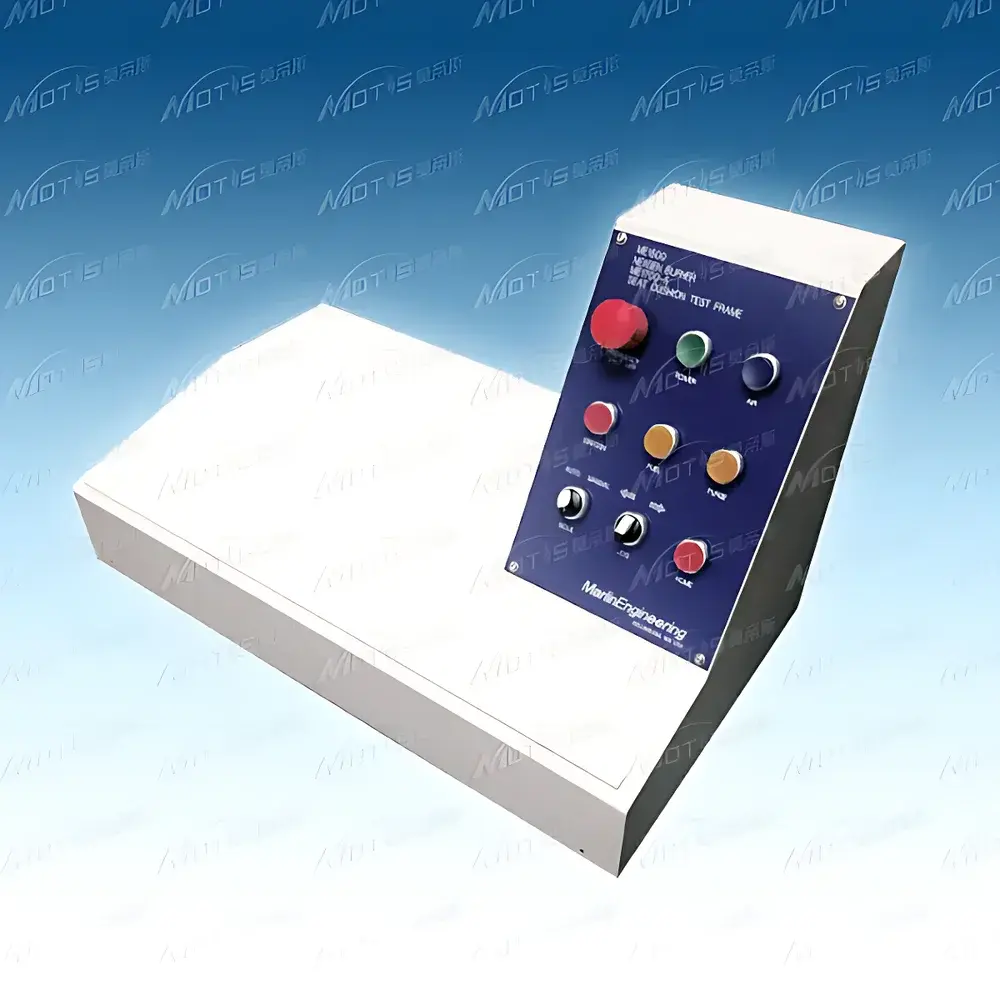
MEI NexGen Aviation Fire Penetration Tester for Thermal/Acoustic Insulation Materials (ME 1500-3 + ME 2000-1)
| Brand | MEI / Marlin Engineering |
|---|---|
| Origin | USA |
| Supplier Type | Authorized Distributor |
| Product Origin | Imported |
| Model | ME 1500-3 + ME 2000-1 |
| Pricing | Available Upon Request |
Overview
The MEI NexGen Aviation Fire Penetration Tester (ME 1500-3 + ME 2000-1) is a FAA-recognized, standards-compliant combustion test system engineered specifically for evaluating flame penetration resistance of aircraft thermal and acoustic insulation materials. Designed to replace legacy burners—including the discontinued Park DPL 3400, Lennox OB-32, and Carlin 200 CRD—the NexGen platform implements validated combustion physics based on controlled hydrocarbon flame impingement, delivering reproducible thermal flux and temperature profiles required by aviation airworthiness regulations. The system operates using Jet A fuel under precisely regulated air/fuel ratios, generating a stabilized, axisymmetric flame with a minimum peak temperature of 2000 ± 50 °F (1093 ± 28 °C) and a minimum incident heat flux of 10.6 W/cm² at the test specimen surface. Its modular architecture supports both horizontal and vertical specimen mounting configurations on a heavy-duty steel frame, enabling full compliance with dynamic fire exposure protocols defined in FAR Part 25 subparts F and G.
Key Features
- FAA-qualified NexGen burner assembly featuring corrosion- and high-temperature-resistant alloy conical nozzle, integrated swirl stabilizer, precision-machined fuel injector, and redundant ignition system
- Real-time monitoring and control of critical combustion parameters: fuel pressure (via calibrated gauge), fuel temperature (via thermistor-based sensor), air pressure (via adjustable regulator), and air temperature (via RTD)
- Dual-stage thermal conditioning: dedicated ice-bath cooling system (≥ 0.28 m³ total volume) maintains fuel temperature stability within ±1 °C during extended test cycles
- Adjustable airflow damper and interchangeable fuel nozzles enable precise adaptation to multiple test protocols—including FAR 25.853 (seat cushion flammability), FAR 25.855 (cargo compartment liner burn-through), FAR 25.863 (electrical wiring interconnection systems), and FAR 25.867 (engine nacelle fire protection)
- Integrated thermal insulation blanket system for fuel lines and structural components, minimizing parasitic heat loss and ensuring consistent burner performance
- Fuel flow regulation to 0.126 L/min ± 2% via calibrated pressure-reducing valve; air flow control to 1.89 m³/min ± 3% via calibrated orifice and damper assembly
- Standardized calibration interface supporting seven grounded, ceramic-sheathed, 30 AWG K-type thermocouples (1.6 mm diameter, 0.254 mm OD wire) mounted on a rigid angle-iron comb fixture per ASTM E119 and FAA AC 25.853-1 guidance
- Water-cooled heat flux sensor (radiometer) mounted on rigid support structure, traceable to NIST standards and compliant with ISO 5659-2 and ASTM E906 measurement requirements
Sample Compatibility & Compliance
The system accommodates flat-sheet specimens up to 305 mm × 305 mm (12 in × 12 in) in both horizontal and vertical orientations, with adjustable clamping fixtures compatible with foam-core, fiberglass, aerogel, and multilayer composite insulation assemblies. It satisfies all physical configuration and procedural requirements specified in FAR 25.855 (burn-through resistance of thermal/acoustic insulation), FAR 25.853 (flammability of interior materials), and FAR 25.863 (fire resistance of electrical wiring). Internationally, it supports MH/T 6086–2017 (Chinese civil aviation standard for thermal insulation fire resistance), HB 7263–2004 (aerospace material flammability testing), GB/T 25352–2010 (railway vehicle fire testing methodology adapted for aviation use), and HB 7044–2012 (aircraft fire test procedures). All test reports generated are structured to support GLP-compliant documentation and FDA 21 CFR Part 11–ready electronic audit trails when integrated with validated data acquisition software.
Software & Data Management
The ME 2000-1 controller module provides synchronized acquisition of thermocouple voltages, pressure transducer outputs, and radiometer signals at ≥10 Hz sampling rate, with onboard timestamping aligned to UTC. Raw analog inputs are digitized using 24-bit sigma-delta ADCs referenced to internal voltage standards traceable to NIST. Calibration coefficients for each sensor channel are stored in encrypted EEPROM and applied in real time during signal processing. Export formats include CSV (ISO 8601 timestamps, SI units), XML (ASTM E2099-compliant schema), and PDF test summary reports containing flame geometry verification images, thermocouple array validation plots, and pass/fail determinations per regulatory thresholds. System firmware complies with IEC 62443-3-3 for industrial cybersecurity and supports TLS 1.2–encrypted remote diagnostics via secure VPN tunnel.
Applications
This tester is deployed in OEM engineering labs (Boeing, Airbus, Spirit AeroSystems), Tier-1 supplier R&D centers (GKN Aerospace, Collins Aerospace), FAA-designated compliance testing laboratories, and civil aviation authority certification bodies. Primary use cases include qualification of next-generation low-density aerogel blankets, vacuum-insulated panels (VIPs), bio-based acoustic foams, and hybrid ceramic-fiber composites intended for fuselage, cargo bay, and cockpit insulation applications. It further supports development of fire-retardant coatings, intumescent barrier layers, and edge-seal systems subjected to localized flame impingement. The system’s modularity allows integration into larger fire-test suites—e.g., combined with radiant panel arrays (ASTM E1321), smoke density chambers (ASTM E662), and toxic gas analyzers (ISO 19702)—to generate full fire safety dossiers for EASA CS-25 and FAA Type Certification.
FAQ
What regulatory standards does this system fully support?
FAR 25.853, FAR 25.855, FAR 25.863, FAR 25.867, MH/T 6086–2017, HB 7263–2004, GB/T 25352–2010, HB 7044–2012, and ISO 5659-2 Annex B.
Is the burner design certified by the FAA?
Yes—the NexGen burner assembly has been formally accepted by the FAA as a replacement for legacy burners under Advisory Circular AC 25.853-1 Revision B and is listed in FAA Order 8110.4B Appendix C.
Can the system be configured for vertical burn-through testing?
Yes—its dual-axis steel frame includes motorized vertical positioning, adjustable specimen holders, and flame alignment jigs conforming to FAR 25.855(b)(2) vertical orientation requirements.
What is included in the calibration package?
NIST-traceable calibration certificates for all thermocouples, pressure transducers, and heat flux sensors; documented calibration procedure per ASTM E799; and quarterly verification checklist aligned with FAA AC 20-152A.
Does the system meet cybersecurity requirements for lab network integration?
Yes—it implements role-based access control (RBAC), encrypted data-at-rest (AES-256), TLS 1.2 for remote communications, and logs all operator actions in an immutable audit trail compliant with 21 CFR Part 11 Subpart B.



