
MH-20 Plastic Sliding Friction and Wear Tester by Changchun Intelligent
| Brand | Changchun Intelligent |
|---|---|
| Origin | Jilin, China |
| Manufacturer Type | Authorized Distributor |
| Origin Category | Domestic (China) |
| Model | MH-20 |
| Price | Upon Request |
| Specimen Dimensions | Ø30⁺¹·⁰₋₀.₁ mm × 7 mm × 6±0.2 mm (with tolerance +0.5/−0.2 mm on thickness) |
| Rotational Speed | 200 rpm ±5% |
| Applied Load | 20 kgf ±1% (≈196.1 N) |
| Friction Ring | Ø40 mm × 10 mm, 45# steel, HRC 40–45, chamfer 0.5×45°, concentricity deviation <0.01 mm |
| Friction Torque Range | 0–4 N·m ±2% |
| Counter Range | 0–10⁵ cycles |
| Control System | Embedded microprocessor with real-time data acquisition and processing |
| Printer | Integrated thermal microprinter |
| Overall Dimensions | 610 mm × 450 mm × 400 mm (W×D×H) |
| Net Weight | 60 kg |
Overview
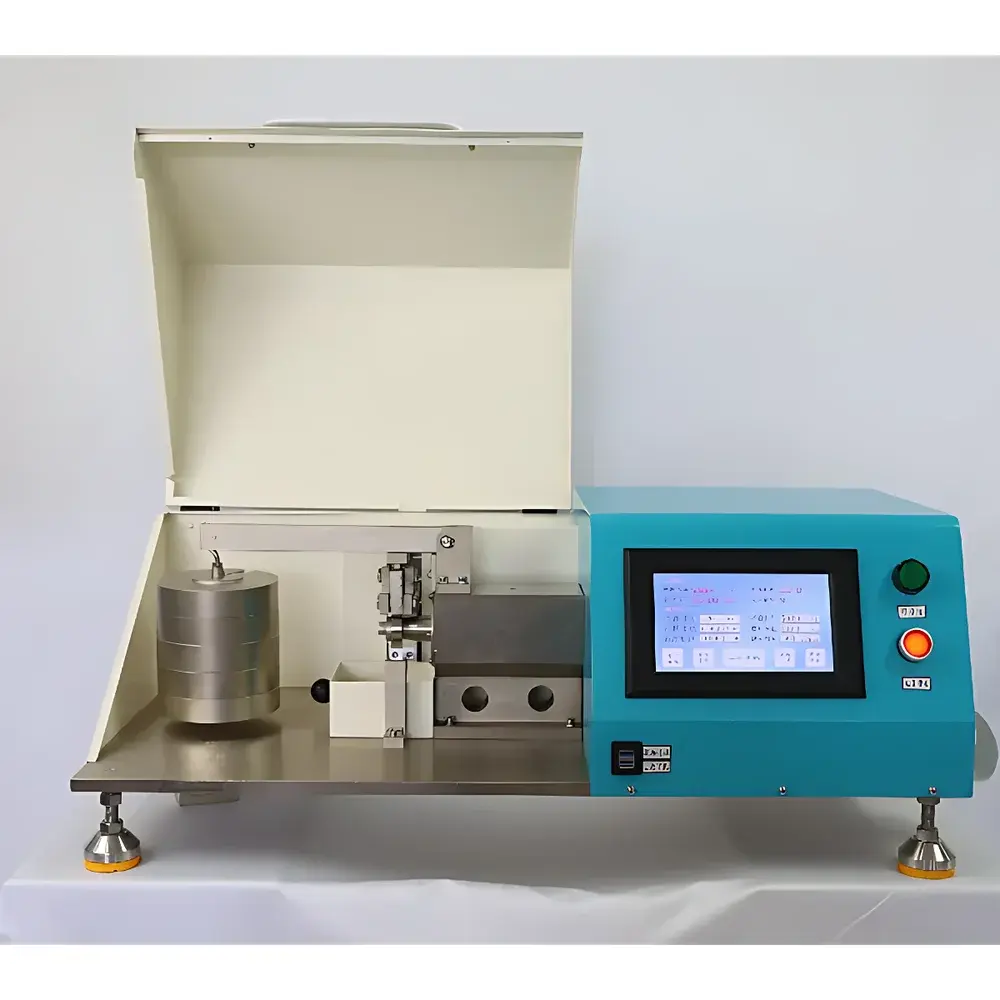
The MH-20 Plastic Sliding Friction and Wear Tester, engineered by Changchun Intelligent, is a precision mechanical testing instrument designed in strict accordance with GB/T 3960–2016, the Chinese national standard for determining the sliding friction and wear behavior of plastics and elastomeric composites. It operates on the pin-on-disk principle—where a stationary specimen (pin) is pressed radially against a rotating annular counterface (disk or ring) under controlled normal load—enabling quantitative measurement of dynamic friction torque and subsequent calculation of coefficient of friction (COF) and specific wear rate. The system delivers high reproducibility in tribological characterization of polymeric materials used in automotive trim, bearing liners, conveyor components, and medical device housings where surface durability under dry or lubricated sliding conditions is critical to functional lifetime.
Key Features
- Microprocessor-based closed-loop control architecture ensures stable rotational speed (200 rpm ±5%) and precise load application (20 kgf ±1%) throughout test duration.
- High-resolution torque transducer (0–4 N·m, ±2% full-scale accuracy) directly measures frictional resistance at the specimen interface, eliminating mechanical linkage errors.
- Calibrated friction ring fabricated from normalized 45# carbon steel (HRC 40–45), with strict geometric tolerances: outer/inner diameter concentricity <0.01 mm and standardized 0.5×45° chamfer to minimize edge stress concentration.
- Integrated thermal microprinter provides immediate hard-copy output of test parameters, elapsed cycles, peak torque, and calculated COF—supporting traceable lab documentation without external software dependency.
- Rigid cast-iron base and lever-arm loading mechanism ensure mechanical stability and consistent force transmission, minimizing parasitic vibrations that compromise low-torque measurement fidelity.
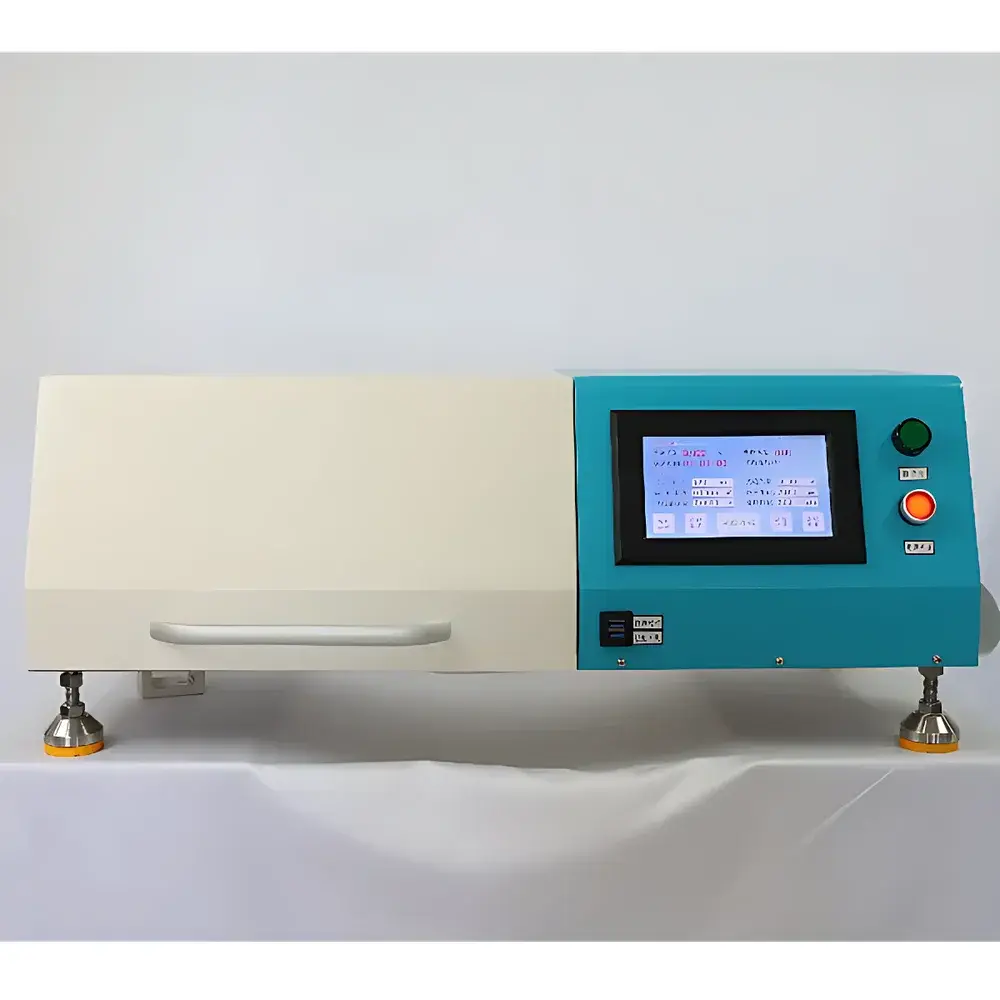
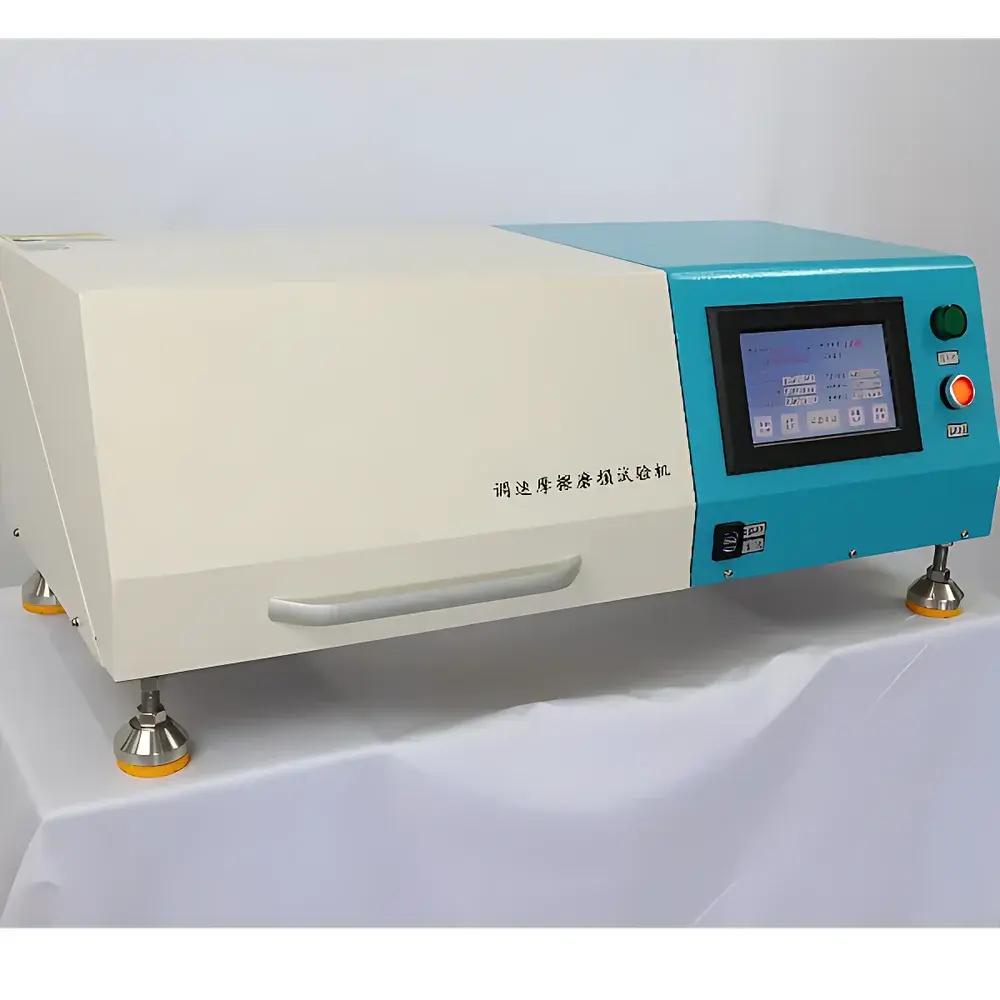
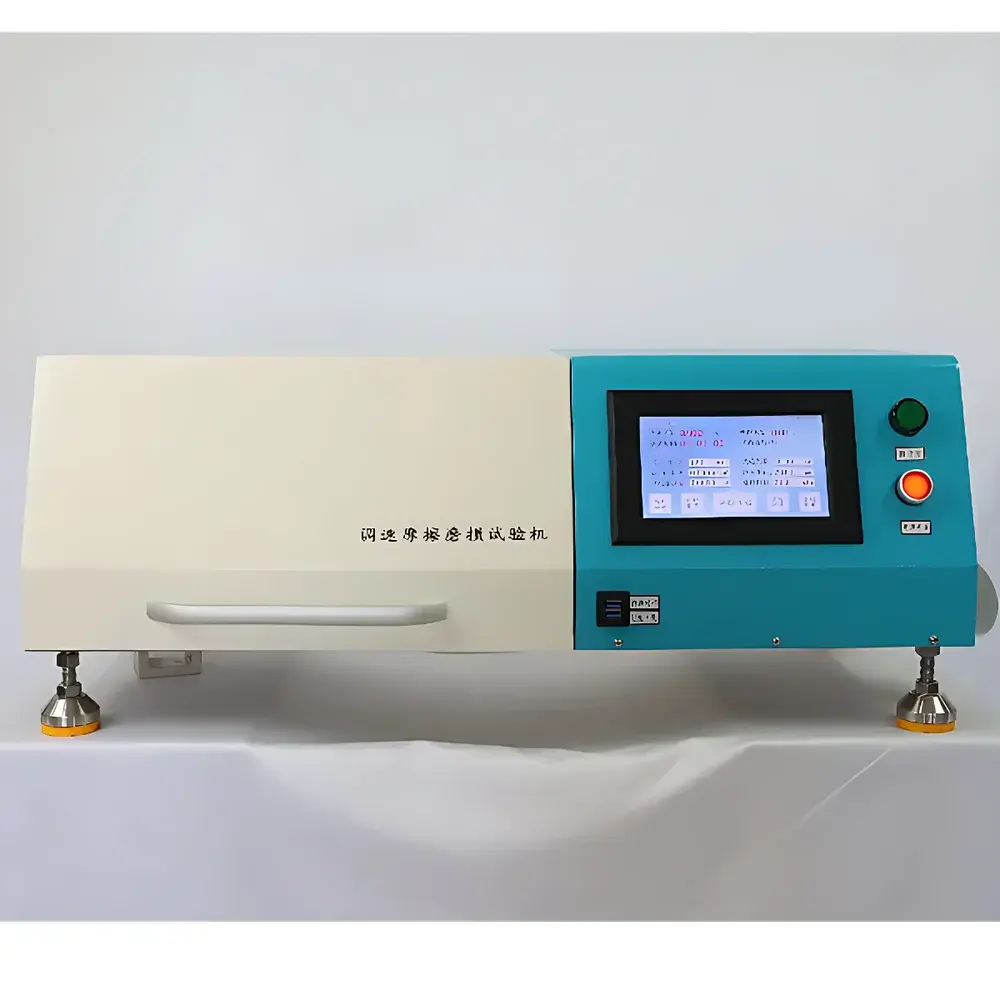
- Compact footprint (610 × 450 × 400 mm) and modular design facilitate integration into QC laboratories with limited floor space while maintaining accessibility for specimen mounting and maintenance.
Sample Compatibility & Compliance
The MH-20 accommodates standard cylindrical specimens per GB/T 3960–2016: Ø30⁺¹·⁰₋₀.₁ mm × 7 mm × (6±0.2)+0.5/−0.2 mm, with optional custom fixtures available for non-standard geometries under engineering consultation. It supports comparative evaluation of filled/unfilled thermoplastics (e.g., POM, PA66, PTFE composites), thermosets (phenolics, epoxies), and elastomers (NBR, EPDM) under ambient laboratory conditions (23±2°C, 50±5% RH). While GB/T 3960–2016 is its primary reference, test protocols may be adapted to align with ISO 8295 (plastics — determination of coefficient of friction), ASTM D1894 (static and kinetic coefficients of friction of plastic film and sheeting), and ISO 15143-2 (wear testing of polymers using pin-on-disk geometry), subject to documented method validation and uncertainty assessment per ISO/IEC 17025 requirements.
Software & Data Management
The MH-20 operates via embedded firmware with no external PC dependency; all data acquisition, real-time torque averaging, cycle counting, and COF computation occur onboard. Raw torque values and cumulative revolutions are stored in non-volatile memory and printed upon test completion. For laboratories requiring digital archiving, CSV export is supported via optional RS-232 or USB-to-serial adapter (sold separately), enabling import into LIMS or statistical analysis platforms (e.g., Minitab, JMP). Audit trail functionality—including operator ID, test date/time stamp, calibration certificate ID, and parameter set version—is implemented in compliance with GLP documentation practices and supports internal quality audits aligned with ISO 9001:2015 Clause 8.5.2.
Applications
- Quality conformance testing of polymer batches against internal specifications for friction stability and wear resistance.
- Screening of solid lubricant additives (e.g., MoS₂, graphite, PTFE micropowders) in thermoplastic matrices.
- Accelerated wear life prediction for plastic gears, bushings, and sliding guides under constant-load conditions.
- Correlation studies between morphological features (SEM imaging of worn surfaces) and macroscopic friction trends.
- Supporting R&D of biodegradable polymers (e.g., PLA, PHA) where tribological performance must be balanced with environmental degradation kinetics.
- Teaching labs for undergraduate mechanical engineering courses covering tribology fundamentals, material selection, and standard test methodology.
FAQ
Does the MH-20 comply with international standards beyond GB/T 3960–2016?
Yes—while optimized for GB/T 3960–2016, its mechanical configuration and metrological traceability allow adaptation to ISO 8295 and ASTM D1894 with appropriate fixture verification and uncertainty budgeting.
Can the tester operate under elevated temperature or humidity conditions?
No—the MH-20 is designed for ambient-condition testing only. Environmental chamber integration requires third-party modification and is not covered under warranty or factory calibration.
Is torque sensor calibration certified to ISO/IEC 17025?
Calibration certificates issued by Changchun Intelligent’s accredited metrology partner include measurement uncertainty, traceability to NIM (National Institute of Metrology, China), and compliance with JJG 391–2019 (torque transducer verification regulation).
What maintenance intervals are recommended for long-term reliability?
Lubrication of the main shaft bearing and visual inspection of the friction ring surface finish are advised every 500 operational hours; torque sensor recalibration is recommended annually or after 10,000 test cycles.
Are spare friction rings and specimen holders available as consumables?
Yes—standard Ø40×10 mm 45# steel friction rings (HRC 40–45), as well as machined brass and stainless-steel alternatives for specialized applications, are stocked and supplied with full dimensional inspection reports.



