
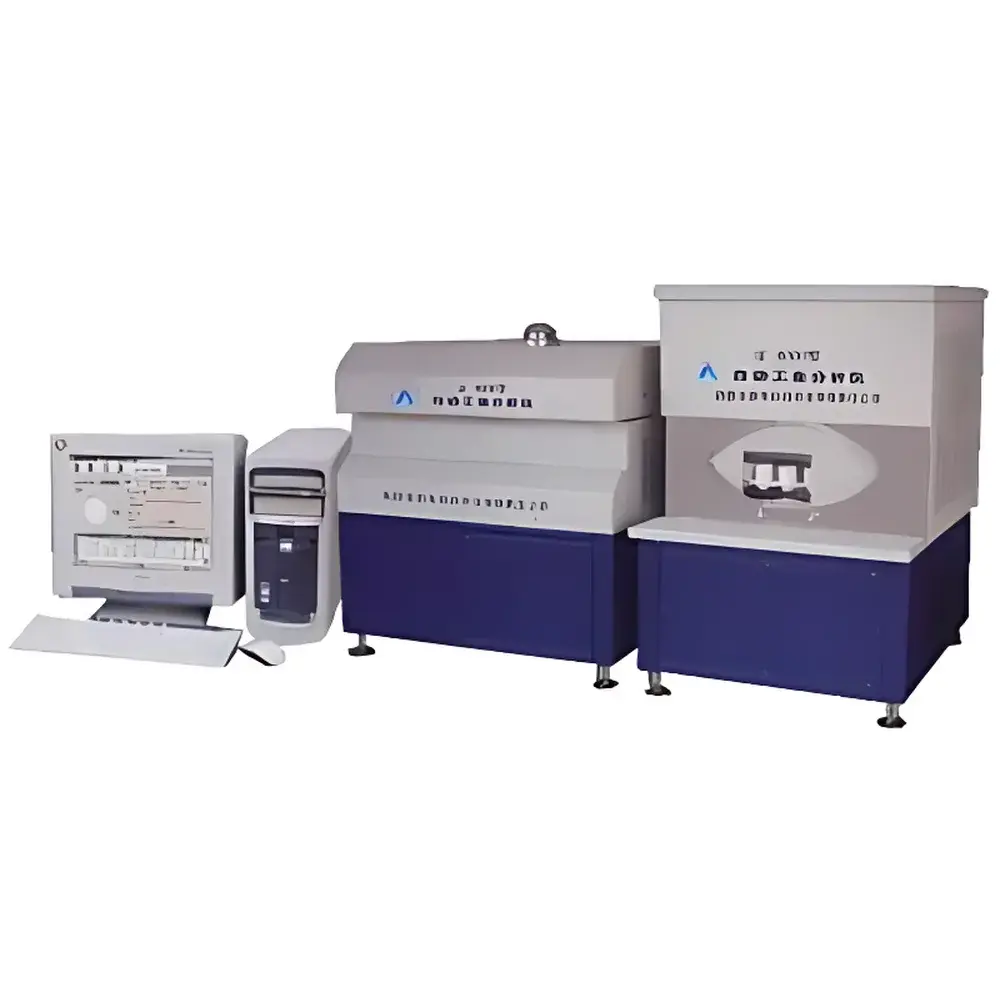
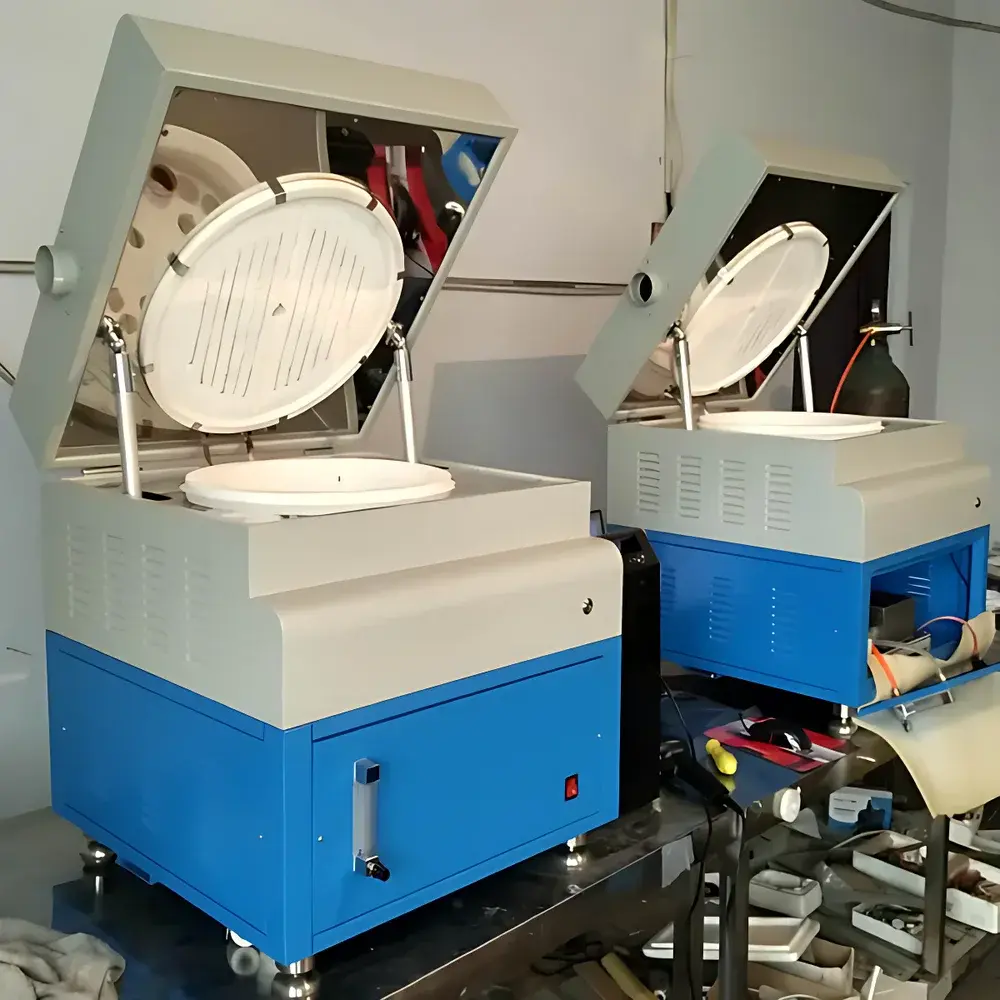
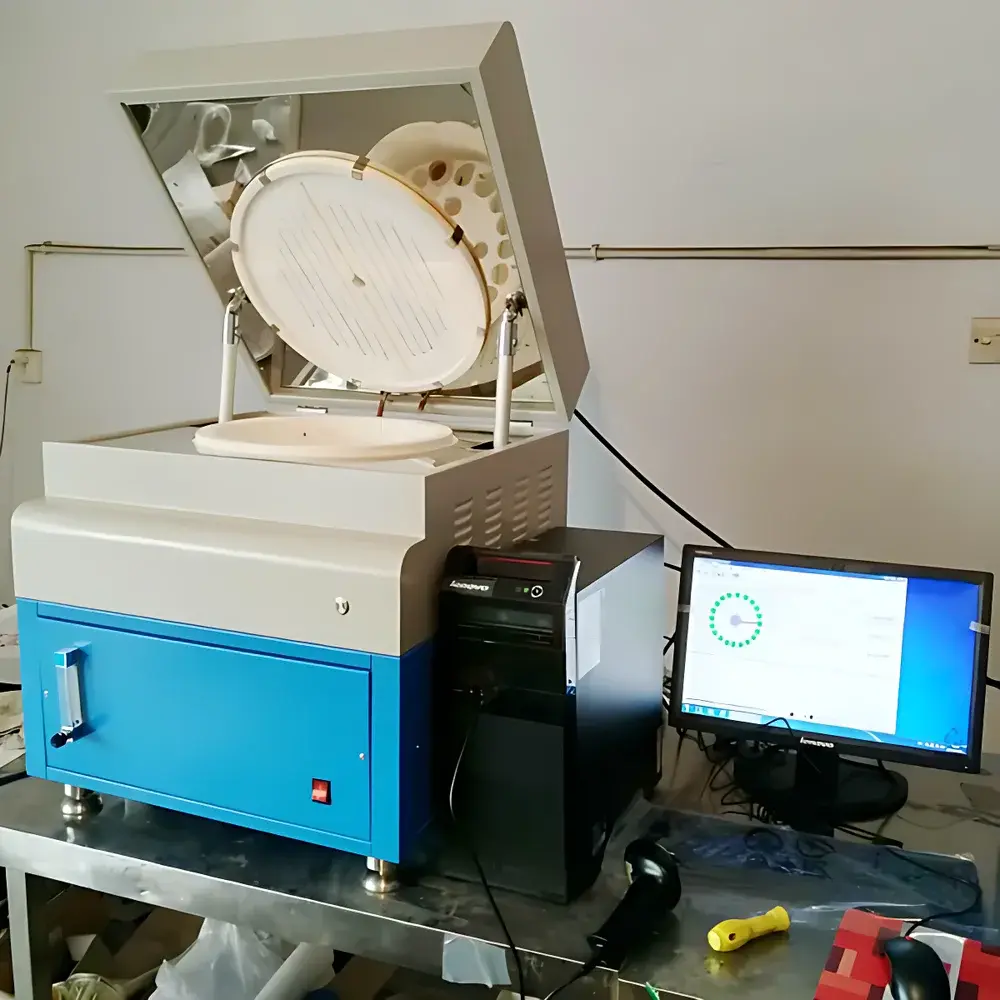
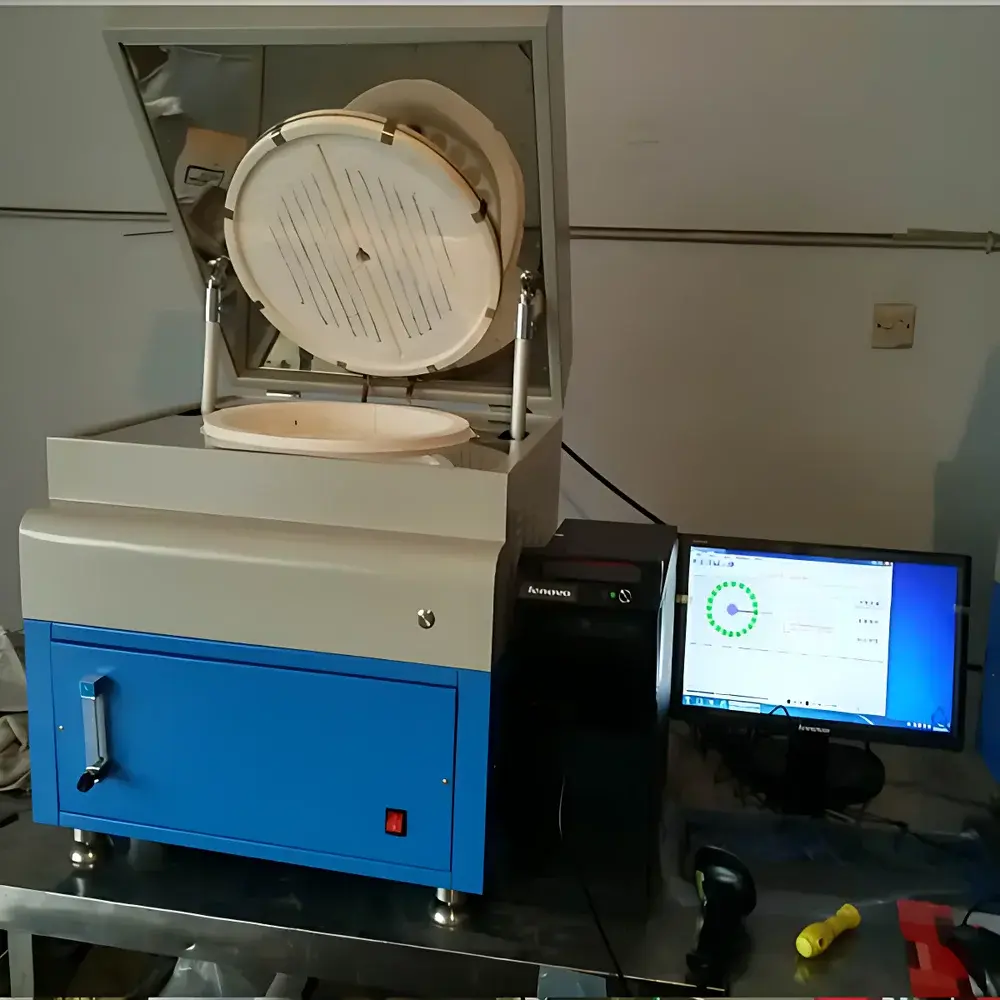
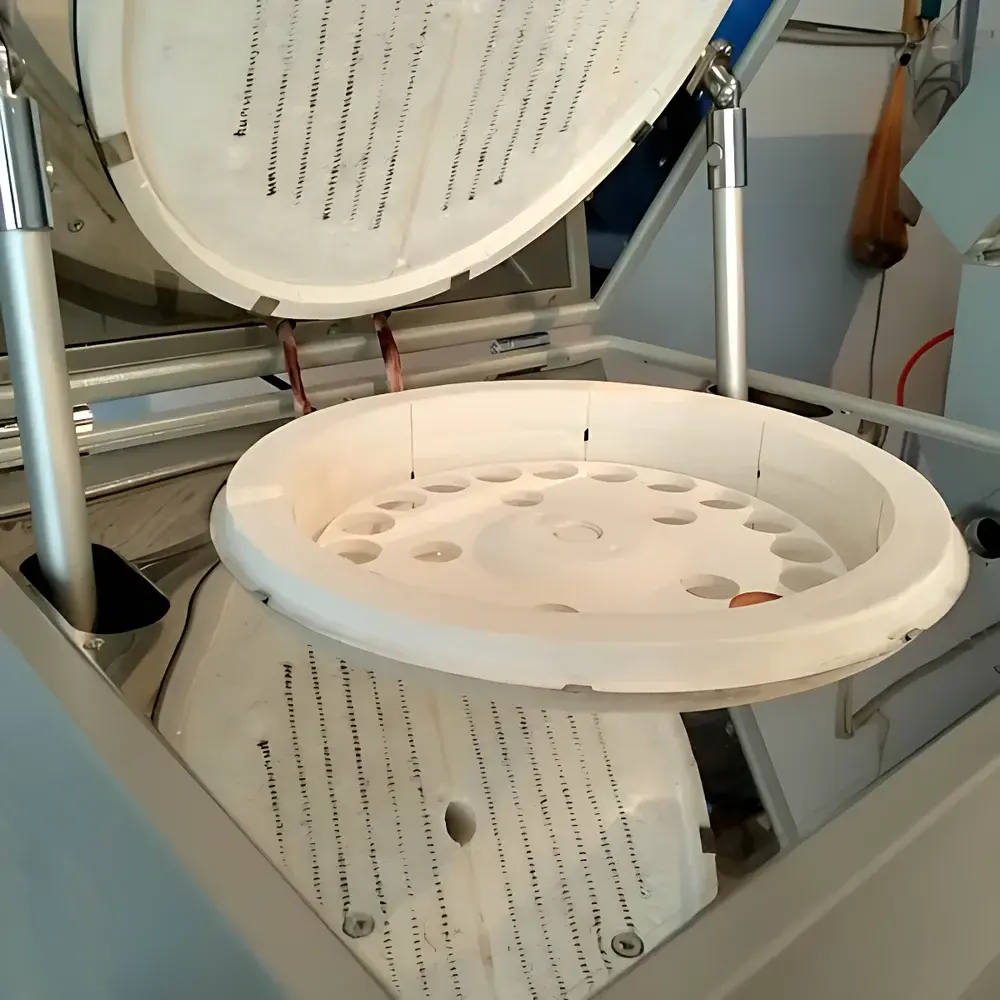
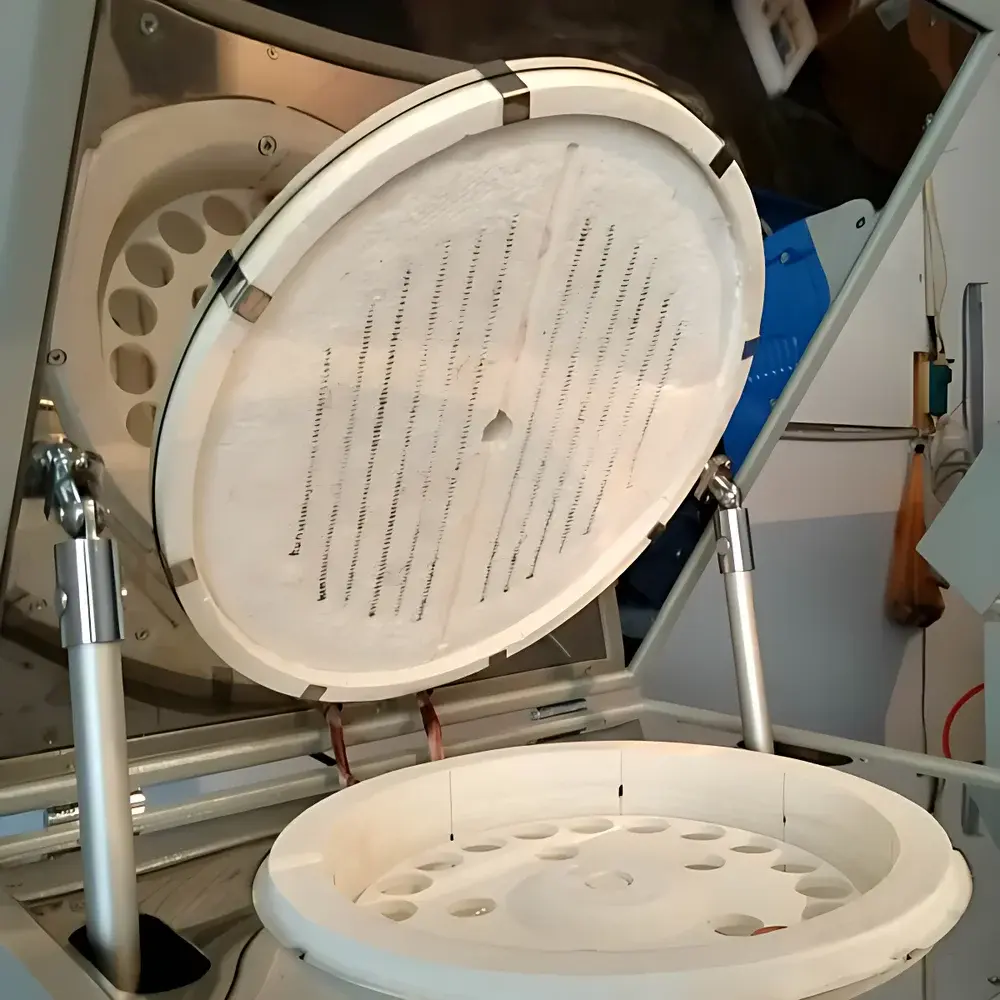
MingShen Science GF-6000 Dual-Furnace Automated Coal Proximate Analyzer
| Brand | MingShen Science |
|---|---|
| Origin | Henan, China |
| Manufacturer Type | Authorized Distributor |
| Country of Manufacture | China |
| Model | GF-6000 |
| Furnace Configuration | Dual independent furnaces (A-furnace for moisture/ash/volatiles |
| Sample Capacity | 19 samples per run |
| Temperature Range | Ambient to 1000 °C |
| Test Temperatures | Moisture at 105 °C, Ash at 815 °C, Volatiles at 900 °C |
| Sample Mass | Moisture/Ash: 0.6–1.1 g |
| Volatiles | 0.9–1.1 g |
| Compliance | Fully conforms to GB/T 212–2008 “Methods for Proximate Analysis of Coal” |
| Gas Requirements | N₂ and O₂, both ≥99.5% purity, regulated to 0.1 MPa |
| Power Supply | AC 220 V, 50 Hz |
| Power Consumption | A-furnace: 5 kW |
| B-furnace | 2 kW |
| Net Weight | A-furnace ≈ 95 kg |
| Crucible Capacity | 20 positions (19 active test stations) |
| Integrated Analytical Balance | Modular high-stability microbalance with automated tare and sample loading |
Overview
The MingShen Science GF-6000 Dual-Furnace Automated Coal Proximate Analyzer is an engineered solution for standardized, high-throughput proximate analysis of coal and related mineral fuels in accordance with GB/T 212–2008. It implements thermogravimetric principles across two physically isolated, independently controlled furnace systems—A-furnace and B-furnace—to simultaneously execute moisture, ash, and volatile matter determinations under rigorously defined thermal protocols. Unlike single-furnace instruments constrained by sequential heating cycles and shared atmosphere control, the GF-6000 decouples critical test phases: the A-furnace performs moisture loss (105 °C, inert or ambient air), ash residue determination (815 °C, oxidizing atmosphere), and volatile matter release (900 °C, inert N₂); while the B-furnace operates exclusively at 900 °C under nitrogen to replicate the volatile matter test condition with enhanced repeatability and reduced cross-contamination risk. This architecture enables true parallel processing—up to 19 samples per batch—with total cycle time ≤120 minutes for full proximate analysis, significantly reducing operator intervention and thermal history variability.
Key Features
- Dual-furnace, dual-balance architecture: Independent temperature control, gas routing, and mass measurement for A- and B-furnaces ensure strict adherence to GB/T 212 thermal ramp profiles and atmospheric specifications.
- Integrated modular analytical balance system: High-stability electronic balance with automated sample weighing, tare compensation, and real-time mass monitoring during heating—eliminating manual handling errors and enabling dynamic gravimetric tracking.
- Programmable dual-method execution: Supports both rapid protocol (optimized time reduction without compromising compliance) and classical standard method (full GB/T 212–2008 sequence), selectable per sample group via software interface.
- Observational volatile crucible design: Specially engineered ceramic crucibles retain coke residue morphology post-pyrolysis, allowing visual assessment of caking index and焦渣 characteristics—critical for coal rank classification and coking suitability evaluation.
- Robust thermal engineering: Monolithic furnace chambers with optimized insulation and PID-controlled heating elements achieve <±2 °C temperature uniformity across all 20 crucible positions and enable rapid ramp rates (e.g., 20 °C/min to 900 °C).
- Modular electrical architecture: Isolated power supplies, segregated signal conditioning circuits, and plug-in functional boards minimize electromagnetic interference and improve long-term reliability in industrial laboratory environments.
Sample Compatibility & Compliance
The GF-6000 is validated for solid fossil fuel matrices including bituminous coal, anthracite, lignite, coke, and char. It accepts ground samples with particle size ≤0.2 mm (per GB/T 212 requirements). All thermal programs, gas flow regimes (N₂ for volatiles, ambient air or O₂ for ash), dwell times, and mass reporting workflows are preconfigured to satisfy national standard GB/T 212–2008. Instrument performance verification includes daily calibration checks using certified reference materials (CRMs) traceable to CNAS-accredited standards. The system supports audit-ready documentation required under GLP-compliant coal testing laboratories and aligns with ISO/IEC 17025 quality management frameworks for testing laboratories.
Software & Data Management
The GF-6000 operates under MingShen’s proprietary CoalProx v3.2 software suite, a Windows-based application with role-based user access control (administrator, analyst, reviewer). It provides full 21 CFR Part 11–compatible electronic records—including timestamped raw mass vs. time curves, furnace temperature logs, gas pressure traces, and final proximate results (Moisture %, Ash %, Volatile Matter %, Fixed Carbon % calculated by difference). Audit trails capture all parameter modifications, method selections, and result approvals. Data export supports CSV, PDF, and XML formats compatible with LIMS integration. Calibration records, maintenance logs, and instrument qualification reports (IQ/OQ) are stored within the secure database with immutable timestamps.
Applications
This analyzer serves routine quality control in coal preparation plants, power station fuel labs, metallurgical coke production facilities, geological survey institutes, and third-party certification bodies. Its dual-furnace capability supports high-volume commercial coal trading assays where rapid turnaround and inter-laboratory reproducibility are contractually mandated. The visual焦渣 feature directly supports ASTM D3172 and ISO 1171–related evaluations for coke reactivity and blast furnace feedstock qualification. It also functions as a primary tool in coal blending optimization studies, where precise proximate composition governs combustion efficiency modeling and emissions forecasting.
FAQ
Does the GF-6000 comply with international standards such as ASTM D3172 or ISO 562?
While designed primarily to meet GB/T 212–2008, its thermal control accuracy, gas delivery precision, and gravimetric resolution enable method adaptation for ASTM D3172 (moisture/ash/volatiles) and ISO 562 (volatile matter) with documented method validation.
Can the instrument operate without continuous nitrogen supply?
The B-furnace volatile test requires continuous N₂ (≥99.5% purity, 0.1 MPa); however, the A-furnace can perform moisture and ash tests using ambient air or optional O₂ supply—no nitrogen needed for those modules.
Is remote diagnostics or firmware update supported?
Yes—via secure HTTPS-enabled service portal with encrypted firmware signing and version-controlled update packages, accessible only by authorized service engineers.
What maintenance intervals are recommended for long-term stability?
Crucible cleaning after every 50 runs; thermocouple calibration every 3 months; balance verification with certified weights before each shift; full preventive maintenance (furnace insulation check, gas line integrity test, seal inspection) every 6 months.
How is data integrity ensured during power interruption?
The system features uninterruptible power supply (UPS) interface support and automatic checkpoint recovery—resuming from last stable mass reading and thermal state upon restart, with full audit trail of interruption event.






