
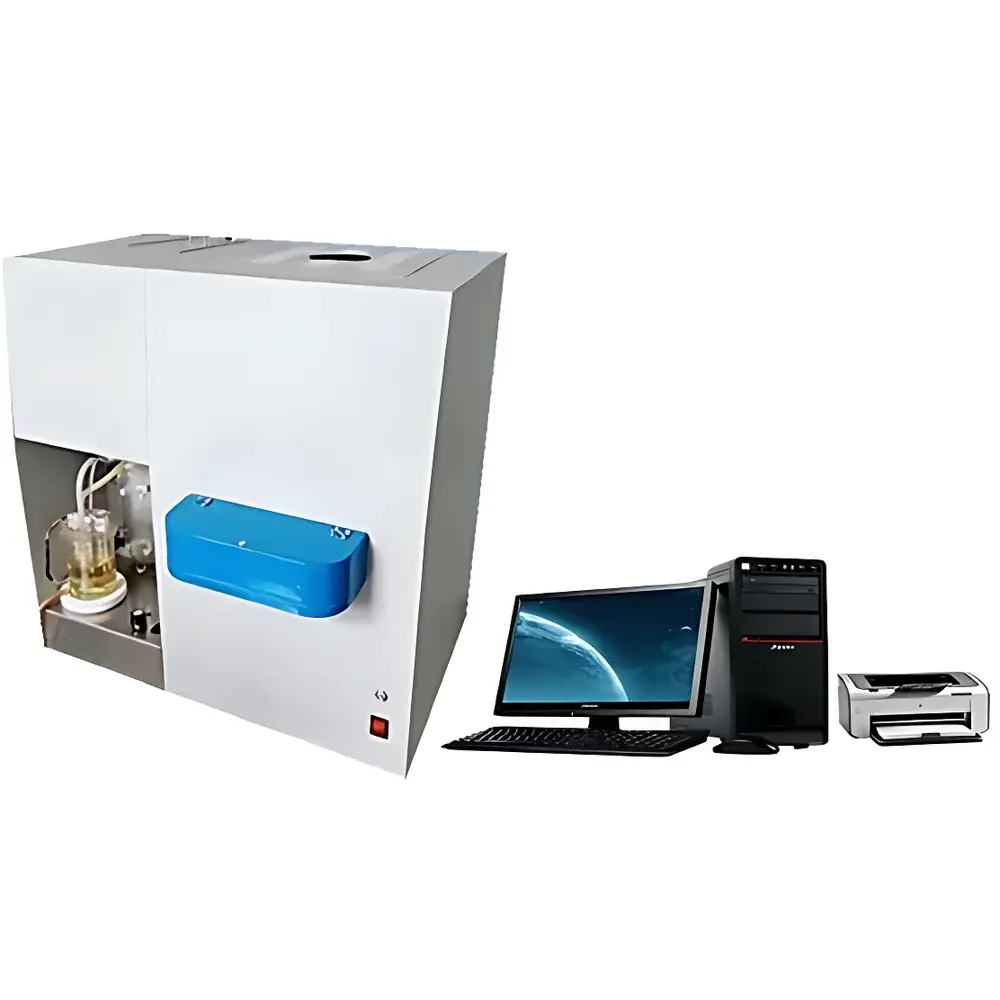
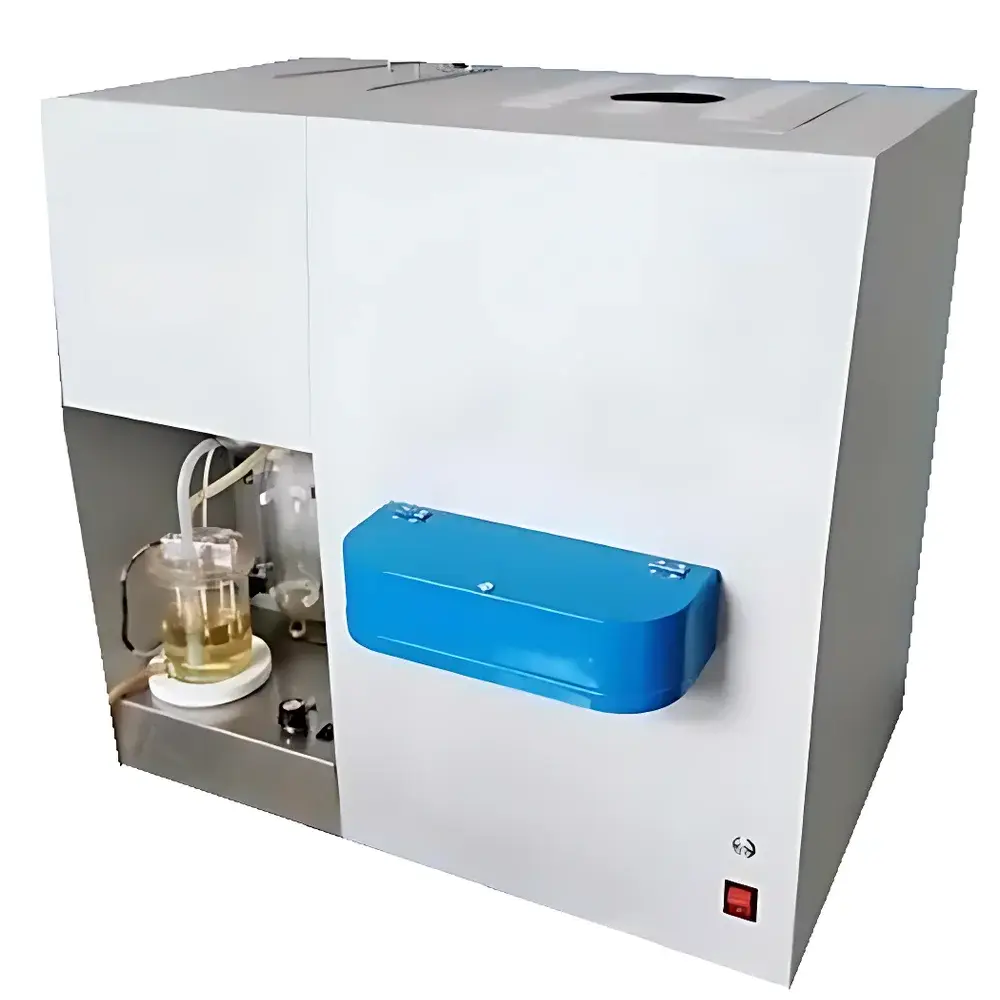
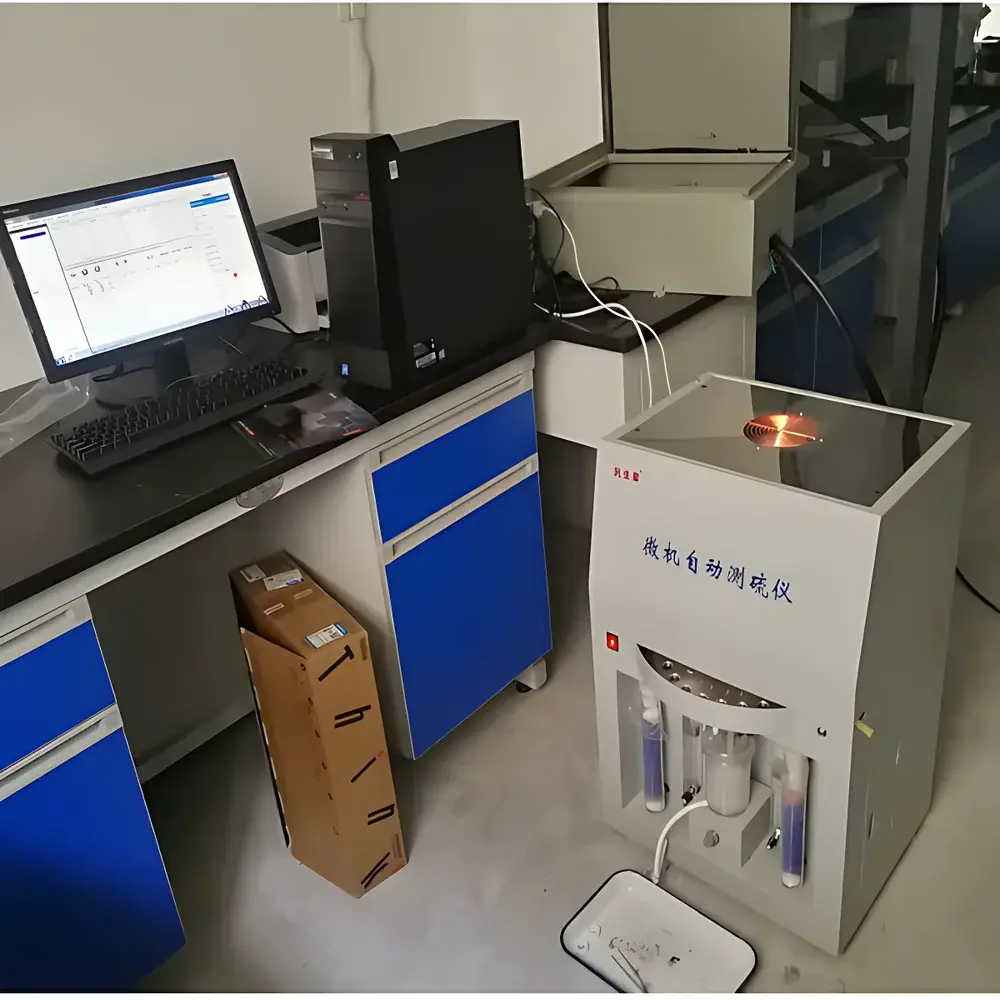
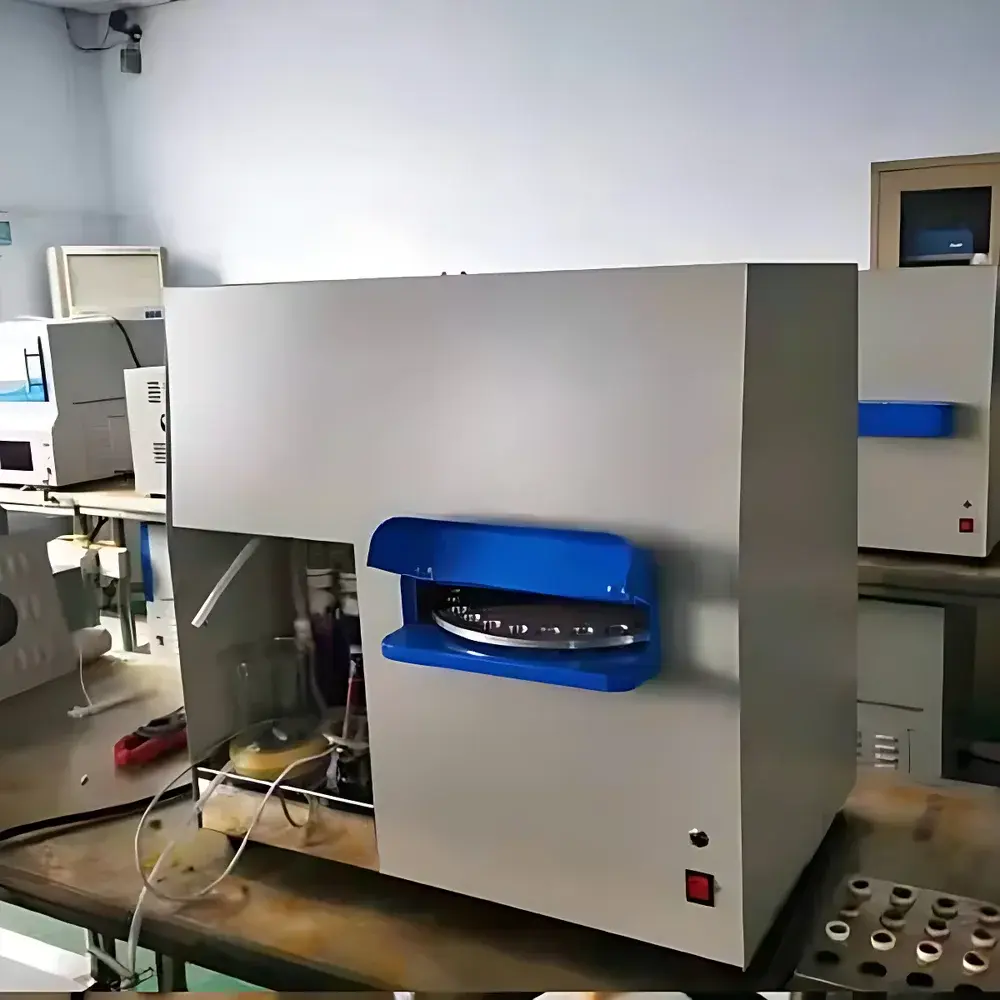
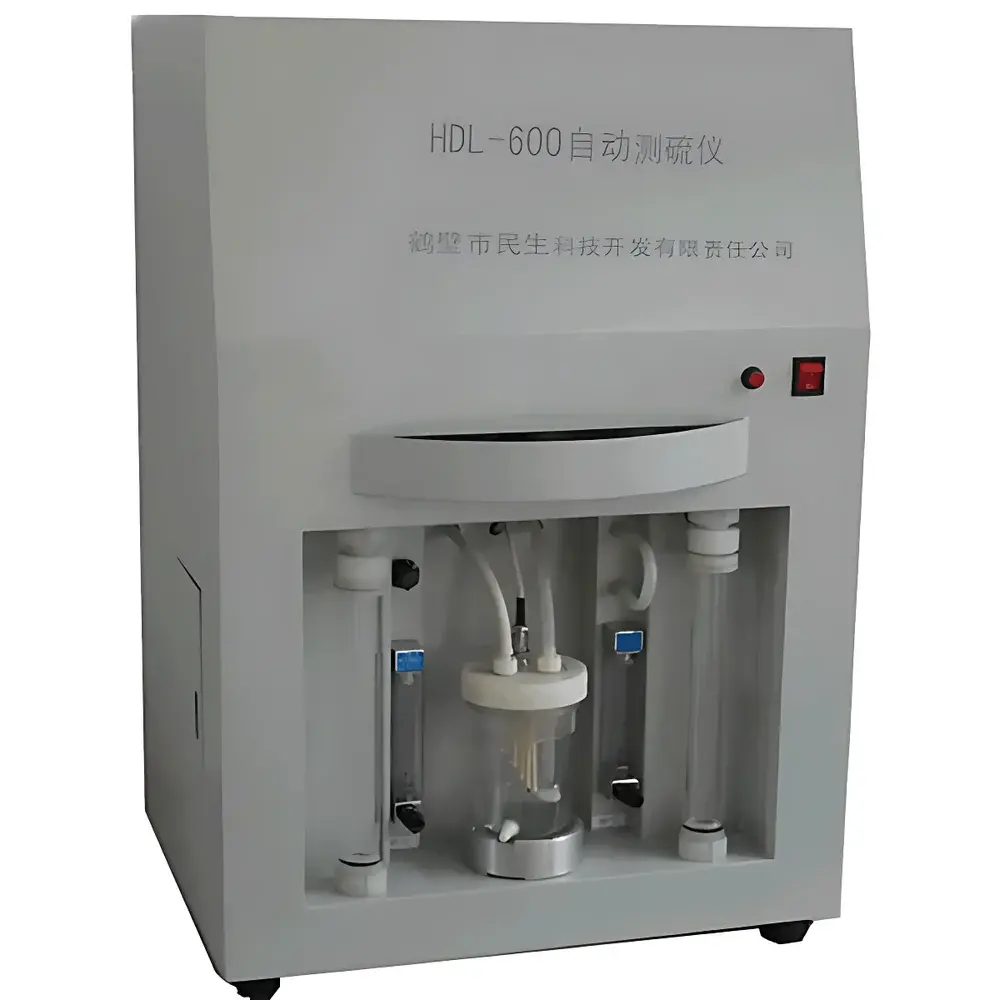
MingShen Science HDL-600S Vertical Multi-Sample Coulometric Sulfur Determinator
| Brand | MingShen Science |
|---|---|
| Origin | Henan, China |
| Model | HDL-600S |
| Measurement Principle | Coulometric Titration |
| Sample Capacity | 1–24 samples (batch + on-the-fly addition) |
| Sulfur Detection Range | 0.1–40% |
| Resolution | 0.001% |
| Temperature Control | 1150 °C (coal), 920 °C (oil) |
| Temperature Stability | ±3 °C |
| Sample Mass | 40–70 mg (coal), 50–100 mg (oil) |
| Test Duration | 4–8 min per sample |
| Power Supply | 220 V ±10%, 50 Hz |
| Max Power Consumption | ≤5 kW |
| Dimensions | 550 × 500 × 630 mm |
| Weight | 40 kg |
| Compliance | GB/T 214–2007, GB/T 214–1996 |
Overview
The MingShen Science HDL-600S Vertical Multi-Sample Coulometric Sulfur Determinator is a dedicated analytical instrument engineered for precise, high-throughput quantification of total sulfur in solid and liquid fossil fuels—primarily coal and petroleum-based samples. It operates on the principle of coulometric titration, wherein sulfur-containing compounds are thermally decomposed in a high-temperature vertical furnace (1150 °C for coal, 920 °C for oil), converting sulfur to SO₂ gas. The evolved SO₂ is carried by purified oxygen into a titration cell containing an iodide–triiodide electrolyte. Electrolytic generation of iodine (I₂) is triggered proportionally to SO₂ concentration, and the integrated coulometer measures the total charge (in coulombs) required to fully oxidize the analyte—directly correlating to sulfur mass via Faraday’s law. This method ensures trace-level sensitivity, high reproducibility, and strict adherence to national standard methodologies.
Key Features
- Vertical integrated architecture consolidating automatic sample introduction, high-temperature vertical furnace, electrolytic cell, magnetic stirrer, and air purification system within a single compact chassis (550 × 500 × 630 mm), minimizing footprint and optimizing thermal stability.
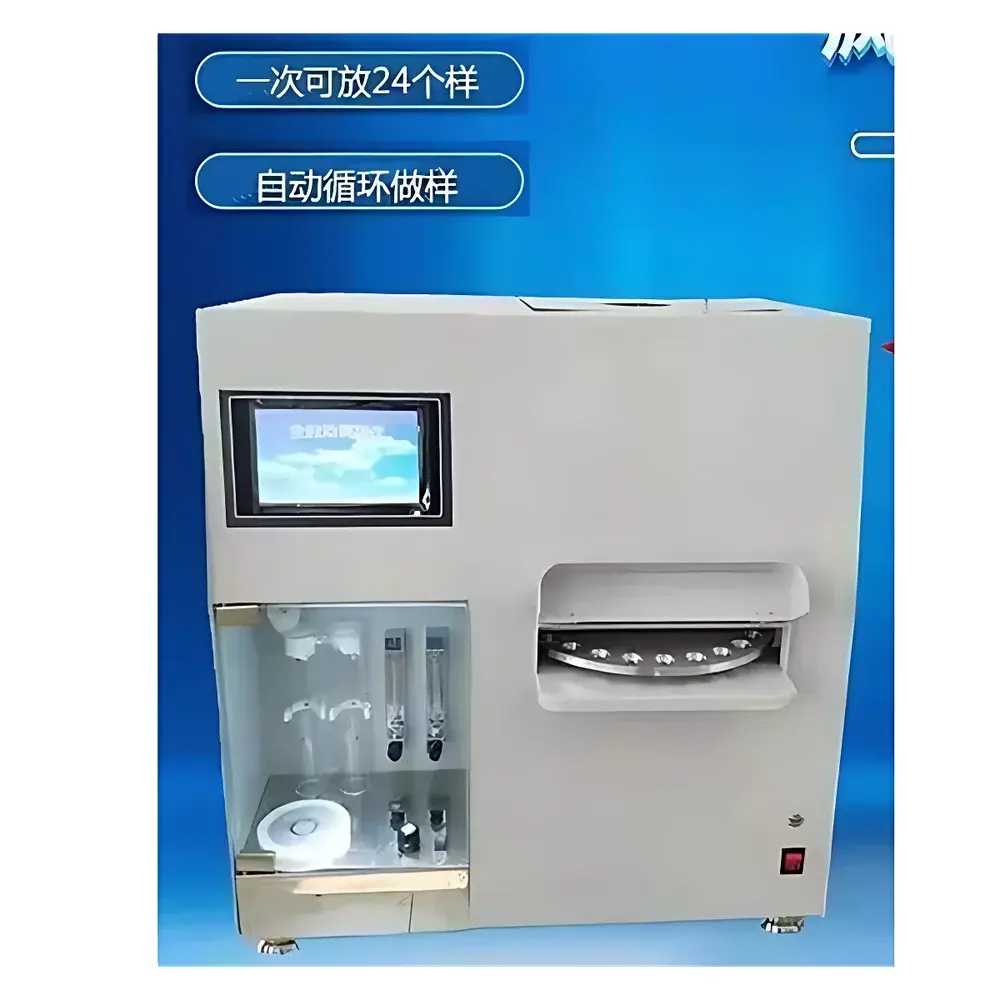
- 24-position sample carousel with programmable auto-feeding; supports dynamic sample queue expansion during analysis—enabling true unattended operation for extended batch runs.
- Coulometric current regulation via software-controlled constant-current electrolysis, eliminating drift-related errors and enabling real-time calibration adjustment for system offset compensation.
- Embedded diagnostic firmware continuously monitors critical subsystems—including furnace thermocouple response, electrolyte conductivity, gas flow integrity, and power supply stability—with on-screen fault identification and guided troubleshooting via service menu access.
- Windows-native control software featuring intuitive graphical interface, audit-ready data logging, timestamped result storage, automated report generation (PDF/CSV), and optional network-enabled remote data export compliant with local IT infrastructure requirements.
Sample Compatibility & Compliance
The HDL-600S is validated for total sulfur determination in heterogeneous matrices including bituminous and anthracite coals, coke, petroleum coke, fuel oils, and refinery feedstocks. It meets the procedural and performance criteria specified in GB/T 214–2007 (equivalent to ISO 4299:1996 for coal) and retains backward compatibility with GB/T 214–1996. While not certified to ASTM D3177 or ISO 8788, its coulometric methodology aligns with the fundamental electrochemical principles underpinning those standards. Sample mass ranges (40–70 mg for coal; 50–100 mg for oil) are optimized to balance combustion completeness and SO₂ capture efficiency. External analytical balance integration (via RS232/USB) enables automatic sample weight import—critical for accurate %S calculation—while manual weighing remains supported for laboratories without digital balance infrastructure.
Software & Data Management
The instrument is controlled via proprietary Windows-compatible software built on a robust .NET framework. All measurement parameters—including temperature setpoints, electrolysis current, gas flow rate, and titration endpoint thresholds—are configurable and stored with user-defined method templates. Raw coulombic charge integrals, time-resolved current profiles, and thermal ramp logs are archived with full metadata (operator ID, sample ID, date/time, instrument serial number). Data export supports CSV for LIMS ingestion and PDF for QA documentation. Audit trail functionality records all parameter modifications, result edits, and calibration events—supporting GLP-aligned laboratory practices. Network connectivity allows centralized data aggregation across multiple instruments without requiring proprietary middleware.
Applications
This determinator serves quality control and regulatory compliance workflows in coal-fired power plants (fuel specification verification), coal trading laboratories (contractual sulfur limits), metallurgical coke production (coke oven feedstock screening), petrochemical refineries (crude assay and product blending), cement raw material assessment (clinker sulfur contribution), and environmental monitoring agencies evaluating sulfur emissions potential. Its ability to process up to 24 samples—plus mid-run additions—makes it especially suited for daily routine analysis where throughput, repeatability (RSD < 0.5% on certified reference materials), and minimal operator intervention are operational priorities.
FAQ
Does the HDL-600S include an integrated balance?
No. It requires external weighing; however, it supports seamless weight import from RS232- or USB-connected analytical balances.
Can test parameters be modified during an active run?
Temperature and current settings are locked during analysis for safety and data integrity, but new samples may be added to the queue at any time.
What maintenance routines are recommended?
Daily: Electrolyte replacement and electrode cleaning; Weekly: Gas line inspection and desiccant replacement; Quarterly: Thermocouple calibration verification and furnace insulation check.
Is the software compatible with modern Windows OS versions?
Yes—fully tested on Windows 10 and Windows 11 (64-bit); administrator privileges required for installation and driver configuration.
How is data security ensured during network transmission?
Data export uses standard TCP/IP protocols without encryption; secure transfer must be implemented at the network layer (e.g., via VPN or TLS-secured file servers) per institutional IT policy.






