
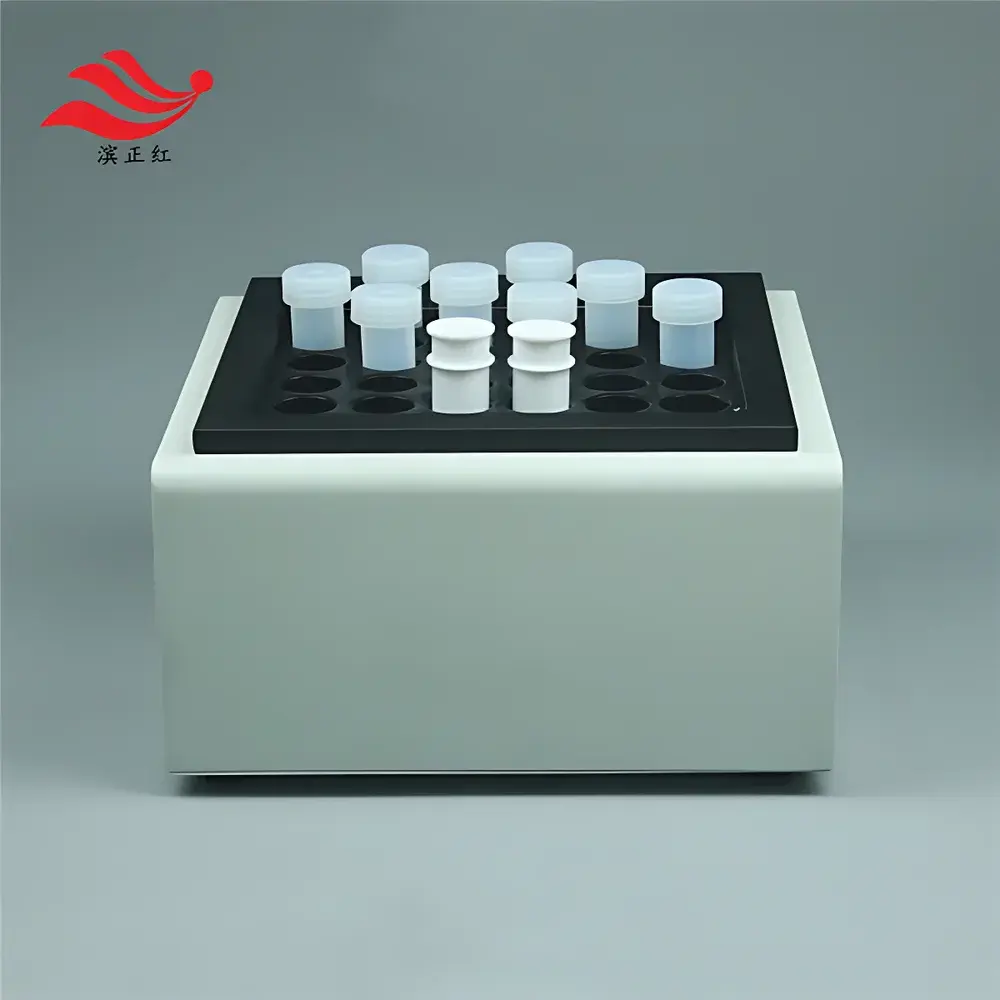
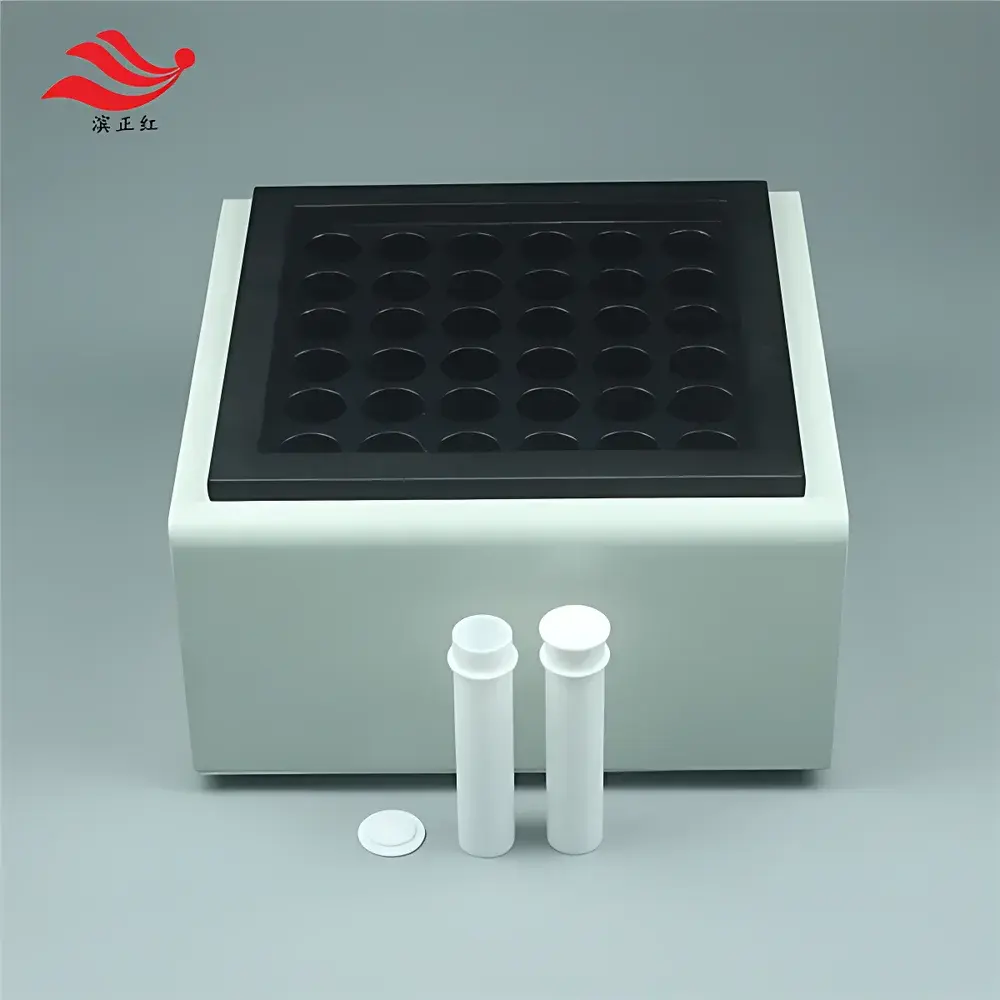
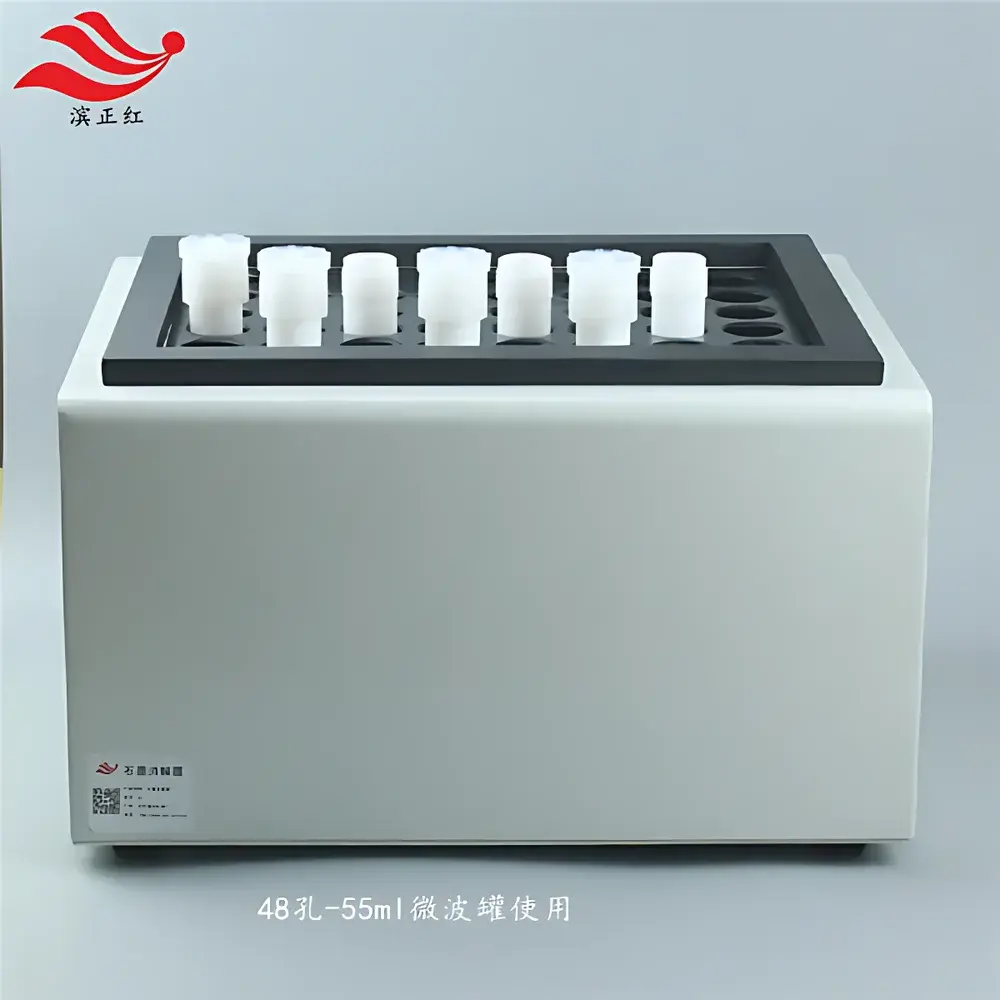
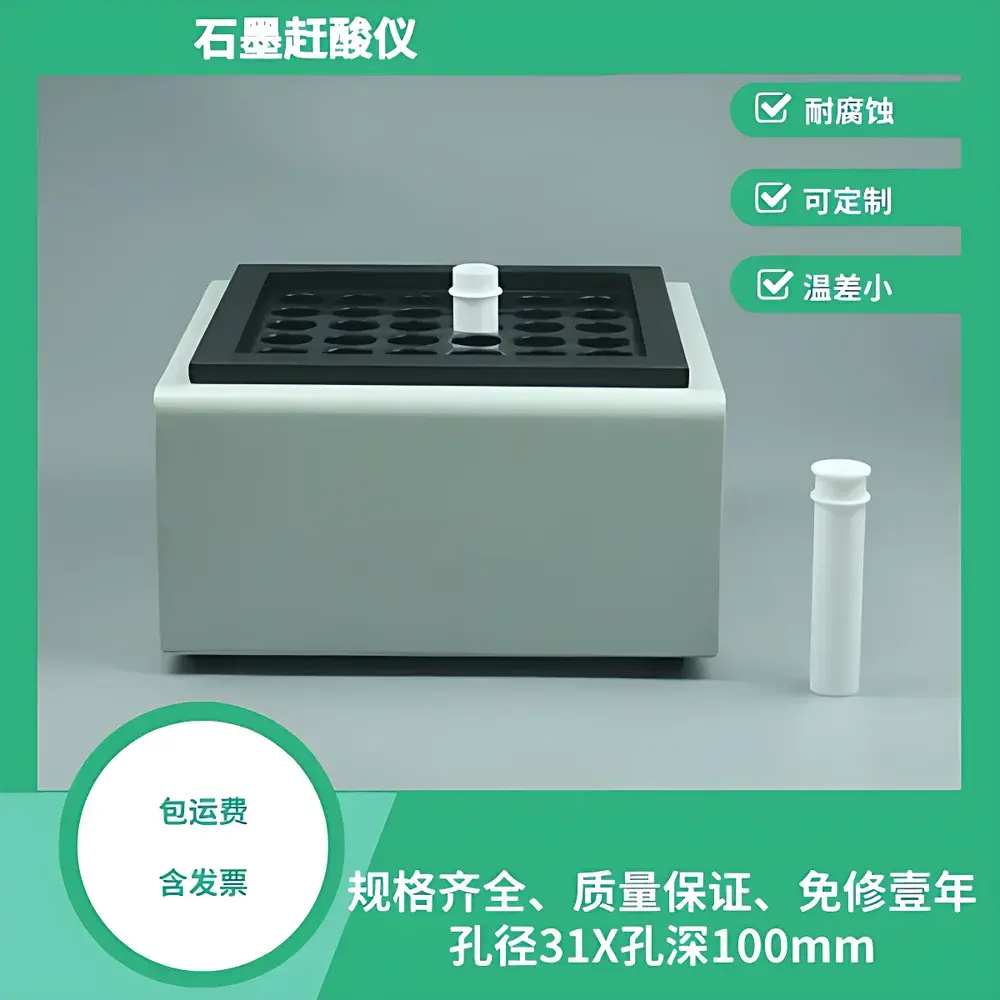
Nanjing Binzhenghong ZH Series 48-Position Graphite Block Digestion System with Temperature Control
| Brand | Nanjing Binzhenghong |
|---|---|
| Origin | Jiangsu, China |
| Manufacturer Type | Direct Manufacturer |
| Instrument Type | Graphite Block Digestion System |
| Automation Level | Semi-Automatic |
| Digestion Positions | 30, 36, 40, or 48 (configurable) |
| Max Heating Temperature | 200 °C |
| Temperature Control Accuracy | ±1 °C |
| Heating Principle | Uniform Graphite Block Heating |
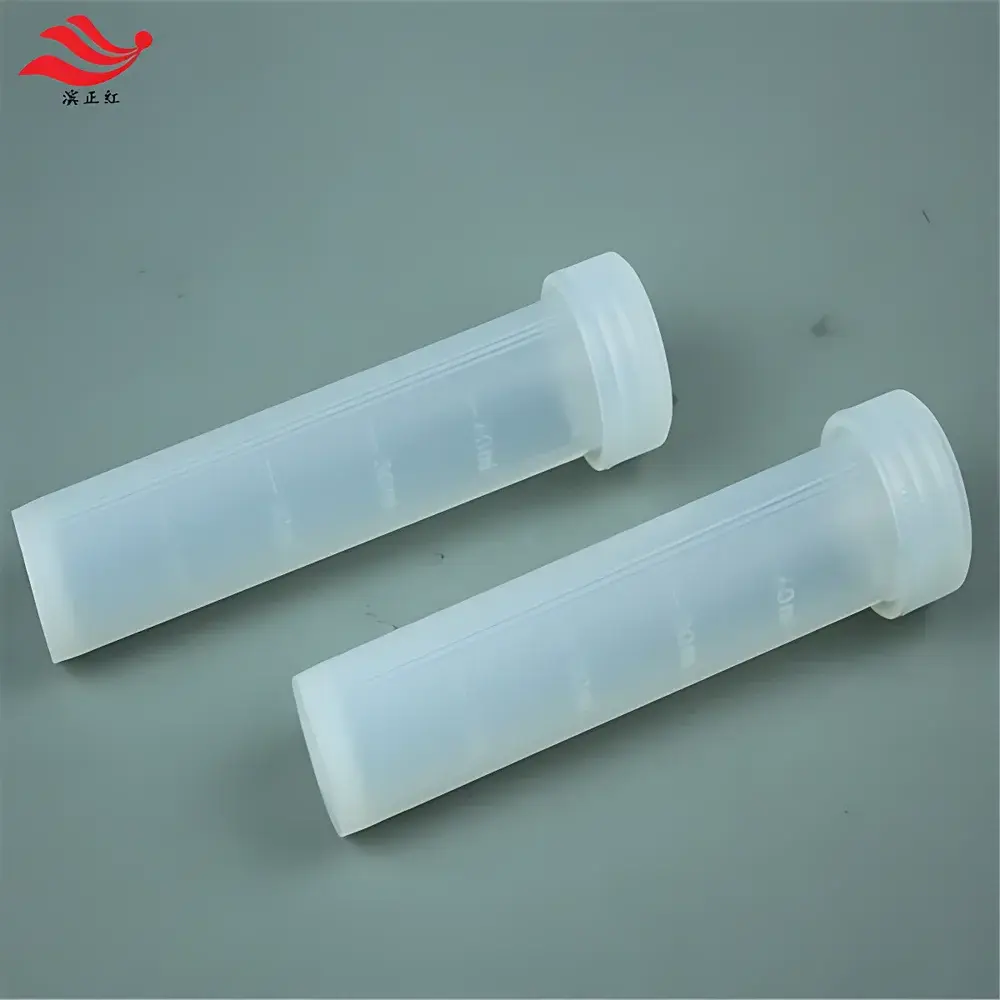
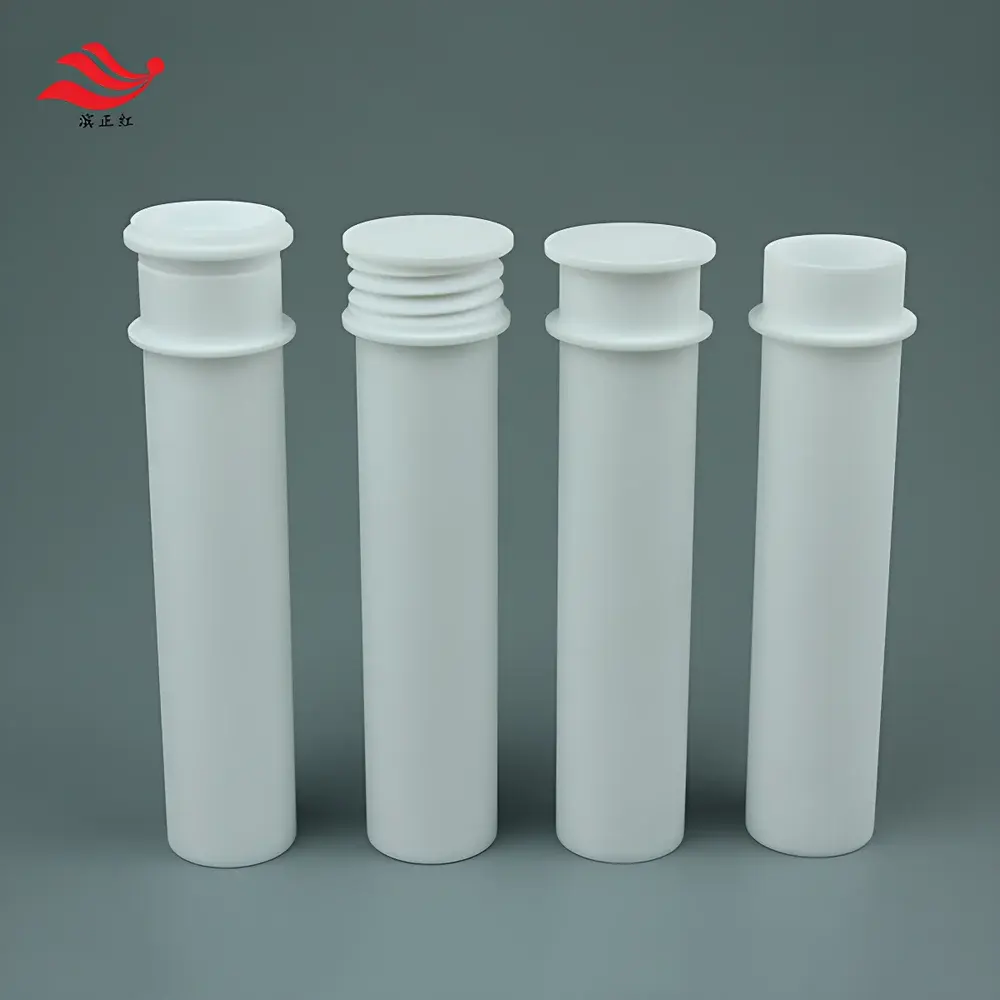
| Sample Vessels | PTFE Digestion Tubes |
Overview
The Nanjing Binzhenghong ZH Series Graphite Block Digestion System is a precision-engineered semi-automatic sample preparation instrument designed for high-throughput, reproducible acid digestion of environmental, agricultural, food, and industrial samples. It operates on the principle of conductive heating via a high-density, machined graphite block—providing uniform thermal distribution across all digestion positions. Unlike ceramic or metal-heated units, graphite delivers superior thermal mass, minimal thermal lag, and exceptional resistance to aggressive reagents (e.g., concentrated HNO₃, HCl, HF, and H₂O₂), making it ideal for EPA, ISO, and GB-compliant digestion protocols. The system supports controlled ramp-and-hold temperature profiles, enabling method adherence to standardized procedures such as EPA Method 3050B (soil/sediment), EPA 3010A (aqueous matrices), and GB/T 22105.1–2008 (soil heavy metal analysis). Its design prioritizes operator safety, analytical reproducibility, and long-term stability in regulated laboratory environments.
Key Features
- Graphite block construction with proprietary PTFE-based anti-corrosion coating—resistant to prolonged exposure to strong acids, alkalis, and organic solvents
- PID-controlled digital temperature regulation with ±1 °C accuracy over 0–200 °C range; real-time monitoring and programmable ramp/hold cycles
- 48-position configuration optimized for batch processing of soil, sludge, water, plant tissue, and food matrices—reducing inter-sample variability
- Integrated thermal insulation and fully enclosed cavity design minimizes heat loss and suppresses acid fume dispersion, protecting electronics and lab personnel
- Uniform heating architecture ensures ≤±1.5 °C inter-hole temperature deviation and <5 °C surface gradient across the block—critical for parallel digestion consistency
- PTFE digestion tubes (standard) compatible with optional PFA or PP alternatives—ensuring chemical inertness and low blank contribution
- 220 V / 50 Hz input; energy-efficient operation with rapid thermal response and stable steady-state performance
Sample Compatibility & Compliance
The ZH Series accommodates standard 50 mL PTFE digestion tubes and supports sample masses up to 2 g (soil) or volumes up to 50 mL (aqueous). It is validated for use in accordance with major regulatory digestion standards, including but not limited to: EPA Methods 3010A, 3050B, 3060A (for As, Cd, Cr, Cu, Pb, Ni, Zn), EPA 7470A/7471 (Hg), ISO 11466 (heavy metals in soils), GB/T 17138–1997 (soil Cu, Zn, Pb, Cd determination), GB/T 22105.1–2008 (As, Hg, Se in soil), and GB/T 5009.11–2003 (food arsenic testing). All materials contacting reagents comply with USP Class VI and FDA 21 CFR 177.1550 (fluoropolymer safety). The unit meets GLP documentation requirements when paired with external audit-trail-capable data loggers.
Software & Data Management
While the base ZH model features front-panel PID controller with digital LED display and manual parameter entry, optional RS-485 or USB interfaces enable integration with LIMS or custom SCADA systems. Users may record time-temperature profiles, setpoint history, and run logs using third-party software compliant with 21 CFR Part 11 (when configured with electronic signature and audit trail modules). The system supports method recall for routine workflows—e.g., “Soil Digestion Protocol A”: ramp to 140 °C at 10 °C/min, hold 120 min, cool passively for 5 min—ensuring procedural fidelity across shifts and analysts.
Applications
- Environmental laboratories: digestion of soil, sediment, sludge, wastewater solids, and airborne particulates prior to ICP-MS, ICP-OES, or AAS analysis
- Agricultural & food testing: mineral profiling in crops, fertilizers, dairy products, seafood, and plant-based supplements
- Geochemical research: trace element extraction from ore, rock, and mineralogical samples
- Regulatory compliance labs: routine QA/QC for EPA, CNAS, CMA, and ISO/IEC 17025-accredited testing
- Industrial R&D: catalyst residue analysis, polymer ash content determination, and coating metal leaching studies
FAQ
What sample tube materials are supported?
Standard PTFE tubes are supplied; optional PFA and polypropylene (PP) tubes are available for specialized applications requiring enhanced purity or lower cost per run.
Can the system be used for HF-based digestions?
Yes—graphite block and PTFE/PFA tube compatibility allows safe handling of hydrofluoric acid when used within defined concentration and temperature limits (≤200 °C, ≤5% v/v HF).
Is the temperature uniformity verified per ASTM E220 or ISO/IEC 17025?
Inter-position uniformity (±1.5 °C) is factory-verified using calibrated thermocouples; users may perform in-house verification per ISO/IEC 17025 clause 6.4.3 using NIST-traceable sensors.
Does the unit support method validation documentation?
Yes—temperature profile logs, setpoint records, and operator IDs (via optional software integration) support full traceability required for method validation and regulatory audits.
What maintenance is required for long-term reliability?
Annual inspection of graphite block integrity, PTFE coating adhesion, and heater contact points is recommended; no consumable parts beyond replacement digestion tubes are required under normal operation.



