OL 480 Blackbody Radiance Source
| Brand | Optronic Laboratories |
|---|---|
| Origin | USA |
| Manufacturer Type | Authorized Distributor |
| Origin Category | Imported |
| Model | OL 480 |
| Pricing | Upon Request |
| Emissivity | 0.99 ± 0.01 |
| Temperature Range | 100–1200 °C |
| Temperature Uncertainty | ±2 °C (NIST-traceable PtRh thermocouple) |
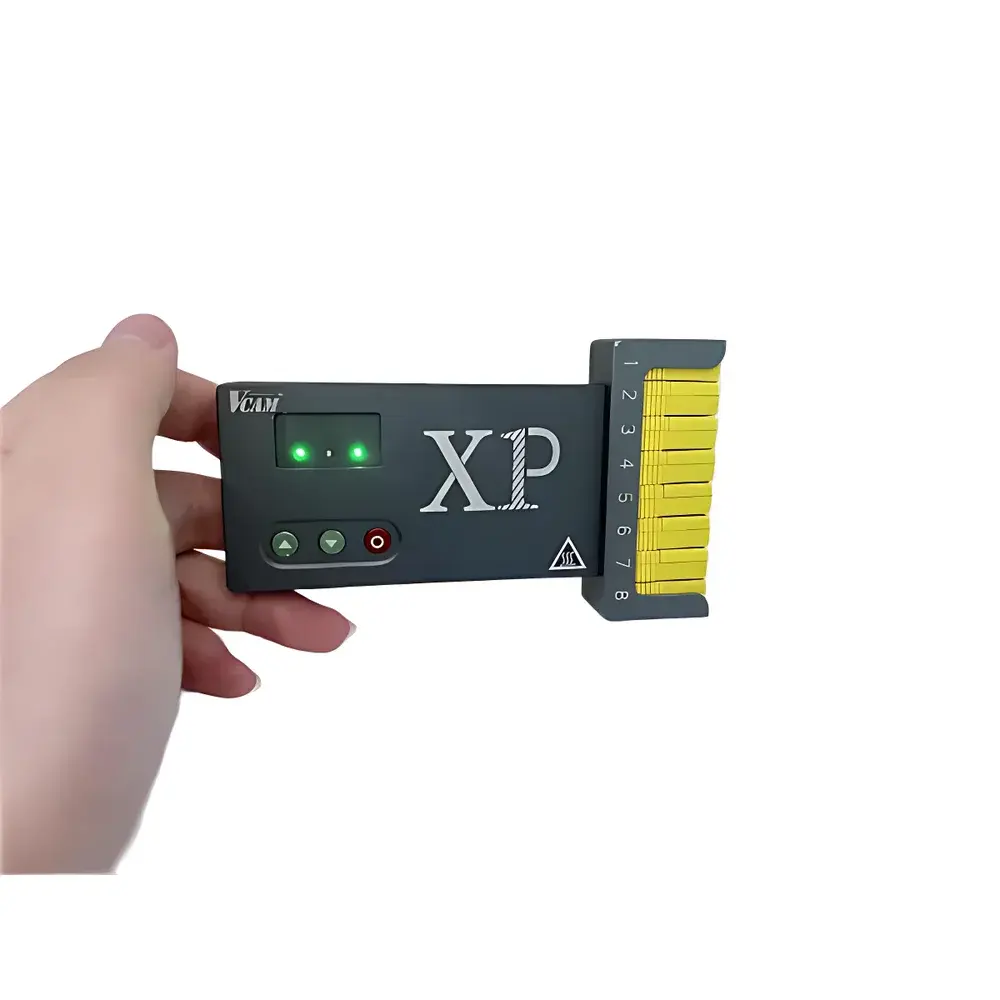
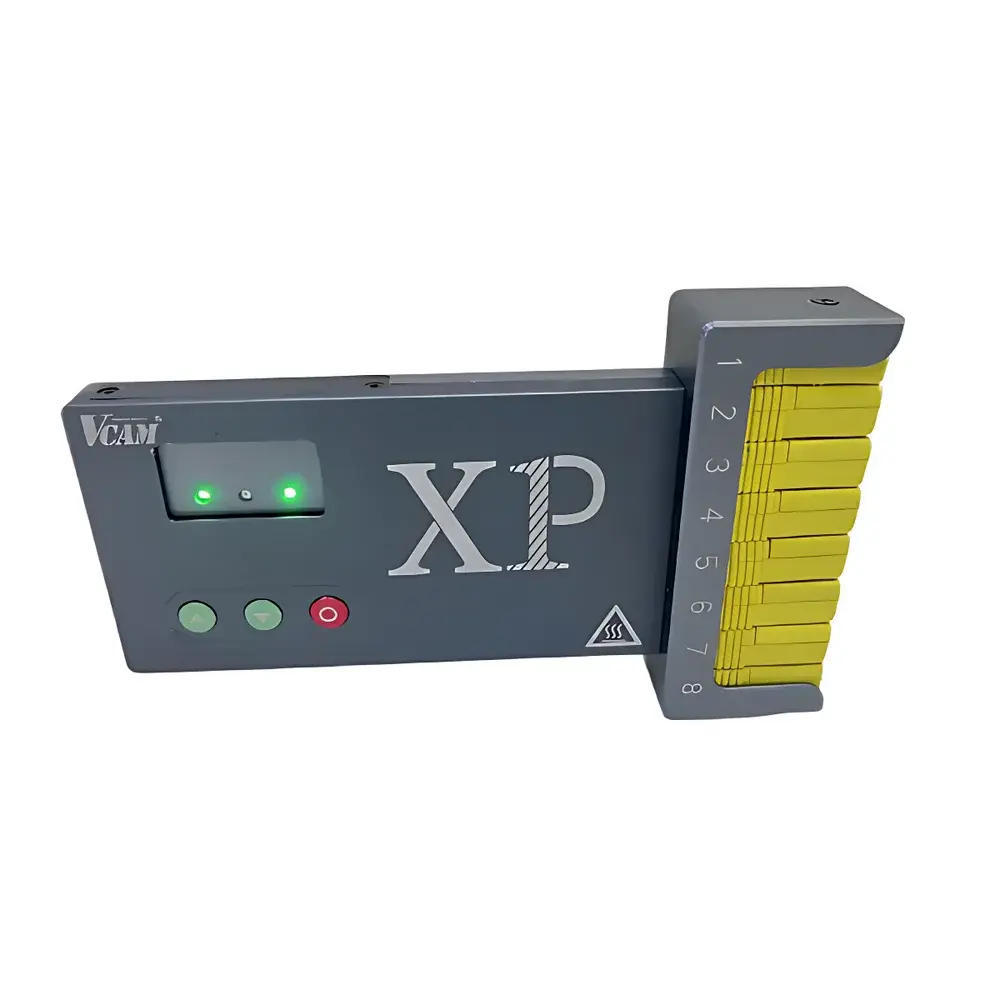
| Aperture Wheel | 8-position, diameters: 0.4, 0.6, 1.2, 2.5, 5.1, 10.2, 15.2, 25.4 mm |
| Temperature Stability | ±0.05% of full scale (via microprocessor-based digital PID controller) |
| Optional Coupling | Compatible with O740-4P off-axis parabolic collimator for collimated IR beam generation |
Overview
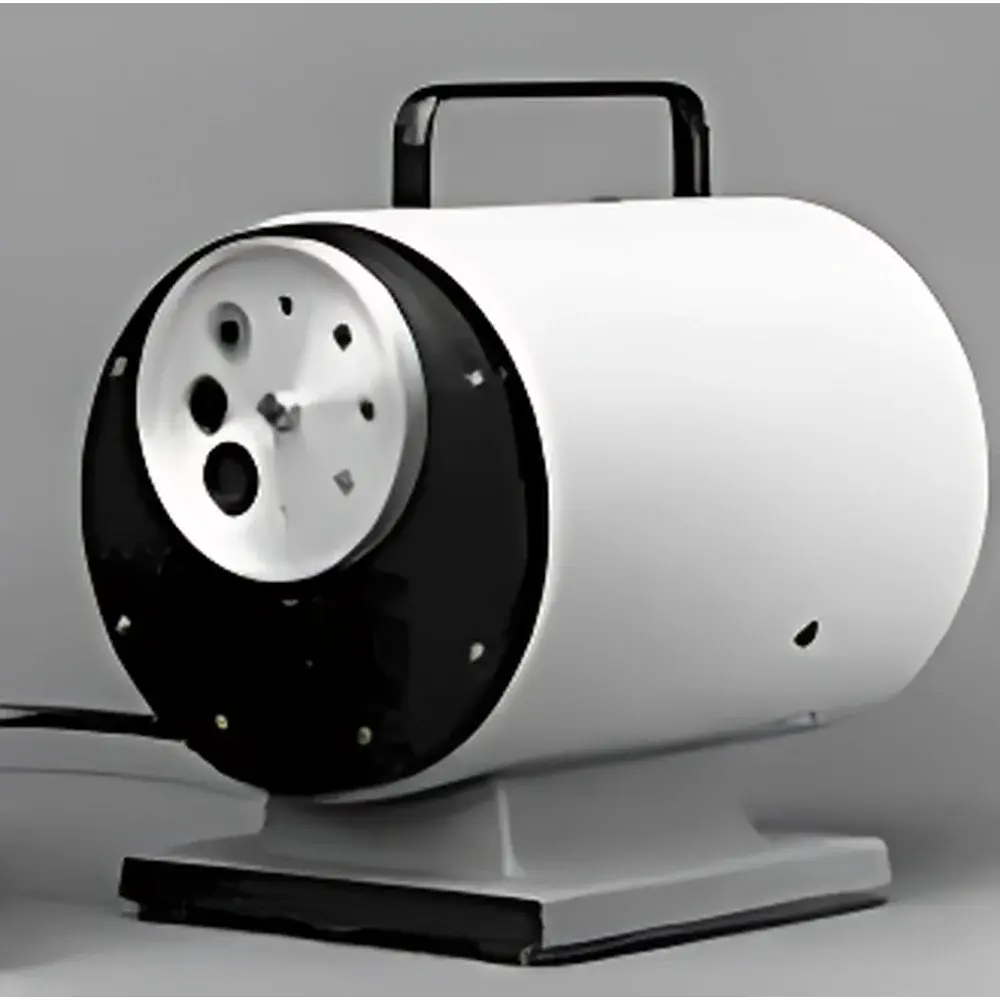
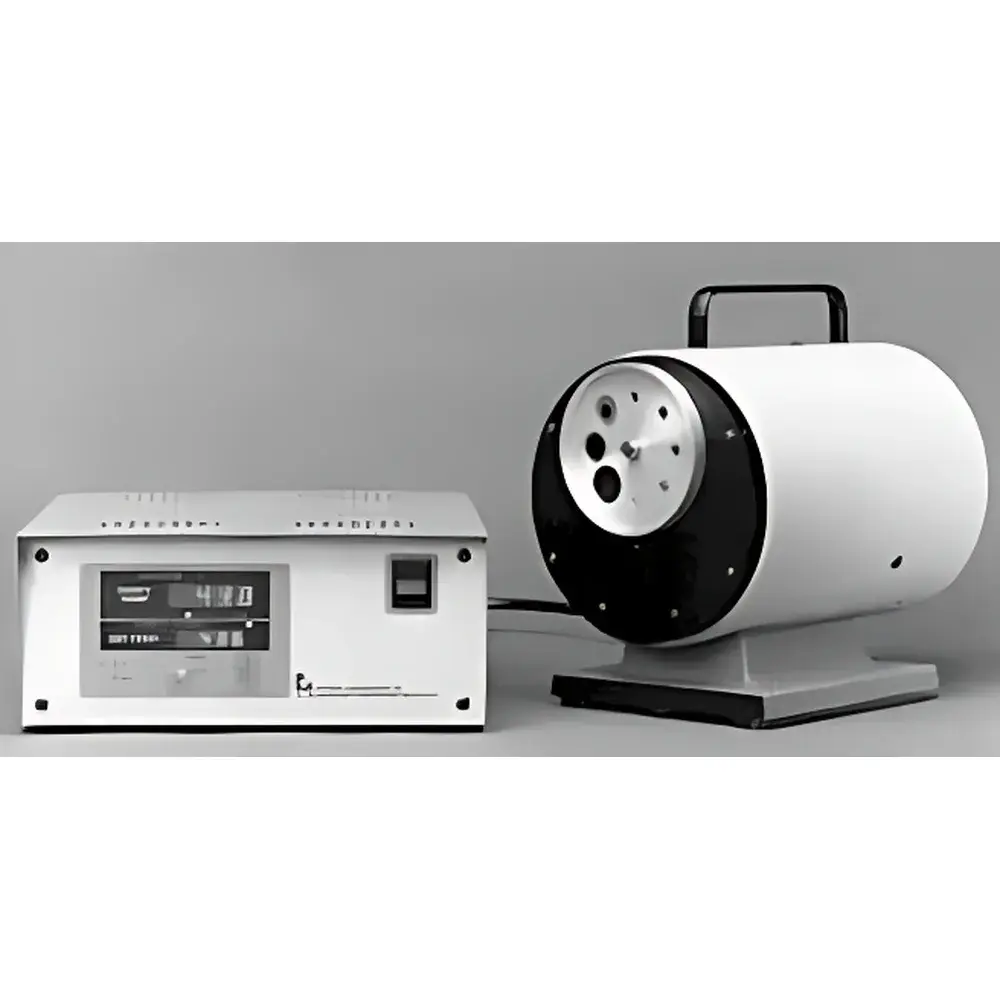
The OL 480 Blackbody Radiance Source is a high-precision, temperature-controlled cavity-type blackbody standard engineered for radiometric and spectral radiometric calibration in laboratory and metrology environments. Based on the fundamental principle of Planckian radiation from a near-ideal thermal emitter, the OL 480 generates spectrally stable, spatially uniform radiance across the mid- to long-wave infrared (MWIR to LWIR) spectrum. Its defining feature is a deeply recessed, uniformly heated conical cavity—designed to minimize wall reflection effects and maximize effective emissivity. With a certified emissivity of 0.99 ± 0.01 and traceability to NIST via integrated PtRh (Platinum–10% Rhodium) thermocouples, the OL 480 serves as a primary reference for calibrating radiometers, Fourier-transform infrared (FTIR) spectroradiometers, thermal imaging systems, and remote sensing instruments requiring SI-traceable radiance values.
Key Features
- High-emissivity conical cavity (ε = 0.99 ± 0.01) fabricated from high-purity graphite and precision-machined for optimal thermal uniformity.
- Wide operational temperature range from 100 °C to 1200 °C, enabling calibration across multiple spectral bands—from near-infrared (NIR) through to far-infrared (FIR).
- Digital PID temperature controller with dual-line LED display: top line shows real-time cavity temperature; bottom line displays setpoint and control status.
- Temperature stability maintained within ±0.05% of full-scale reading—equivalent to better than ±0.6 °C at 1200 °C—ensuring repeatability critical for inter-laboratory comparison studies.
- Motorized 8-position aperture wheel with precisely calibrated diameters: 0.4, 0.6, 1.2, 2.5, 5.1, 10.2, 15.2, and 25.4 mm—supporting both point-source approximation (small apertures) and extended-source radiance calibration (larger apertures).
- Modular mechanical interface compatible with O740-4P off-axis parabolic mirror assembly for collimation of emitted radiation—enabling absolute irradiance or radiant flux calibration under defined f-number conditions.
Sample Compatibility & Compliance
The OL 480 is designed for use with detectors and optical systems sensitive to wavelengths from approximately 0.3 µm to beyond 20 µm. Its cavity geometry and thermal design ensure minimal stray light and negligible self-emission from non-cavity surfaces. The instrument complies with core radiometric calibration practices outlined in ASTM E2758–22 (Standard Practice for Calibration of Spectral Radiometers Using Blackbody Sources), ISO/IEC 17025:2017 requirements for calibration laboratories, and supports traceability chains aligned with CIPM Mutual Recognition Arrangement (CIPM MRA) guidelines. All temperature measurements are directly traceable to NIST Standard Reference Materials (SRMs) via documented calibration certificates provided with each unit.
Software & Data Management
While the OL 480 operates as a stand-alone hardware standard, its digital controller supports RS-232 serial communication for integration into automated calibration workflows. Third-party software platforms—including LabVIEW, MATLAB, and Python-based radiometric data acquisition suites—can interface with the controller to log temperature setpoints, monitor stability in real time, and synchronize radiance measurements with detector readouts. Audit trails for temperature settings and dwell times may be generated for GLP/GMP-compliant validation protocols. No proprietary software is required; all control logic resides in the embedded microprocessor, ensuring long-term maintainability and firmware stability.
Applications
- Primary calibration of infrared radiometers and pyrometers used in industrial process monitoring and aerospace thermal testing.
- Reference source for spectral responsivity characterization of FTIR spectroradiometers and hyperspectral imagers.
- Validation of radiative transfer models in atmospheric science and climate modeling laboratories.
- Intercomparison campaigns between national metrology institutes (NMIs) and accredited calibration labs.
- Characterization of spatial uniformity and angular response of thermal camera lenses and detector arrays.
- Support for ISO 18434-1 (Condition monitoring — Thermography) compliance verification procedures.
FAQ
What is the uncertainty associated with the OL 480’s temperature measurement?
The temperature uncertainty is ±2 °C across the full operating range, validated against NIST-traceable PtRh thermocouples and documented in the unit’s calibration certificate.
Can the OL 480 be used for spectral irradiance calibration?
Yes—when coupled with an O740-4P off-axis parabolic mirror and appropriate integrating sphere or collimated beam path, it enables absolute spectral irradiance calibration per ASTM E2758 and ISO 12097 standards.
Is the aperture wheel motorized or manually operated?
The 8-position aperture wheel is motorized and programmable via the front-panel interface or RS-232 command set.
Does the OL 480 require external water cooling?
No—thermal management is achieved via forced-air convection and optimized internal heat sinking; no liquid cooling infrastructure is needed.
How is emissivity verified and maintained over time?
Emissivity is validated during factory calibration using cryogenic comparison techniques and cavity reflectance modeling; routine user verification is supported via secondary radiometer intercomparison per ISO/IEC 17025 Annex A.3.