
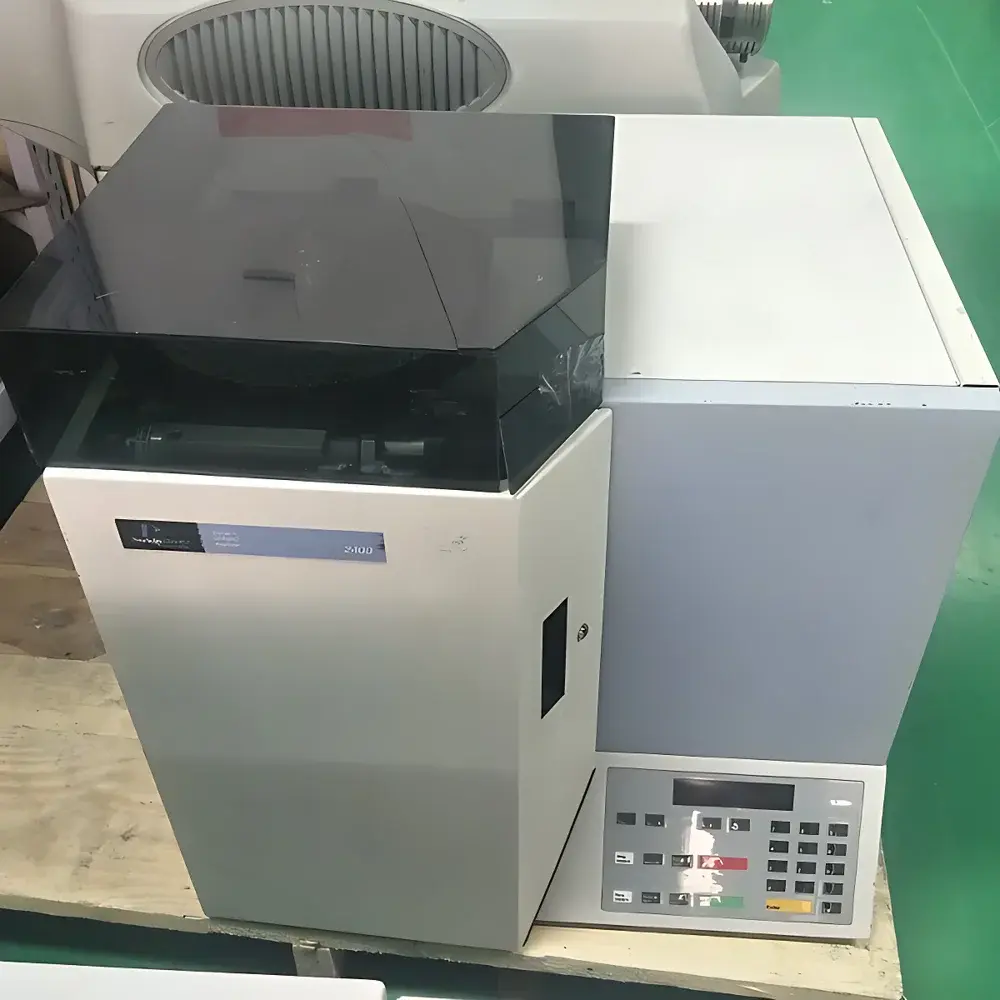
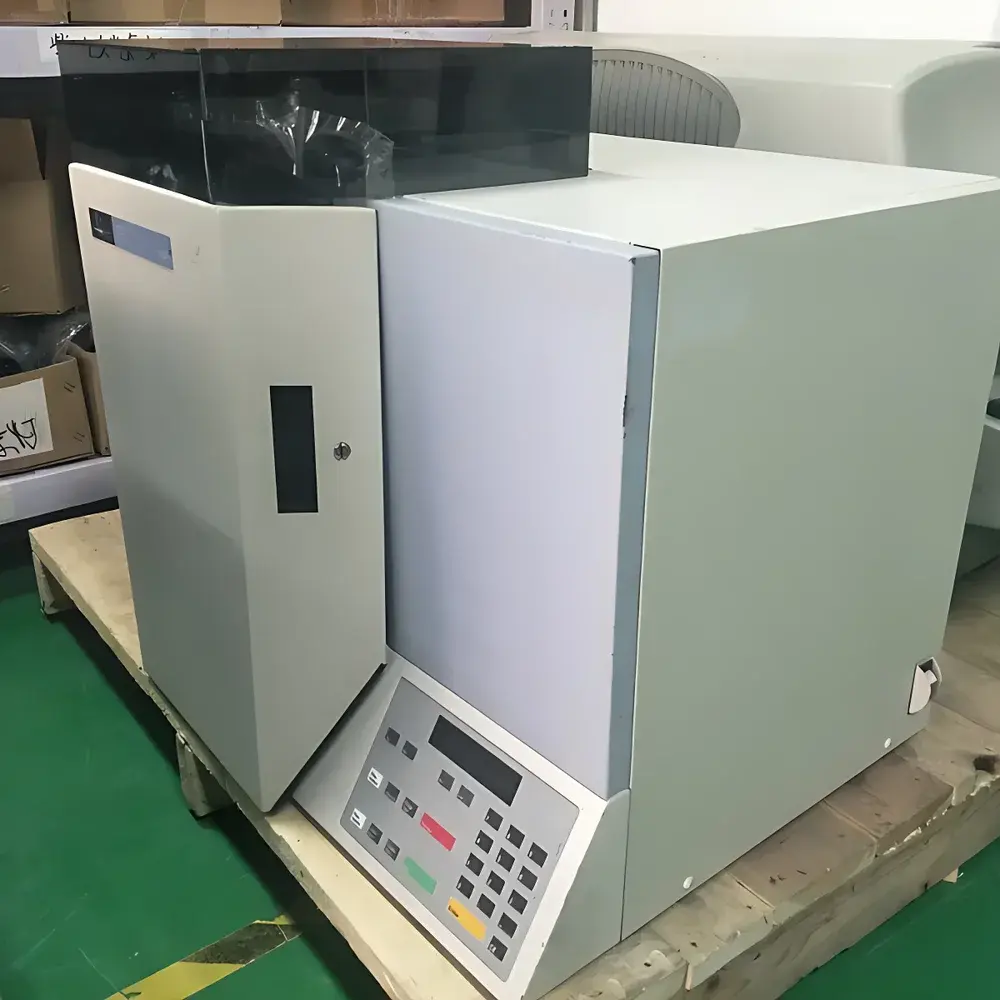
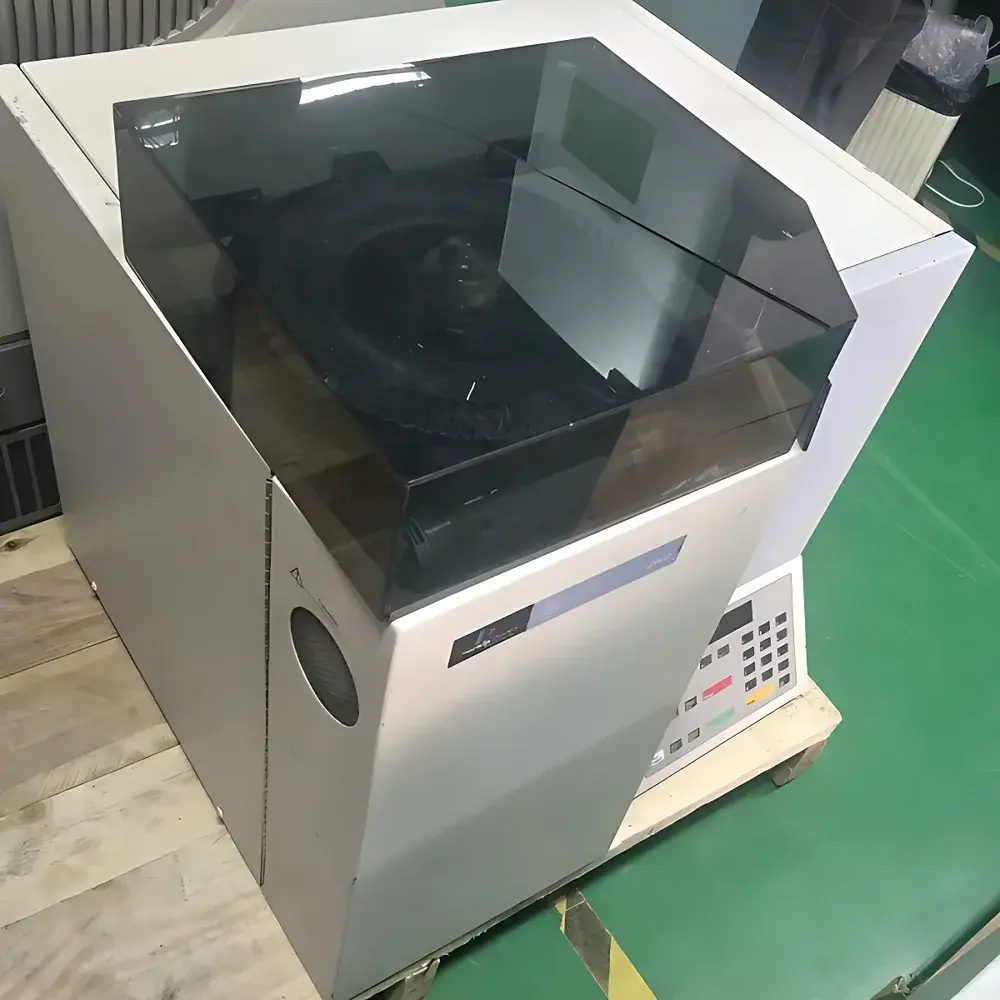
PerkinElmer 2400 Series II Organic Elemental Analyzer
| Brand | PerkinElmer |
|---|---|
| Origin | USA |
| Model | 2400 Series II |
| Analysis Modes | CHN, CHNS, O |
| Typical Analysis Time | 4–8 min per mode |
| Sample Weight Range | 1–2 mg (CHN/CHNS), matrix-dependent for O |
| Detection Principles | Combustion–Reduction–Gas Chromatography–Thermal Conductivity Detection (TCD) |
| Gas Requirements | Helium or Argon carrier gas |
| Compliance | Designed for GLP/GMP environments |
| Software | Elemental Analyzer Data Manager (EADM) v3.x |
Overview
The PerkinElmer 2400 Series II Organic Elemental Analyzer is a benchtop combustion-based elemental analysis system engineered for precise, reproducible quantification of carbon (C), hydrogen (H), nitrogen (N), sulfur (S), and oxygen (O) in organic and organometallic matrices. It operates on the principle of high-temperature catalytic combustion (950–1050 °C) followed by selective gas-phase separation and thermal conductivity detection (TCD). In CHN and CHNS modes, samples are combusted in an oxygen-rich environment; gases pass through reduction tubes (Cu-based) to convert NOx to N2 and SO2 to H2S, then separated on packed GC columns before TCD measurement. For oxygen determination, pyrolysis in graphite furnace under inert atmosphere releases CO, which is subsequently oxidized to CO2 and quantified. The system’s integrated microprocessor controls all thermal zones, gas flows, valve sequencing, and detector stabilization—enabling autonomous method execution and real-time diagnostics.
Key Features
- Triple-mode operational flexibility: CHN, CHNS, and O analysis modes—each optimized for distinct sample classes and regulatory requirements.
- Automated combustion and reduction sequence control, including dynamic optimization of oxygen flow, furnace temperature ramping, and post-combustion reduction timing.
- Integrated solid-state pressure sensor ensures stable column inlet pressure across variable ambient conditions (altitude, barometric fluctuations, carrier gas flow rate changes), eliminating baseline drift common in conventional GC-based elemental analyzers.
- Advanced column switching architecture (with optional Column Switching Accessory, CSA) enables rapid reconfiguration between CHN/CHNS and O modes—mode conversion completed in under 30 minutes without hardware disassembly.
- On-board self-diagnostic routines continuously monitor electronic subsystems, gas integrity, thermocouple response, and valve actuation status—reducing downtime and supporting predictive maintenance planning.
- Programmable gas-saving logic: automatic carrier gas flow reduction during standby and post-run purge phases; argon-compatible operation lowers operational cost versus helium.
- Dedicated copper reactivation protocol: automated periodic introduction of 5–8% H2/Ar mixture at user-defined intervals to regenerate spent CuO/Cu reducers—extending reagent lifetime and minimizing manual intervention.
- Seamless integration with AD-4 or AD-6 analytical balances (0.1 µg readability) via RS-232 or USB; weight data auto-transferred to EADM without manual entry.
Sample Compatibility & Compliance
The 2400 Series II accommodates diverse organic solids and liquids—including pharmaceutical intermediates, polymers, agrochemicals, coal derivatives, geological sediments, textiles, and food-grade materials. CHN/CHNS modes tolerate halogenated compounds (with appropriate calibration and blank correction); oxygen mode requires prior removal of phosphorus, fluorine, silicon, and metal cations—mineral acid digestion or ash leaching is recommended for inorganic-rich samples. The system meets foundational requirements for ASTM D5291, ISO 17249, USP , and EPA Method 5050. When deployed with audit-trail-enabled EADM software and instrument access controls, it supports GLP and GMP laboratory workflows aligned with FDA 21 CFR Part 11 data integrity expectations.
Software & Data Management
Elemental Analyzer Data Manager (EADM) v3.x provides a validated, Windows-based interface for method setup, sequence definition, real-time chromatogram visualization, peak integration, calibration curve generation (linear/non-linear), and report export (PDF, CSV, XML). Built-in features include: automatic blank subtraction, multi-point calibration with weighting options, sample dilution factor handling, uncertainty propagation per IUPAC guidelines, and electronic signature support. All raw chromatograms, method parameters, and audit logs are timestamped and stored in a relational database—enabling full traceability from injection to final certified result. Data exports comply with LIMS interoperability standards (ASTM E1578, HL7).
Applications
This analyzer serves quality control laboratories in pharmaceutical manufacturing (API elemental impurity profiling per ICH Q3D), contract research organizations (CROs) performing material characterization, academic chemistry departments studying reaction stoichiometry, and energy sector labs analyzing fuel composition (e.g., coal C/H/N/S ratios per ASTM D3176). Its oxygen mode is routinely applied to cellulose derivatives, explosives precursors, and oxygenated biofuels—where accurate O content informs combustion efficiency modeling. In environmental testing, it supports EPA-regulated analyses of sediment organic carbon (LOI correlation) and waste-derived feedstocks.
FAQ
What sample types are incompatible with the oxygen mode?
Samples containing phosphorus, fluorine, silicon, or transition metals (e.g., Fe, Ni, Co) must be pre-purified—these elements deactivate the graphite furnace or form refractory oxides that compromise CO yield.
Can CHNS and oxygen analyses be performed on the same instrument without hardware modification?
Yes—using the optional Column Switching Accessory (CSA), the system reconfigures internal valving and column routing to isolate the oxygen-specific pyrolysis path from the combustion path.
Is the 2400 Series II compliant with 21 CFR Part 11?
The hardware itself is not inherently compliant; however, when operated with EADM v3.x in validated configuration—including electronic signatures, audit trails, and role-based access control—it fulfills technical requirements for Part 11 adherence in regulated environments.
What is the typical detection limit for sulfur in CHNS mode?
Under standard operating conditions (1–2 mg sample, optimized combustion), sulfur detection limits range from 50–100 µg/g depending on matrix complexity and blank contribution.
Does the system support unattended overnight operation?
Yes—when paired with the 60-position autosampler and scheduled method sequences, the 2400 Series II executes multi-day batches with automatic shutdown, purge, and readiness verification upon startup.




