
PFA Digestion Vessels – Transparent Acid-Resistant Cleaning & Reaction Vials (Model 240-6L)
| Brand | Binzhenghong |
|---|---|
| Origin | Jiangsu, China |
| Manufacturer Type | Direct Producer |
| Origin Category | Domestic |
| Model | 240-6L |
| Price Range | USD 140 – 1,700 (FOB) |
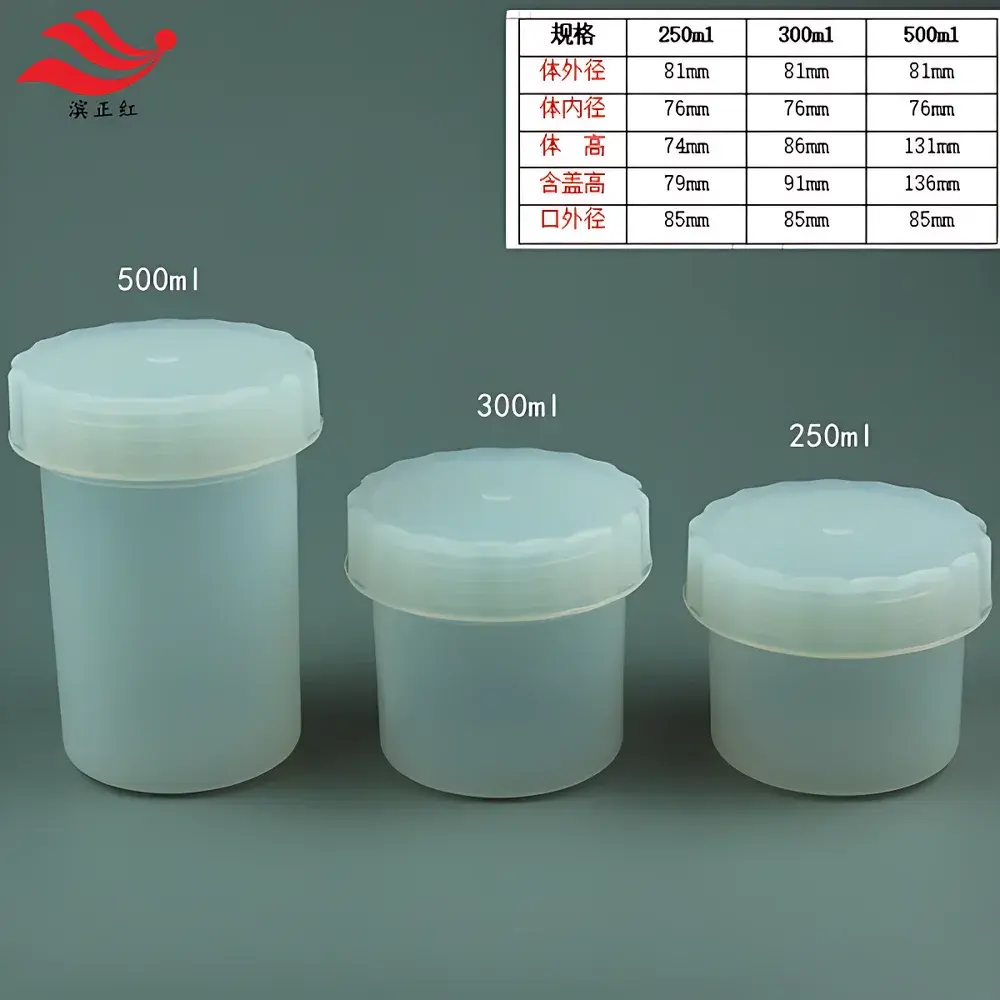
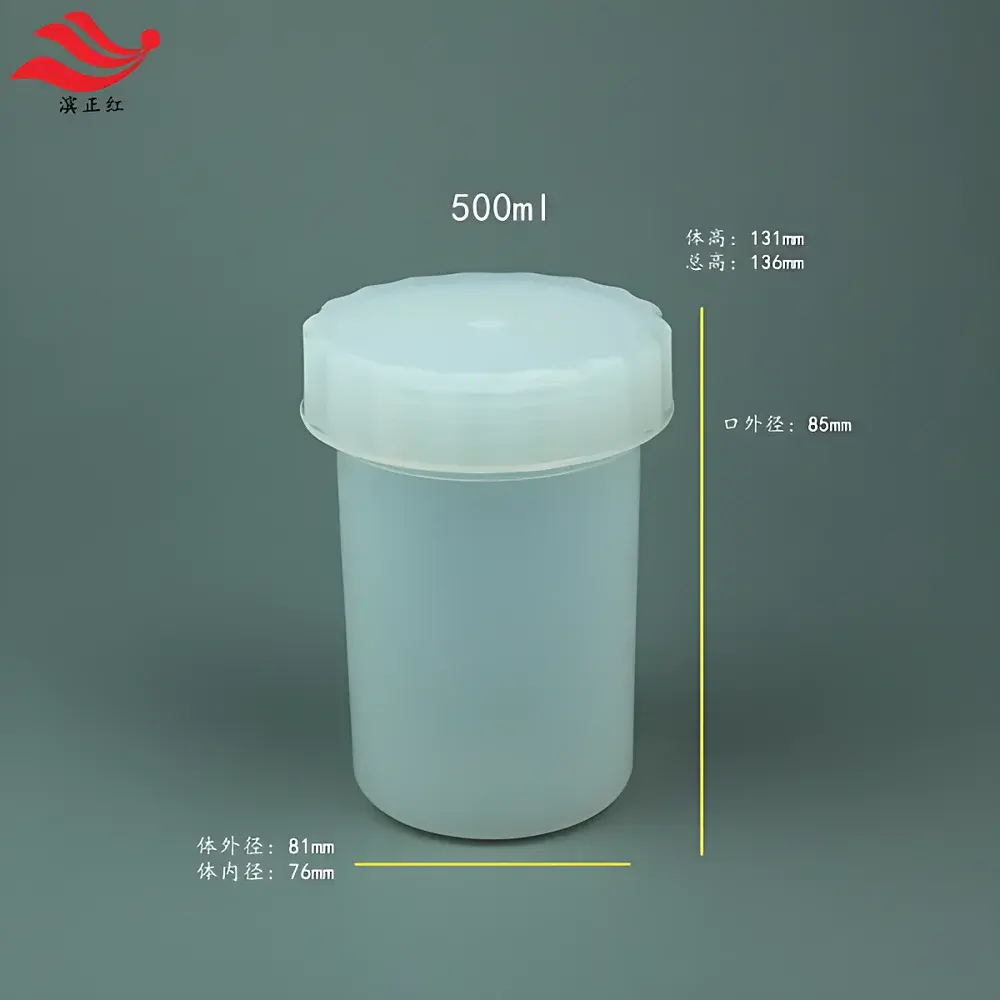
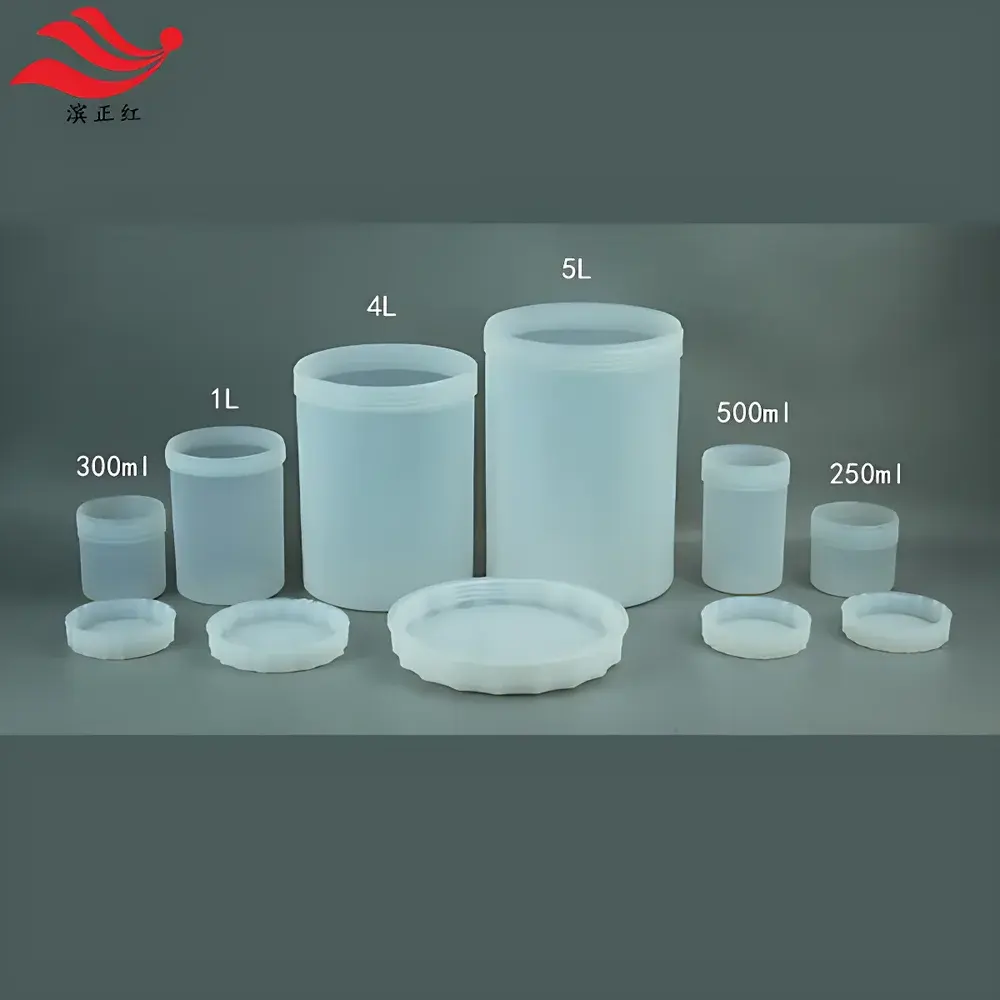
| Vessel Capacities | 250 mL, 300 mL, 500 mL |
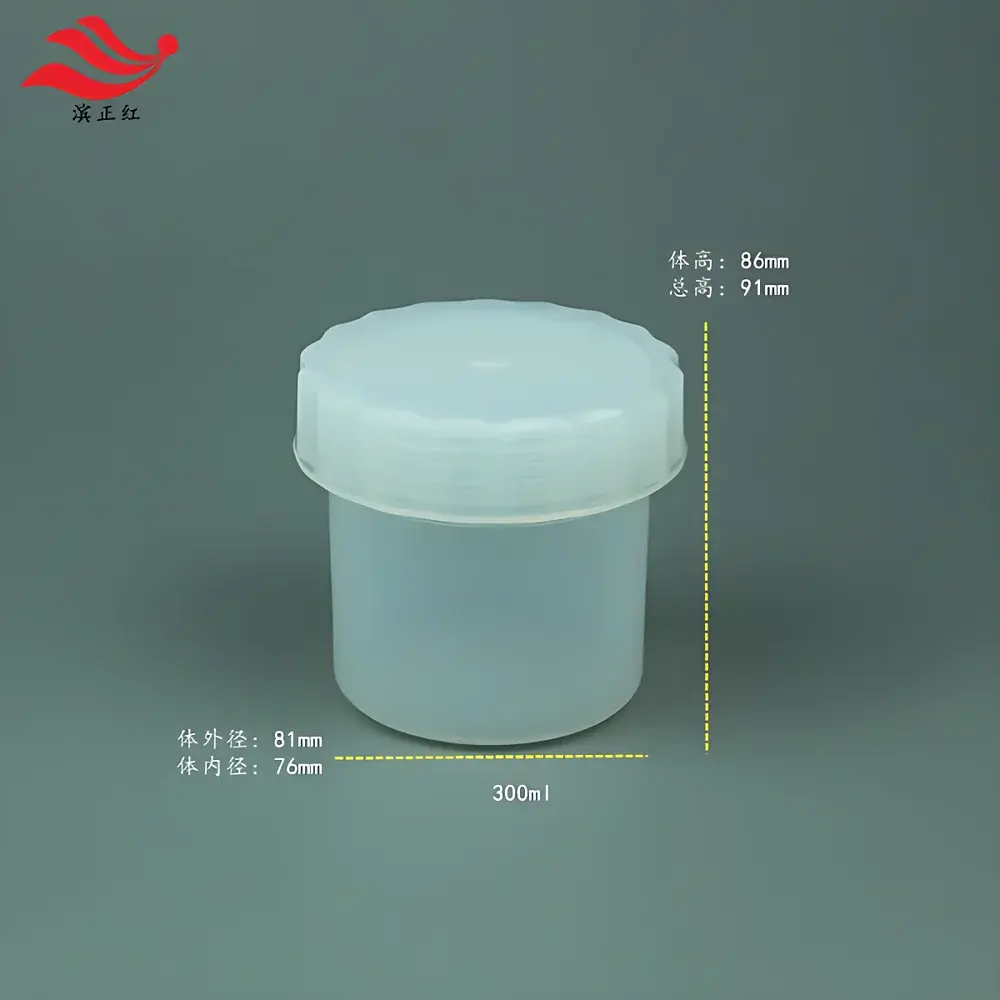
| Outer Diameter | 81 mm (all sizes) |
| Inner Diameter | 76 mm (all sizes) |
| Body Height | 74 mm (250 mL), 86 mm (300 mL), 131 mm (500 mL) |
| Total Height with Lid | 79 mm (250 mL), 91 mm (300 mL), 136 mm (500 mL) |
| Mouth Outer Diameter | 85 mm (all sizes) |
Overview
The Binzhenghong PFA Digestion Vessels (Model 240-6L) are high-purity, transparent reaction and sample preparation containers engineered for ultra-trace elemental analysis, low-background radiochemical work, and aggressive chemical processing. Constructed entirely from perfluoroalkoxy alkane (PFA) resin—certified to ASTM D4894 and ISO 1043-1 specifications—these vessels exhibit exceptional resistance to hydrofluoric acid (HF), aqua regia, hot concentrated nitric and sulfuric acids, and strong alkalis up to 20% NaOH at elevated temperatures. Unlike quartz or borosilicate glass, PFA offers near-zero metal extractables (<0.1 pg/cm² for Al, Fe, Cr, Ni, Cu, Zn, Pb), making it indispensable in ICP-MS, ICP-OES, and gamma-spectrometry laboratories where procedural blanks must remain below sub-pg/mL detection limits. The vessels operate continuously at temperatures from −200 °C to +260 °C and withstand repeated autoclaving (121 °C, 15 psi, 20 min) without dimensional creep or surface degradation.
Key Features
- Optically transparent PFA material enables real-time visual monitoring of digestion progress, precipitate formation, and phase separation without vessel opening.
- Uniform wall thickness (±0.15 mm tolerance) ensures consistent thermal expansion behavior and mechanical stability during microwave-assisted acid digestion (MAD) and hotplate-based reflux procedures.
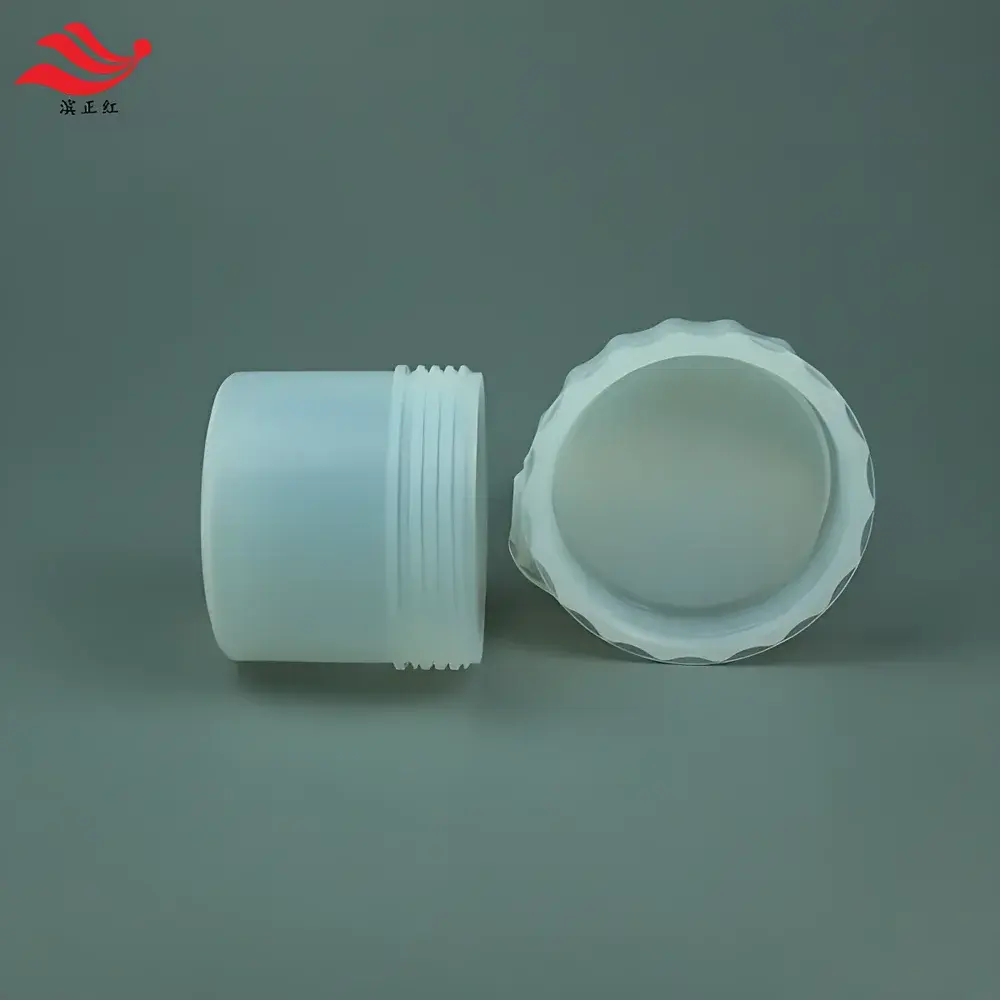
- Chemically inert lid design with integrated PTFE-sealed snap-fit closure prevents cross-contamination and maintains vapor-phase equilibrium during closed-vessel heating.
- Low-outgassing construction complies with ASTM E595 requirements for total mass loss (TML < 1.0%) and collected volatile condensable materials (CVCM < 0.1%), supporting cleanroom-compatible handling.
- Trace-metal-clean manufacturing conducted in ISO Class 7 (10,000) cleanrooms; each lot accompanied by Certificate of Analysis (CoA) listing residual Na, K, Ca, Mg, Al, Fe, Cr, Ni, Cu, Zn, Cd, Pb, U, Th at ≤10 pg/vessel.
Sample Compatibility & Compliance
These vessels are validated for use with EPA Methods 3050B, 3051A, 3052, and ASTM D5681 for soil, sediment, biological tissue, and polymer digestion. Their non-wetting surface minimizes analyte adsorption—critical for recovery studies of As, Se, Sb, Hg, and rare earth elements. All models meet USP requirements for plastic packaging components and are compatible with GLP-compliant workflows under 21 CFR Part 58. Batch-specific traceability is maintained through laser-etched lot numbers on the vessel base, enabling full audit trails during regulatory inspections.
Software & Data Management
While inherently hardware-only, the 240-6L series integrates seamlessly into LIMS and ELN platforms via standardized sample tube barcode labeling (GS1-128 compliant). Each vessel can be assigned a unique identifier in laboratory information management systems (e.g., LabWare LIMS, Thermo Fisher SampleManager) for chain-of-custody tracking across digestion, dilution, and instrumental analysis steps. Digital calibration logs and usage history (thermal cycles, acid exposure records) may be archived in accordance with ISO/IEC 17025:2017 Clause 7.7.2 for equipment performance verification.
Applications
- Ultra-low-level heavy metal quantification in environmental water, drinking water, and seawater matrices (EPA 200.8, ISO 17294-2).
- Radiochemical purification of actinides (U, Pu, Am) and fission products (Cs-137, Sr-90) in nuclear forensics and waste characterization.
- Digestion of high-silica geological samples prior to HF-HNO₃ leaching for REE and Hf isotopic analysis by MC-ICP-MS.
- Preparation of certified reference material (CRM) homogenization and subsampling under ISO Guide 35 protocols.
- Inert storage of hygroscopic standards (e.g., Tl, In, Rh internal standards) and stock solutions containing picomolar-level analytes.
FAQ
Can these PFA vessels be used in microwave digestion systems?
Yes—model 240-6L vessels are rated for continuous operation up to 300 °C and 100 bar pressure, meeting safety thresholds for commercial microwave digestion rotors (e.g., CEM MARS 6, Anton Paar Multiwave PRO).
What cleaning protocol is recommended before first use?
Soak in 20% v/v ultrapure HNO₃ (≥18.2 MΩ·cm resistivity) for 24 h at room temperature, followed by three rinses with 18.2 MΩ·cm water and drying in Class 100 laminar flow hood.
Do they comply with FDA requirements for food contact testing?
No—these are analytical-grade vessels intended solely for laboratory sample preparation; they are not manufactured or tested to FDA 21 CFR 177.1550 (fluoropolymer food-contact compliance).
Is there batch-to-batch variability in trace metal background?
Each production lot undergoes independent ICP-MS screening; CoA reports maximum detected levels per element, with typical backgrounds consistently <5 pg per vessel for transition metals.
Can lids be autoclaved separately without deformation?
Yes—the snap-fit PFA lids retain dimensional integrity after ≥50 autoclave cycles (121 °C, saturated steam), verified by post-cycle metrology using coordinate measuring machine (CMM) inspection.



