
Phenom Pro_4 Desktop Scanning Electron Microscope for Geological Applications
| Brand | Phenom |
|---|---|
| Origin | Netherlands |
| Manufacturer Type | Original Equipment Manufacturer (OEM) |
| Import Status | Imported |
| Model | Phenom Pro_4 |
| Instrument Type | Benchtop SEM |
| Electron Source | Cerium Hexaboride (CeB₆) |
| Secondary Electron (SE) Resolution | 8 nm at 20 kV |
| Backscattered Electron (BSE) Resolution | 8 nm at 20 kV |
| Magnification Range | 20× to 200,000× |
| Accelerating Voltage | 4.8–20.5 kV |
| Detector | Integrated SE and BSE detectors |
Overview
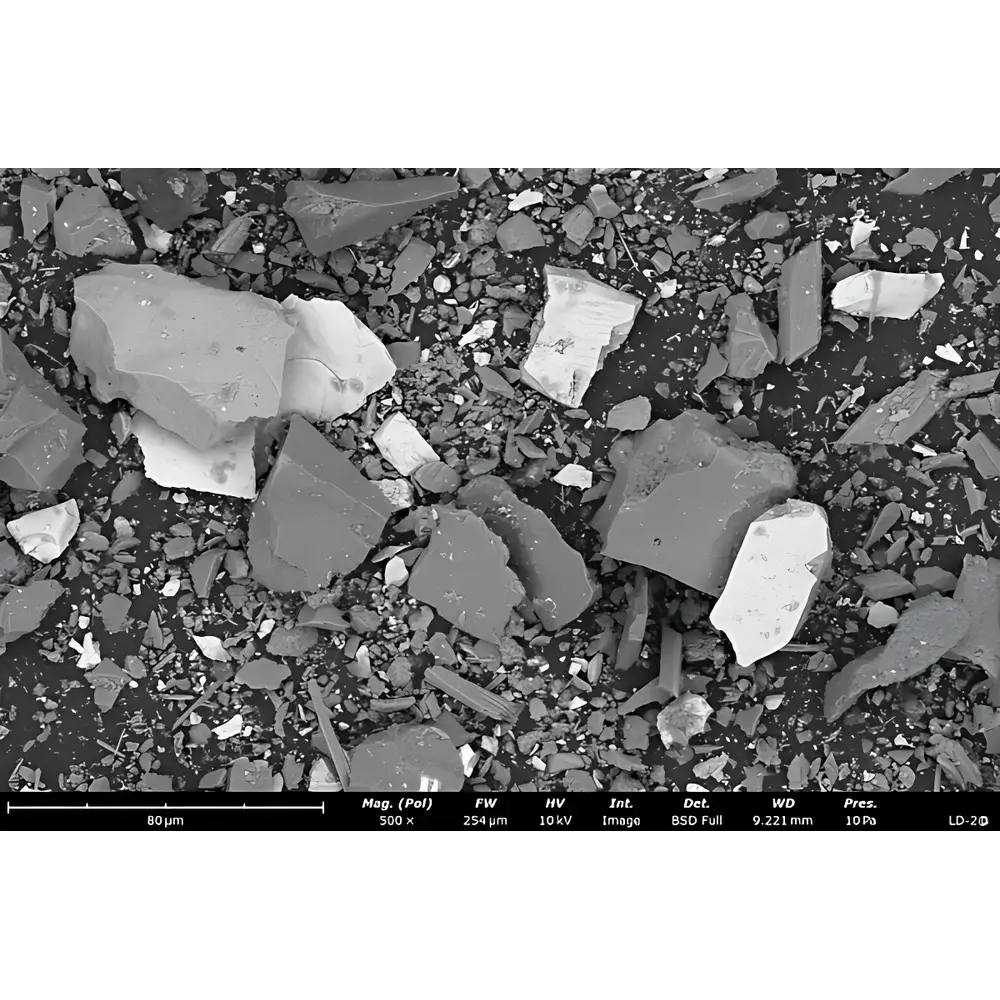
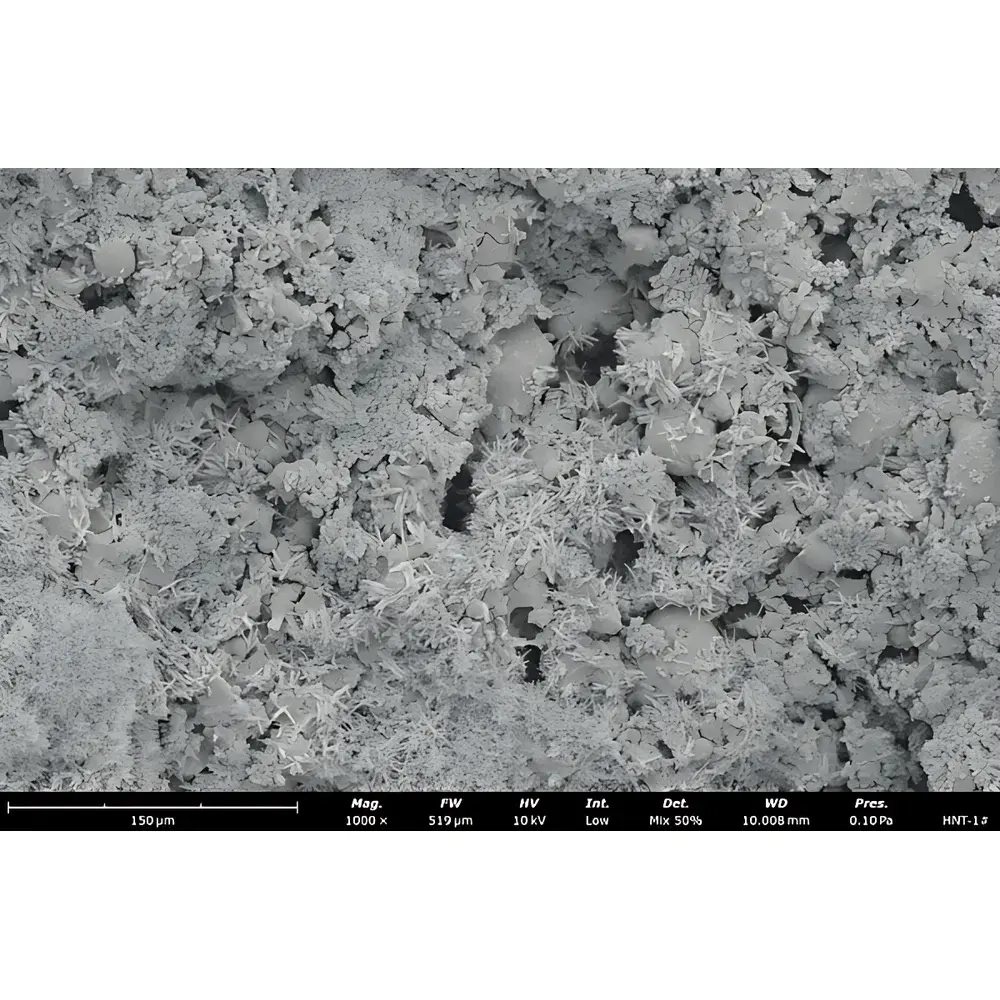
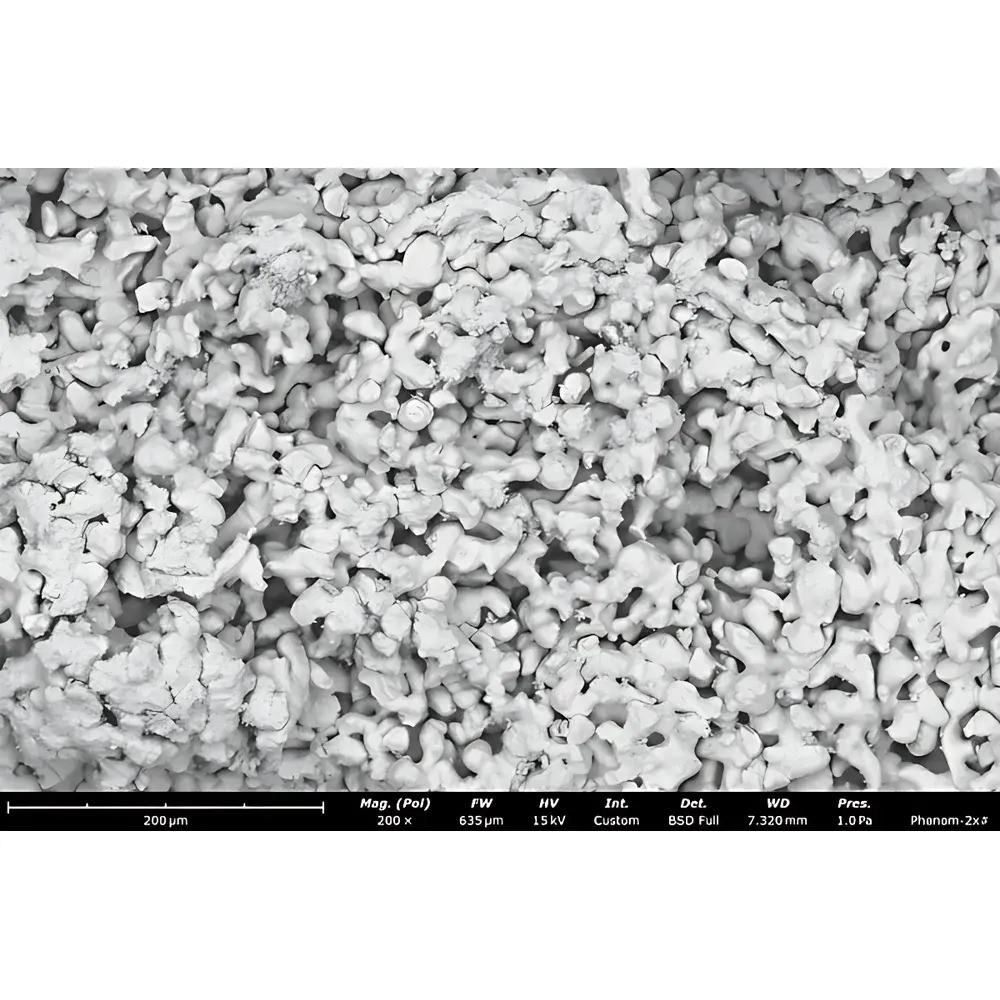
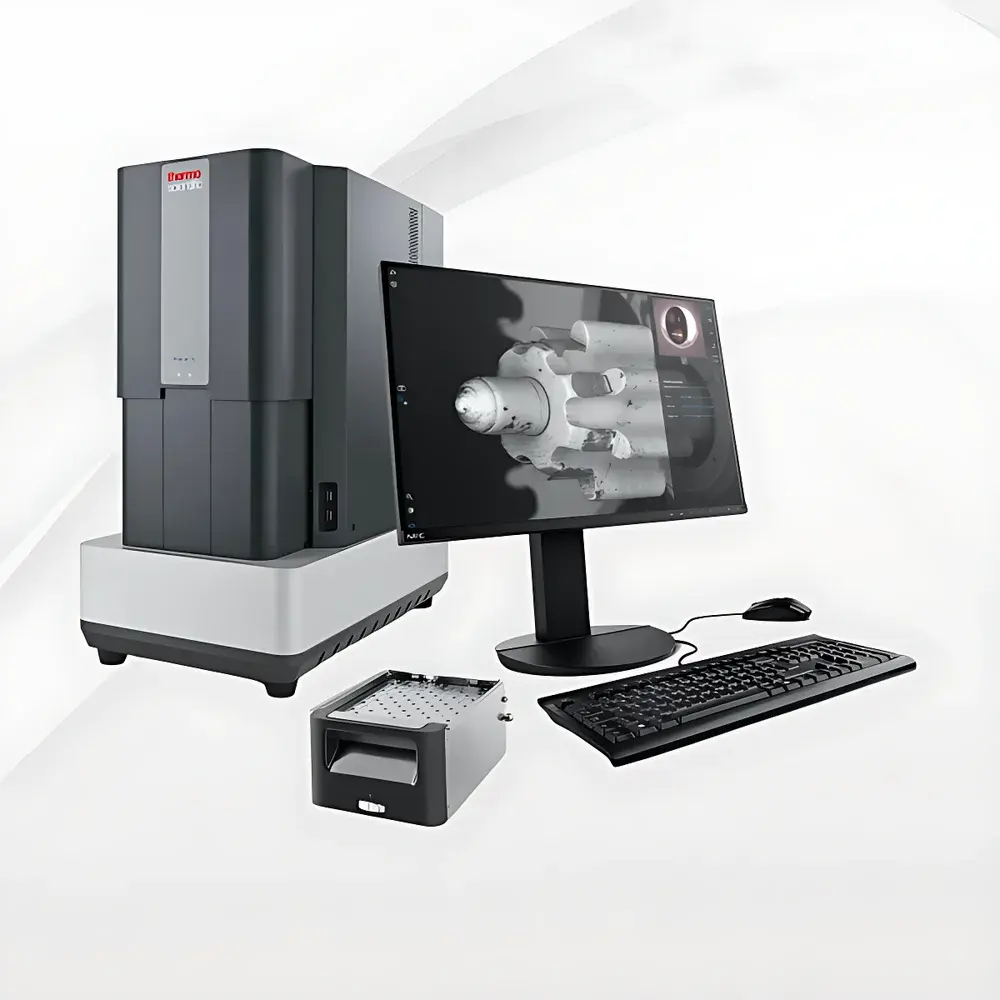
The Phenom Pro_4 Desktop Scanning Electron Microscope is a high-performance, benchtop SEM engineered specifically for geological sample characterization in academic, industrial, and regulatory laboratory environments. Operating on the principle of scanning electron microscopy—where a focused beam of high-energy electrons interacts with conductive or coated geological specimens to generate secondary and backscattered electron signals—the system delivers nanoscale surface topography and atomic-number contrast imaging without requiring ultra-high vacuum conditions. Its CeB₆ thermionic electron source provides superior brightness and stability over tungsten filaments, enabling consistent signal-to-noise performance across extended acquisition sessions. Designed for routine use by geoscientists—not just electron microscopy specialists—the Pro_4 integrates vacuum automation, one-click alignment, and rapid sample exchange (<60 seconds from load to image), significantly reducing operational barriers while maintaining metrological integrity for quantitative morphological and compositional analysis.
Key Features
- Benchtop architecture with integrated vacuum pumping system—no external roughing pump or chilled water required.
- CeB₆ electron source delivering stable emission current up to 100 µA, ensuring long source lifetime (>1500 h) and minimal drift during time-series imaging.
- Dual-detector configuration: high-efficiency Everhart-Thornley SE detector and solid-state BSE detector for simultaneous topographic and compositional contrast imaging.
- Automated stage with 50 mm × 50 mm travel range and 1 µm repeatability—optimized for multi-region mapping of heterogeneous rock thin sections, polished ore mounts, and fossil-bearing sediment blocks.
- Integrated energy-dispersive X-ray spectroscopy (EDS) interface supporting qualitative and semi-quantitative elemental analysis (Z ≥ 5), compatible with third-party EDS systems meeting IEEE 1627 standards.
- Real-time drift correction algorithm applied during image acquisition to maintain sub-pixel registration in extended dwell-time acquisitions.
Sample Compatibility & Compliance
The Phenom Pro_4 accommodates standard 32 mm pin-mount geological specimens—including carbon-coated polished thin sections, epoxy-impregnated drill cores, uncoated fossil fragments (with optional low-vacuum mode), and loose mineral grains mounted on stubs. Its variable-pressure mode (up to 100 Pa) enables imaging of non-conductive, hydrated, or outgassing samples without metallization—critical for preserving delicate microfossil morphology or clay mineral hydration states. The system complies with IEC 61000-6-3 (EMC emissions) and IEC 61000-6-2 (immunity), and supports GLP/GMP-aligned workflows via audit-trail-enabled software logging (user actions, parameter changes, timestamped acquisition metadata). All imaging and measurement data conform to ASTM E1558–22 (Standard Guide for SEM Imaging of Geological Materials) and ISO/IEC 17025:2017 documentation requirements.
Software & Data Management
Acquisition and analysis are managed through Phenom Desktop Software v5.x—a Windows-based platform supporting DICOM-compliant image export, TIFF/PNG/BMP batch saving, and CSV-formatted measurement logs. The software includes calibrated particle analysis tools (size, aspect ratio, circularity), automated grain boundary detection, and region-of-interest (ROI) based BSE intensity profiling for relative Z-contrast quantification. All user sessions are logged with operator ID, instrument parameters, and timestamp; raw image files retain embedded EXIF-style metadata including kV, WD, dwell time, and magnification—ensuring full traceability for regulatory submissions or peer-reviewed publication. Optional integration with LIMS platforms is supported via standardized RESTful API endpoints.
Applications
- Mineralogical texture analysis: identification of authigenic vs. detrital quartz, feldspar twinning patterns, and clay mineral stacking faults in shale petrography.
- Fossil ultrastructure characterization: visualization of cuticular layers, tracheid pitting, and biomineralized tissue interfaces in Paleozoic and Mesozoic specimens.
- Ore deposit micro-characterization: delineation of sulfide-silicate intergrowths, porosity networks in lateritic nickel ores, and oxidation halos around primary sulfide grains.
- Sediment provenance studies: statistical grain morphology classification (roundness, sphericity) using ISO 9276-6 compliant descriptors.
- Geomechanical property correlation: linking microfracture density, grain boundary sliding features, and cement distribution to macro-scale rock strength metrics per ASTM D7012.
FAQ
Is the Phenom Pro_4 suitable for uncoated, non-conductive geological samples?
Yes—its variable-pressure mode allows imaging of untreated silicates, carbonates, and organic-rich shales at pressures up to 100 Pa, minimizing charging artifacts without sputter coating.
Can it be used for automated particle size distribution analysis on crushed rock samples?
Yes—the built-in particle analysis module supports batch processing of multi-field-of-view images, with customizable thresholds and ISO 9276-2 compliant sizing protocols.
Does the system meet regulatory requirements for quality-controlled laboratories?
Yes—it supports 21 CFR Part 11–compliant electronic signatures, audit trails, and secure user access levels when configured with optional validation packages.
What is the typical service interval for the CeB₆ source?
Under standard operating conditions (15 kV, 1 nA probe current), the source maintains stable performance for ≥1500 hours before scheduled replacement—documented in the maintenance log.
How does the Pro_4 compare to floor-standing SEMs for geological imaging?
While lacking ultra-high-resolution capabilities (<1 nm) of field-emission SEMs, the Pro_4 delivers statistically robust, reproducible 8 nm resolution at significantly lower cost-of-ownership, reduced footprint, and minimal infrastructure requirements—making it ideal for high-throughput core logging labs and teaching facilities.





