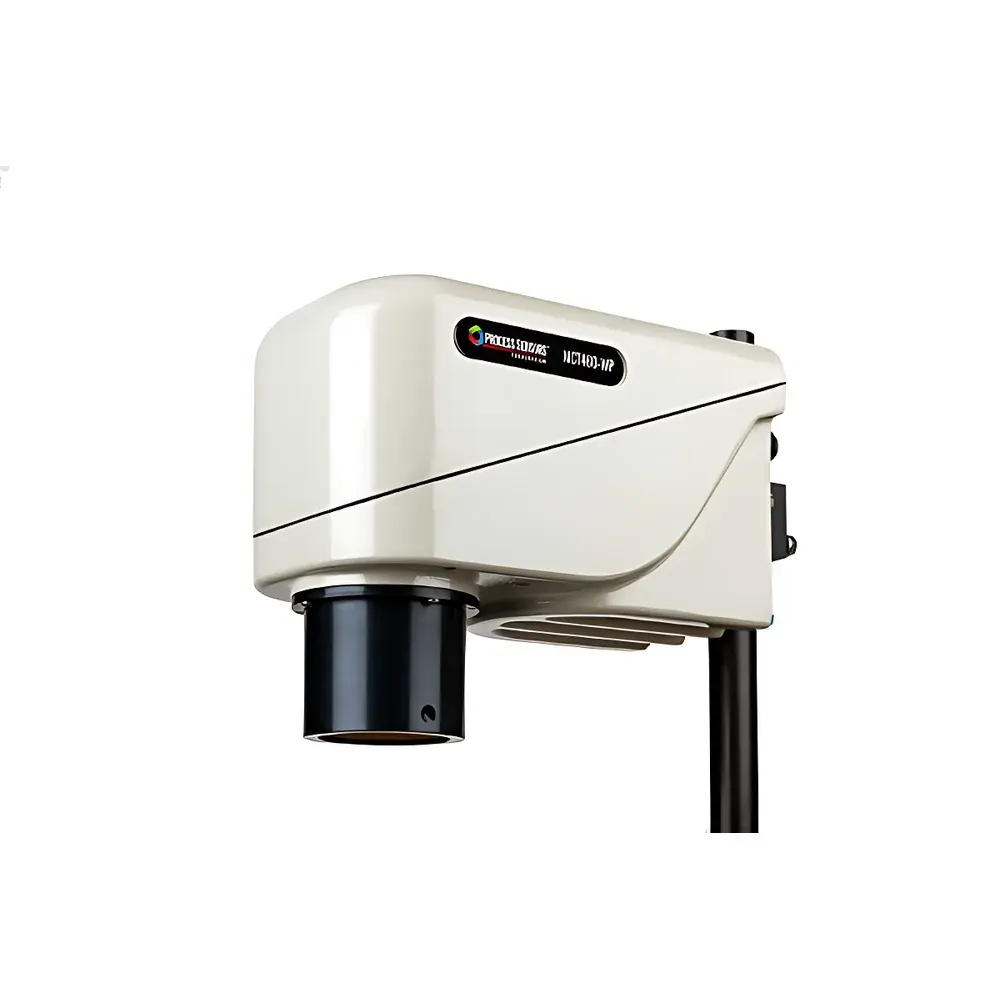
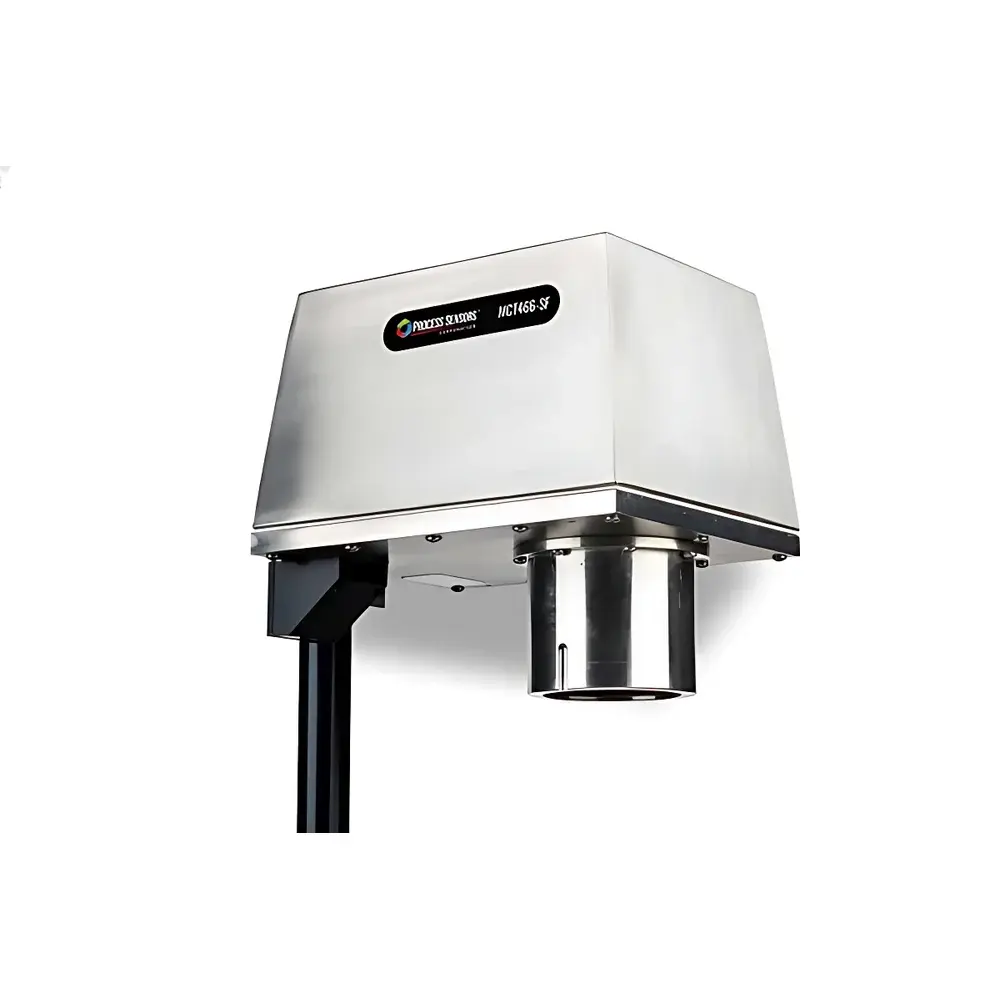
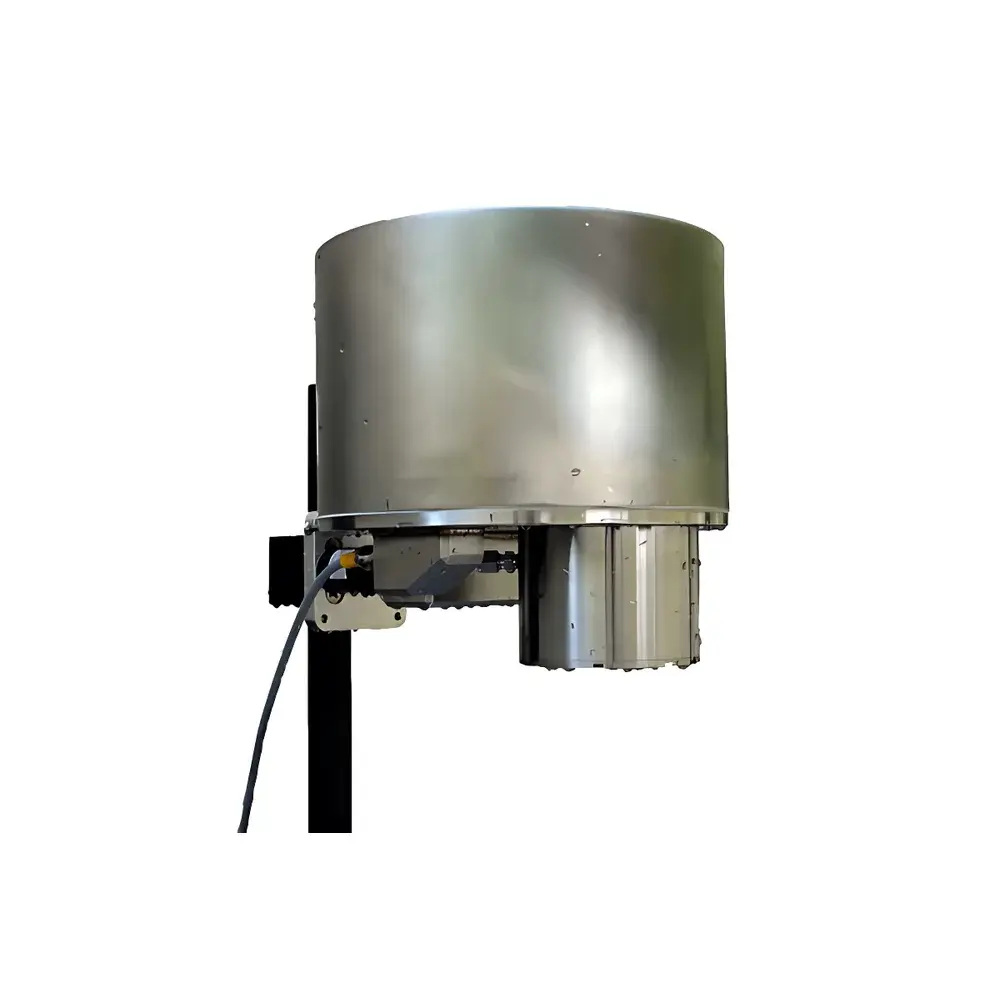
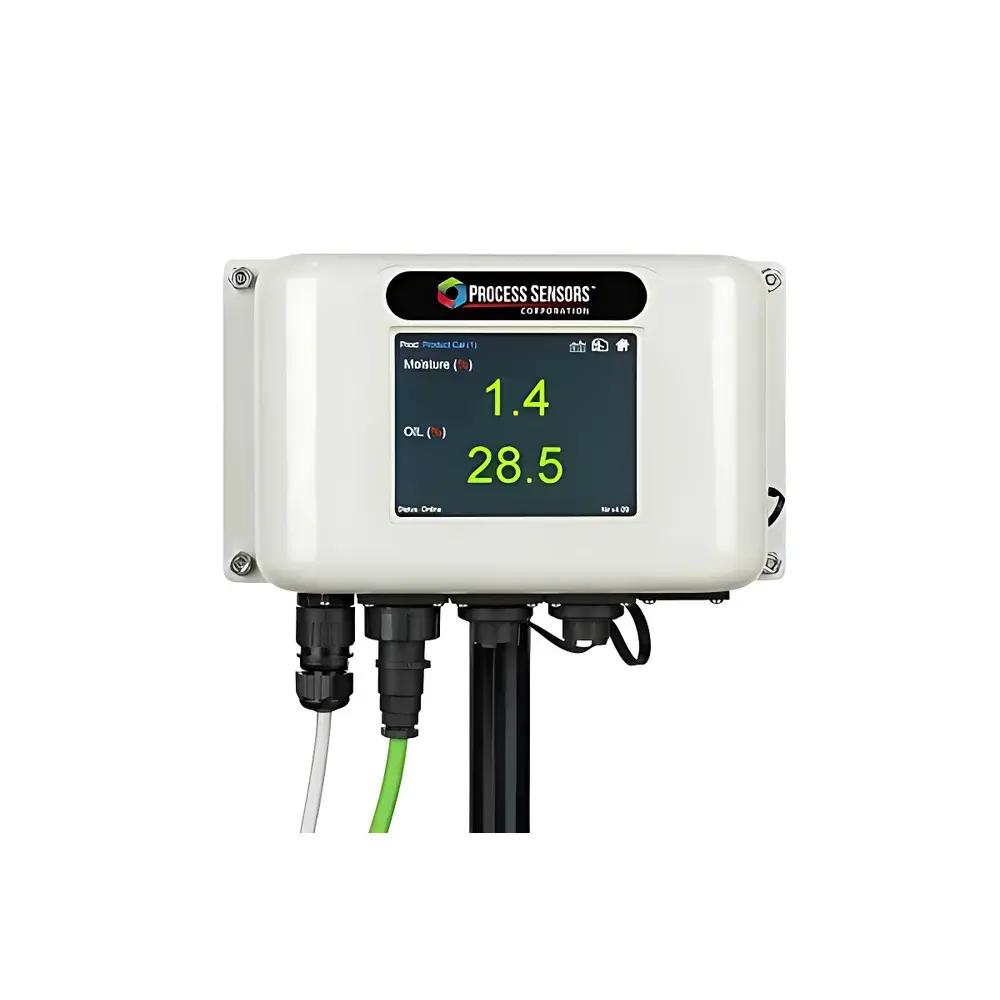
PSC MCT 460 Series Online Near-Infrared Process Analyzers
| Brand | PSC |
|---|---|
| Origin | USA |
| Model | MCT 460, MCT 466-SF, MCT 469-SF |
| Cooling Options | Air-cooled and water-cooled |
| Detector | Thermoelectrically temperature-stabilized MCT (Mercury Cadmium Telluride) |
| Operating Ambient Temperature | Up to 80 °C with optional cooling kit |
| Compliance | Designed for industrial environments per IEC 60529 (IP65/IP66 enclosures available) |
| Communication Protocols | PROFIBUS, PROFINET, EtherNet/IP, Modbus TCP, DeviceNet, OPC UA over Ethernet |
Overview
The PSC MCT 460 Series Online Near-Infrared (NIR) Process Analyzers are engineered for continuous, non-contact, real-time quantification of moisture and multiple chemical constituents in bulk solid, powder, and film-based industrial streams. Based on absorption spectroscopy in the 1000–2500 nm spectral range, these analyzers leverage high-sensitivity mercury cadmium telluride (MCT) detectors with proprietary thermoelectric temperature stabilization to deliver stable photometric performance under dynamic process conditions. Unlike laboratory-based NIR systems, the MCT 460 series is purpose-built for integration into harsh manufacturing environments—featuring ruggedized housings, sealed optical paths, and immunity to ambient temperature fluctuations, relative humidity variations, and ambient light interference. The system operates without sample preparation or consumables, enabling uninterrupted monitoring across 24/7 production cycles in food, agriculture, pharmaceutical excipient, and energy sectors—including biomass fuel (e.g., DDGS, wood pellets), tobacco processing, ceramic slurry lines, and starch-based paperboard coating applications.
Key Features
- Non-invasive, real-time measurement: No physical contact with material stream; eliminates sampling delays and operator intervention.
- Multi-component analysis capability: Simultaneous quantification of moisture, fat/oil, protein, resin content, ethanol, coating weight, and product temperature—calibrated via partial least squares (PLS) regression models validated against reference ASTM E1655 and ISO 12099 methods.
- Thermally stabilized MCT detector: Integrated Peltier cooling ensures detector stability across ambient temperatures up to 80 °C; optional air- or water-cooling kits extend operational envelope in high-heat zones.
- Modular hardware architecture: All optical, electronic, and interface modules are field-replaceable without recalibration—reducing mean time to repair (MTTR) and supporting long-term metrological traceability.
- Industrial-grade enclosure options: IP65 and IP66-rated stainless-steel or PVDF-coated housings compliant with NEMA 4X and ATEX Zone 2/22 requirements where applicable.
- Plug-and-play connectivity: Native support for industry-standard automation protocols including PROFINET, EtherNet/IP, and Modbus TCP—enabling direct integration into DCS, SCADA, or PLC-controlled closed-loop feedback systems.
Sample Compatibility & Compliance
The MCT 460 series accommodates heterogeneous, moving, and variable-density materials including granular DDGS, shredded tobacco leaf, ceramic green bodies, starch-coated paperboard, PVC and rubber powders, and compressed biomass pellets. Its optical design compensates for surface irregularity and minor belt-speed variation through adaptive signal normalization. Regulatory alignment includes compatibility with FDA 21 CFR Part 11-compliant data logging when paired with validated software packages, adherence to GLP/GMP documentation standards for calibration records and model validation reports, and conformity with ISO/IEC 17025 traceable calibration procedures. All factory-installed calibrations are referenced to NIST-traceable standards, and method transfer between instruments is supported via standardized spectral preprocessing workflows.
Software & Data Management
PSC’s SpectraView™ software suite provides full lifecycle management—from method development and multivariate calibration (using PLS, PCR, or MLR algorithms) to real-time dashboard visualization, alarm configuration, and audit-trail-enabled data export. Raw spectra, prediction residuals, and confidence intervals are logged at user-defined intervals (100 ms to 5 s). Data archives comply with CSV, HDF5, and SQL database formats; OPC UA server option enables seamless historian integration (e.g., OSIsoft PI, Emerson DeltaV). Calibration models are encrypted and digitally signed to prevent unauthorized modification—supporting regulatory audit readiness. Remote diagnostics and firmware updates are performed securely over TLS-encrypted Ethernet connections.
Applications
- Biomass & biofuel production: Continuous moisture and ash-content monitoring in DDGS, wood chips, and torrefied pellets to optimize drying energy use and pellet mill die-life.
- Tobacco processing: Real-time leaf moisture control during rehydration and casing application—critical for uniform burn rate and nicotine extraction consistency.
- Paper & board manufacturing: In-line measurement of starch binder concentration and moisture in coated substrates, enabling precise glue-jet actuation and reducing curl defects.
- Food & feed: Quantification of fat, protein, and water activity in extruded pet food, cereal flakes, and dairy powders—ensuring compliance with Codex Alimentarius specifications.
- Chemical & mineral processing: On-belt analysis of PVB film thickness, ceramic slurry solids content, and fertilizer NPK ratios prior to granulation.
FAQ
Can the MCT 460 operate reliably in high-dust environments such as cement or fertilizer plants?
Yes—optional purge-air fittings and IP66-rated enclosures prevent optical window fouling; spectral drift compensation algorithms correct for gradual lens contamination.
Is method transfer possible between different MCT 460 units without full recalibration?
Yes—spectral standardization using built-in reference channels and instrument response normalization allows robust cross-unit model deployment.
Does the system support GMP-compliant electronic records and signatures?
When deployed with SpectraView™ Enterprise Edition and validated IT infrastructure, it meets 21 CFR Part 11 requirements for audit trails, role-based access, and digital signature enforcement.
What maintenance is required beyond routine optical window cleaning?
None—no consumables, no moving parts, no lamp replacements; annual verification of detector temperature stability and wavelength accuracy is recommended per ISO 17025.
Can the analyzer be integrated into a predictive maintenance strategy?
Yes—trended prediction residuals and spectral noise metrics can be exported to CMMS platforms (e.g., IBM Maximo) to flag early-stage process excursions or sensor degradation.
Related Products