PSI FluorCam FC 00-C/1010GFP Multispectral Chlorophyll Fluorescence Imaging System
| Brand | PSI (Czech Republic) |
|---|---|
| Origin | Czech Republic |
| Model | FluorCam FC 00-C/1010GFP |
| Imaging Area | 13 × 13 cm uniform LED illumination |
| Camera Resolution | 1392 × 1040 pixels (optional: 640 × 480 or 512 × 512) |
| Temporal Resolution | up to 1 µs for fast fluorescence induction kinetics |
| Filter Wheel | motorized 8-position |
| Excitation Wavelengths | 384 nm (BFP), 395–397 nm (wtGFP), 488 nm (EGFP), customizable LED arrays |
| Emission Detection | configurable bandpass filters (e.g., 469/35 nm, 532/28 nm) |
| Software | FluorCam v7.x with automated dark adaptation, ROI-based kinetics, GLP-compliant audit trail, Excel export, barcode support |
| Compliance | Compatible with ASTM E2595-22 (fluorescence imaging standards), supports 21 CFR Part 11–compliant user access control and data integrity workflows |
Overview
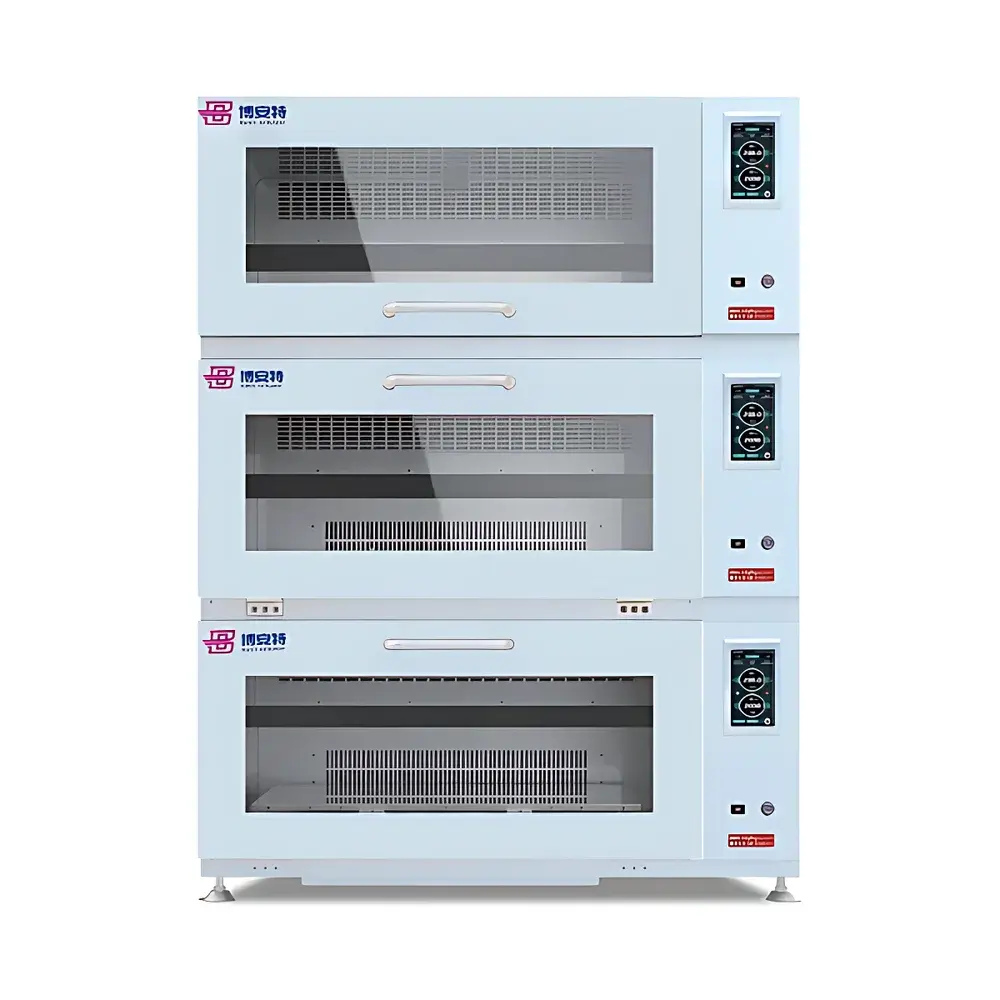
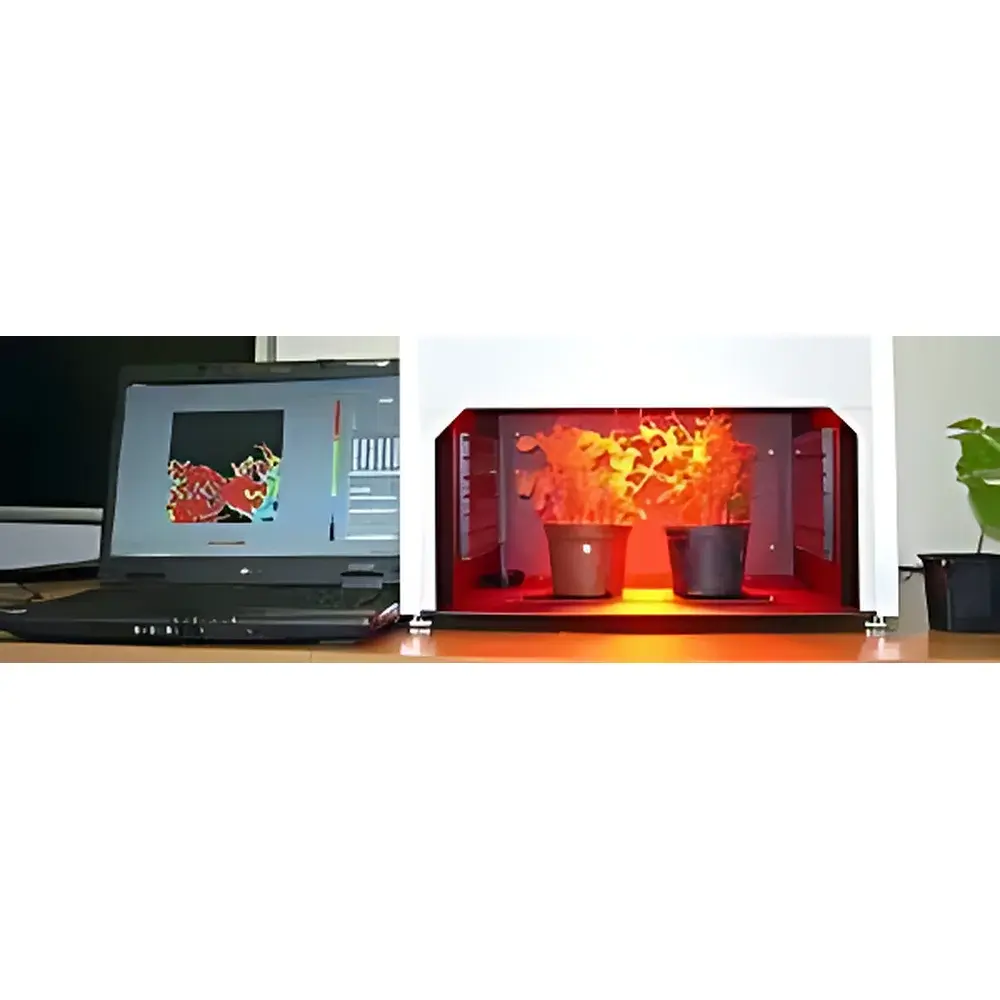
The PSI FluorCam FC 00-C/1010GFP is a high-performance, enclosed multispectral chlorophyll fluorescence imaging system engineered for quantitative, non-invasive analysis of photosynthetic function and fluorescent protein expression in plant and algal specimens. Based on the principles of pulse-amplitude modulated (PAM) fluorometry and time-resolved fluorescence spectroscopy, the system captures spatially resolved dynamics of chlorophyll a fluorescence induction (Kautsky effect), non-photochemical quenching (NPQ), QA reoxidation, and OJIP transient kinetics across entire sample surfaces. Its integrated architecture—comprising a scientific-grade CCD camera, four precisely calibrated LED excitation panels, a motorized 8-position filter wheel, and a thermally stabilized optical enclosure—ensures reproducible dark-adapted measurements under controlled ambient conditions. Designed for laboratory-based high-resolution phenotyping, the FC 00-C/1010GFP delivers sub-millisecond temporal resolution and pixel-level quantification of over 50 biophysically grounded parameters, including F0, FM, FV/FM, ΦPSII, NPQ, ETR, qP, qN, and PAR absorption coefficients—enabling rigorous assessment of photochemical efficiency, photoprotective capacity, and metabolic status.
Key Features
- Enclosed, light-tight chamber enabling standardized dark adaptation (typically 20–30 min) without external blackout infrastructure
- Four fixed-wavelength LED panels with uniform irradiance across 13 × 13 cm field-of-view; peak intensities configurable from 0 to >120,000 µmol photons·m−2·s−1 for saturation pulse delivery
- High-sensitivity monochrome CCD sensor: 1392 × 1040 pixels (4.65 µm pixel size); optional low-noise 512 × 512 mode optimized for µs-scale kinetic capture
- Software-controlled 8-position filter wheel supporting simultaneous detection of GFP, EGFP, wtGFP, BFP, YFP, Cy3, Cy5, and endogenous chlorophyll fluorescence
- Automated ROI segmentation and per-pixel kinetic modeling: computes spatial heterogeneity indices for stomatal conductance proxies, stress gradients, and expression mosaicism
- Preloaded measurement protocols aligned with established physiological benchmarks (e.g., ISO 10211:2021 for plant stress imaging, ASTM E2595-22 for fluorescence instrumentation validation)
- GLP/GMP-ready software architecture with electronic signatures, audit trail logging, role-based access control, and 21 CFR Part 11–compliant data archiving
Sample Compatibility & Compliance
The FC 00-C/1010GFP accommodates a broad spectrum of biological samples without physical modification: detached leaves, intact seedlings ( 0.999 over 3-log dynamic range), inter-unit reproducibility (CV < 2.3% for FV/FM across n=5 units), and temperature stability testing (±0.3°C chamber drift over 60-min operation).
Software & Data Management
FluorCam v7.x software provides an integrated environment for experimental design, real-time visualization, batch processing, and statistical reporting. Users define custom actinic light regimes, saturation pulse timing, and multistep quenching protocols via a graphical sequence editor. The software performs automatic dark-frame subtraction, flat-field correction, and background noise modeling prior to kinetic curve fitting. Each acquired image stack includes embedded metadata (timestamp, exposure settings, LED intensity, filter position, environmental log), stored in vendor-neutral HDF5 format. Batch analysis modules enable parallel processing of hundreds of ROIs across multiple experiments, generating heatmaps, scatter plots, and ANOVA-ready CSV exports. For regulated environments, optional modules provide electronic signature workflows, change control logs, and automated backup to network-attached storage (NAS) with SHA-256 checksum verification. Export formats include Excel (.xlsx), TIFF (16-bit), PNG, and MATLAB-compatible .mat files.
Applications
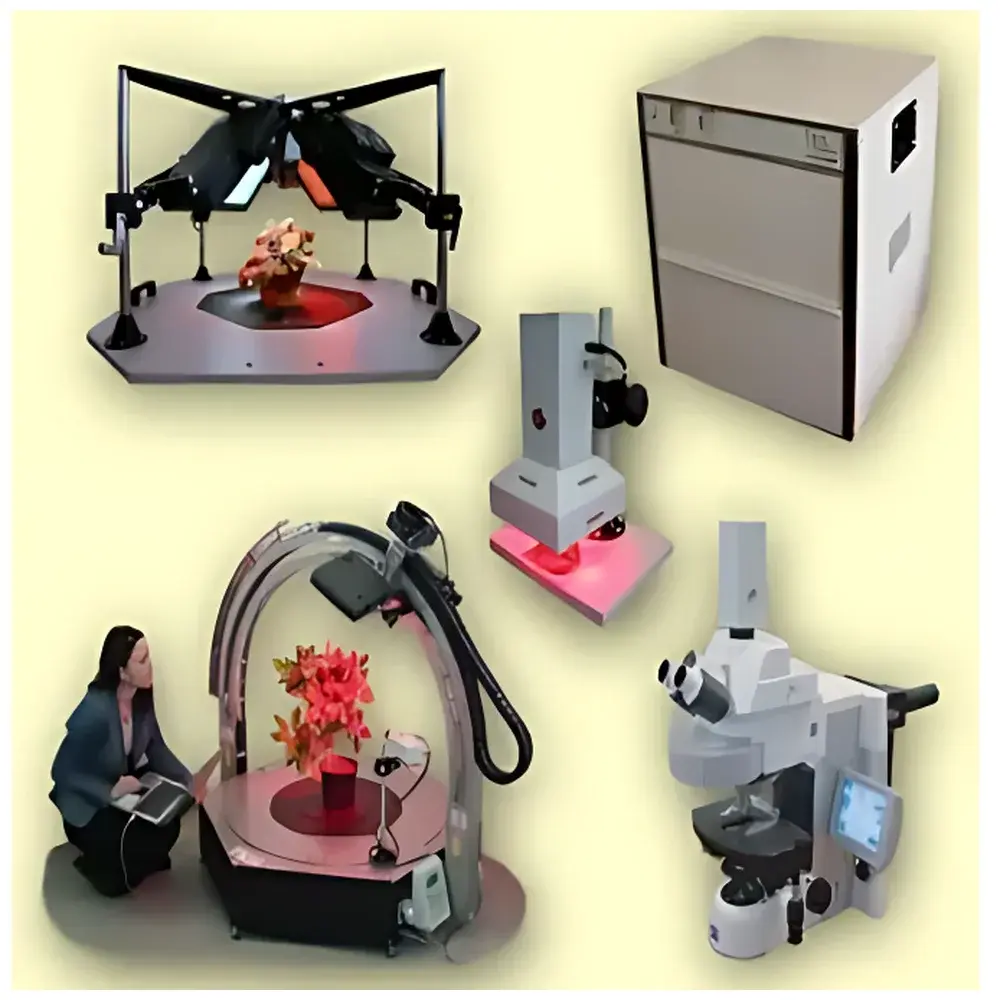
This system serves as a core platform for mechanistic plant phenotyping in academic, agribiotech, and regulatory laboratories. Key use cases include: high-throughput screening of abiotic stress tolerance (drought, salinity, heavy metals, UV-B); functional validation of photosynthetic mutants and CRISPR-edited lines; spatial mapping of stomatal heterogeneity during diurnal cycles; longitudinal monitoring of pathogen-induced photoinhibition (e.g., fungal, oomycete, or bacterial infection); quantification of symbiotic interactions (rhizobia, mycorrhizae, endophytes); validation of promoter activity via GFP/YFP reporter constructs; and cross-platform correlation of fluorescence parameters with gas exchange (A/Ci curves), chlorophyll content (SPAD), and metabolomic profiles. Published applications span peer-reviewed studies in Plant Physiology, Journal of Experimental Botany, and Frontiers in Plant ScienceFAQ
What is the minimum detectable fluorescence quantum yield difference between two adjacent pixels?
The system achieves a coefficient of variation (CV) of ≤1.8% for ΦPSII under standard measurement conditions (n=30 replicates, Arabidopsis thaliana Col-0 rosettes), corresponding to a resolution limit of ~0.005 absolute units.
Can the system be validated against reference standards for regulatory submissions?
Yes—PSI provides NIST-traceable calibration certificates for LED irradiance output and spectral power distribution; full IQ/OQ/PQ documentation packages are available upon request for GxP compliance.
Is remote operation supported for centralized core facility deployment?
The system supports secure RDP and VNC connections; scheduled unattended runs with email alerts and cloud-synced data repositories are configurable via Windows Task Scheduler integration.
How does the software handle photobleaching correction during extended time-series acquisitions?
FluorCam v7.x implements adaptive baseline drift compensation using exponential decay fitting on non-illuminated control regions, with manual override options for user-defined correction windows.
Are third-party plugins or Python API access available for custom algorithm development?
A documented COM interface enables scripting in Python, MATLAB, or LabVIEW; raw HDF5 datasets are fully accessible for external analysis pipelines without proprietary codec dependencies.