
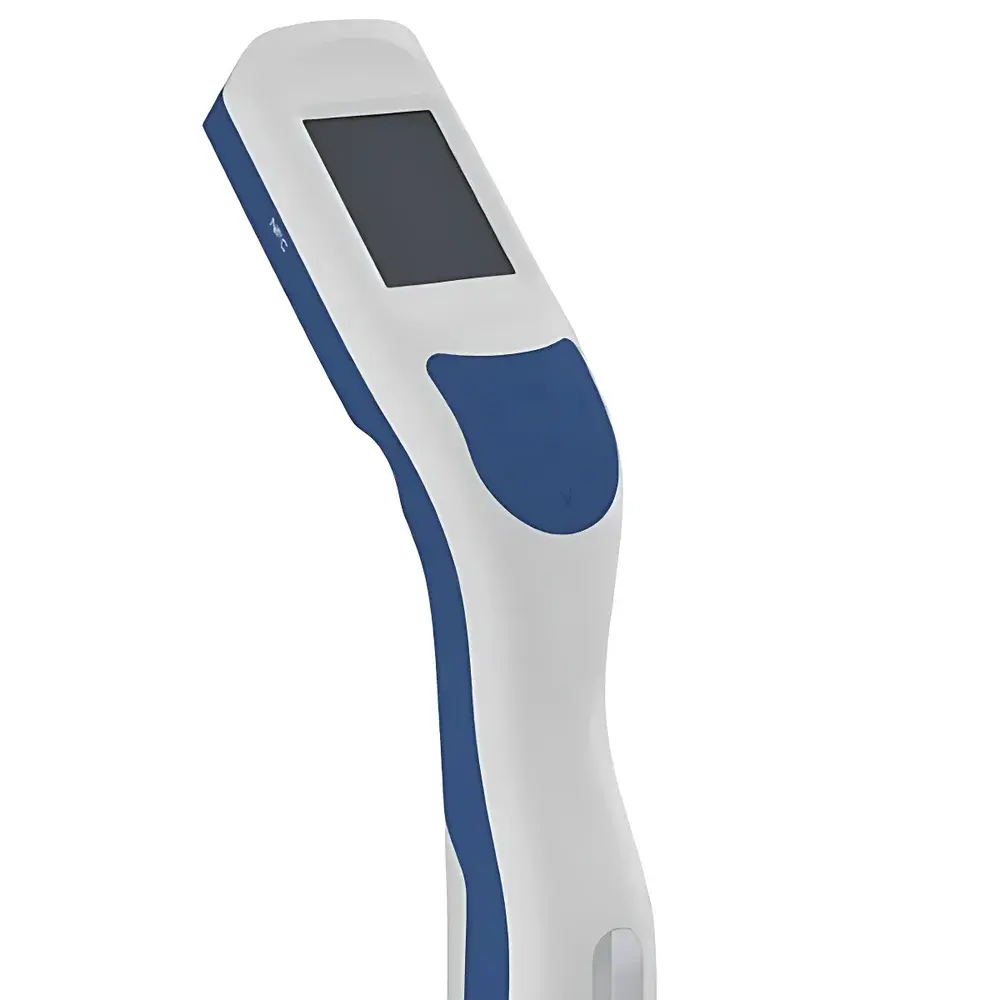
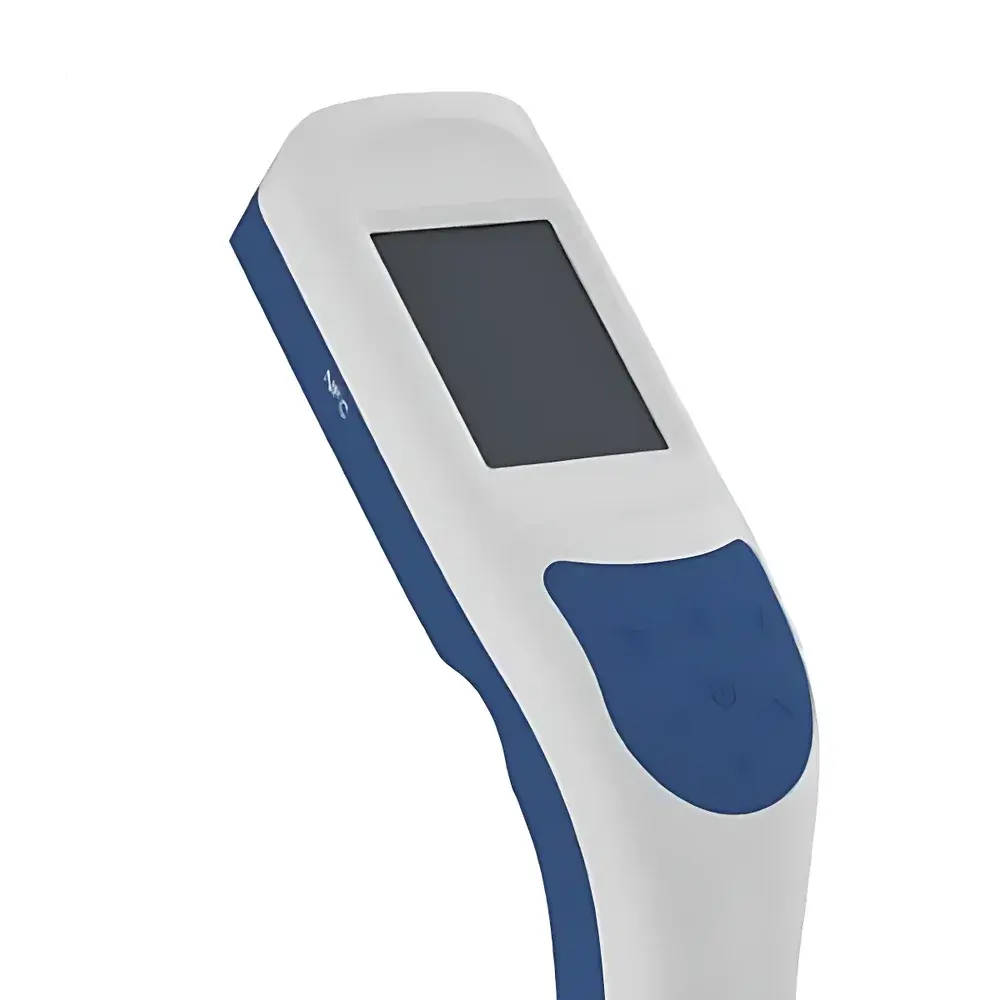
PULUODY DMA-135 Portable Digital Density Meter for Petroleum & Lubricating Oil Analysis
| Brand | PULUODY |
|---|---|
| Model | DMA-135 |
| Principle | U-tube Oscillation Method |
| Measurement Range | 0.0000–3.0000 g/cm³ |
| Resolution | 0.0001 g/cm³ |
| Accuracy | ±0.001 g/cm³ |
| Repeatability | ±0.0005 g/cm³ |
| Temperature Range | 0.0–50.0 °C |
| Temp. Resolution | 0.1 °C |
| Temp. Accuracy | ±0.2 °C |
| Sample Volume | 2 mL |
| Measurement Time | ≤60 s |
| Display | 2.4″ Color LCD (320×240) |
| Power | 9 V alkaline battery (≈90 h operation) |
| Compliance | GB/T 29617–2013, GB/T 2013–2010, SH/T 0604–2000, ASTM D4052–11, ASTM D5002–13, ASTM D3505–12e1, ISO 12185:1996, DB/T 1231–2010, SN/T 2383–2009 |
Overview
The PULUODY DMA-135 is a handheld digital density meter engineered for high-precision, field-deployable measurement of liquid density, relative density (specific gravity), and derived concentration values in real time. It operates on the internationally standardized oscillating U-tube principle—where a precisely machined dual-U-shaped glass sensor tube is electromagnetically excited into resonant vibration. The natural frequency of oscillation shifts predictably with the mass inertia of the sample fluid filling the tube; this frequency shift is converted via calibrated algorithms into density (g/cm³) with traceable metrological rigor. Unlike hydrometers or pycnometers, the DMA-135 eliminates operator-dependent error, requires no temperature equilibration baths, and delivers results independent of sample viscosity below 2000 mPa·s. Its compact architecture integrates a third-generation PULL U-tube sensor, embedded temperature compensation circuitry (PT1000-grade), low-power microcontroller unit, and full-color graphical display—making it suitable for on-site QC verification, refinery gate checks, lubricant formulation labs, and mobile technical service teams.
Key Features
- High metrological performance: ±0.001 g/cm³ accuracy and ±0.0005 g/cm³ repeatability across the full 0.0000–3.0000 g/cm³ range
- Integrated PTC-based temperature sensing (0.0–50.0 °C) with automatic real-time density correction per ASTM D4052 Annex A3
- Multi-parameter output: direct readout of density, relative density (vs. water at 20/20 °C), API gravity, and user-configurable concentration tables (e.g., % H₂SO₄, % glycol, alcohol by volume)
- Minimal sample requirement: only 2 mL per measurement—critical for precious or hazardous samples
- Low-power design: powered by a single 9 V alkaline battery supporting up to 90 hours of continuous operation
- Field-calibratable: supports both internal zero-point self-calibration and two-point calibration using certified reference standards (e.g., air/water or water/standard oil)
- Ruggedized portable form factor: IP54-rated enclosure, shock-absorbing silicone grip, and ergonomic manual syringe pump interface
Sample Compatibility & Compliance
The DMA-135 is validated for use with petroleum fractions (crude oil, diesel, jet fuel, lubricating oils), industrial process fluids (cutting oils, transformer oils, cleaning solvents), chemical reagents (acids, bases, alcohols), food-grade liquids (vegetable oils, syrups, beverages), and pharmaceutical excipients. It complies with 12 international and national standards—including ISO 12185:1996 (oscillating U-tube method for crude and refined products), ASTM D4052–11 (digital density meters for general liquids), ASTM D5002–13 (crude-specific protocol), and DB/T 1231–2010 (Chinese standard for intelligent liquid density meters). All measurements adhere to GLP-aligned data integrity principles: timestamped results, non-erasable memory storage (up to 500 records), and audit-ready calibration logs. The instrument meets CE electromagnetic compatibility requirements and carries factory certification traceable to NIM (National Institute of Metrology, China).
Software & Data Management
While the DMA-135 operates as a standalone field instrument, its embedded firmware supports USB-C data export (CSV format) for post-acquisition analysis in Excel or LIMS environments. No proprietary software is required; exported files include measurement ID, date/time stamp, temperature-corrected density, raw oscillation frequency, calibration status flag, and operator ID field. The device stores calibration history with serial-numbered reference fluid IDs and expiration dates—enabling full compliance with FDA 21 CFR Part 11 expectations for electronic records when deployed in regulated manufacturing settings. Firmware updates are delivered via secure USB flash drive and include version-locked cryptographic signatures to prevent unauthorized modification.
Applications
This instrument serves as a primary density verification tool across multiple regulated sectors. In petroleum refining, it verifies batch conformity against ASTM D1298 specifications prior to pipeline transfer. In lubricant manufacturing, it monitors base oil blending ratios and additive package consistency (e.g., viscosity index improvers affecting density). For quality control laboratories in chemical plants, it replaces manual hydrometer readings for caustic soda, sulfuric acid, and ethanol solutions—reducing exposure risk and improving throughput. In food and beverage production, it enables rapid Brix estimation for fruit juices and alcohol content screening in distilled spirits without distillation. Universities and research institutes utilize the DMA-135 for teaching vibrational metrology principles and conducting solvent mixture thermodynamic studies under ambient or controlled-temperature conditions.
FAQ
What is the minimum sample viscosity the DMA-135 can handle?
It accepts liquids with dynamic viscosity up to 2000 mPa·s when using the integrated manual pump; higher-viscosity samples require pre-warming or syringe injection.
Does the instrument support API gravity calculation?
Yes—automatically computed and displayed alongside density and relative density per ASTM D1250 and ISO 91–1 algorithms.
How is temperature control achieved without a built-in thermostat?
The sensor incorporates a high-stability PT1000 RTD and applies real-time mathematical compensation based on the measured sample temperature—eliminating need for external thermostats per ISO 12185 Clause 7.3.
Can measurement data be integrated into an enterprise LIMS?
Yes—via CSV export with structured metadata fields compatible with common LIMS import templates (e.g., LabWare, Thermo Fisher SampleManager).
Is the U-tube sensor replaceable in the field?
No—the third-generation fused-silica U-tube is hermetically sealed and calibrated as an integral assembly; replacement requires factory recalibration and NIST-traceable verification.




