
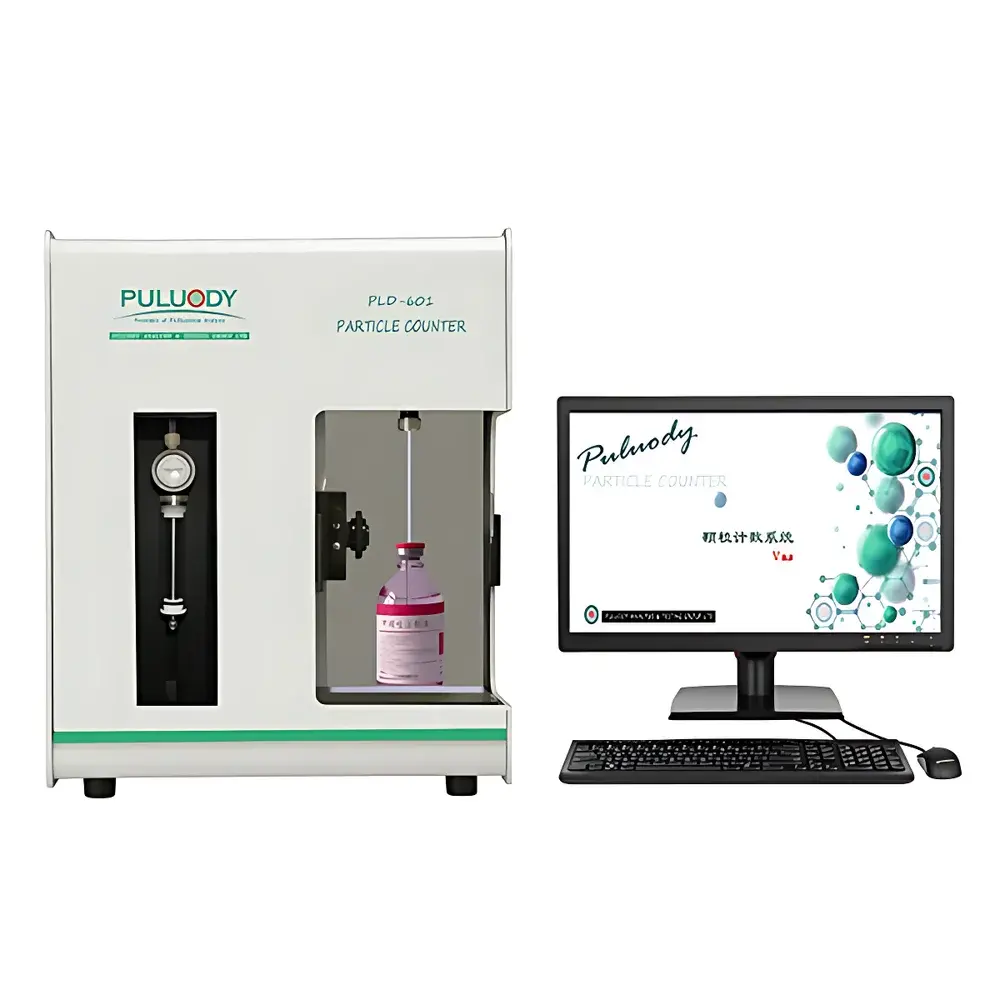
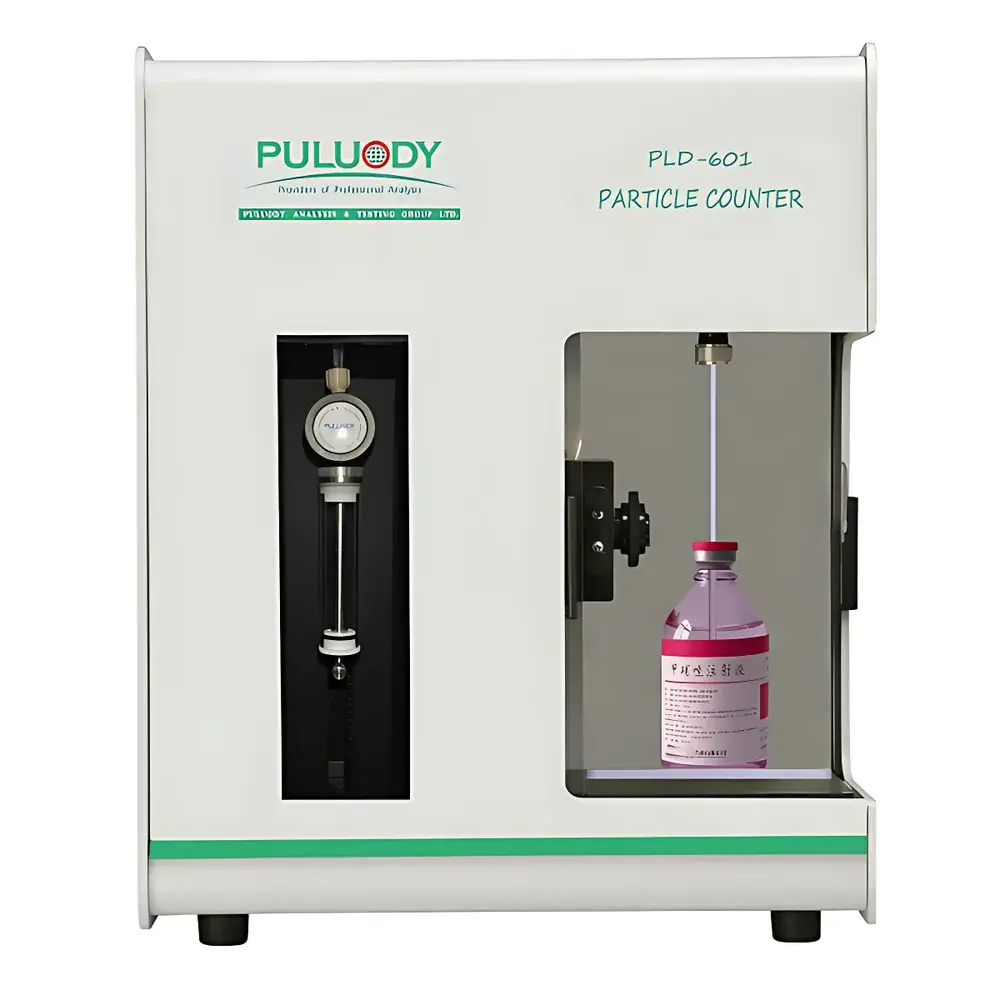
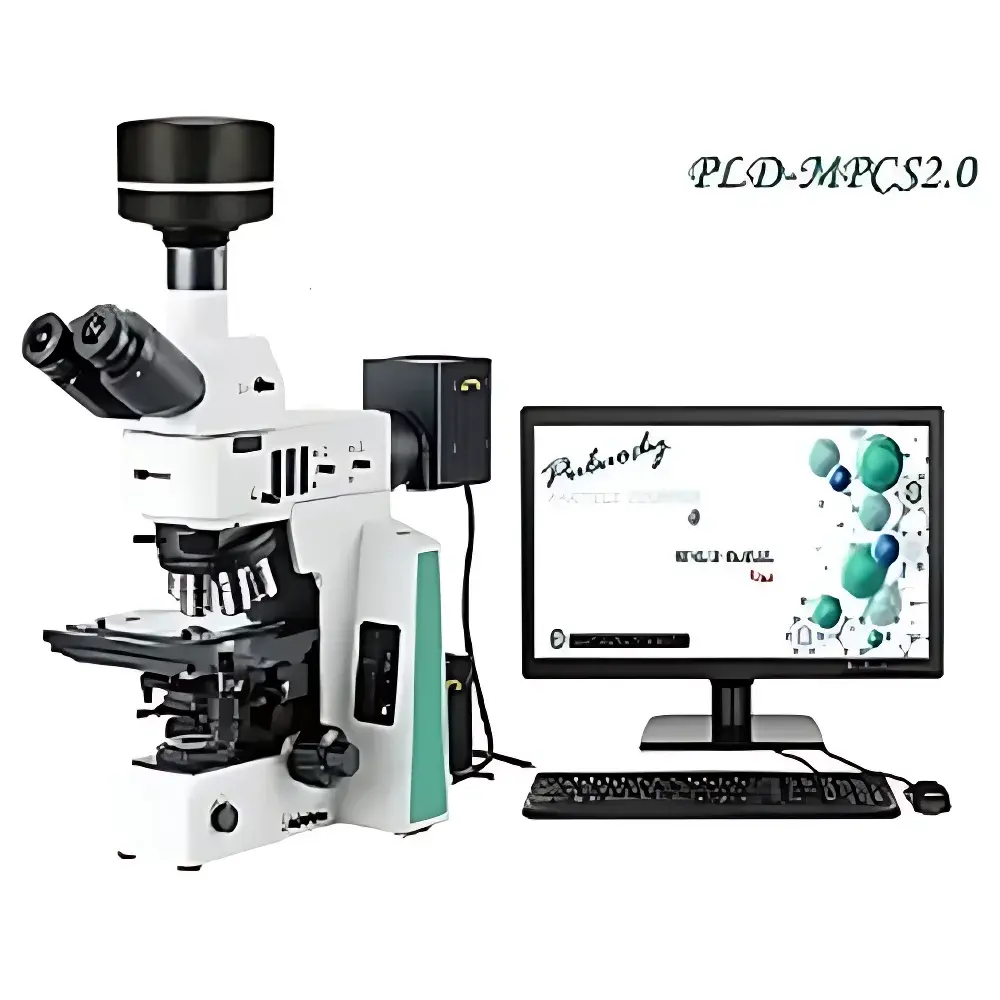
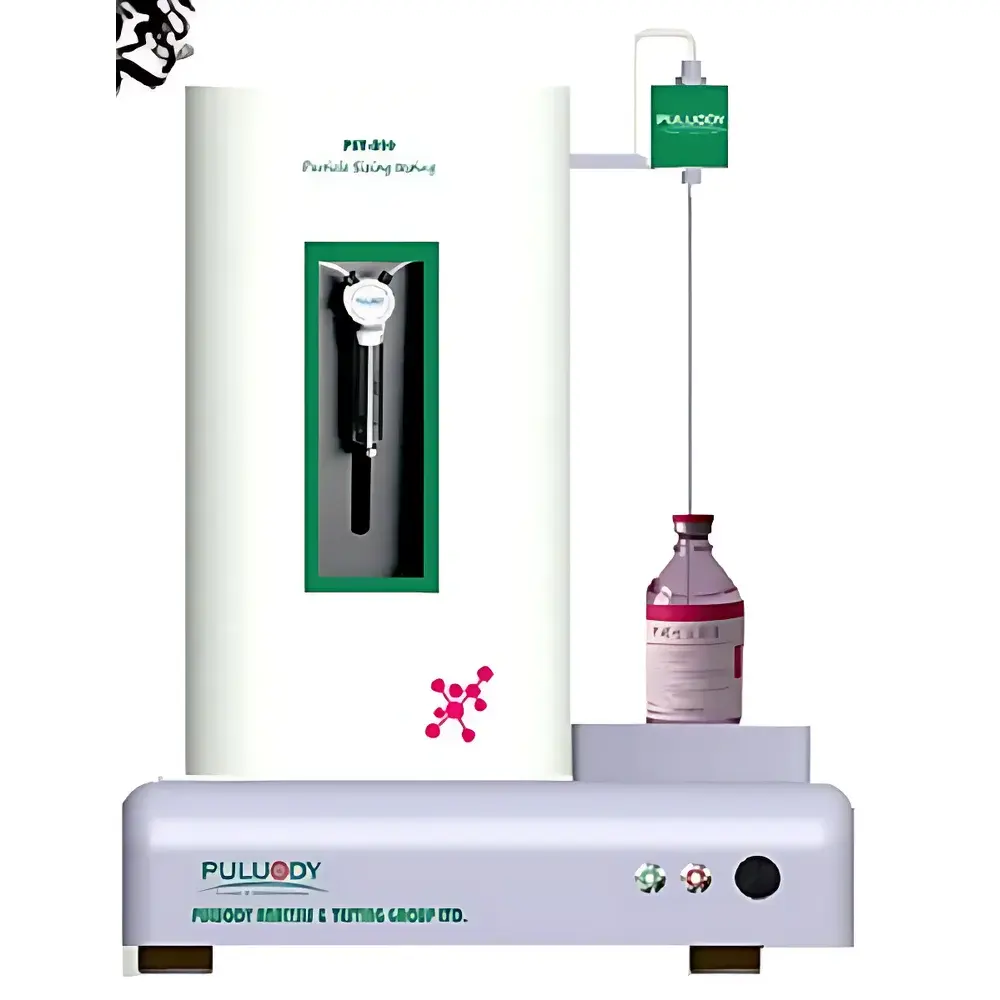
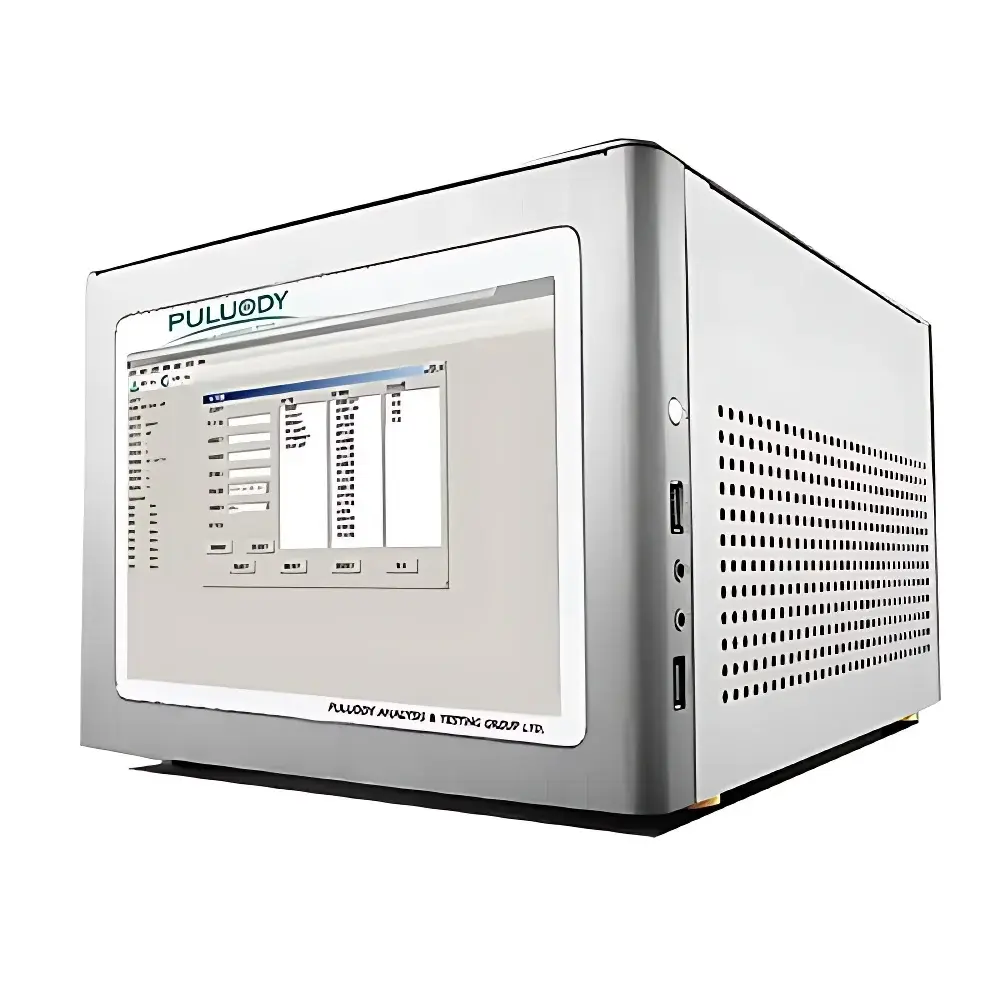
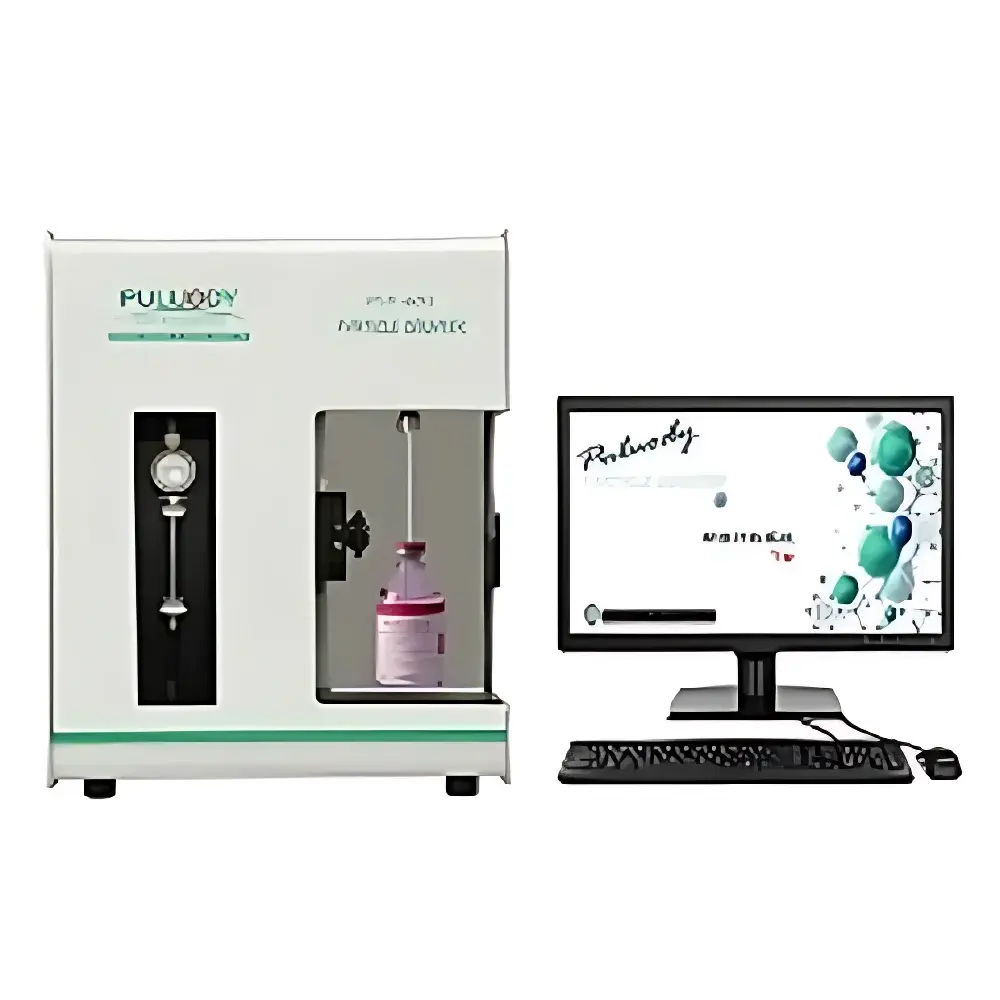
PULUODY PLD-601 Insoluble Particle Analyzer for Injectable Preparations
| Brand | PULUODY |
|---|---|
| Origin | Shaanxi, China |
| Manufacturer Type | Authorized Distributor |
| Product Origin | Domestic (China) |
| Model | PLD-601 |
| Price | USD 29,500 (approx.) |
| Detection Principle | Light Obscuration (LO) / Dual-Laser Narrow-Beam Particle Sensing |
| Sensor Generation | 8th-Generation Dual-Laser Optical Sensor |
| Flow Control | Precision Metering Plunger Pump + Ultra-Precise Electromagnetic Flow Control System |
| Calibration Standards | JJG 1061, ISO 21501-4, NIST-Traceable Latex Spheres |
| Regulatory Compliance | ChP 2020 <0903>, USP <788>/<789>, EP 10.0, BP 2019, JP 17, WHO IntPh IV, YBB00272004-2015, GB/T 11446.9-2013, ISO 21510, ISO 11171 |
| Software | V8.9 Regulatory-Grade Analysis Suite (FDA 21 CFR Part 11 Compliant) |
| Particle Size Range | 1–500 µm (optional extended range: 0.03–3000 µm) |
| Channel Resolution | 1000-user-definable channels (min. bin width: 0.01 µm) |
| Sample Flow Rate | 5–150 mL/min |
| Rinse Flow Rate | 5–500 mL/min |
| Temperature Range (Fluid) | 0–80 °C |
| Accuracy | ±3% typical (per ChP 2020) |
| Coincidence Limit | ≤2.5% at 1000 particles/mL |
| Resolution | >95% (ChP-calibrated), >90% (ISO 21501-4 calibrated) |
| Data Integrity | Audit Trail, Electronic Signature, Role-Based 5-Tier User Permissions, Auto-Backup/Restore, Power-Fail Recovery |
| Interface | Color LCD Touchscreen + Optional Wireless Keyboard/Mouse |
| Sample Compatibility | Aqueous & non-aqueous sterile injectables, lyophilized powders, ophthalmic solutions, vaccines, WFI, pharmaceutical packaging materials, infusion devices, terminal filters, CMP slurries, ultrapure water, electronic-grade chemicals |
Overview
The PULUODY PLD-601 Insoluble Particle Analyzer is a regulatory-compliant, light obscuration (LO)-based instrument engineered for quantitative detection and size-resolved enumeration of insoluble particulate matter in parenteral drug products and associated manufacturing fluids. It operates on the principle of single-particle optical sensing: as particles suspended in liquid pass through a precisely collimated dual-laser beam, they generate transient light extinction signals proportional to their cross-sectional area. These analog pulses are digitized, classified by amplitude, and mapped to user-defined size channels—enabling traceable, repeatable particle counting per pharmacopoeial thresholds. Designed explicitly to meet the stringent requirements of ChP 2020 , USP , EP 10.0, and ISO 21501-4, the PLD-601 delivers metrologically robust data for quality control laboratories operating under GMP, GLP, and FDA 21 CFR Part 11 environments.
Key Features
- 8th-generation dual-laser narrow-beam optical sensor with optimized signal-to-noise ratio and minimized background scatter—ensuring high sensitivity down to 1 µm (with optional sub-micron configuration).
- Dual-mode precision fluid handling: metering plunger pump for volumetric accuracy (<±1%) and electromagnetic flow control for dynamic rate stabilization (5–150 mL/min), critical for low-volume vial testing and high-flow filter challenge studies.
- 1000-channel digital pulse analysis architecture—supporting fully customizable binning from 0.01 µm resolution, enabling compliance with multiple overlapping standards (e.g., ChP 0903, USP , YBB00272004) without hardware modification.
- V8.9 regulatory software suite with full 21 CFR Part 11 functionality: role-based five-tier access control, immutable audit trail with timestamped operator actions, electronic signatures, automatic backup/restore, and power-fail recovery.
- Integrated thermal management system maintaining fluid temperature stability (0–80 °C), essential for viscosity-sensitive samples such as concentrated biologics or viscous excipients.
- Automated rinse protocol with adjustable flow (5–500 mL/min) and programmable cycle sequencing—reducing carryover risk and supporting routine cleaning validation per ICH Q5C and Annex 1 requirements.
Sample Compatibility & Compliance
The PLD-601 accommodates a broad spectrum of pharmaceutical and industrial matrices: sterile aqueous injectables (including monoclonal antibodies and mRNA-LNPs), lyophilized powders reconstituted in WFI, ophthalmic solutions, vaccine suspensions, infusion sets, terminal sterilizing filters, and pharmaceutical packaging components (e.g., stoppers, tubing, IV bags). Its design supports direct testing of small-volume samples (≥1 mL) and large-batch process streams. The instrument conforms to global regulatory test methods—including ChP 2020 , USP /, EP 10.0, BP 2019, JP 17, and WHO IntPh IV—as well as material-specific standards such as GB 8368 (infusion equipment), YBB00272004 (packaging), and ISO 21510 (injectable particulate contamination). Calibration traceability is maintained via NIST-traceable polystyrene latex standards (PSL) or certified reference materials compliant with JJG 1061 and ISO 21501-4.
Software & Data Management
The V8.9 software platform provides end-to-end data lifecycle management aligned with ALCOA+ principles. All analytical runs are timestamped, operator-identified, and cryptographically signed. Audit logs record every parameter change, result export, method modification, or user login—exportable as PDF or CSV with embedded digital signatures. Data integrity safeguards include write-once storage, automated version-controlled backups, and encrypted local/cloud archiving options. The interface supports bilingual operation (English/Chinese), configurable report templates (per USP, ChP, or internal SOP formats), and seamless integration with LIMS via ASTM E1384-compliant HL7 or CSV APIs. Raw pulse data files (.pdt) are retained alongside processed reports, enabling retrospective re-analysis without instrument re-run.
Applications
- QC release testing of injectables per pharmacopoeial limits (e.g., ≥10 µm and ≥25 µm counts per container).
- Filter validation studies—including retention efficiency, pore size distribution verification, and challenge testing with standardized particle suspensions.
- Extractables and leachables screening in primary packaging (glass vials, elastomeric closures, polymer tubing).
- Process monitoring of water-for-injection (WFI) and clean steam condensate systems per USP .
- Particulate load assessment in semiconductor CMP slurries and electronic-grade ultrapure water (UPW) per SEMI F63 and ASTM D5127.
- Cleanliness verification of medical device manufacturing tools, assembly environments, and final product rinsates per ISO 14644-1 and ISO 13485.
FAQ
Does the PLD-601 comply with FDA 21 CFR Part 11 requirements?
Yes—the V8.9 software implements full electronic signature capability, audit trail generation, and role-based access control meeting all technical and procedural criteria of 21 CFR Part 11.
Can the instrument be calibrated to ISO 21501-4 and USP simultaneously?
Yes—dual calibration protocols are supported; users may select standard-specific pulse height thresholds and reporting templates without recalibration.
What sample volume is required for a valid test per ChP 2020 ?
Minimum 1 mL per measurement; automated priming and rinse cycles ensure full system wetting and residue removal between injections.
Is third-party certification available for instrument qualification?
Yes—PULUODY partners with CNAS-accredited calibration labs including the National Institute of Metrology (NIM) Northwest Center and the Defense Science & Technology Commission Level-1 Particle Metrology Station (No. 116).
How is data backup and disaster recovery handled?
The system performs scheduled encrypted backups to internal SSD and external NAS/LAN locations; restore points include full software state, method libraries, and raw pulse archives.





