
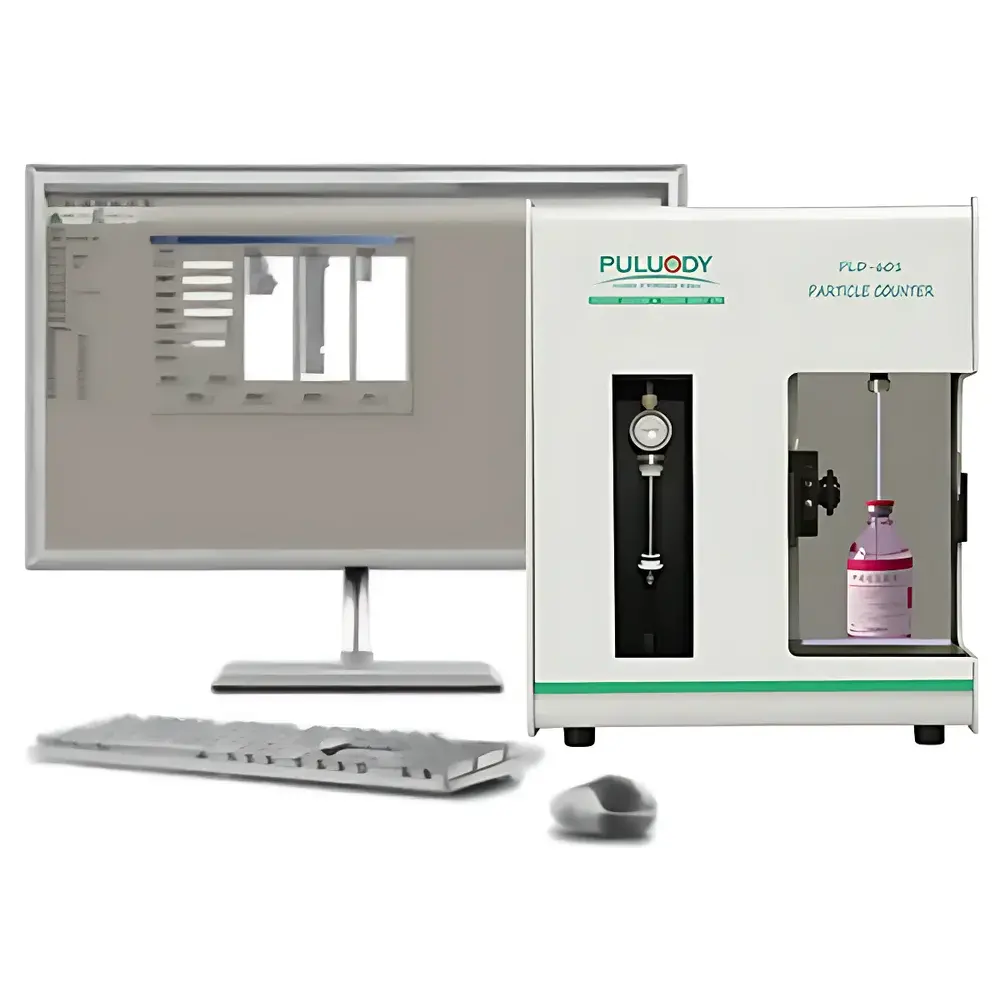
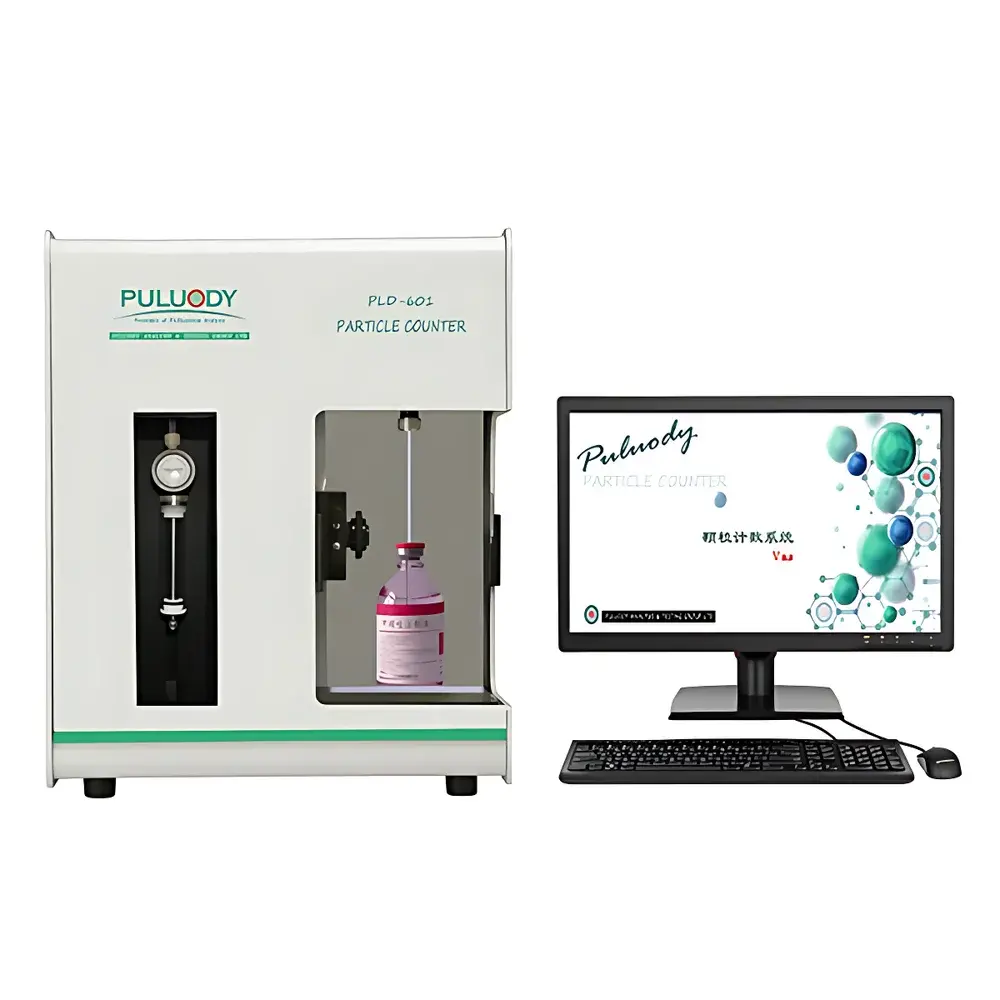
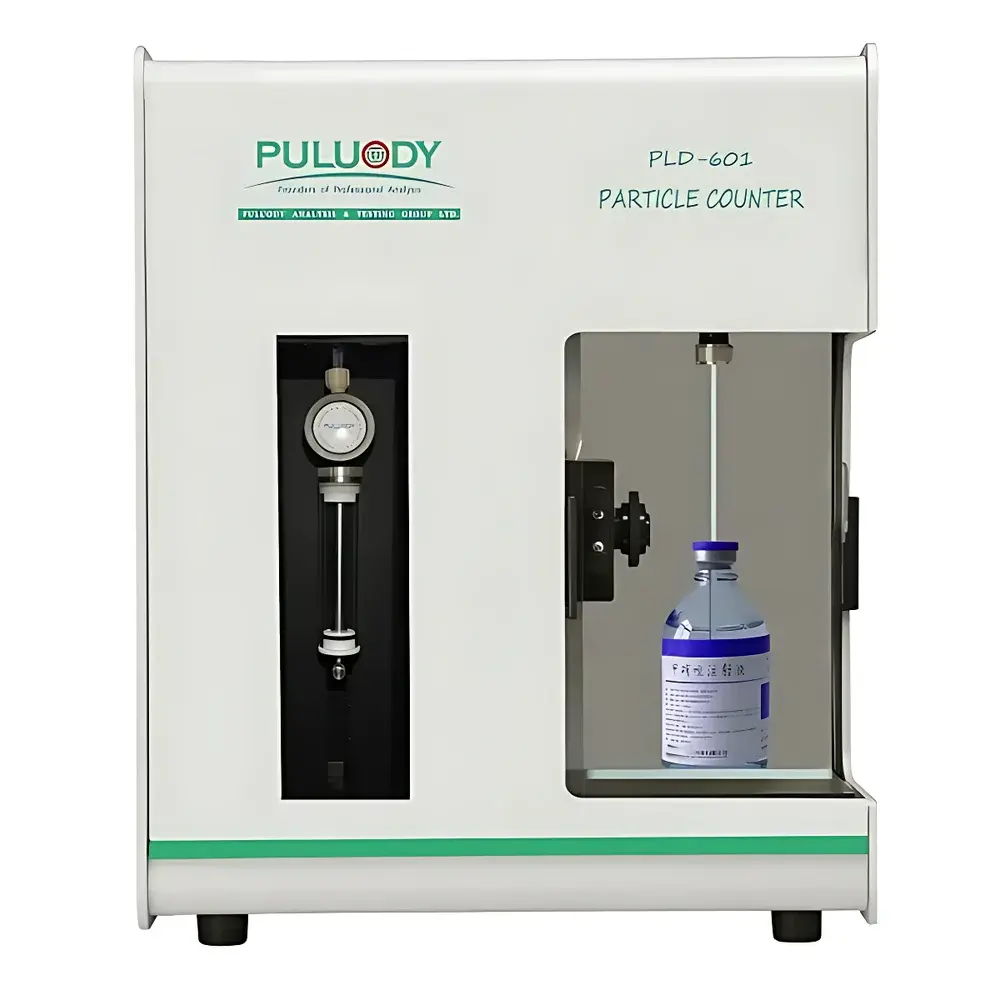
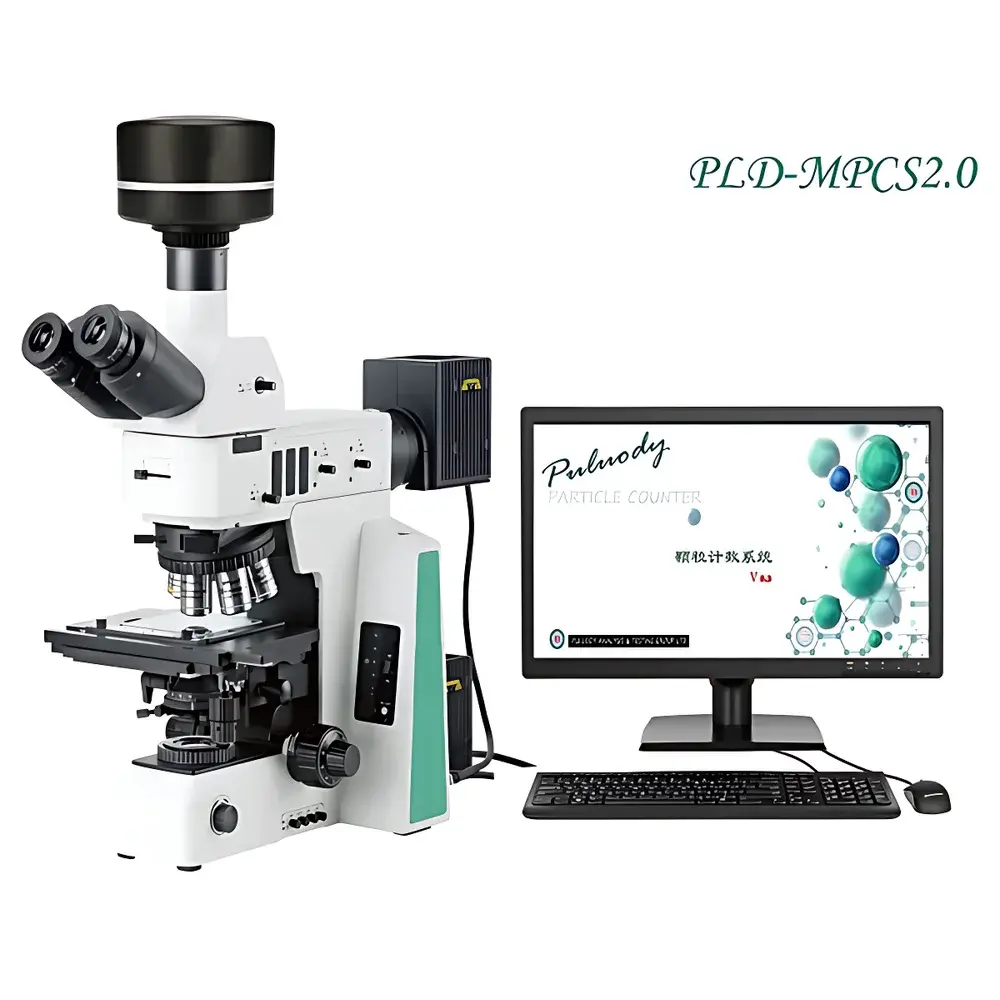
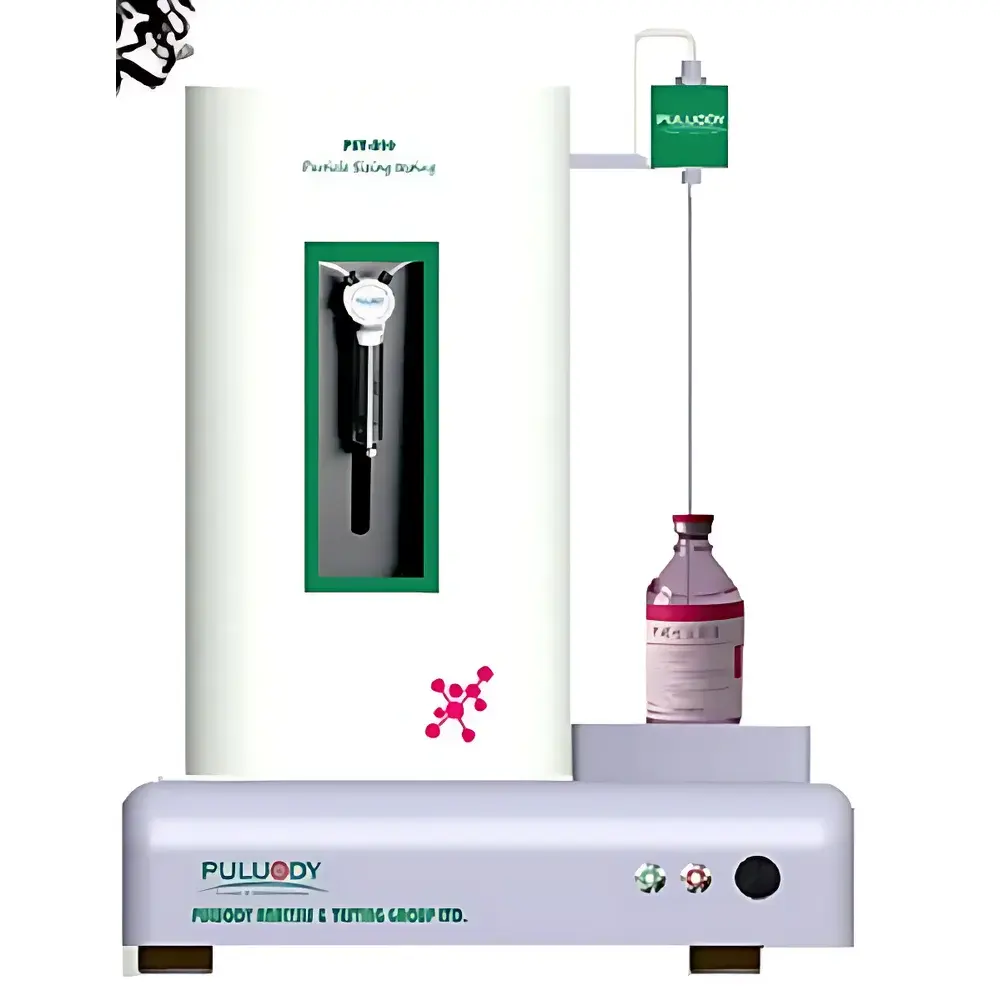
PULUODY PLD-601 Pharmaceutical Insoluble Particle Analyzer for IV Infusion Devices and Emulsions
| Brand | PULUODY |
|---|---|
| Origin | Shaanxi, China |
| Model | PLD-601 |
| Detection Principle | Light Obscuration (LO) / Single-Particle Optical Sizing (SPOS) |
| Sensor Generation | 8th-Generation Dual-Laser Narrow-Beam Particle Sensor |
| Flow Control | Precision Metering Plunger Pump + Ultra-Precise Electromagnetic Flow Control System |
| Measurement Range | 1–500 µm (optional 0.03–3000 µm) |
| Resolution | >95% (ChP 2015/2020 calibrated) |
| Channel Count | 1000 user-definable channels (down to 0.01 µm bin resolution) |
| Sampling Flow Rate | 5–150 mL/min |
| Rinse Flow Rate | 5–500 mL/min |
| Sample Temperature Range | 0–80 °C |
| Accuracy | ±3% typical (particle count), ±1% volumetric delivery |
| Coincidence Limit | ≤2.5% at 1000 particles/mL |
| Compliance | ChP 2020 <0903>, USP <788>, <789>, <797>, EP 10.0, BP 2019, JP 17, ISO 21501-4, GB/T 11446.9–2013, GB 8368, YBB 00272004–2015, FDA 21 CFR Part 11 (audit trail, e-signature, role-based 5-level access, data backup/recovery, power-fail protection) |
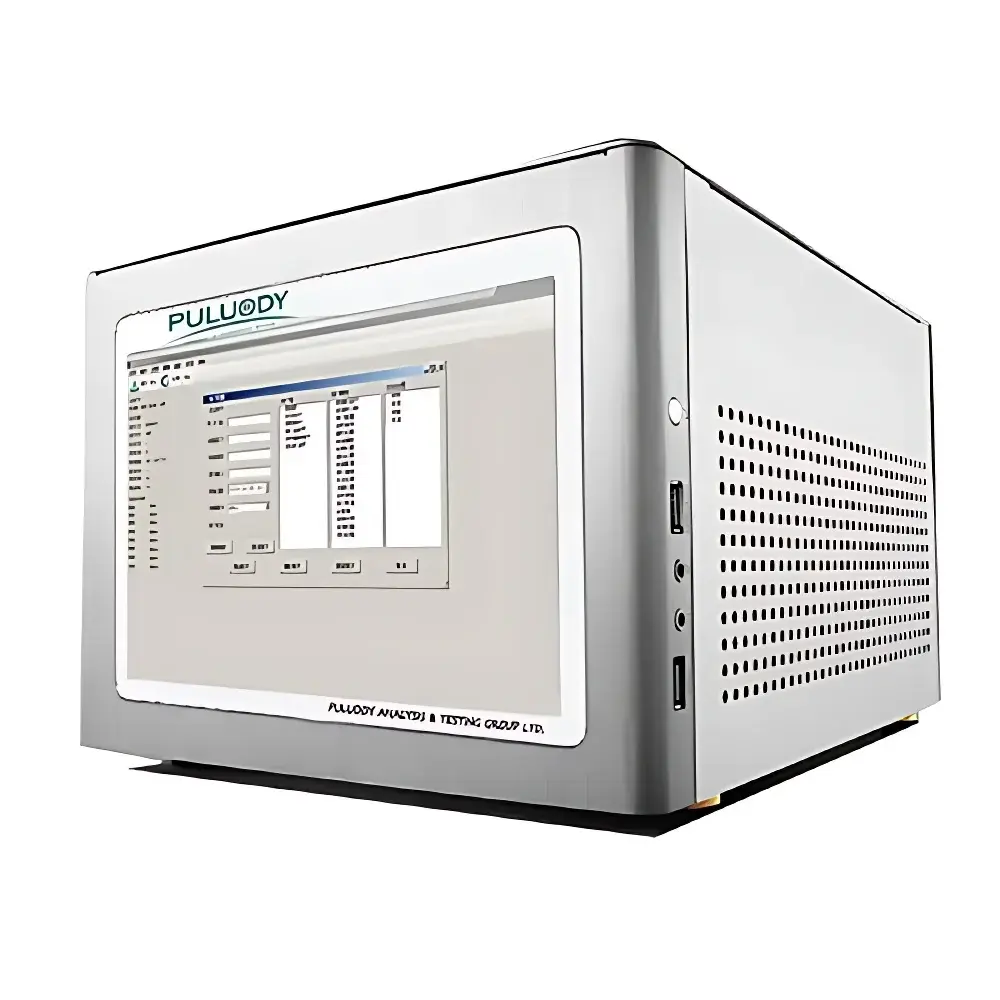
| Software | PULUODY V8.9 PC & Integrated Touchscreen Edition |
| Interface | Bilingual (English/Chinese) GUI |
| Calibration Standards | NIST-traceable latex spheres, ISO 21501-4, JJG 1061 |
| Metrology Support | Accredited by NWMS (China National Institute of Metrology Northwest Center) & DFKW Level-1 Particle Metrology Station No. 116 |
Overview
The PULUODY PLD-601 Pharmaceutical Insoluble Particle Analyzer is a benchtop light obscuration (LO)-based instrument engineered for precise, regulatory-compliant quantification and sizing of insoluble particulate matter in parenteral drug products, medical devices, and high-purity process liquids. Designed in strict alignment with pharmacopoeial requirements—including Chinese Pharmacopoeia (ChP) 2020 , United States Pharmacopeia (USP) , , and , European Pharmacopoeia (EP) 10.0, and ISO 21501-4—the PLD-601 employs an 8th-generation dual-laser narrow-beam optical sensor architecture to deliver high-fidelity particle detection across a dynamic range of 1–500 µm (with optional extension to 0.03–3000 µm). Its core measurement principle relies on single-particle optical sizing (SPOS), where individual particles passing through a collimated laser beam generate transient light blockage events proportional to their cross-sectional area. This analog pulse-height analysis enables high-resolution binning across 1000 programmable size channels—down to 0.01 µm granularity—ensuring full traceability to pharmacopoeial thresholds (e.g., ≥10 µm and ≥25 µm for injectables) and supporting custom channel definitions per application or standard (e.g., 4–70 µm(c) for filter challenge testing).
Key Features
- 8th-generation dual-laser narrow-beam optical sensor with enhanced signal-to-noise ratio and reduced background scatter interference
- Dual-stage precision flow control: a metering plunger pump for volumetric accuracy (<±1%) and an electromagnetic flow regulation system for real-time velocity stabilization (5–150 mL/min)
- 1000-channel high-resolution particle distribution analysis with user-defined binning (e.g., 4, 16, 64, or 128 bins), compliant with ChP, USP, EP, and ISO calibration protocols
- FDA 21 CFR Part 11-compliant software suite (V8.9) featuring five-tiered electronic user permissions, full audit trail logging, electronic signatures, automated data backup/recovery, and uninterruptible power-fail protection
- Integrated touchscreen interface with bilingual (English/Chinese) operation, complemented by optional wireless keyboard/mouse support for advanced data review and method editing
- Thermally stabilized fluid path accommodating sample temperatures from 0–80 °C, enabling analysis of heat-sensitive biologics, emulsions, and viscous formulations without thermal degradation
- Validated rinse protocol with independent high-flow cleaning mode (up to 500 mL/min) to minimize carryover between high-concentration samples
Sample Compatibility & Compliance
The PLD-601 is validated for use across the full spectrum of pharmaceutical and medical device liquid matrices requiring insoluble particle assessment per global regulatory frameworks. It supports quantitative analysis of solution-type injections, sterile powders for injection, concentrated injection solutions, sterile active pharmaceutical ingredients (APIs) for IV administration, ophthalmic solutions, vaccines, Water for Injection (WFI), pharmaceutical packaging materials (e.g., glass vials, rubber stoppers), and infusion sets—including terminal filters and tubing assemblies. Filter performance evaluation—including particle removal efficiency (PRE) and challenge testing per YBB 00272004–2015 and GB 8368—is fully supported via differential sampling before/after filtration. The instrument conforms to Good Manufacturing Practice (GMP) and Good Laboratory Practice (GLP) data integrity expectations, with full alignment to ICH Q5A(R2), Annex 1, and WHO Technical Report Series No. 1025 (2022) on particulate matter in sterile products.
Software & Data Management
PULUODY V8.9 software provides a secure, auditable platform for method development, instrument control, statistical reporting, and long-term data archiving. All analytical sessions are time-stamped and linked to operator identity, instrument configuration, calibration status, and environmental parameters. Raw pulse data, histogram distributions, cumulative counts, and pass/fail determinations per selected pharmacopoeial criteria (e.g., ChP limits for 25-mL samples) are stored in encrypted binary format with SHA-256 checksum verification. Export options include PDF analytical reports (with embedded electronic signatures), CSV for LIMS integration, and XML for enterprise data lakes. The system supports periodic revalidation workflows, including automated recalibration prompts, sensor drift monitoring, and trend analysis of daily system suitability tests (SST) using NIST-traceable 10-µm and 25-µm latex standards.
Applications
- Quality control of parenteral dosage forms: batch release testing of injectables, lyophilized products, and ophthalmic preparations per ChP/USP/EP
- Evaluation of infusion device integrity: particulate shedding from IV bags, tubing, connectors, and terminal filters under simulated clinical flow conditions
- Emulsion stability assessment: quantification of droplet coalescence, creaming-induced aggregates, and foreign particulates in lipid-based injectables (e.g., propofol, intralipid analogues)
- Water and excipient purity verification: WFI, purified water, and solvent-grade ethanol tested against ISO 21501-4 and ASTM D6786
- Medical packaging validation: extractables and leachables screening from elastomeric closures, polymer containers, and silicone oil–lubricated syringes
- Process monitoring in cleanrooms and isolators: real-time particulate contamination tracking in HVAC return air or compressed gas lines (via optional inline adapter)
FAQ
Does the PLD-601 comply with FDA 21 CFR Part 11 requirements for electronic records and signatures?
Yes. The V8.9 software implements full Part 11 functionality—including role-based access control, audit trail generation with immutable timestamps, electronic signature capture with biometric or token-based authentication, and data encryption at rest and in transit.
Can the instrument be calibrated and certified by accredited third-party metrology laboratories?
Yes. The PLD-601 is supported by NWMS (China National Institute of Metrology Northwest Center) and DFKW Level-1 Particle Metrology Station No. 116. Calibration certificates include traceability to ISO/IEC 17025-accredited reference materials (e.g., NIST SRM 1963, ISO 21501-4 compliant latex spheres).
What is the minimum detectable particle size, and how is resolution verified?
The base configuration achieves 1 µm detection with >95% counting efficiency per ChP 2020 . Optional ultra-high-sensitivity optics extend lower detection to 0.03 µm. Resolution is verified using polystyrene latex (PSL) standards per ISO 21501-4 Annex C, with reported values referenced to both ChP and USP calibration protocols.
Is method transfer possible between PLD-601 units in multi-site manufacturing networks?
Yes. V8.9 supports standardized method export/import (.pmd files), instrument configuration templates, and cross-platform compatibility between standalone and network-deployed units—enabling harmonized QC operations across global facilities.
How does the system handle highly viscous or proteinaceous samples that may foul the flow cell?
The PLD-601 incorporates a dedicated high-flow rinse cycle (up to 500 mL/min) with programmable dwell time and pressure ramping. Optional heated flow path modules (up to 80 °C) reduce viscosity-related clogging, while real-time flow monitoring triggers automatic abort if pressure exceeds user-defined thresholds.




