
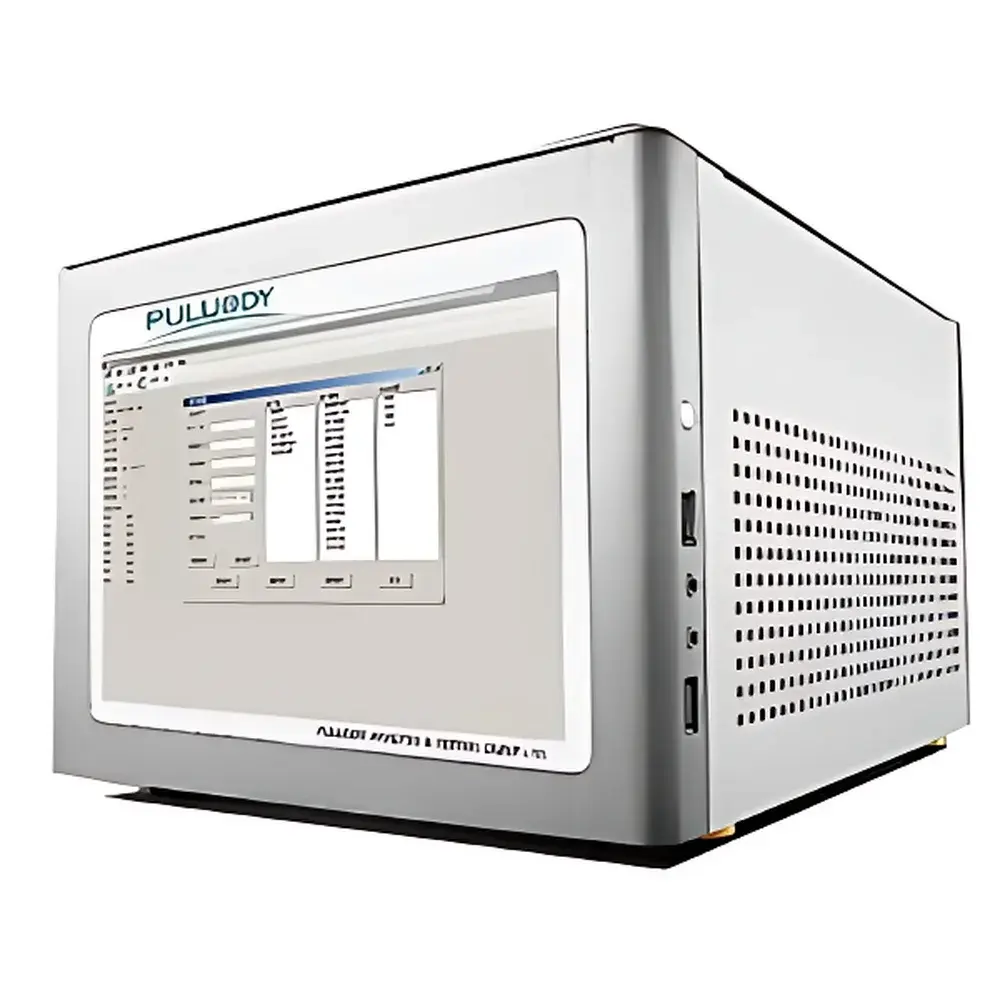
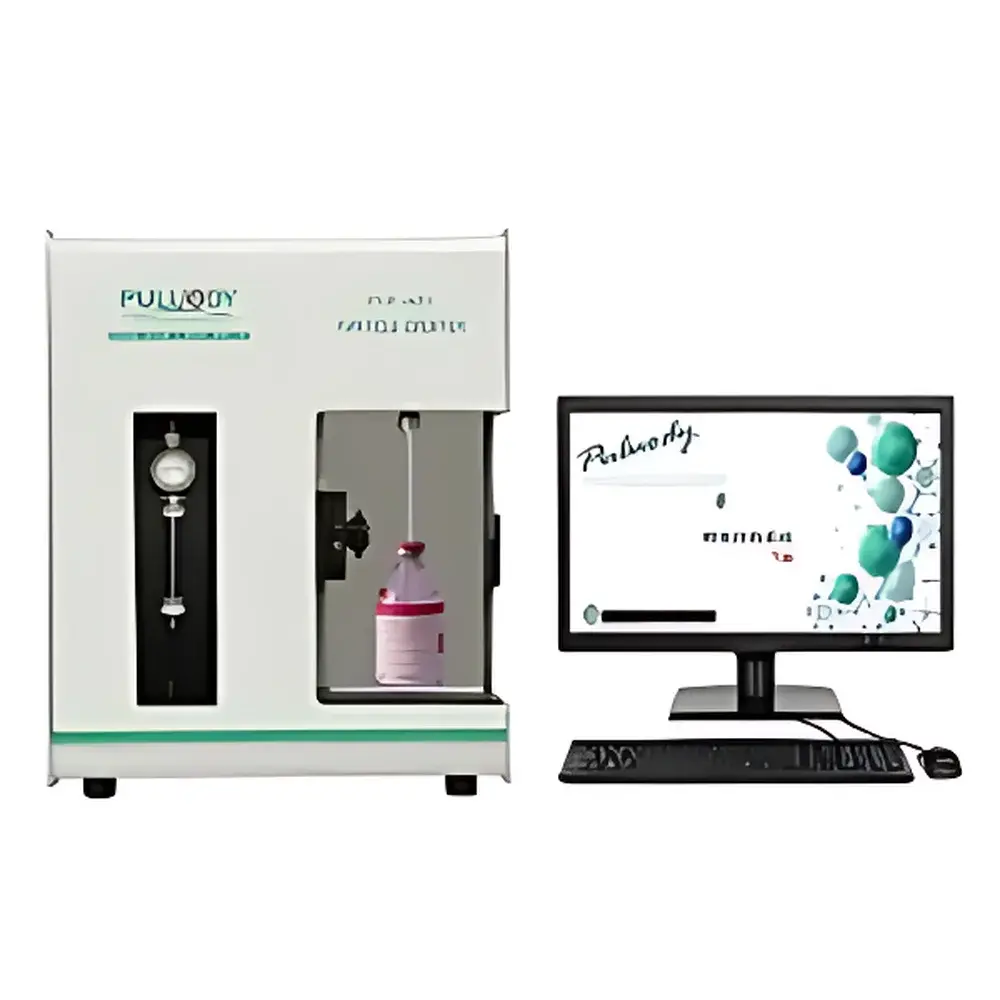
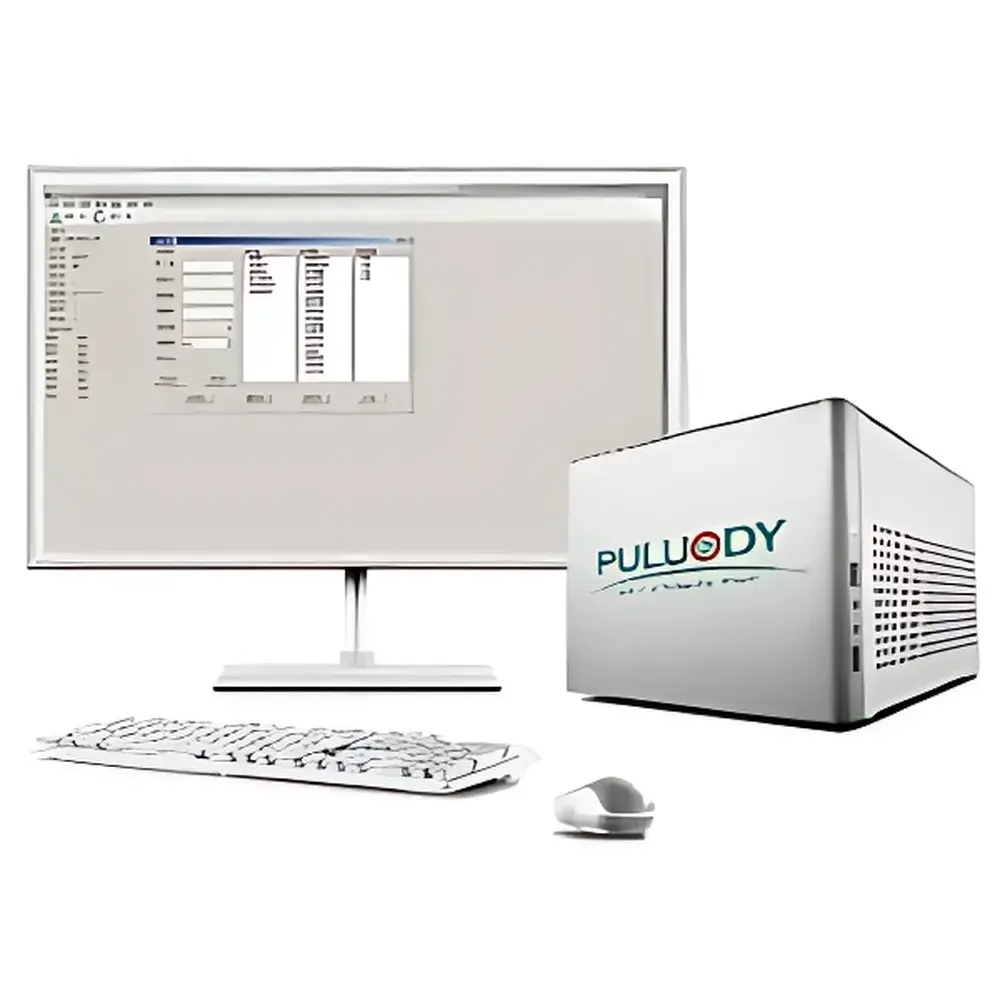
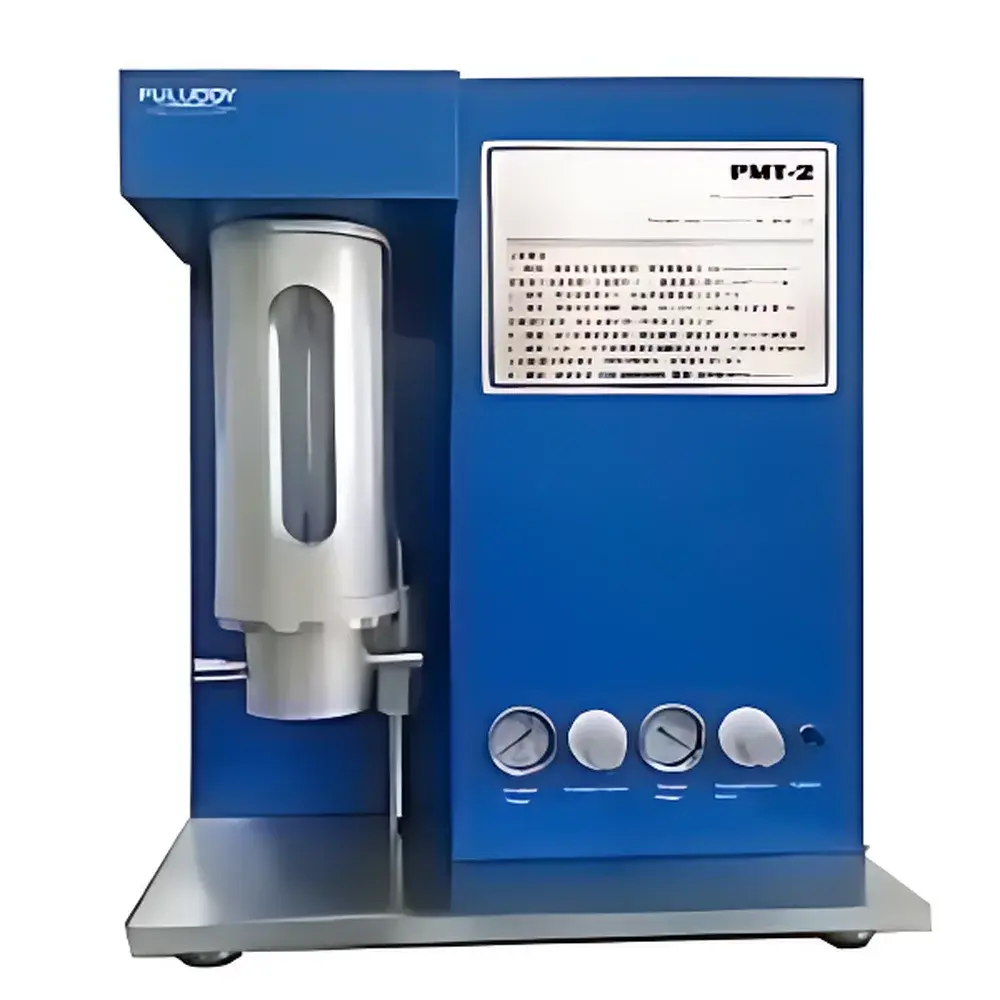
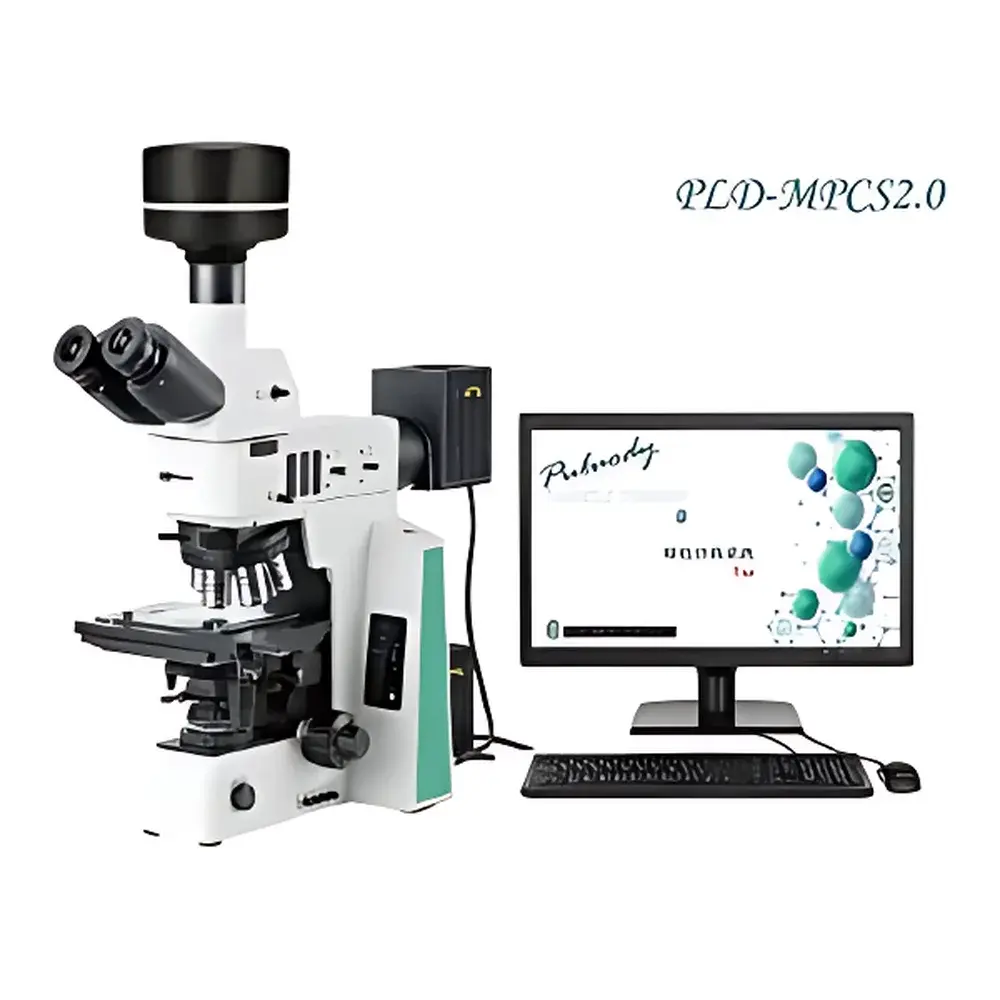
PULUODY PMT-2 Wet-Condition Dust Emission Liquid Micro-Particle Counter
| Brand | PULUODY |
|---|---|
| Origin | Shaanxi, China |
| Manufacturer Type | Authorized Distributor |
| Country of Origin | China |
| Model | PMT-2 |
| Instrument Type | Optical Particle Counter |
| Detection Principle | Dual-Laser Narrow-Beam Light Scattering |
| Sensor Generation | 8th-Generation Dual-Laser Optical Sensor |
| Flow Control | Precision Plunger Pump + Ultra-Precise Electromagnetic Flow Regulation |
| Measurement Range | 0.03–3000 µm (configurable sub-ranges: 1–100 µm, 4–70 µm(c), 0.1 µm(c)) |
| Sampling Accuracy | < ±1% |
| Counting Accuracy | < ±3% (typical) |
| Coincidence Error | ≤2.5% at 1000 particles/mL |
| Calibration Standards | JJG 1061, ISO 21501, Polystyrene Latex (PSL) Spheres |
| Compliance | SJ/T 11480–2014, FZ/T 64056–2015, IEST-RP-CC004.3 |
| Data Output | 4–20 mA Analog Interface with Customizable Threshold Alarm |
| Reporting | Particles per mL & ISO 4406 / NAS 1638 Contamination Code |
| Power Input | 100–265 VAC, 50–60 Hz |
| Software | PULUODY V8.3 Integrated Analysis & Calibration Software (PC + iPad-compatible) |
| Operating Interface | Color LCD Touchscreen + Optional Wireless Keyboard/Mouse |
| Application Mode | Online Continuous Monitoring & Offline Portable/Fixed Sampling |
Overview
The PULUODY PMT-2 Wet-Condition Dust Emission Liquid Micro-Particle Counter is an advanced optical particle counter engineered for quantitative assessment of insoluble particulate contamination in liquids under wet-state conditions. It employs an 8th-generation dual-laser narrow-beam light scattering detection principle—optimized for high signal-to-noise ratio and minimal background interference—enabling reliable sizing and counting of particles from 0.03 µm to 3000 µm in a single pass. Unlike conventional single-wavelength systems, the dual-laser architecture provides orthogonal illumination and detection geometry, improving discrimination between refractive index variations, agglomerates, and true discrete particles. The instrument is specifically designed for applications where surface-release particulates must be quantified in situ—such as wet-swab testing of cleanroom wipes, solvent-based cleaning validation of semiconductor wafers, or real-time monitoring of ultrapure water (UPW) distribution loops. Its core function is not merely enumeration, but traceable, standards-aligned contamination diagnostics essential for ISO Class 3–5 cleanroom qualification, GMP-grade equipment cleaning verification, and microcontamination control in photolithography support processes.
Key Features
- Dual-laser narrow-beam optical sensor with configurable detection thresholds (0.1 µm(c), 4–70 µm(c), or user-defined 1–100 µm bins) to support both nanoscale defect screening and micron-level debris tracking.
- High-fidelity fluidic path featuring a precision plunger pump and electromagnetic flow regulator, delivering volumetric accuracy better than ±1% across dynamic flow rates (0.5–100 mL/min).
- Modular design supporting both online integration (via 4–20 mA analog output with programmable alarm thresholds) and offline field deployment (battery-powered portable mode with iPad-based data acquisition).
- Calibration traceability to national metrology standards (JJG 1061), ISO 21501-2, and certified PSL reference materials—ensuring compliance with audit requirements under FDA 21 CFR Part 11 and EU Annex 11 when paired with V8.3 software audit trails.
- Separation of analysis and calibration workflows within the V8.3 software environment—eliminating cross-contamination of measurement logic during routine system verification.
- Comprehensive reporting engine generating ISO 4406:2017, NAS 1638, and custom contamination codes alongside raw particle concentration (particles/mL) histograms and cumulative distribution curves.
Sample Compatibility & Compliance
The PMT-2 is validated for use with low-conductivity, low-viscosity aqueous and organic media—including deionized water, UPW, IPA, acetone, fluorinated solvents, polymer solutions (e.g., photoresist carriers), and aqueous cleaning formulations. Its wet-condition sampling protocol meets the procedural rigor of SJ/T 11480–2014 (for cleanroom wipe testing), FZ/T 64056–2015 (nonwoven fabric particulate shedding), and IEST-RP-CC004.3 (cleanroom material evaluation). All hardware and firmware comply with CE electromagnetic compatibility (EMC) directives and RoHS material restrictions. For regulated environments, the system supports GLP/GMP-compliant operation via electronic signatures, version-controlled method storage, and immutable audit logs embedded in the V8.3 platform.
Software & Data Management
PULUODY V8.3 is a dual-mode software suite comprising a PC-hosted analytical workstation and an iPad-native acquisition interface—both sharing identical algorithmic kernels and calibration databases. The software implements role-based access control (RBAC), 21 CFR Part 11-compliant electronic signatures, and automatic generation of PDF/CSV reports with embedded metadata (operator ID, timestamp, environmental conditions, calibration certificate ID). Raw scatter pulse data is retained in proprietary binary format with lossless compression, enabling retrospective re-analysis without degradation. Integration with LIMS is supported via ASTM E1384-compliant HL7 messaging or direct SQL database export.
Applications
- Quantification of wet-state particle shedding from cleanroom consumables: nonwoven wipes, polyester swabs, antistatic cloths, and laminar flow hood filters.
- In-line monitoring of ultrapure water systems in semiconductor fabs—detecting resin fines, pipe corrosion particulates, and filter breakthrough events.
- Validation of cleaning efficacy for silicon wafers, flat-panel display substrates, and MEMS components using standardized solvent extraction protocols.
- Quality control of liquid pharmaceutical excipients and parenteral solutions per USP and , with optional validation kits for sub-10 µm detection.
- Research-grade characterization of nanoparticle suspensions, colloidal stability studies, and filtration integrity testing across micro- and ultrafiltration membranes.
FAQ
What particle size ranges can the PMT-2 resolve with certified accuracy?
The base configuration covers 0.03–3000 µm; however, certified counting accuracy per ISO 21501-2 applies to 0.1 µm(c), 0.2 µm(c), 0.3 µm(c), 0.5 µm(c), 1.0 µm(c), 5.0 µm(c), and 10.0 µm(c) channels. Sub-micron resolution requires optional high-sensitivity optics and PSL calibration verification.
Can the PMT-2 be integrated into a SCADA or DCS system?
Yes—via its isolated 4–20 mA analog output with configurable alarm setpoints and HART-compatible digital overlay. Modbus TCP/IP integration is available through optional gateway modules.
Is the system compliant with FDA 21 CFR Part 11 for electronic records?
When operated with V8.3 software in “Regulated Mode”, it provides full Part 11 functionality: audit trail logging, electronic signatures, data integrity controls, and secure user authentication.
How is sensor fouling mitigated during extended online operation?
The flow path includes an automated purge cycle triggered by differential pressure monitoring; optional ultrasonic transducer-assisted cleaning kits are available for high-particulate matrices.
Does the PMT-2 support multi-point calibration per ISO 21501-4?
Yes—the V8.3 software includes guided multi-point calibration routines using NIST-traceable PSL standards across ≥5 size points, with residual error mapping and uncertainty budgeting per GUM (JCGM 100:2008).



