
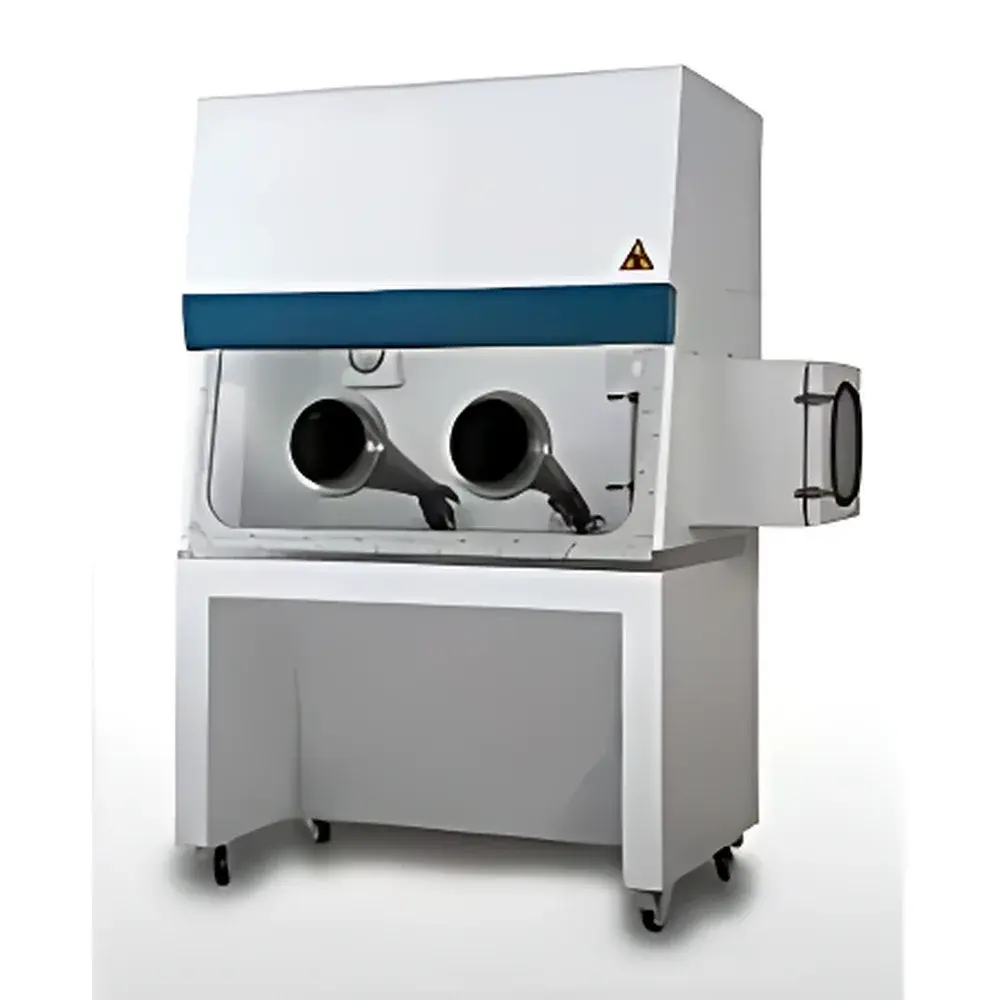
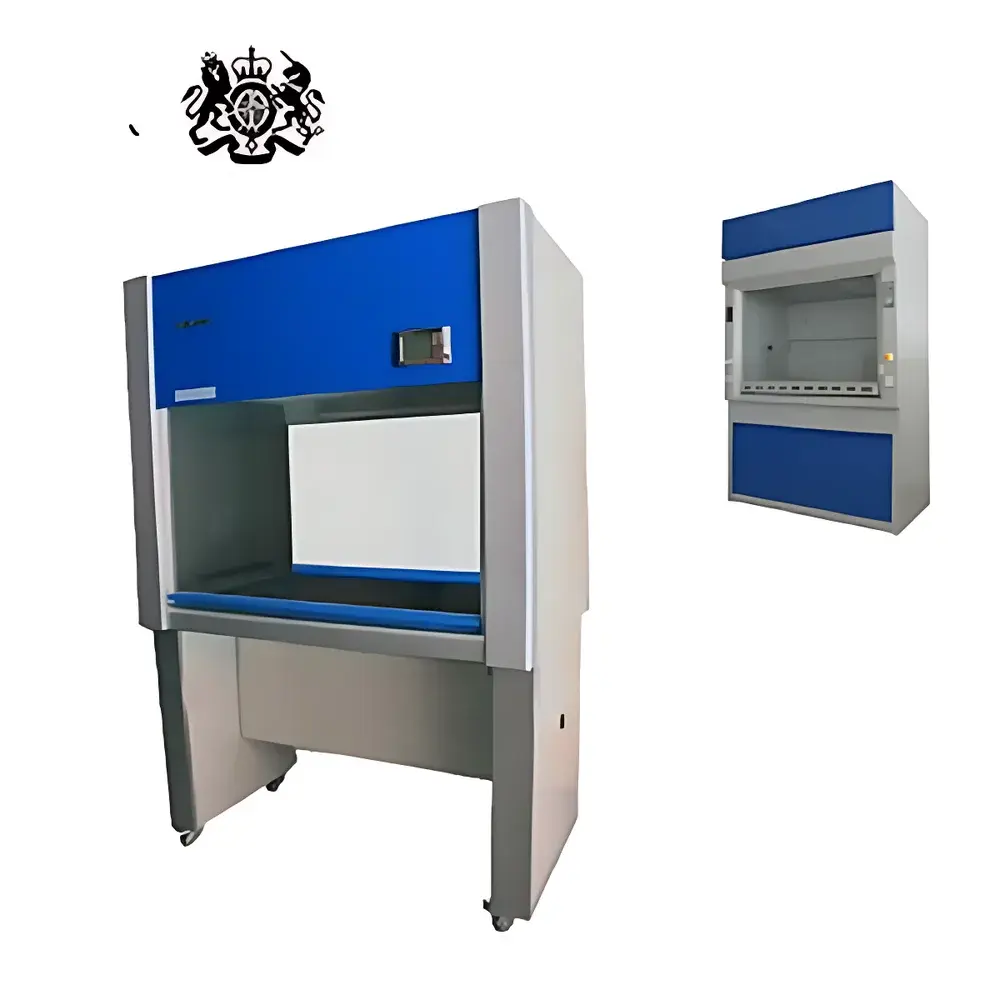
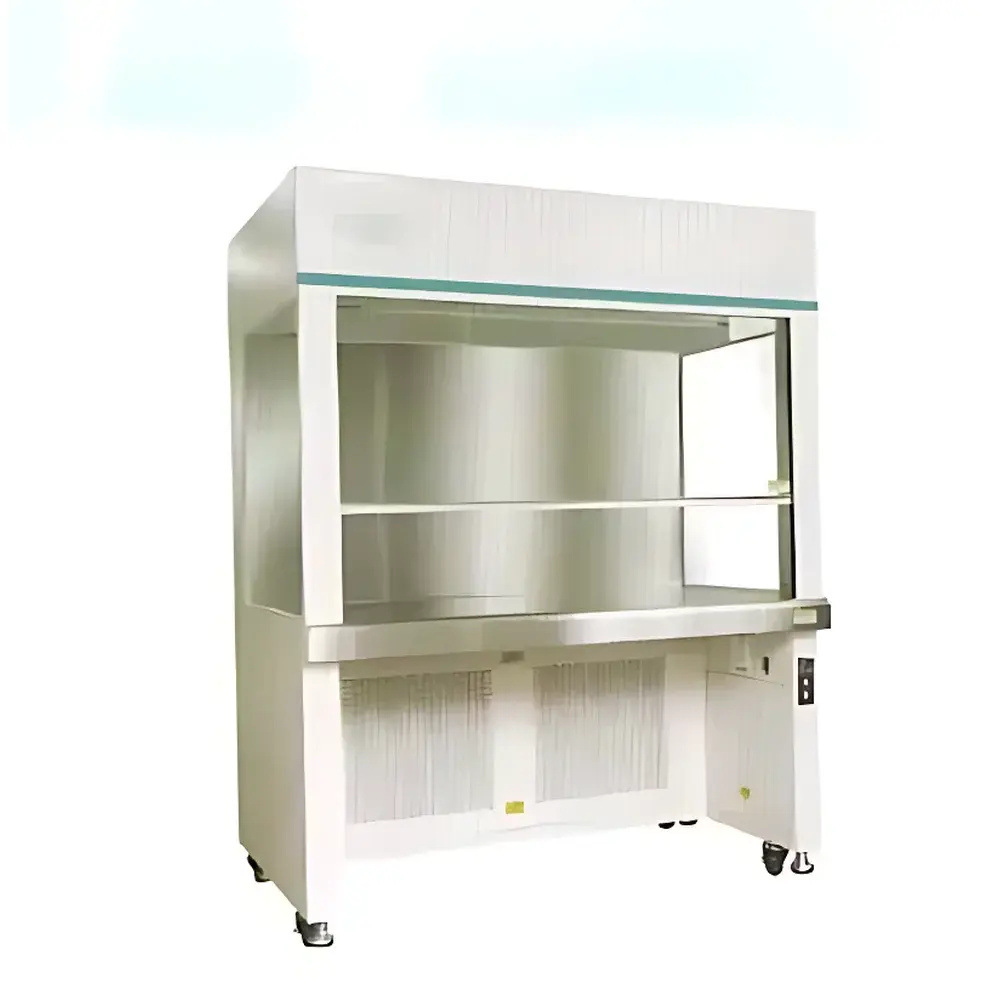
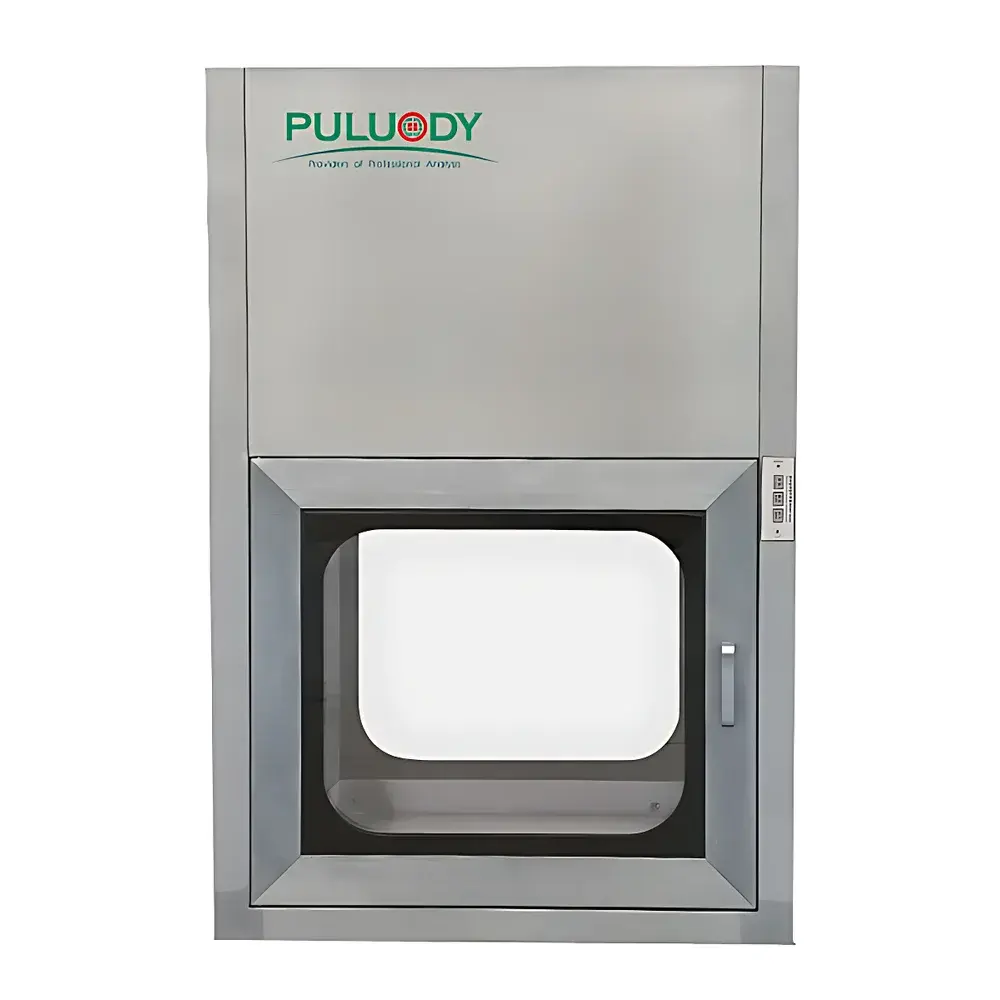
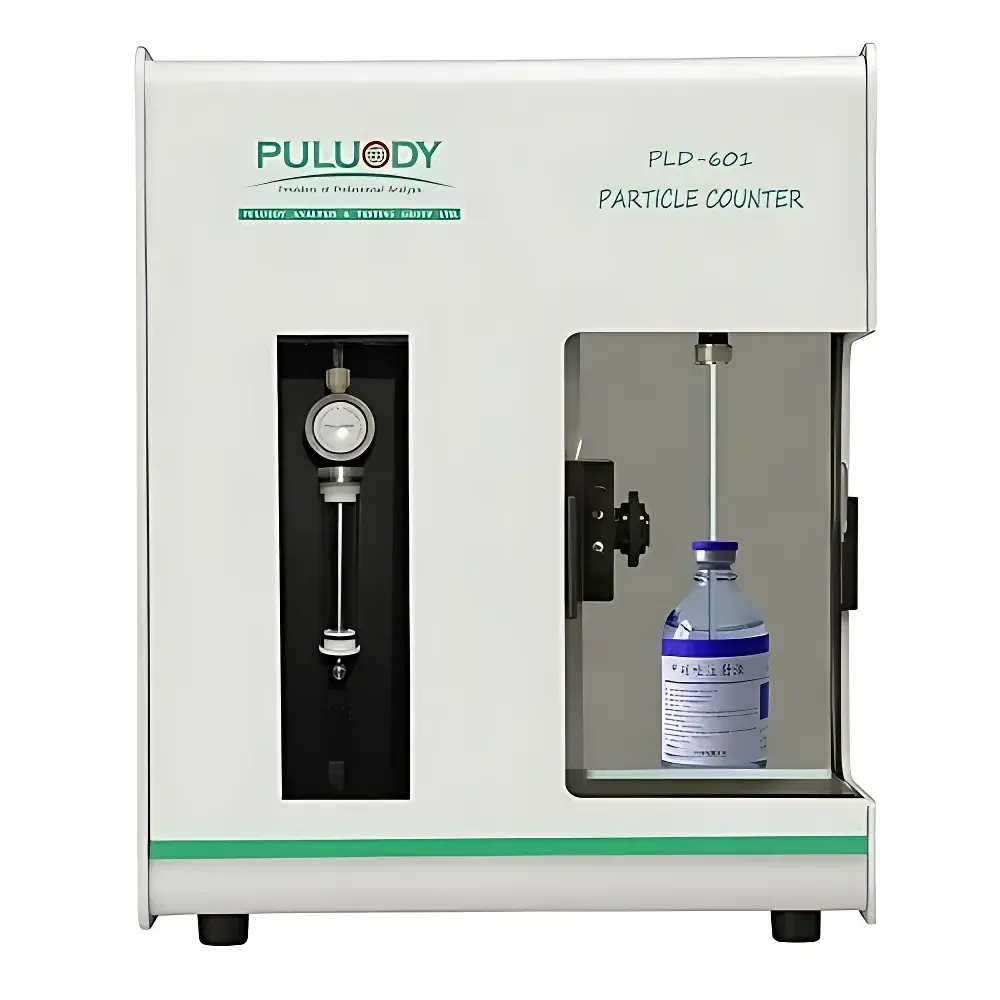
PULUODY PSD-PF10A-0.5 Class 10 Ultra-Clean Laboratory Laminar Flow Hood
| Brand | PULUODY |
|---|---|
| Origin | Shaanxi, China |
| Model | PSD-PF10A-0.5 |
| Cleanliness Class | ISO Class 4 (10 particles ≥0.1 µm per cubic foot) |
| Airflow Velocity | 0.25–0.6 m/s (adjustable) |
| Vibration Amplitude | ≤3 µm |
| Noise Level | ≤67 dB(A) |
| UV Sterilization Time | 15 min for microbial reduction |
| Operating Temperature | 10–30 °C |
| Relative Humidity | ≤75% RH |
| Power Supply | AC 220 V ±10%, 50 Hz ±1 Hz |
Overview
The PULUODY PSD-PF10A-0.5 is an ISO Class 4 (commonly referenced as “Class 10”) ultra-clean laminar flow hood engineered for critical aseptic operations in analytical laboratories, pharmaceutical QC environments, and microelectronics handling areas. It employs unidirectional, vertically downward laminar airflow—generated by a low-vibration, brushless DC motor-driven centrifugal blower—to deliver particle-free air across the work surface at precisely controlled velocities. Air undergoes dual-stage filtration: a pre-filter (polyester non-woven fabric) captures coarse particulates (>5 µm), followed by a certified HEPA filter (H14, EN 1822-compliant, ≥99.995% efficiency at 0.1 µm) to achieve sustained 10-particle/ft³ cleanliness under continuous operation. The unit’s structural integrity—fully welded steel frame with epoxy powder coating—and 304 stainless-steel work surface ensure long-term corrosion resistance, mechanical stability, and compliance with ISO 14644-1 cleanroom performance verification protocols.
Key Features
- ISO Class 4 (10) clean environment validated per ISO 14644-1:2015 Annex B; particle concentration verified using calibrated optical particle counters (OPC) at 0.1 µm, 0.2 µm, and 0.3 µm thresholds
- Adjustable laminar airflow velocity (0.25–0.6 m/s) via front-panel digital controller with real-time feedback; factory-calibrated to maintain uniformity within ±10% across full work surface
- Integrated UV-C germicidal lamp (254 nm, 15 W) with safety interlock—automatically de-energized when sash is opened or door is displaced beyond operational threshold
- Low-noise operation (≤67 dB[A] at 1 m distance) achieved through acoustic damping insulation and optimized aerodynamic duct design
- Vibration-controlled platform: mechanical vibration amplitude limited to ≤3 µm peak-to-peak during steady-state operation, minimizing disturbance to sensitive weighing or micro-manipulation tasks
- Full-coverage LED task lighting (≥400 lux at work surface) with glare-reducing diffuser and independent on/off switch
Sample Compatibility & Compliance
The PSD-PF10A-0.5 supports handling of sterile reagents, biological samples, high-purity standards, and nanomaterials requiring particle-free manipulation. Its sealed construction and gasketed access points prevent cross-contamination between operator zone and work area. The unit complies with key regulatory expectations for aseptic technique environments, including USP environmental monitoring prerequisites, ISO 13485:2016 clause 7.5.11 (cleanroom controls), and GLP Annex 3 (laboratory equipment qualification). While not certified to NSF/ANSI 49 (as it lacks exhaust ducting and is not a biosafety cabinet), its filtration architecture and airflow validation protocol align with ISO 14644-3:2019 testing methods for airborne particle concentration and airflow visualization (smoke wire test).
Software & Data Management
This model operates via embedded microcontroller-based firmware with no external PC dependency. All operational parameters—including fan speed setpoint, UV exposure timer, lighting status, and runtime hours—are logged internally with timestamping (non-volatile memory, 10,000-cycle endurance). Audit-trail functionality meets basic ALCOA+ principles: attributable (operator ID input optional via keypad), legible (LCD display with backlight), contemporaneous (real-time stamp), original (uneditable log buffer), accurate (hardware-synced RTC), complete (no auto-delete), consistent (chronological sequence), enduring (power-loss resilient), and available (exportable via RS-232 port upon request). Optional firmware upgrade path supports future integration with LabVantage or Thermo Fisher SampleManager via Modbus RTU.
Applications
- Preparation of HPLC, GC, and ICP-MS calibration standards under particle-controlled conditions
- Aseptic transfer of cell cultures, plasmid DNA, and CRISPR reagents in molecular biology labs
- Weighing of reference standards (e.g., NIST SRMs) where electrostatic or airborne particulate interference must be minimized
- Assembly and inspection of MEMS devices, optical filters, and photomask substrates
- QC release testing of sterile ophthalmic solutions and injectables per EU GMP Annex 1 requirements
- Handling of hygroscopic or oxidation-sensitive compounds (e.g., organolithium reagents) in inert-gas purged configurations (optional nitrogen inlet kit)
FAQ
What ISO class does this laminar flow hood meet, and how is it verified?
It achieves ISO Class 4 (10 particles ≥0.1 µm/ft³) per ISO 14644-1:2015. Verification requires particle counting with a calibrated 0.1 µm-sensitivity OPC at nine designated locations across the work surface, repeated after each HEPA filter replacement.
Can this unit be qualified under FDA 21 CFR Part 11?
The base configuration supports Part 11 readiness through audit-trail logging and operator authentication capability; full compliance requires documented IQ/OQ/PQ protocols, electronic signature implementation, and system-level validation by the end user.
How often must the HEPA filter be replaced?
Replacement is triggered when downstream airflow velocity falls below 0.4 m/s at maximum fan setting—even after pre-filter cleaning—or when differential pressure across the HEPA exceeds 500 Pa (measured via built-in manometer port). Typical service life ranges from 18–36 months depending on ambient particulate load.
Is UV irradiance intensity monitored or validated?
No integrated UV radiometer is included; however, users are advised to perform annual validation using a NIST-traceable UV-C meter (254 nm) at 1 cm from lamp surface, confirming ≥100 µW/cm² output prior to sterilization cycles.
Does the unit support external data acquisition or network connectivity?
Standard RS-232 interface enables serial connection to SCADA or LIMS systems; Ethernet or Wi-Fi modules are available as factory-installed options under custom order (P/N: PSD-PF10A-0.5-ETH).
Related Products






