
Restek 23443 Portable Gas Chromatograph Leak Detector
| Brand | Restek |
|---|---|
| Model | 23443 |
| Origin | USA |
| Type | Portable Thermal Conductivity-Based Leak Detector |
| Detectable Gases | He, N₂, Ar, CO₂, H₂ |
| Power Source | Rechargeable Ni-MH Battery (6 h typical runtime) |
| Operating Temperature | 0–48 °C |
| Relative Humidity | 0–97 % RH |
| Certifications | CE, RoHS, WEEE |
| Compliance | Compliant with EU Directive 2014/30/EU (EMC), 2011/65/EU (RoHS), and Japan’s JIS C 0950 (RoHS-equivalent) |
| Enclosure Rating | IP54 (dust-protected, water-splashing resistant) |
| Probe Interface | Standard 1/8" Swagelok-compatible stainless steel insertion probe |
| Auto-Shutdown | Enabled after 5 min inactivity |
| Charging Adapter | Universal AC input (100–240 VAC, 50/60 Hz) |
Overview
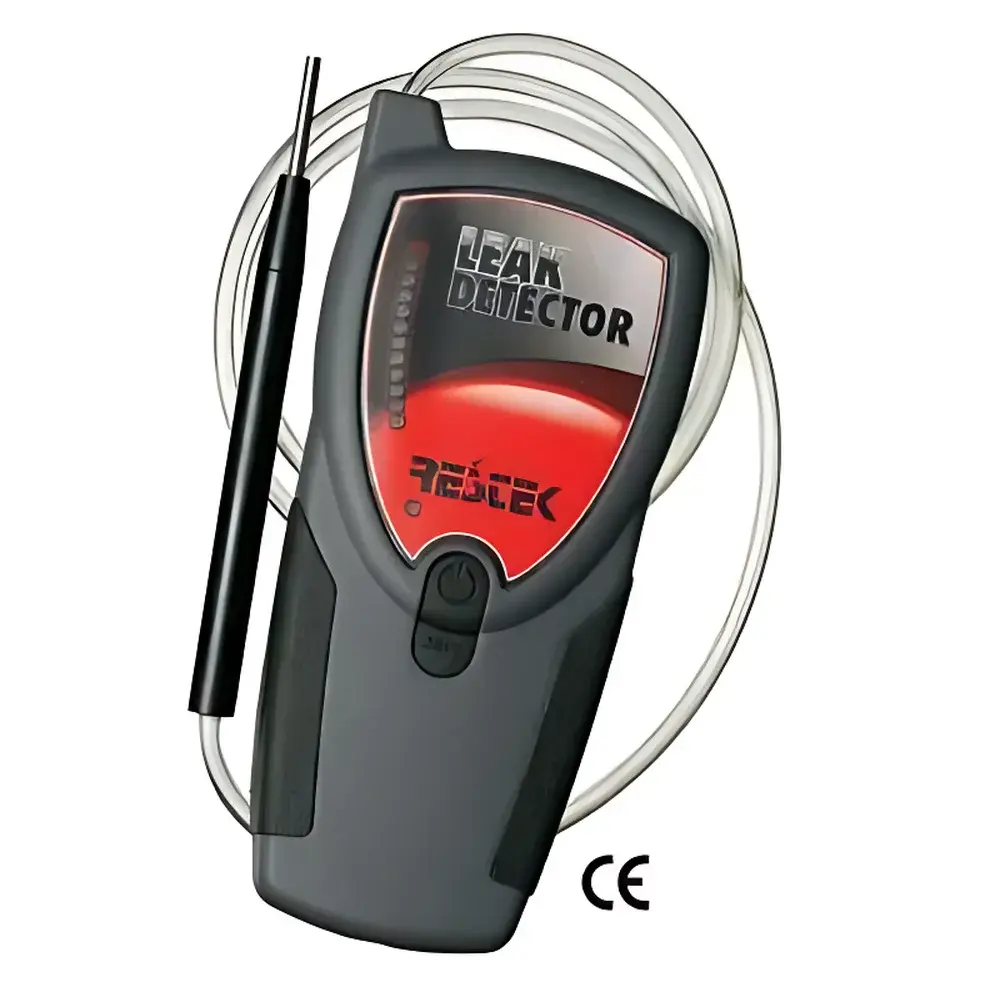
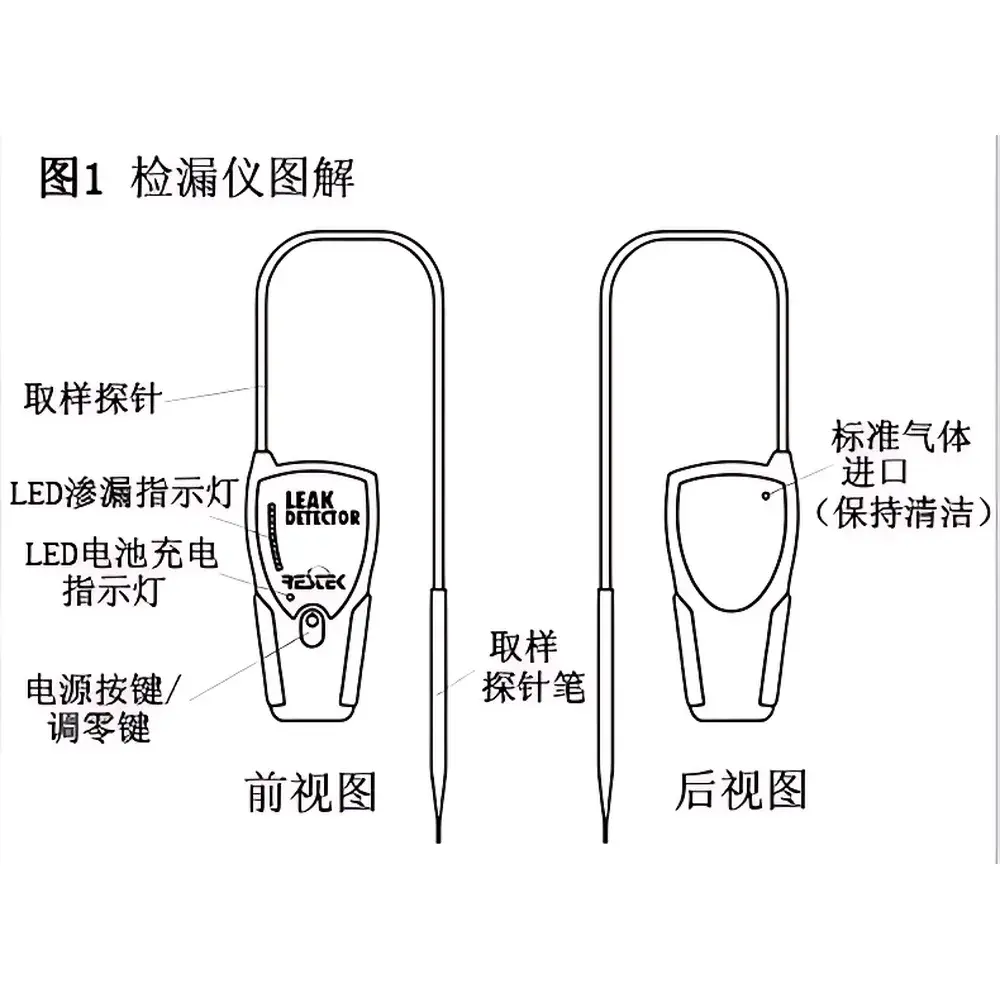
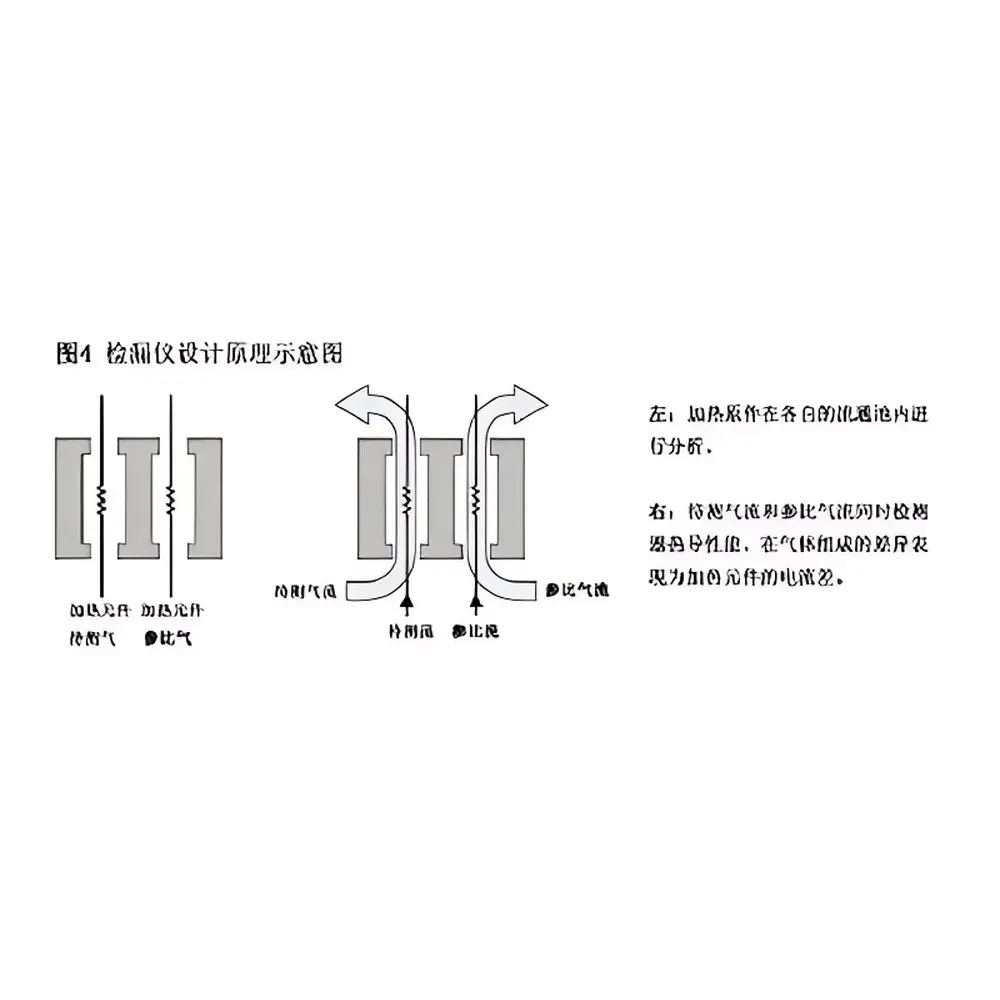
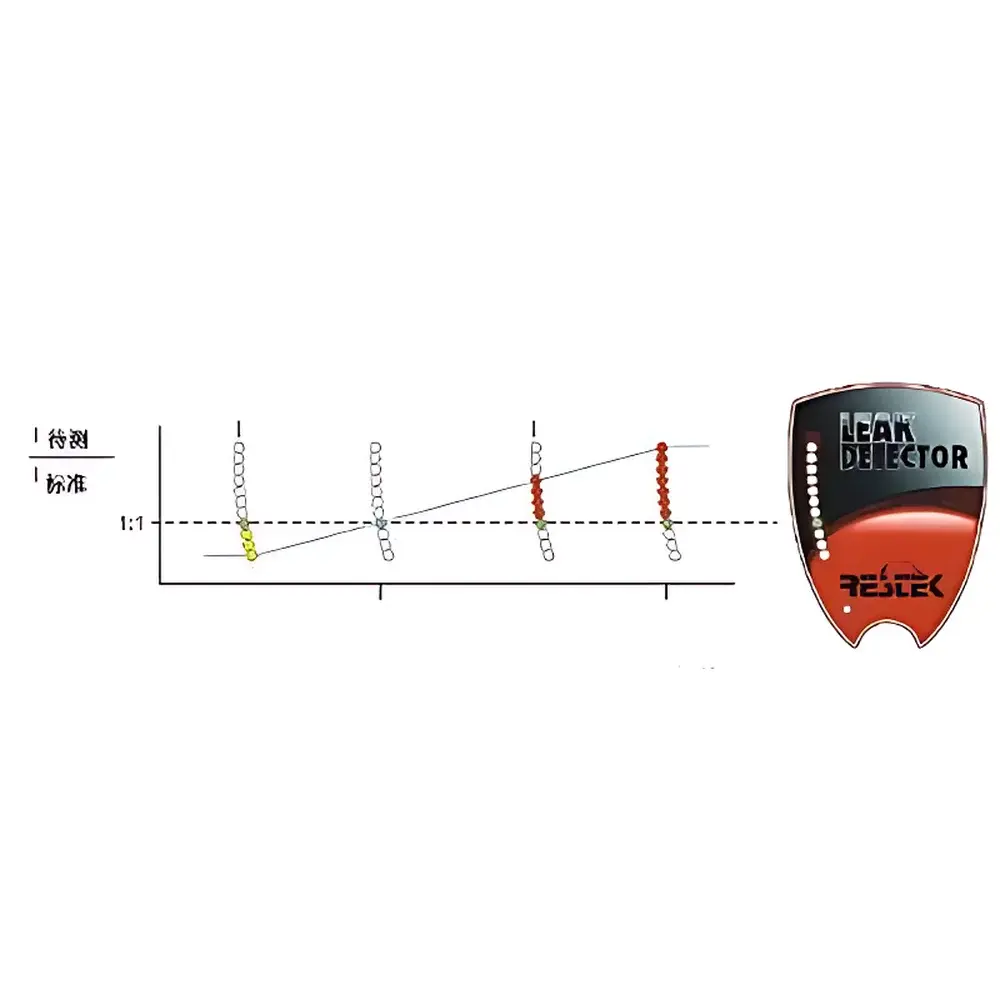
The Restek 23443 Portable Gas Chromatograph Leak Detector is a purpose-built, field-deployable instrument engineered for rapid, selective detection of carrier and auxiliary gas leaks in gas chromatography (GC) systems. Unlike broad-spectrum halogen or hydrocarbon sniffers, this detector operates on the principle of thermal conductivity differential measurement — exploiting the distinct thermal transport properties of common GC gases (He, H₂, N₂, Ar, CO₂) relative to ambient air. When the probe draws sample gas from suspected leak points, the internal dual-cell thermal conductivity sensor compares its thermal dissipation rate against a reference air stream drawn through a dedicated inlet. A measurable imbalance generates a proportional analog signal, translated into real-time visual (LED bar graph) and audible (adjustable tone) feedback calibrated to approximate leak rate in standard cubic centimeters per minute (sccm). Its design targets routine maintenance workflows in analytical laboratories, method validation labs, and QC facilities where GC system integrity directly impacts retention time stability, peak shape fidelity, and quantitative reproducibility.
Key Features
- Optimized gas flow path with laminar-flow sampling chamber to minimize turbulence-induced signal noise and ensure repeatable response across varying probe orientations.
- Compact, ergonomic handheld chassis constructed from impact-resistant ABS polymer with reinforced side-sliding protective guard — tested to MIL-STD-810G for drop resistance up to 1.2 m onto concrete.
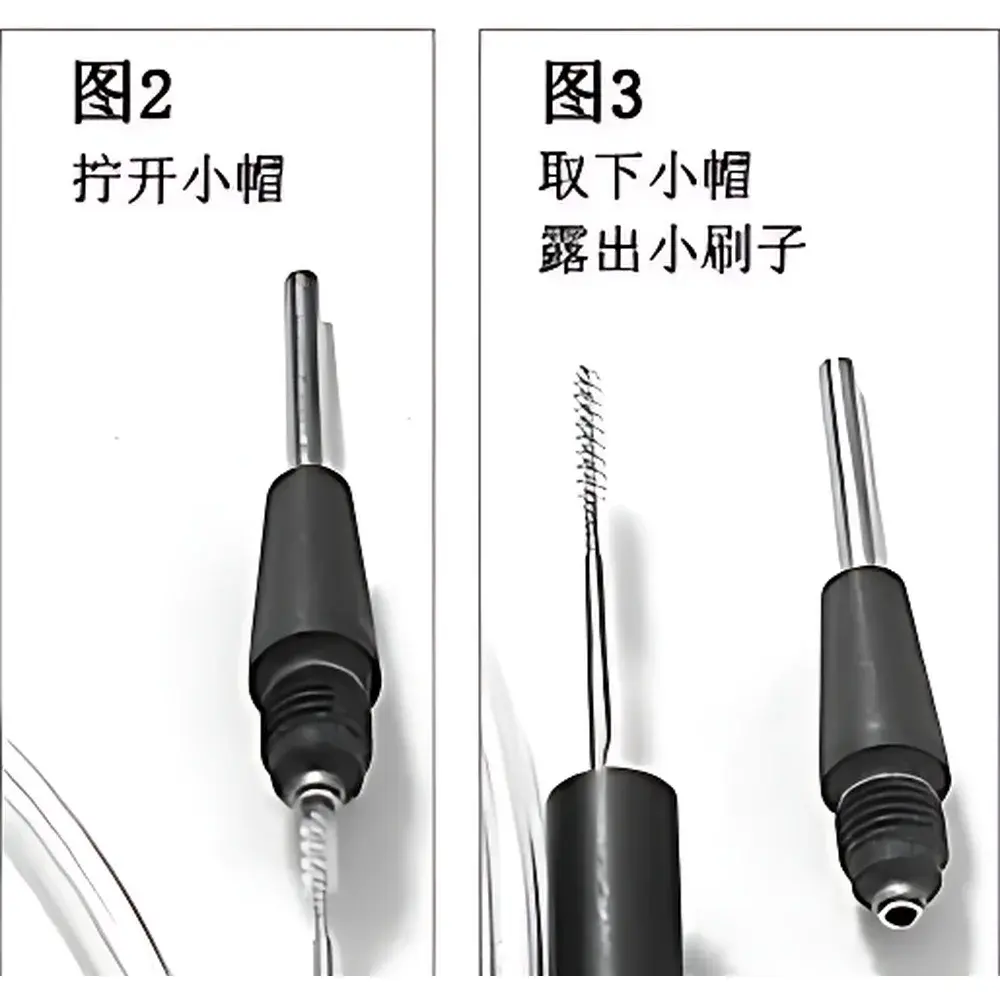
- Interchangeable stainless steel insertion probe with smooth, non-porous surface geometry; compatible with standard 1/8″ Swagelok fittings and designed for rapid disassembly without tools.
- Integrated rechargeable Ni-MH battery pack delivering ≥6 hours of continuous operation under typical GC room conditions (23 °C, 50 % RH), with state-of-charge indicator and low-battery warning at ≤15 % remaining capacity.
- Intelligent power management including automatic shutdown after 5 minutes of no-probe-actuation, configurable via DIP switch on main PCB.
- Universal AC charging adapter supporting 100–240 VAC input with plug kits for North America (NEMA 1-15), United Kingdom (BS 1363), and Australia/New Zealand (AS/NZS 3112) standards.
- IP54-rated enclosure ensuring operational reliability in environments subject to dust accumulation and incidental water splashing — suitable for benchtop, mobile cart, or fume hood deployment.
Sample Compatibility & Compliance
The Restek 23443 is validated for qualitative and semi-quantitative detection of helium (He), hydrogen (H₂), nitrogen (N₂), argon (Ar), and carbon dioxide (CO₂) against ambient air background. It does not detect methane, hydrocarbons, or halogenated compounds. The device meets electromagnetic compatibility requirements per EN 61326-1:2013 (industrial environment), conforms to RoHS Directive 2011/65/EU and WEEE Directive 2012/19/EU, and carries CE marking under the Low Voltage Directive 2014/35/EU. While not a GLP/GMP-certified instrument per se, its consistent response profile, traceable calibration procedure (per Restek Technical Bulletin TB-23443-REV2), and audit-ready log-free operation support adherence to ISO/IEC 17025:2017 clause 6.4.7 (equipment verification) and USP Analytical Instrument Qualification protocols for preventive maintenance tools.
Software & Data Management
This detector operates as a standalone, firmware-controlled hardware unit with no embedded memory, USB interface, or proprietary software dependency. All operational logic resides in a microcontroller with factory-trimmed thermal sensor compensation tables. Calibration is performed manually using certified He-in-air reference standards (e.g., 100 ppm, 1000 ppm); no software-based adjustment is required or supported. As such, it inherently satisfies FDA 21 CFR Part 11 requirements for electronic records and signatures — no audit trail, electronic signature, or data export functionality exists, eliminating validation burden for regulated environments. Maintenance logs, calibration dates, and probe cleaning records are maintained externally per laboratory SOPs.
Applications
- Routine leak screening of GC inlet liners, septa, column nuts, ferrules, and detector base seals prior to method execution.
- Troubleshooting baseline drift, ghost peaks, or inconsistent retention times attributable to undetected carrier gas loss.
- Verification of column installation integrity following oven temperature ramping or pressure programming sequences.
- Preventive maintenance checks during quarterly GC system audits per ASTM E2655-22 “Standard Guide for GC System Suitability”.
- Training tool for new analysts learning gas handling safety and system integrity best practices in academic and contract research laboratories.
FAQ
Can the Restek 23443 detect vacuum leaks in GC inlets or detectors?
Yes — when used in negative-pressure mode by placing the probe near suspected leak sites upstream of the pump or detector exhaust, it responds to ingress of ambient air into the system.
Is calibration traceable to NIST standards?
Calibration is performed using Restek-certified gas standards traceable to NIST SRM 1678 (Helium in Air); full calibration certificate is provided with each initial purchase.
Does the device require periodic sensor replacement?
The dual-element thermal conductivity sensor has a rated service life of ≥5 years under normal laboratory use; no user-replaceable consumables are specified.
Can it be used in inert atmospheres such as gloveboxes?
No — operation requires ambient air as the reference gas; use is restricted to open-air or ventilated laboratory environments.
What is the minimum detectable leak rate for helium?
Under controlled conditions (23 °C, still air), the practical lower detection limit is approximately 0.5 sccm for He, with linear response up to 50 sccm.





