
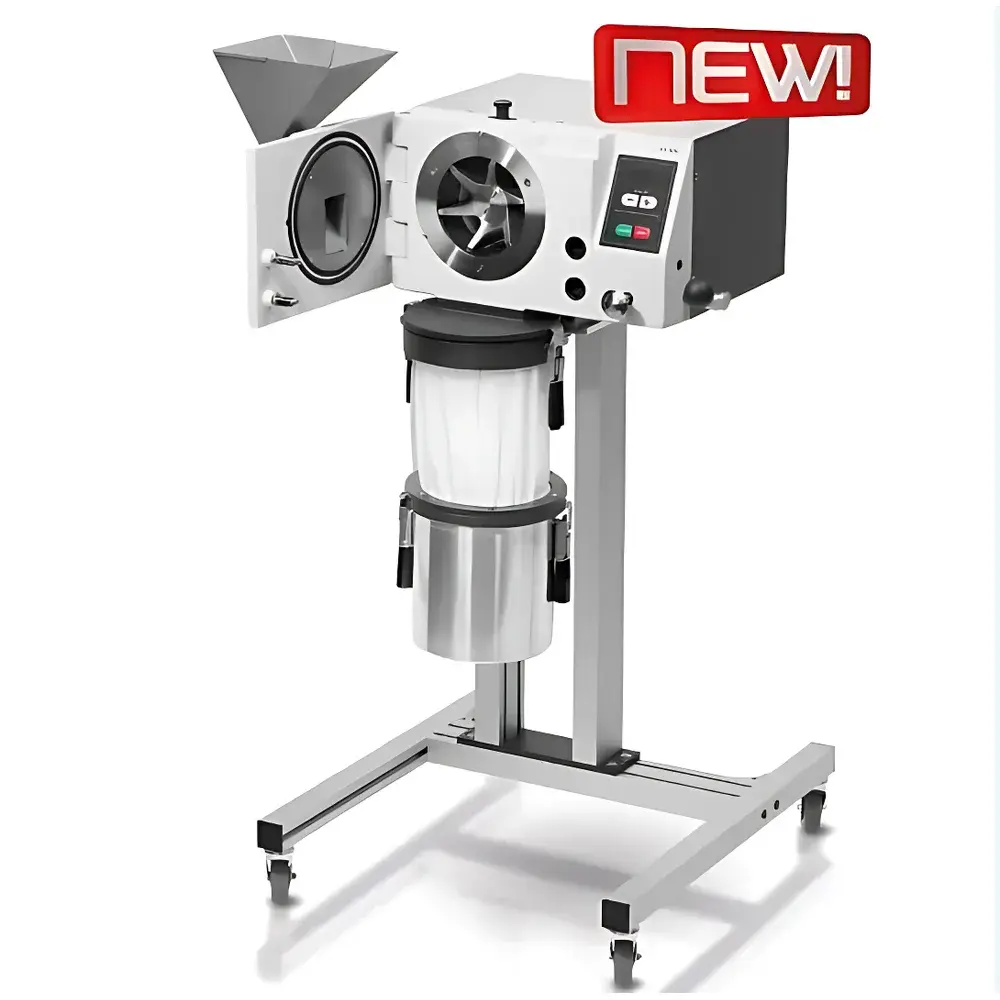
Retsch SR300 Rotational Impact Grinder
| Brand | Retsch |
|---|---|
| Origin | Germany |
| Model | SR300 |
| Instrument Type | Impact Grinder |
| Sample Type | Soft to Medium-Hard Materials |
| Feed Size | ≤ 15 mm |
| Final Particle Size | 0.01–0.5 mm (10–500 µm) |
| Throughput | 360 kg/h |
| Speed Range | 3,000–10,000 rpm |
| Rotor Tip Speed | 58–69.5 m/s |
| Drive Power | 2.2 kW |
| Chamber Material | Stainless Steel |
| Receiving Vessel Options | 5 L or 30 L |
| Dimensions (W×H×D) | 500 × 400 × 510 mm |
| Net Weight | ~50 kg |
| Compliance | CE, GLP-ready design, ISO 9001-manufactured |
Overview
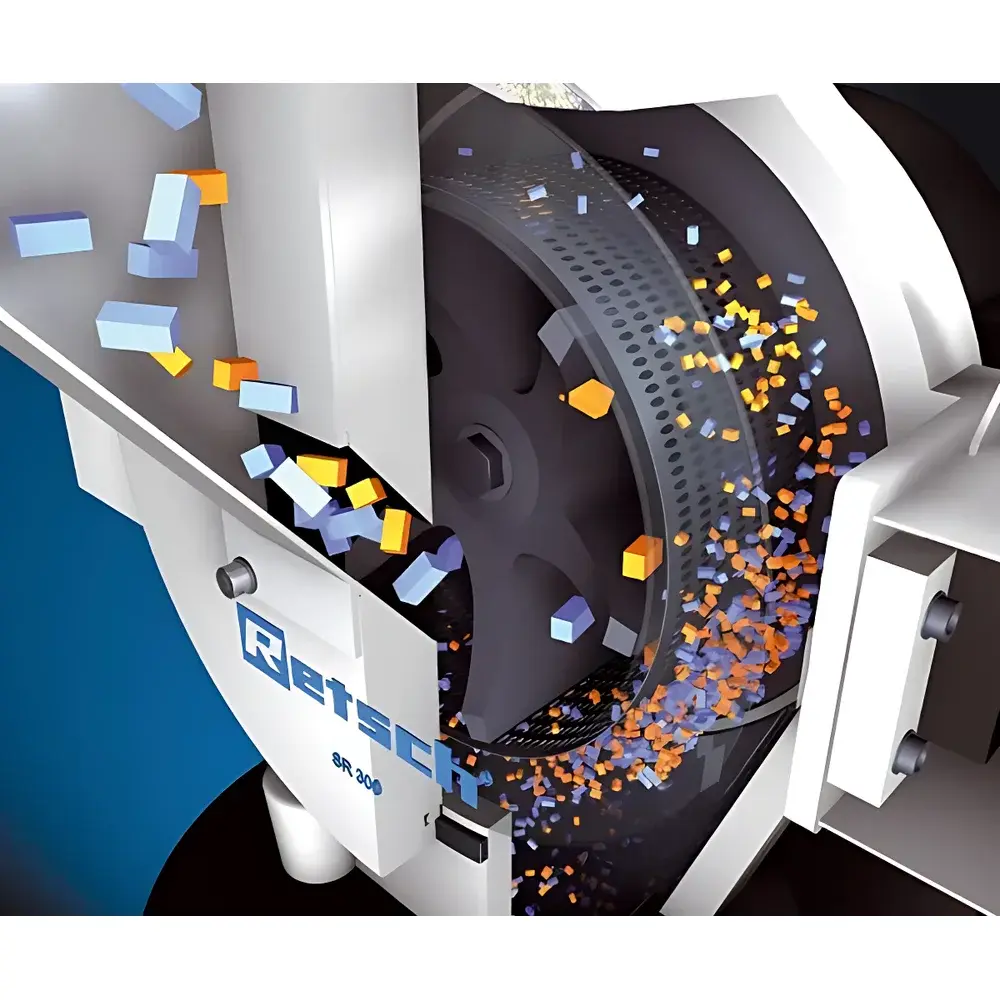
The Retsch SR300 Rotational Impact Grinder is a high-throughput, precision-engineered laboratory grinder designed for rapid size reduction of soft to medium-hard solid materials. Operating on the principle of rotational impact comminution, the SR300 utilizes a high-speed rotating rotor equipped with hardened impact elements that subject feed material to repeated hammering, shearing, and centrifugal acceleration against a fixed ring sieve. This mechanical energy transfer ensures efficient particle size reduction while maintaining sample integrity and minimizing thermal degradation. Unlike planetary ball mills or cryogenic grinders, the SR300 delivers consistent throughput without requiring pre-drying or cooling—making it ideal for routine QC labs, R&D facilities, and pilot-scale process development where reproducible, scalable grinding is essential. Its robust stainless-steel grinding chamber, integrated safety interlocks, and modular design align with international laboratory infrastructure standards, supporting seamless integration into automated sample preparation workflows.
Key Features
- Adjustable rotational speed from 3,000 to 10,000 rpm enables precise control over impact energy and final particle size distribution.
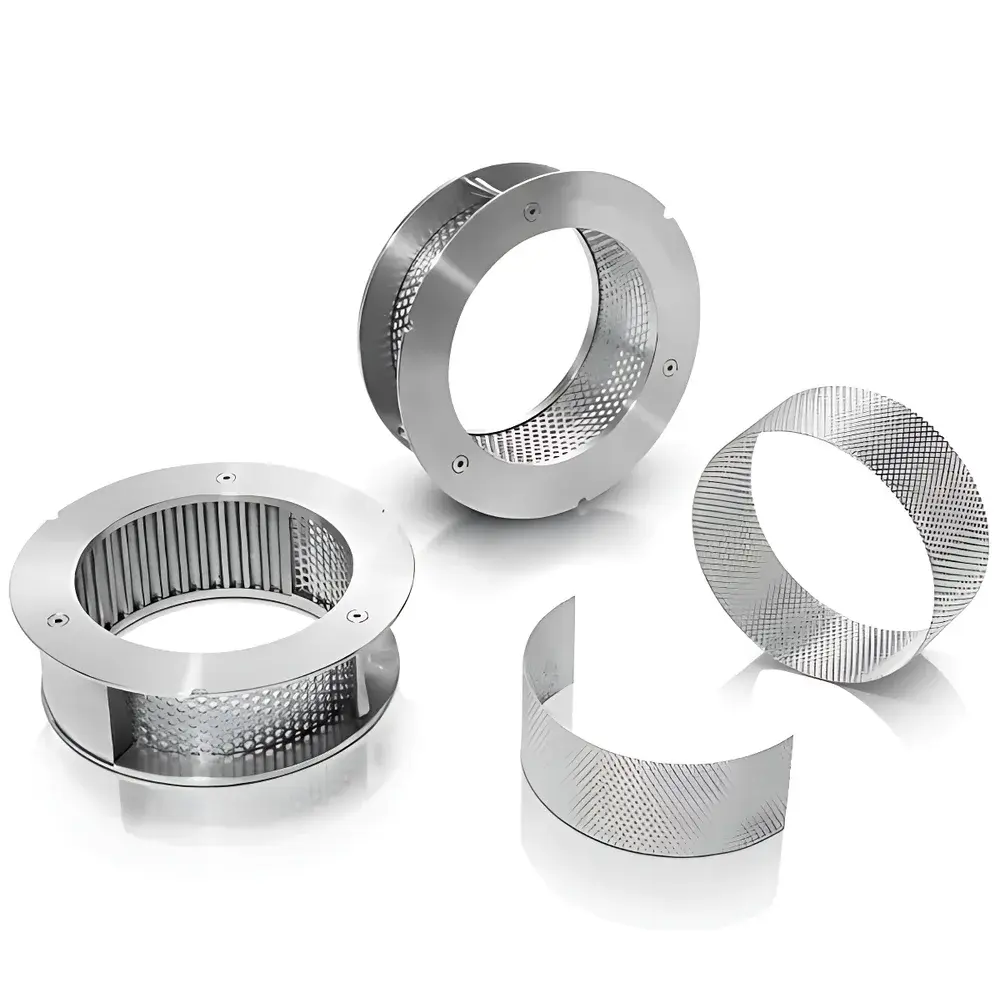
- 360° full-circle ring sieve geometry maximizes screening efficiency and prevents material bypass or channeling—critical for achieving narrow particle size distributions.
- Quick-lock door mechanism with integrated braking system (<0.5 s stop time) ensures operator safety and facilitates rapid chamber access for cleaning or component replacement.
- Tool-free sieve and rotor assembly exchange allows for fast adaptation between applications—e.g., switching from coarse soil grinding to fine pharmaceutical powder preparation.
- Stainless-steel grinding chamber and feed hopper resist corrosion and meet hygienic requirements for regulated industries including food, pharma, and agrochemicals.
- Motor-driven feed hopper with anti-splash inlet and outlet shielding minimizes cross-contamination and dust emission during operation.
- Compliant with CE directives and manufactured under ISO 9001 quality management systems—fully traceable documentation supports GLP/GMP audit readiness.
Sample Compatibility & Compliance
The SR300 accepts feed particles up to 15 mm in maximum dimension and consistently produces final particle sizes ranging from 10 µm to 500 µm—depending on sieve aperture selection (standard options: 0.01, 0.05, 0.1, 0.25, and 0.5 mm), rotor speed, and material hardness. It is validated for use with soils, minerals, coal, granulated fertilizers, cereal grains, spices, polymers, pharmaceutical tablets, and ceramic precursors. All contact surfaces comply with FDA-compliant stainless steel (1.4301 / AISI 304) specifications. The instrument meets electromagnetic compatibility (EMC) and low-voltage directive requirements per EN 61000-6-3 and EN 61000-6-2. Optional documentation packages include Factory Acceptance Test (FAT) reports and IQ/OQ protocols aligned with ASTM E2500 and USP guidelines.
Software & Data Management
While the SR300 operates via an intuitive analog control panel with digital tachometer readout, it is fully compatible with Retsch’s optional LabSolutions™ software suite for digital workflow integration. When connected via RS-232 or Ethernet interface, the grinder logs operational parameters—including actual speed, runtime, brake cycles, and motor load—in timestamped CSV files. These records support 21 CFR Part 11 compliance when deployed with electronic signature-enabled LIMS environments. Audit trails are retained for ≥3 years and include user ID, parameter changes, and maintenance alerts. For laboratories requiring full traceability, optional RFID-tagged sieve sets enable automatic configuration recognition and prevent mismatched setup errors.
Applications
The SR300 serves as a primary grinding solution across analytical, industrial, and regulatory laboratories. In environmental testing, it prepares homogenized soil and sediment samples for heavy metal analysis (EPA Method 6010D) and organic contaminant extraction (EPA 8270). In pharmaceutical development, it generates uniform API blends prior to dissolution testing (USP ) or content uniformity assessment (USP ). Feed and fertilizer producers rely on its reproducible throughput for routine nutrient assay prep (AOAC 990.13). Cement and construction material labs use it for standardized sample division prior to XRF or XRD analysis (ASTM C114, ISO 29581-1). Its high capacity also supports method transfer from lab to production—ensuring equivalence between R&D grind data and commercial milling output.
FAQ
What types of materials are suitable for grinding on the SR300?
Soft to medium-hard brittle or fibrous materials—including soils, grains, plastics, pharmaceuticals, and minerals—with moisture content below 10% w/w.
Can the SR300 achieve sub-50 µm particle sizes?
Yes—using the 0.01 mm aperture ring sieve at speeds ≥8,500 rpm and optimized feed rate, median particle size (D50) can reach 10–30 µm for friable materials.
Is the SR300 compatible with regulated pharmaceutical environments?
Yes—its stainless-steel construction, documented manufacturing, and optional 21 CFR Part 11–compliant data logging support GMP-aligned operations.
How often does the ring sieve require replacement?
Under typical use (e.g., 2–3 h/day with soil or grain), sieves last ≥6 months; wear rate increases significantly with abrasive materials like quartz sand.
Does the SR300 support continuous feeding?
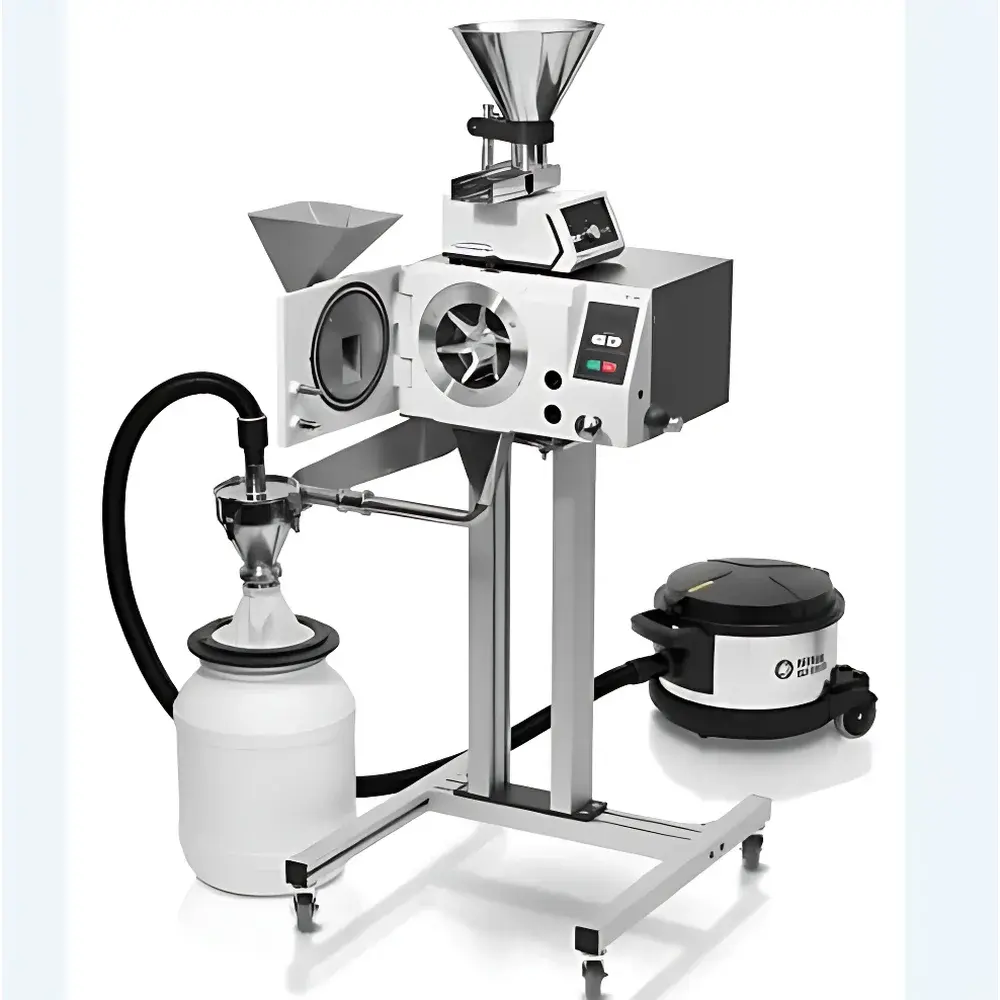
It is designed for batch processing; however, integration with vibratory feeders or loss-in-weight dosing systems enables semi-continuous operation in automated lines.



