
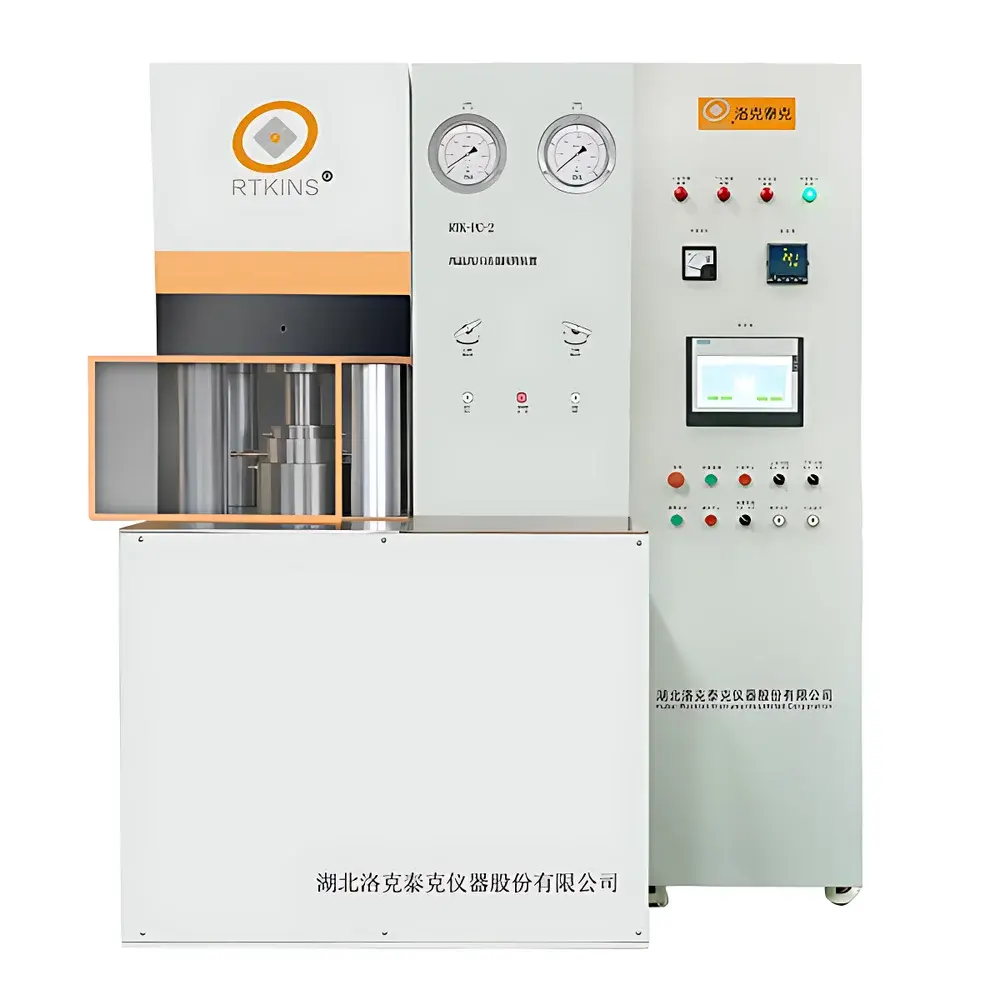
Rocktek RTK-PC-II High-Temperature High-Pressure Piston-Cylinder Apparatus
| Brand | Rocktek |
|---|---|
| Model | RTK-PC-II |
| Origin | Hubei, China |
| Maximum Pressure | 4.5 GPa |
| Pressure Control Accuracy | ±0.03 GPa |
| Temperature Range | Ambient to 1600 °C |
| Temperature Control Accuracy | ±1 °C |
| Sample Diameter | 3–7 mm |
| Drive System | Dual-piston hydraulic actuation via 250 T / 300 T press |
| Control Interface | RTK PC Software with real-time pressure & temperature monitoring |
| Safety Features | Overpressure protection, thermal overload cutoff, chiller interlock |
Overview
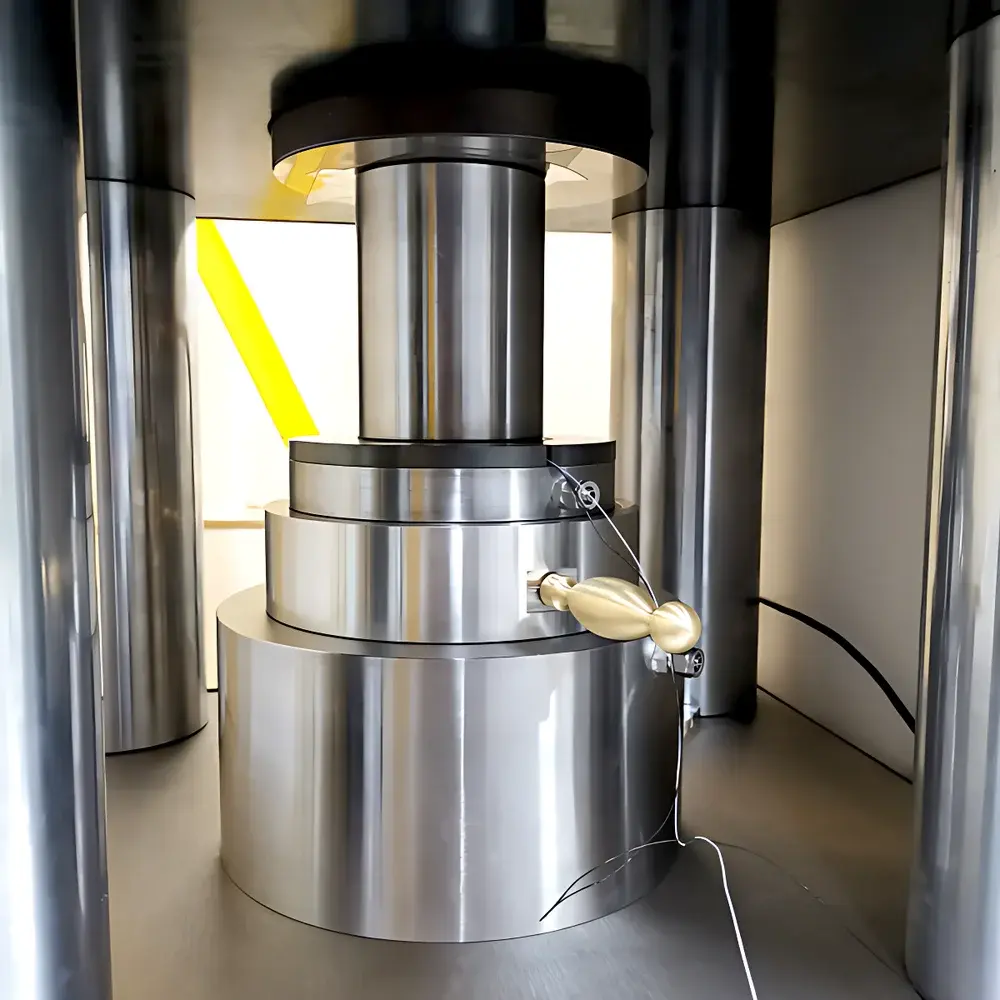
The Rocktek RTK-PC-II High-Temperature High-Pressure Piston-Cylinder Apparatus is a statically loaded, large-volume press system engineered for geophysical, materials science, and solid-state chemistry research under controlled thermobaric conditions. It operates on the principle of uniaxial piston-cylinder compression, where opposing hydraulic pistons generate quasi-hydrostatic pressure within a sealed sample assembly while external resistive or induction heating delivers precise thermal input. Unlike dynamic or shock-compression methods, this apparatus enables sustained, stable pressure–temperature (P–T) conditions—critical for phase transition studies, mineral synthesis, metastable material stabilization, and in situ property measurements. The RTK-PC-II achieves up to 4.5 GPa and 1600 °C simultaneously, with pressure stability maintained over durations ranging from minutes to several months—making it suitable for time-resolved crystallographic, spectroscopic, or electrical transport experiments under extreme conditions.
Key Features
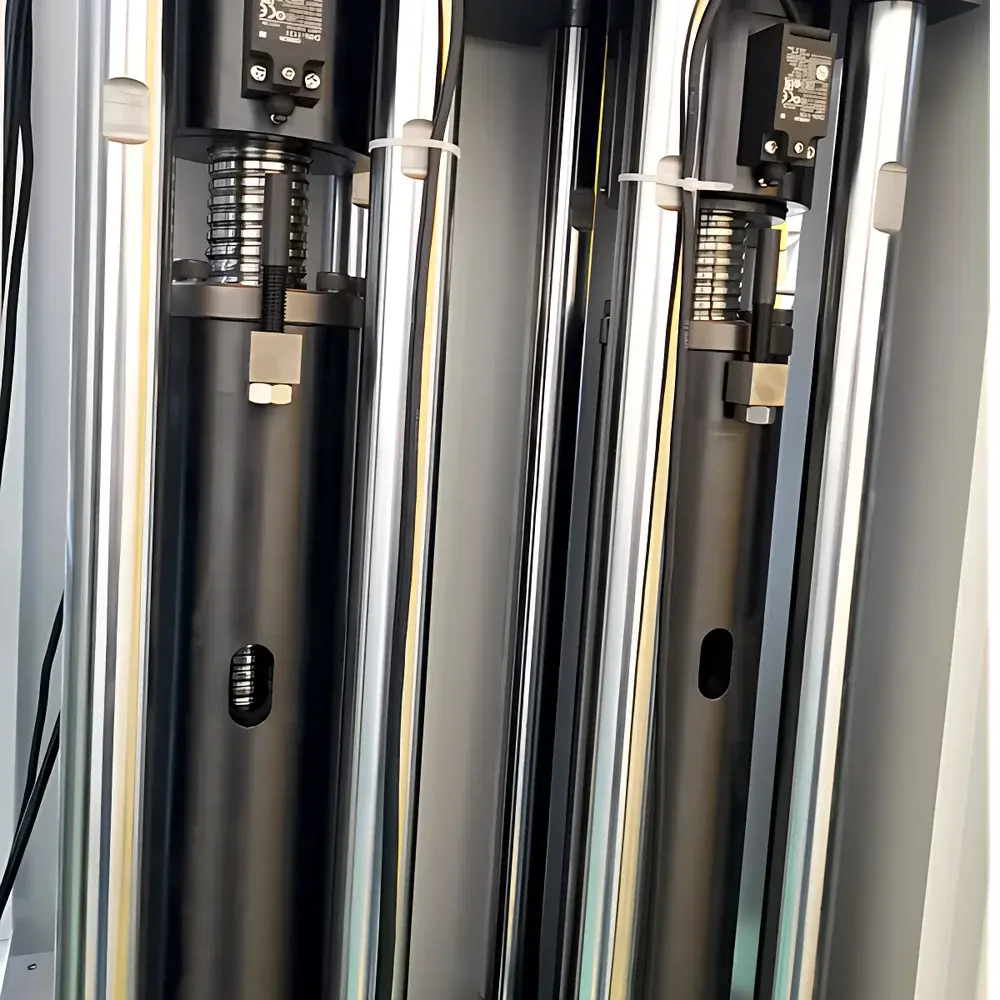
- Dual-piston hydraulic architecture driven by industrial-grade 250 T or 300 T mechanical presses, ensuring structural rigidity and force uniformity across the pressure-transmitting medium.
- Automated pressure and temperature ramping/holding via proprietary RTK PC software, enabling programmable P–T paths with closed-loop feedback control.
- High-precision pressure regulation with ±0.03 GPa accuracy, validated using calibrated strain-gauge or piezoresistive transducers integrated into the load train.
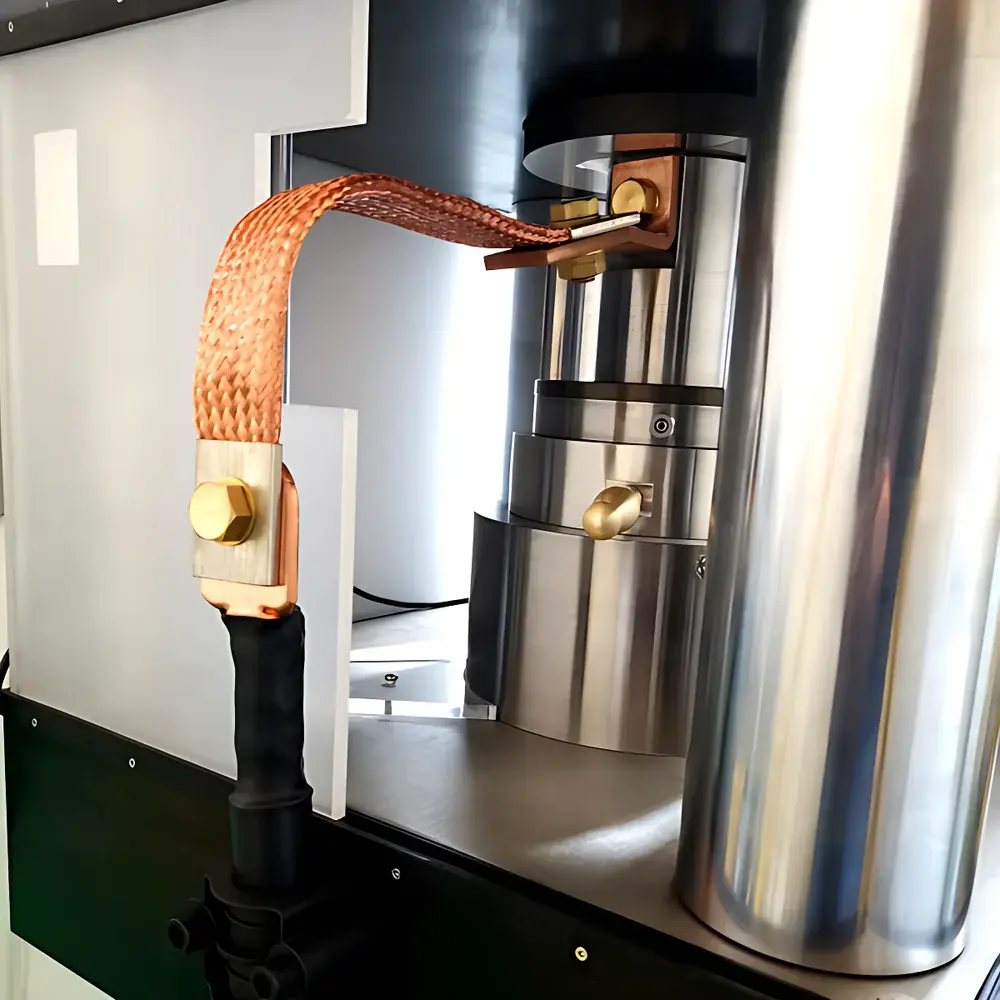
- Thermally optimized furnace design delivering ±1 °C temperature homogeneity across the active sample zone (3–7 mm diameter), compatible with graphite, Mo, or W–Re heater configurations.
- Modular sample assembly interface supporting standard octahedral or cubic pressure media (e.g., NaCl, MgO, borosilicate glass), with interchangeable anvils and gaskets for variable sample geometry.
- Integrated safety subsystems including pressure relief valves, redundant thermal cutoffs, coolant flow monitoring, and oil circuit containment—designed to meet ISO 13849-1 Category 3 functional safety requirements for laboratory hydraulic systems.
Sample Compatibility & Compliance
The RTK-PC-II accommodates solid-state samples—including polycrystalline powders, sintered ceramics, single crystals, and metallic alloys—in diameters from 3 mm to 7 mm. Its modular cavity design supports both conventional resistive-heated assemblies and advanced hybrid configurations incorporating thermocouples (Type C or W5%Re–W26%Re), miniature pressure sensors, or optical windows for synchrotron or laser-based diagnostics. The system complies with ASTM E220 for thermocouple calibration traceability and conforms to general laboratory equipment safety standards per IEC 61010-1. While not certified for pharmaceutical GMP environments, its data logging architecture—including timestamped pressure/temperature records, operator ID tagging, and audit trail export—supports GLP-aligned experimental documentation and regulatory review readiness.
Software & Data Management
The RTK PC software provides a Windows-based human-machine interface (HMI) for real-time acquisition, visualization, and export of pressure and temperature time-series data at user-defined sampling intervals (100 ms to 10 s). All control parameters—including ramp rates, hold durations, and safety thresholds—are configurable and stored with versioned project files. Raw data exports to CSV or HDF5 formats ensure compatibility with MATLAB, Python (NumPy/Pandas), or commercial analysis platforms such as OriginLab or Igor Pro. Optional firmware upgrades support 21 CFR Part 11–compliant electronic signatures and role-based access control when deployed in regulated research settings.
Applications
- Synthesis and characterization of high-pressure polymorphs (e.g., post-perovskite, CaIrO3-type oxides, dense hydrous silicates).
- In situ X-ray diffraction (XRD) and Raman spectroscopy under geologically relevant mantle conditions.
- Electrical resistivity, Seebeck coefficient, and magnetic susceptibility measurements across phase boundaries.
- Calibration of pressure markers (e.g., ruby fluorescence, gold melting curve, Pt resistance) in multi-anvil and piston-cylinder geometries.
- Diffusion kinetics and reaction rate studies in silicate melts, metal–silicon systems, and hydrogen-bearing minerals.
- Development and validation of equation-of-state (EoS) models for planetary interior materials.
FAQ
What pressure media are compatible with the RTK-PC-II?
Standard configurations support NaCl, MgO, and borosilicate glass pressure media; custom assemblies with KCl, CsI, or noble gas media can be implemented with engineering review.
Can the system be integrated with synchrotron beamlines?
Yes—the base frame includes standardized kinematic mounts and vacuum-compatible feedthrough options for integration with bending magnet or insertion device beamlines.
Is remote operation supported?
The RTK PC software supports secure TCP/IP communication; remote desktop access and VNC-based supervision are enabled after local network configuration.
What maintenance intervals are recommended?
Hydraulic oil replacement every 12 months or 2000 operating hours; piston seal inspection every 6 months; annual calibration of pressure and temperature transducers against NIST-traceable references.
Does the system include vacuum capability for inert-atmosphere loading?
Vacuum pre-pumping (<10−2 mbar) is available as an optional add-on module with stainless-steel sample chamber and turbomolecular pumping station.



