
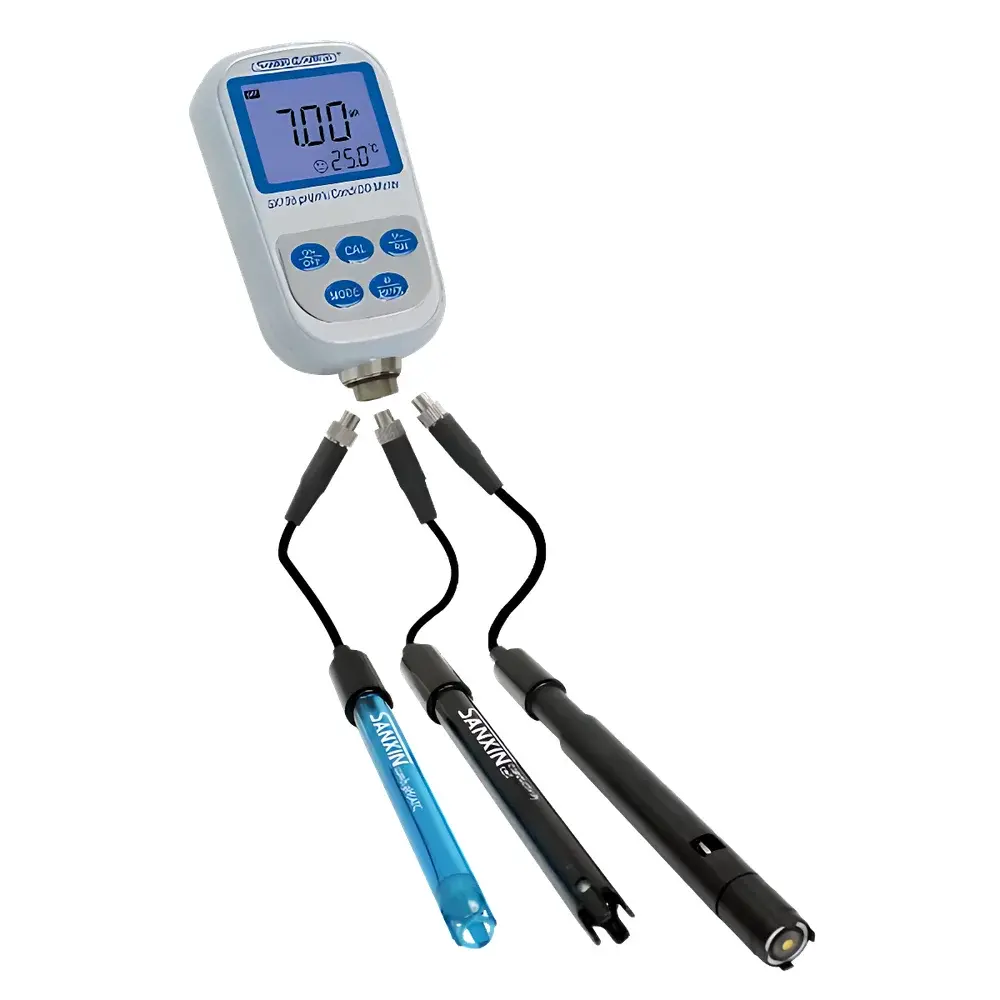
Sanxin SX736 Portable Multi-Parameter Water Quality Analyzer (pH/mV/Conductivity/DO/Temperature)
| Brand | Sanxin |
|---|---|
| Origin | Shanghai, China |
| Manufacturer Type | Direct Manufacturer |
| Instrument Type | Portable / Handheld Water Quality Analyzer |
| Detection Principle | Electrochemical Method |
| Measured Parameters | pH, ORP (mV), Conductivity, TDS, Salinity, Resistivity, Dissolved Oxygen (DO), Temperature |
| Measurement Ranges | pH: (−2.00 to 19.99) pH |
| Conductivity | (0.00–19.99) µS/cm, (20.0–199.9) µS/cm, (200–1999) µS/cm, (2.00–19.99) mS/cm, (20.0–199.9) mS/cm |
| TDS | (0–100) g/L |
| Salinity | (0–100) ppt |
| Resistivity | (0–100) MΩ·cm |
| DO | (0–20.00) mg/L (ppm), (0–200.0)% saturation |
| Accuracy (pH) | ±0.01 pH (meter), ±0.02 pH (system) |
| (Conductivity) | ±1.0% FS (meter), ±1.5% FS (system) |
| (DO) | ±0.10 mg/L (meter), ±0.40 mg/L (system) |
| Temp Compensation | Automatic (0–100 °C for pH |
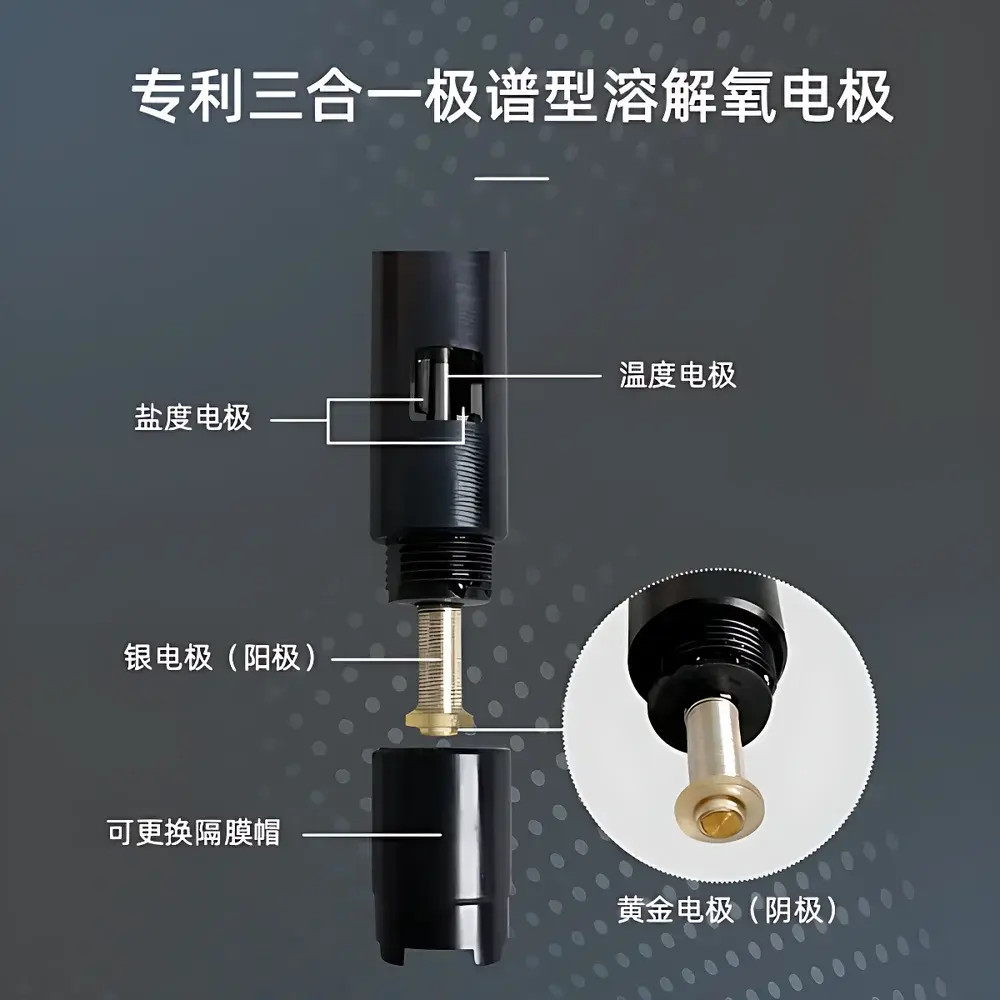
| DO Electrode Type | Polarographic |
| Data Storage | 400 sets with ID, value, unit, and temperature |
| Power | 2 × AA batteries (1.5 V) |
| Dimensions & Weight | Meter: 65 × 120 × 31 mm / 180 g |
| Carrying Case | 360 × 270 × 76 mm / 1.6 kg |
| IP Rating | IP57 |
| Certifications | ISO 9001:2015, CE, RoHS, CMC |
Overview
The Sanxin SX736 Portable Multi-Parameter Water Quality Analyzer is an integrated electrochemical field instrument engineered for simultaneous, high-fidelity measurement of pH, oxidation-reduction potential (ORP), conductivity, total dissolved solids (TDS), salinity, resistivity, dissolved oxygen (DO), and temperature in aqueous environments. Its core architecture leverages potentiometric (pH/ORP), conductimetric (conductivity/TDS/salinity/resistivity), and polarographic (DO) sensing principles—each optimized for stability, low drift, and minimal calibration dependency under variable field conditions. Designed explicitly for environmental monitoring, industrial process verification, and municipal water quality assessment, the SX736 meets the operational demands of mobile laboratories, wastewater treatment plants, aquaculture facilities, and regulatory field teams requiring traceable, repeatable data across diverse sample matrices—from freshwater streams to brackish estuaries and high-purity boiler feedwater.
Key Features
- Automatic electrode recognition upon insertion—eliminates manual parameter selection and reduces operator error.
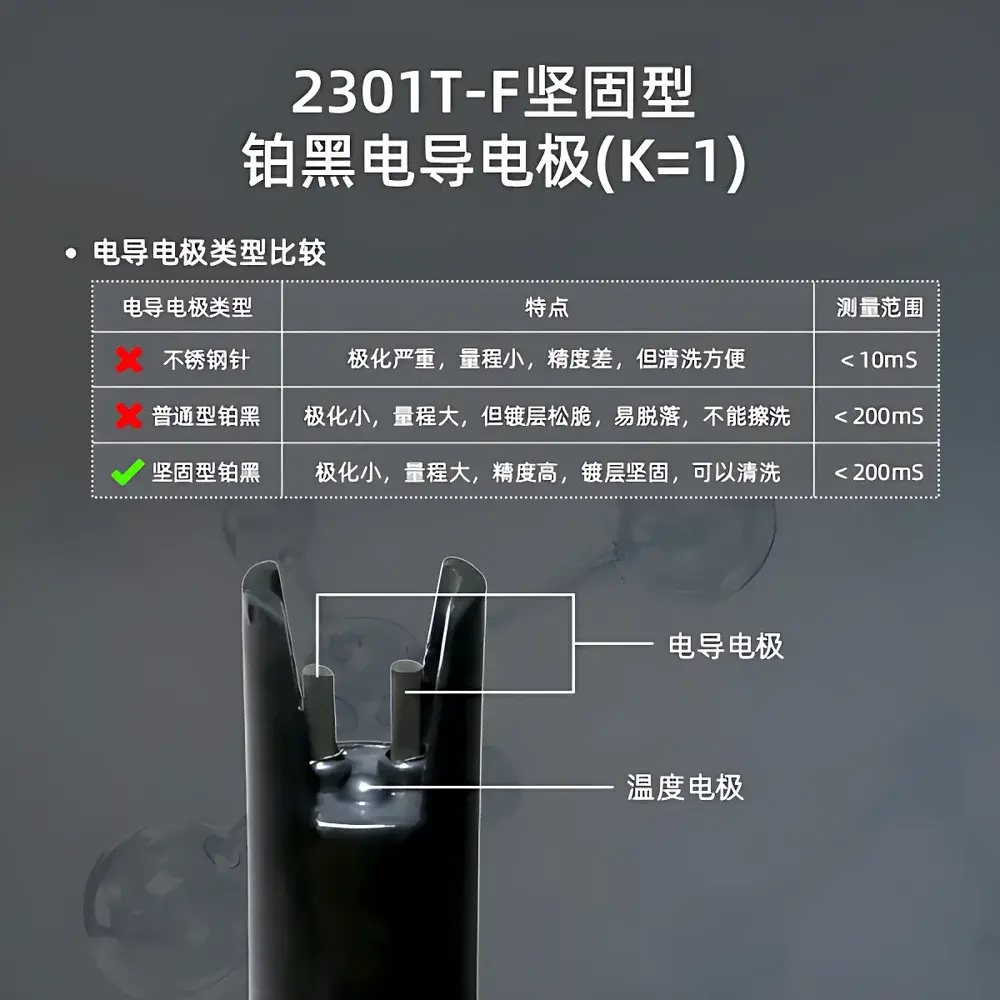
- Intelligent auto-calibration routines: 1–3 point pH calibration with automatic identification of 13 standardized buffer solutions (NIST, USA/EU, and GB series); single-point conductivity calibration with adaptive frequency/voltage modulation enabling full-range accuracy (0–200 mS/cm) using a K=1 cell.
- Polarographic DO sensor with patented triple-composite membrane design; achieves polarization in 3–5 minutes and supports zero-oxygen, air-saturated, and saline-saturated calibration protocols.
- Dual-compensation algorithms: non-linear temperature compensation for ultrapure water conductivity (<10 µS/cm); concurrent automatic temperature and salinity compensation for DO; manual barometric pressure adjustment (66–200 kPa).
- Embedded microprocessor with digital filtering and sliding-average algorithms—suppresses noise without sacrificing response time (DO t90 ≤ 30 s at 25 °C); stability indicator (smiley icon) confirms measurement equilibrium.
- IP57-rated enclosure with ruggedized housing and shock-absorbing carrying case (including all electrodes, standards, membranes, electrolyte, and tools)—validated for continuous operation in humid, dusty, or rain-exposed environments.
Sample Compatibility & Compliance
The SX736 accommodates liquid samples ranging from deionized water (resistivity up to 100 MΩ·cm) to hypersaline solutions (100 ppt), including wastewater effluents, surface water, groundwater, cooling tower fluids, and aquaculture ponds. All electrochemical sensors comply with ASTM D1125 (pH), ASTM D5391 (conductivity), and ASTM D888 (dissolved oxygen) methodologies. The instrument’s firmware enforces GLP-aligned data integrity: each stored record includes timestamp, measurement ID, parameter, unit, temperature, and electrode type. While not FDA 21 CFR Part 11 certified out-of-box, audit trails (via exported CSV files) support GMP/GLP documentation workflows when paired with controlled access procedures and version-locked firmware.
Software & Data Management
Data are stored locally in non-volatile memory—400 measurement records retain full metadata (ID, value, unit, temperature, date/time). Export is supported via USB-to-PC transfer (no proprietary software required); files conform to UTF-8 encoded CSV format compatible with LIMS, Excel, and statistical analysis platforms. The device implements automatic power-off (after 10 min idle) and low-battery warning—ensuring uninterrupted field sessions. Calibration logs—including date, standard used, slope, offset, and electrode impedance—are embedded within each dataset for traceability.
Applications
- Regulatory field surveys: EPA Method 150.1 (pH), 120.1 (conductivity), and 360.1 (DO) compliance verification.
- Industrial pretreatment monitoring: real-time tracking of pH excursions in acid mine drainage or alkaline scrubber effluents.
- Power generation: high-purity water resistivity validation per ASTM D4582 and IAPWS guidelines.
- Aquaculture management: DO saturation mapping across pond zones to prevent hypoxia-induced mortality.
- Environmental impact assessments: multi-parameter profiling of tidal marshes, where salinity gradients necessitate simultaneous DO and conductivity correction.
- Educational laboratories: robust platform for teaching electrochemical sensor theory, Nernst equation applications, and calibration uncertainty propagation.
FAQ
Does the SX736 support GLP-compliant data recording?
Yes—each measurement stores timestamp, parameter, unit, temperature, and electrode ID. Exported CSV files maintain full auditability for internal QA reviews.
Can the DO electrode be used in seawater without recalibration?
Yes—the built-in salinity sensor enables automatic compensation up to 45 ppt; however, full-scale calibration against air-saturated seawater is recommended before critical deployments.
What is the minimum conductivity measurable in high-purity water?
The instrument resolves down to 0.01 µS/cm with adaptive non-linear temperature compensation, meeting ASTM D4582 requirements for ultrapure water systems.
Is the pH electrode suitable for low-ionic-strength samples?
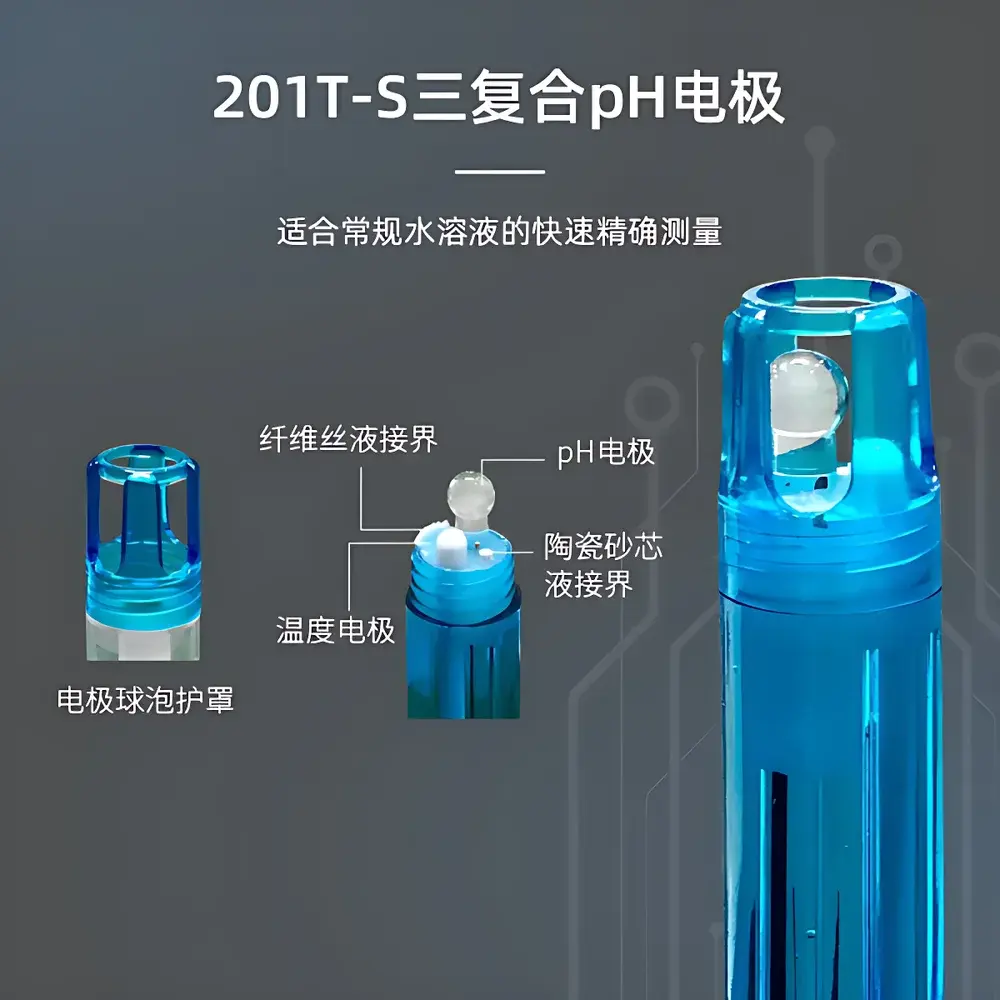
The 201T-S electrode features lithium glass membrane and integrated ATC, delivering stable response in samples as low as 10 µS/cm conductivity.
How often must the DO membrane be replaced?
Under routine use (≤2 hrs/day), the DO503 membrane cap should be renewed every 2–3 months; spare caps and electrolyte are included in the standard kit.
Related Products







