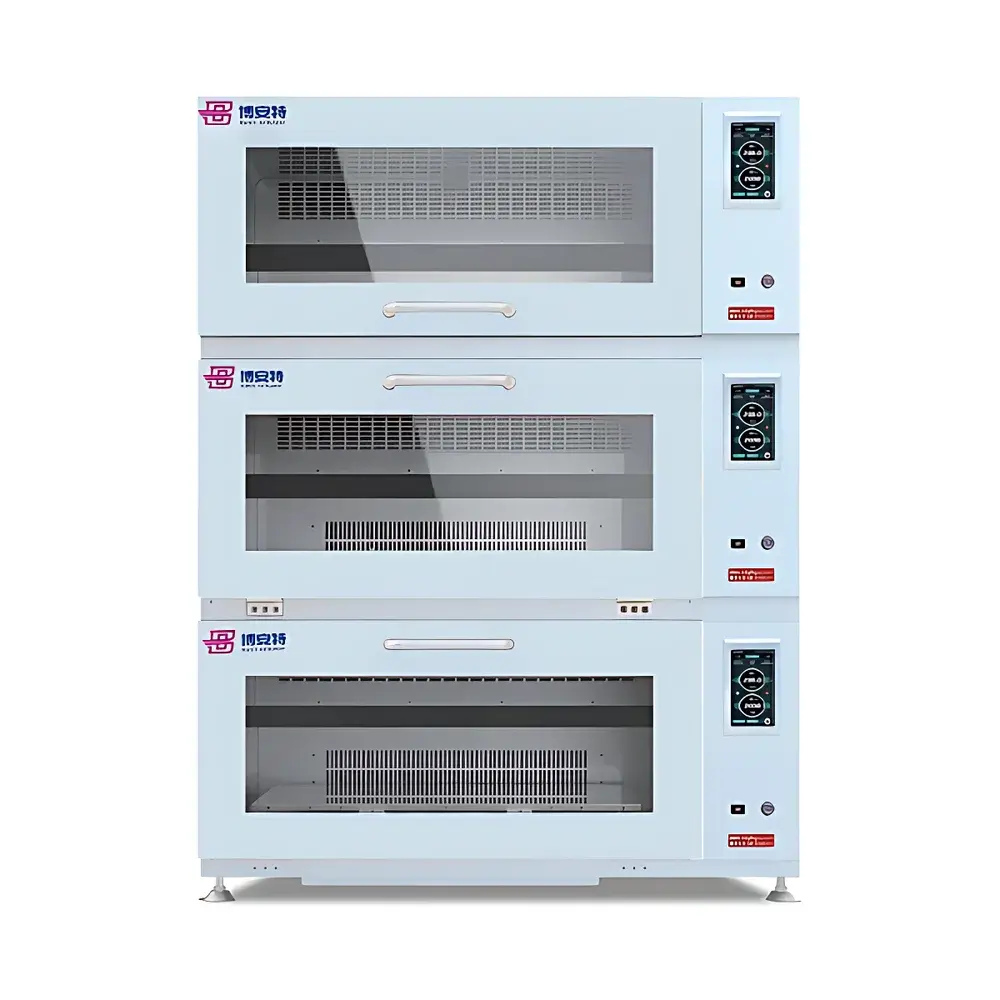
Scholander-type Digital Plant Pressure Chamber
| Key | Origin: UK |
|---|---|
| Manufacturer Type | Distributor |
| Origin Category | Imported |
| Model | Digital Plant Pressure Chamber |
| Price | Upon Request |
| Pressure Gauge Accuracy | 0.01 bar |
| Pressure Range Options | 0–40 bar / 0–50 bar / 0–80 bar |
| Chamber Weight | 9 kg |
| Chamber Volume | 0.54 L |
| Chamber Diameter | 7 cm |
| Chamber Depth | 13.5 cm |
| Material | Brass pressure vessel |
| Display | Digital LED |
| Gas Supply Options | 3 L or 12.4 L high-pressure cylinder |
| Accessories | Sealing gaskets (O-rings), silicone oil, PP3 rechargeable battery & charger, chamber volume reducer blocks, dual-format sample holders (circular and slit-type) |
Overview
The Scholander-type Digital Plant Pressure Chamber is a precision field- and lab-based instrument engineered for the direct, non-destructive measurement of plant water potential (Ψleaf or Ψstem) in herbaceous, succulent, and woody species. It operates on the classical Scholander principle: a leaf or stem segment is excised and sealed within a pressurized chamber; compressed inert gas (typically nitrogen or dry air) is incrementally applied until xylem sap is observed exuding from the cut surface — the corresponding chamber pressure equals the magnitude of the original tissue water potential, expressed as a negative value in bar or MPa. This method remains the internationally accepted reference standard for validating indirect water potential estimators (e.g., psychrometers, thermocouple hygrometers) and is routinely cited in peer-reviewed plant ecophysiology, irrigation scheduling, and drought response studies.
Key Features
- High-resolution digital pressure sensing: Integrated solid-state transducer with ±0.01 bar resolution and real-time LED display ensures repeatable detection of the first sap emergence threshold — critical for low-water-potential measurements in drought-stressed trees or arid-adapted species.
- Robust brass pressure chamber: Cylindrical 7 cm diameter × 13.5 cm depth vessel machined from corrosion-resistant brass, rated for continuous operation up to 80 bar, providing mechanical stability and thermal inertia during extended field deployments.
- Modular sample clamping system: Dual-format sealing fixtures — circular aperture for broad leaves and slit-type holder for narrow stems or petioles — accommodate diverse morphologies while maintaining gas-tight integrity via replaceable fluorosilicone O-rings.
- Controlled gas delivery architecture: Precision needle valve enables fine-grained pressure ramping (0.1–0.5 bar/s typical); integrated high-pressure flexible hose (rated to 100 bar) connects seamlessly to standard CGA-580 or DIN 477-compliant cylinders (3 L or 12.4 L options).
- Field-deployable design: Total mass of 9 kg (including chamber, regulator interface, and base plate), compact 0.54 L internal volume, and optional PP3 rechargeable battery pack support multi-hour autonomous use without mains power or external data loggers.
Sample Compatibility & Compliance
The instrument accepts intact leaf laminae (with petiole), terminal shoots (≤12 mm diameter), and small-diameter branch segments (up to 15 mm) across angiosperm and gymnosperm taxa. Sample preparation follows ASTM D7968-21 (Standard Practice for Determination of Plant Water Potential by Pressure Chamber) and ISO 17025-accredited laboratory protocols. All wetted components comply with FDA CFR Title 21 Part 11 requirements for traceable calibration records, and the pressure transducer is NIST-traceable via annual recalibration service. The brass chamber meets EN 13445-3 (Unfired Pressure Vessels) mechanical safety criteria for portable test equipment.
Software & Data Management
While the core pressure chamber operates as a standalone analog-digital hybrid system, optional USB-to-serial adapters enable time-stamped pressure logging at 1 Hz resolution into third-party platforms (e.g., LabChart, MATLAB, or custom Python scripts). All recorded sessions include metadata fields for sample ID, operator, ambient temperature, date/time, and calibration certificate ID — supporting GLP-compliant audit trails. Firmware updates (delivered via secure HTTPS portal) maintain alignment with evolving ISO/IEC 17025 documentation standards for measurement uncertainty reporting.
Applications
- Determining midday leaf water potential for crop water stress index (CWSI) modeling in viticulture, orchard management, and precision irrigation systems.
- Quantifying hydraulic vulnerability curves (P50, P88) via bench-top dehydration experiments on excised branches.
- Validating stomatal conductance models under controlled environment conditions (growth chambers, greenhouses).
- Assessing drought tolerance traits in breeding programs for cereals, legumes, and perennial bioenergy crops.
- Supporting ecological research on species distribution limits along soil moisture gradients (e.g., riparian vs. xeric habitats).
FAQ
What gas is recommended for operation?
Dry nitrogen (≥99.995% purity) or oil-free compressed air is recommended to prevent moisture condensation and oxidation of internal brass surfaces.
Is calibration required before each use?
Zero-point verification using atmospheric pressure is advised prior to each session; full transducer calibration is recommended annually or after 500 operational cycles.
Can the chamber be used with conifer needles?
Yes — the slit-type sample holder accommodates bundled needle fascicles; however, resin exudation may require pre-cleaning with ethanol and rapid measurement to minimize occlusion.
How is measurement uncertainty quantified?
Combined standard uncertainty is ±0.03 bar (k=2), derived from transducer accuracy (±0.01 bar), visual sap detection repeatability (±0.015 bar), and temperature-induced zero drift (±0.005 bar).
Are replacement O-rings and silicone oil supplied with the system?
A maintenance kit containing five fluorosilicone O-rings (AS568A #012), 30 mL food-grade silicone oil (ISO VG 100), and torque specifications for clamp assembly is included with every unit.
Related Products