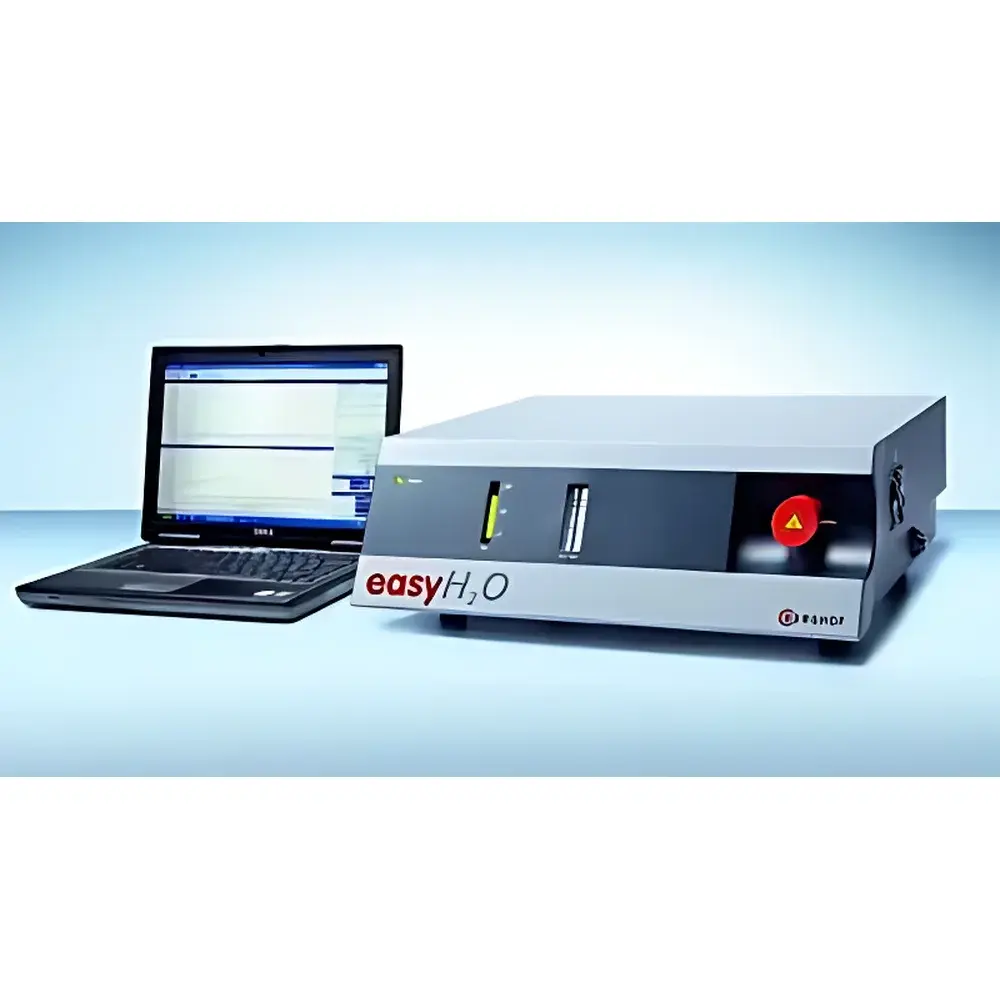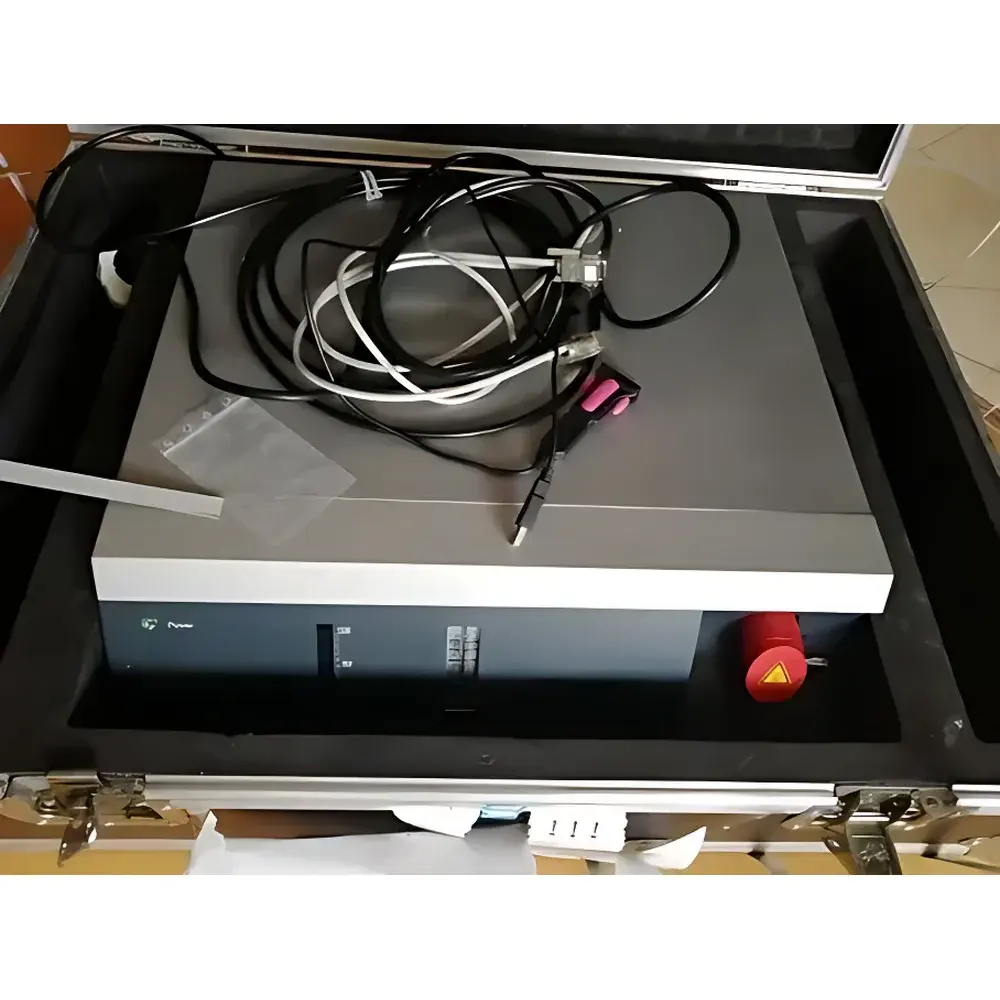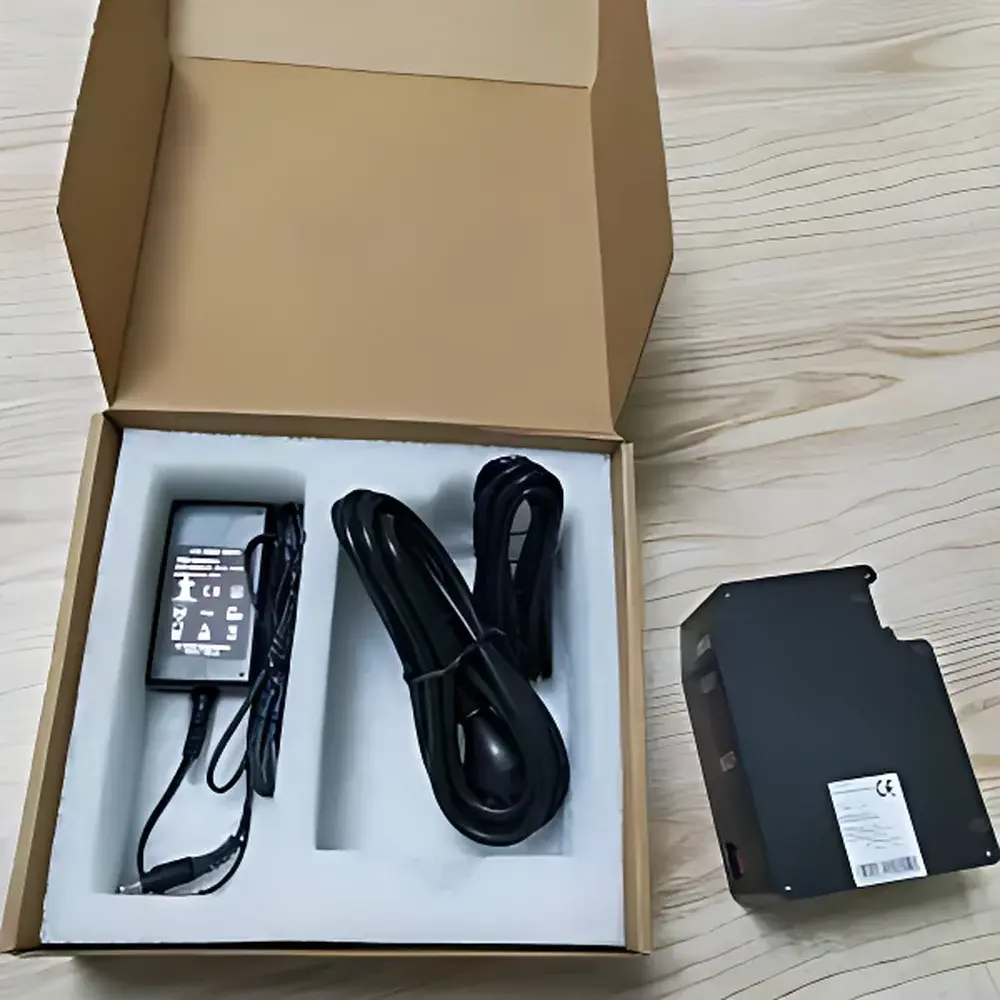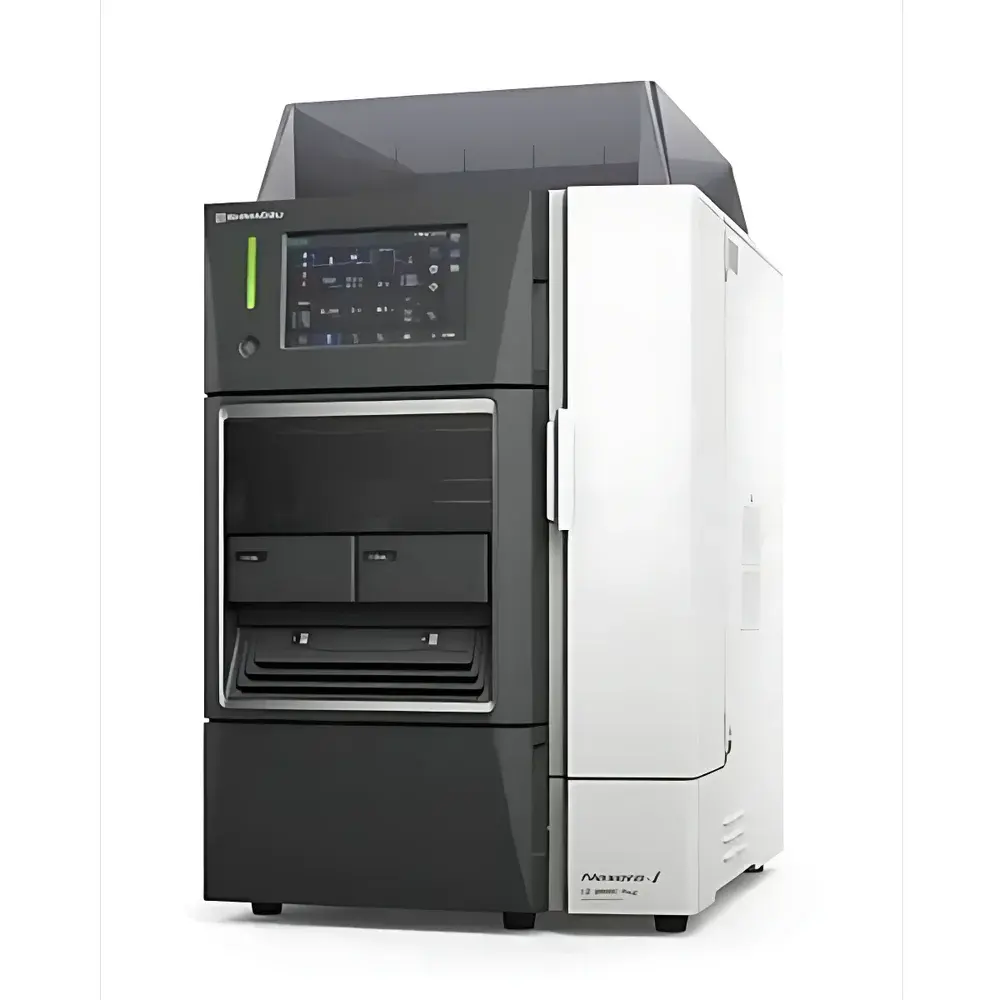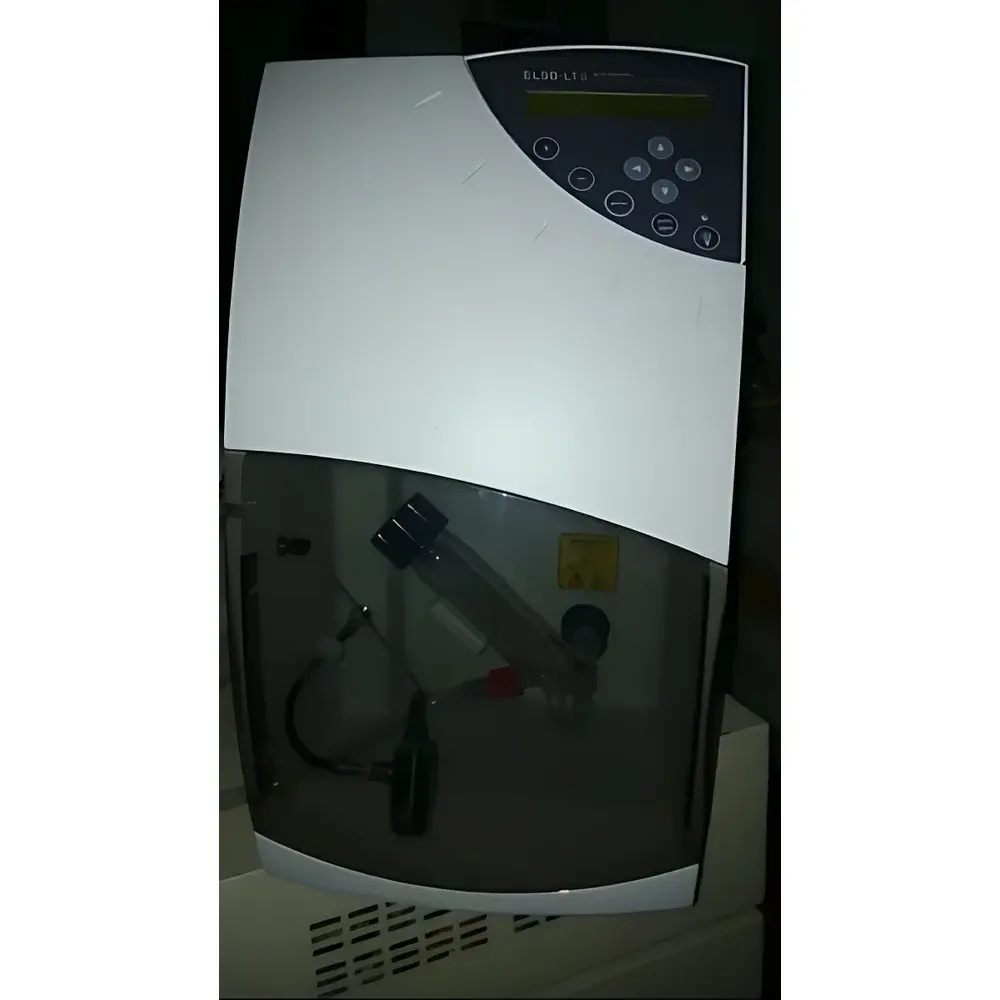
Shimadzu L-3530 Used Low-Temperature Evaporative Light Scattering Detector (ELSD)
| Brand | Shimadzu |
|---|---|
| Origin | Japan |
| Model | L-3530 |
| Detection Principle | Evaporative Light Scattering |
| Light Source | High-Efficiency LED (470 nm) |
| Detector | High-Sensitivity Photomultiplier Tube (PMT) |
| Evaporation Temperature Range | Ambient to 100 °C (1 °C increments) |
| Flow Rate Compatibility | 0.1–2.5 mL/min (standard) |
| Nebulizing Gas | Nitrogen or compressed air (≥5 L/min, 2–4.5 bar) |
| Gas Consumption | <3.0 L/min |
| Baseline Noise | <1×10⁻³ AU/hr (aqueous) / <3×10⁻³ AU/hr (non-aqueous) |
| Detection Limit | <5 ng (caffeine) |
| Quantitation Range | 0.5–5 µg |
| Dimensions | 550 × 250 × 480 mm (D×W×H) |
| Power Supply | 115 V AC, 60 Hz, 1.8 A or 230 V AC, 50 Hz, 1.7 A |
| Age | 3–4 years |
| Warranty | 2 years |
| Category | Spectroscopic Detector for HPLC Systems |
Overview
The Shimadzu L-3530 is a low-temperature evaporative light scattering detector (ELSD) engineered for integration with high-performance liquid chromatography (HPLC) systems in regulated and research laboratories. Unlike UV-Vis or fluorescence detectors, the L-3530 operates on a universal, mass-sensitive detection principle: analytes are nebulized into fine droplets, solvent is evaporated under controlled thermal conditions, and residual non-volatile particles scatter light from a stable 470 nm LED source. The scattered light intensity—measured by a high-gain photomultiplier tube—is proportional to the mass of eluted analyte, independent of chromophore presence, ionization efficiency, or redox activity. This makes the L-3530 particularly valuable for detecting carbohydrates, lipids, surfactants, polymers, natural products, and other compounds lacking strong UV absorption or electrochemical response. Its low-temperature evaporation capability (ambient to 100 °C, adjustable in 1 °C steps) preserves thermally labile molecules and improves reproducibility for semi-volatile analytes.
Key Features
- Mass-sensitive detection mechanism compatible with gradient elution and volatile mobile phases (e.g., acetonitrile, methanol, ammonium acetate buffers)
- Stable, long-life 470 nm high-efficiency LED light source with minimal thermal drift and no warm-up delay
- High-sensitivity photomultiplier tube optimized for low-noise signal acquisition and wide dynamic range
- Precise temperature control (±0.5 °C accuracy) across the full evaporation range (room temperature to 100 °C), enabling method transfer and robustness validation
- Low baseline noise: <1×10⁻³ AU/hr in aqueous mobile phases; <3×10⁻³ AU/hr in organic-rich solvents
- Validated detection limit of <5 ng (caffeine, under standard HPLC-ELSD conditions), supporting trace-level quantitation
- Gas-efficient design consuming <3.0 L/min of nebulizing gas (N₂ or clean, oil-free air at 2–4.5 bar)
- Compact footprint (550 × 250 × 480 mm) suitable for benchtop HPLC configurations and modular LC platforms
Sample Compatibility & Compliance
The L-3530 supports broad sample compatibility—including neutral, non-ionizable, and highly polar compounds—without derivatization. It is routinely applied in QC testing of excipients (e.g., lactose, mannitol), lipid profiling in pharmaceutical formulations, quantification of glycosylated biologics, and analysis of natural product extracts. The detector complies with fundamental requirements for analytical instrument qualification per ICH Q2(R2) guidelines. When deployed within validated HPLC workflows, it supports data integrity practices aligned with FDA 21 CFR Part 11 (when paired with compliant CDS software), ISO/IEC 17025, and GLP/GMP documentation standards. Its mechanical and electronic architecture permits integration into audit-trail-enabled chromatography data systems (CDS) for full traceability of acquisition parameters, calibration logs, and raw signal files.
Software & Data Management
The L-3530 communicates via standard analog output (0–1 V or 0–10 V) and RS-232 interface, ensuring seamless interoperability with major third-party chromatography data systems (e.g., Waters Empower, Thermo Chromeleon, Agilent OpenLab CDS). No proprietary driver is required for basic signal acquisition. For method development and system suitability assessment, users can configure evaporation temperature, gain, and filter time constants directly via front-panel controls or remote command sets. Raw ELSD response data retains linear-logarithmic behavior over three orders of magnitude, enabling reliable external standard calibration curves. All operational settings are logged alongside chromatographic runs when connected to a compliant CDS, fulfilling ALCOA+ (Attributable, Legible, Contemporaneous, Original, Accurate, Complete, Consistent, Enduring, Available) data governance expectations.
Applications
- Quantitative analysis of non-UV-absorbing pharmaceutical excipients and APIs (e.g., polysaccharides, fatty acids, phospholipids)
- Stability-indicating assays for degradation products lacking chromophores
- Method development for HILIC and normal-phase LC separations where UV detection fails
- Quality control of herbal extracts, essential oils, and nutraceuticals containing terpenes and glycosides
- Supporting orthogonal detection strategies in multi-detector LC systems (e.g., ELSD + CAD + MS)
- Academic and industrial research requiring universal, semi-quantitative detection without compound-specific optimization
FAQ
Is the L-3530 compatible with UHPLC systems?
Yes—provided flow rates are maintained within the specified 0.1–2.5 mL/min range using appropriate post-column flow splitting or low-flow nebulizer options.
Does this unit include original Shimadzu documentation and calibration records?
All units undergo functional verification prior to shipment; full service history, factory calibration certificates (where available), and operation manuals are provided digitally upon request.
Can the L-3530 be used with corrosive mobile phases such as TFA or HFBA?
Nebulizer and drift tube materials are stainless steel and PTFE-lined; short-term exposure to ≤0.1% TFA is acceptable, but prolonged use requires careful maintenance and periodic inspection.
What is the expected lifetime of the LED and PMT under routine operation?
The 470 nm LED is rated for >20,000 hours; the PMT maintains stable gain over ≥5 years with typical usage and proper voltage regulation.
Is technical support available after purchase?
Yes—comprehensive post-sale support includes remote troubleshooting, application consultation, and access to certified field service engineers for on-site maintenance under the included 2-year warranty.