
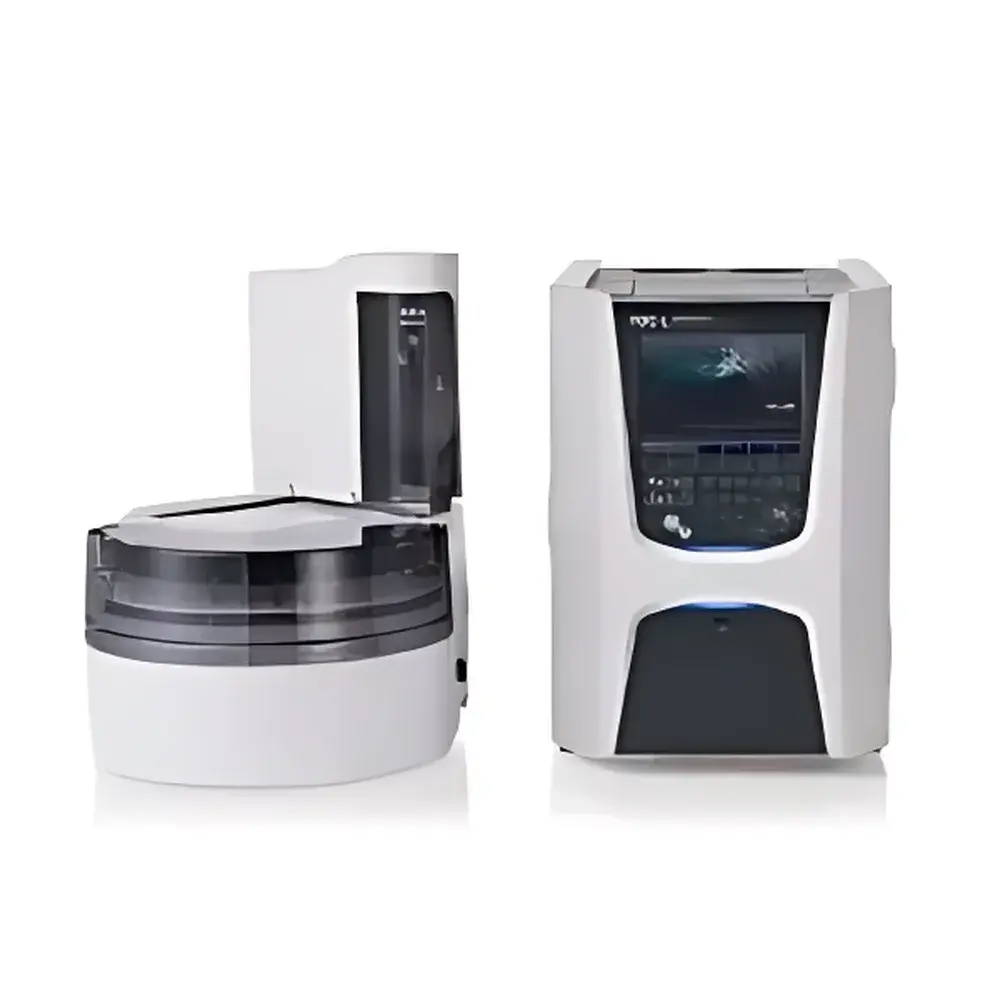
Shimadzu TOC-L Series Total Organic Carbon Analyzer
| Brand | Shimadzu |
|---|---|
| Origin | Japan |
| Manufacturer Status | Authorized Distributor |
| Product Origin | Imported |
| Model | TOC-L |
| Price Range | USD 13,500 – 27,000 (FOB Japan) |
| Instrument Type | Laboratory TOC Analyzer |
| Detection Principle | High-Temperature Catalytic Combustion Oxidation |
| Oxidation Temperature | 680 °C |
| Measurement Range | 4 µg/L to 30,000 mg/L as C |
| Detection Method | NDIR (Non-Dispersive Infrared) |
| Sample Types | Liquid aqueous matrices including ultrapure water, wastewater, seawater, and industrial process water |
| Compliance | Designed to meet ASTM D7573, ISO 8245, USP <643>, and EP 2.2.44 requirements |
Overview
The Shimadzu TOC-L Series Total Organic Carbon Analyzer is a laboratory-grade instrument engineered for precise, reproducible quantification of total organic carbon in aqueous samples using high-temperature catalytic combustion oxidation at 680 °C. This method thermally decomposes all organic carbon species—including non-volatile, particulate, and refractory compounds—into carbon dioxide, which is then selectively detected via a high-stability non-dispersive infrared (NDIR) detector. Unlike UV/persulfate or wet chemical oxidation techniques, the 680 °C catalytic combustion approach delivers superior oxidation efficiency (>99% for most organics), enabling reliable TOC measurement across an exceptionally broad dynamic range: from ultra-trace levels (4 µg/L) in pharmaceutical-grade water to highly concentrated industrial effluents (up to 30,000 mg/L). The system’s robust architecture ensures long-term stability in regulated environments, supporting routine compliance testing under GLP, GMP, and ISO/IEC 17025 quality management frameworks.
Key Features
- High-efficiency 680 °C catalytic combustion oxidation with Pt-based catalyst, delivering complete mineralization of dissolved, suspended, and colloidal organic carbon
- Ultra-wide linear dynamic range (4 µg/L–30,000 mg/L C) without manual dilution or range switching
- Integrated NDIR detection module with temperature- and pressure-compensated signal processing for enhanced baseline stability and low-drift performance
- High-resolution color LCD touchscreen interface (800 × 480 pixels) with intuitive navigation, real-time chromatogram display, and on-screen method editing
- Flexible data output: direct USB printing support (no thermal printer required), USB flash drive data export (CSV, PDF, XML), and optional Ethernet connectivity for LIMS integration
- Energy-optimized design: standby power consumption reduced by 36% vs. prior generation; footprint minimized via vertical TN (total nitrogen) module integration, reducing overall width by ~260 mm
Sample Compatibility & Compliance
The TOC-L series accommodates diverse aqueous matrices without modification: ultrapure water (UPW), drinking water, surface water, municipal and industrial wastewater, seawater (with optional salt-tolerant configuration), and pharmaceutical process streams. Optional accessories include a high-salinity sampling kit with corrosion-resistant flow path components, a micro-volume injection module (10–100 µL), and an automatic reagent-free acidification unit for IC/TOC dual-mode operation. The analyzer is validated for conformance with key international standards, including ASTM D7573 (standard test method for TOC in water by high temperature combustion), ISO 8245 (water quality — determination of organic carbon), United States Pharmacopeia (Total Organic Carbon), and European Pharmacopoeia 2.2.44. Its audit trail functionality, user access control, and electronic signature support align with FDA 21 CFR Part 11 requirements for regulated laboratories.
Software & Data Management
The TOC-L operates with Shimadzu’s TOC-L Series Control Software (v3.x), a Windows-based application providing full instrument control, method development, calibration curve management, and report generation. All analytical events—including method execution, calibration, maintenance alerts, and user logins—are recorded in a secure, tamper-evident audit trail with time/date stamping and operator ID linkage. Data files are stored in structured formats compatible with laboratory information management systems (LIMS) and electronic lab notebooks (ELN). Raw chromatograms, peak integration parameters, and QC metrics (e.g., system suitability, %RSD, recovery) are embedded within exported reports, facilitating traceability during regulatory inspections.
Applications
- Pharmaceutical manufacturing: UPW monitoring per USP , cleaning validation, bioburden risk assessment
- Environmental laboratories: EPA-compliant wastewater TOC reporting, source water characterization, landfill leachate analysis
- Power generation: boiler feedwater and condensate purity verification
- Microelectronics: semiconductor rinse water certification
- Academic and research institutions: carbon cycling studies, biodegradability assays, and oxidation kinetics investigations
FAQ
What oxidation method does the TOC-L use, and why is it preferred for regulatory applications?
It employs high-temperature (680 °C) catalytic combustion oxidation, which achieves near-complete carbon recovery across diverse compound classes—critical for meeting pharmacopeial and environmental compliance mandates.
Can the TOC-L analyze seawater or brine samples without clogging or catalyst poisoning?
Yes—when equipped with the optional high-salinity sampling kit, the system maintains stable performance in NaCl concentrations up to 3.5% (seawater-equivalent) through optimized flow-path materials and automated catalyst regeneration protocols.
Is the instrument compliant with FDA 21 CFR Part 11 for electronic records and signatures?
The TOC-L Control Software supports Part 11 compliance when deployed with appropriate IT infrastructure, including role-based access control, electronic signatures, and immutable audit trails.
How is calibration verified and documented?
Calibration is performed using certified potassium hydrogen phthalate (KHP) standards; results are automatically logged with pass/fail criteria based on user-defined acceptance limits (e.g., ±5% recovery, R² ≥ 0.999).
What maintenance intervals are recommended for routine operation?
Catalyst replacement is typically required every 12–18 months under normal usage; NDIR detector zero calibration is performed daily or per run sequence, and system suitability tests are executed before each analytical batch.







