Snout-Only Inhalation Exposure System by TSE Systems
| Brand | TSE Systems |
|---|---|
| Origin | Germany |
| Model | Snout-Only Units |
| Construction | Stainless Steel with Chemically Resistant Seals |
| Animal Compatibility | Dogs and Larger Non-Rodent Species |
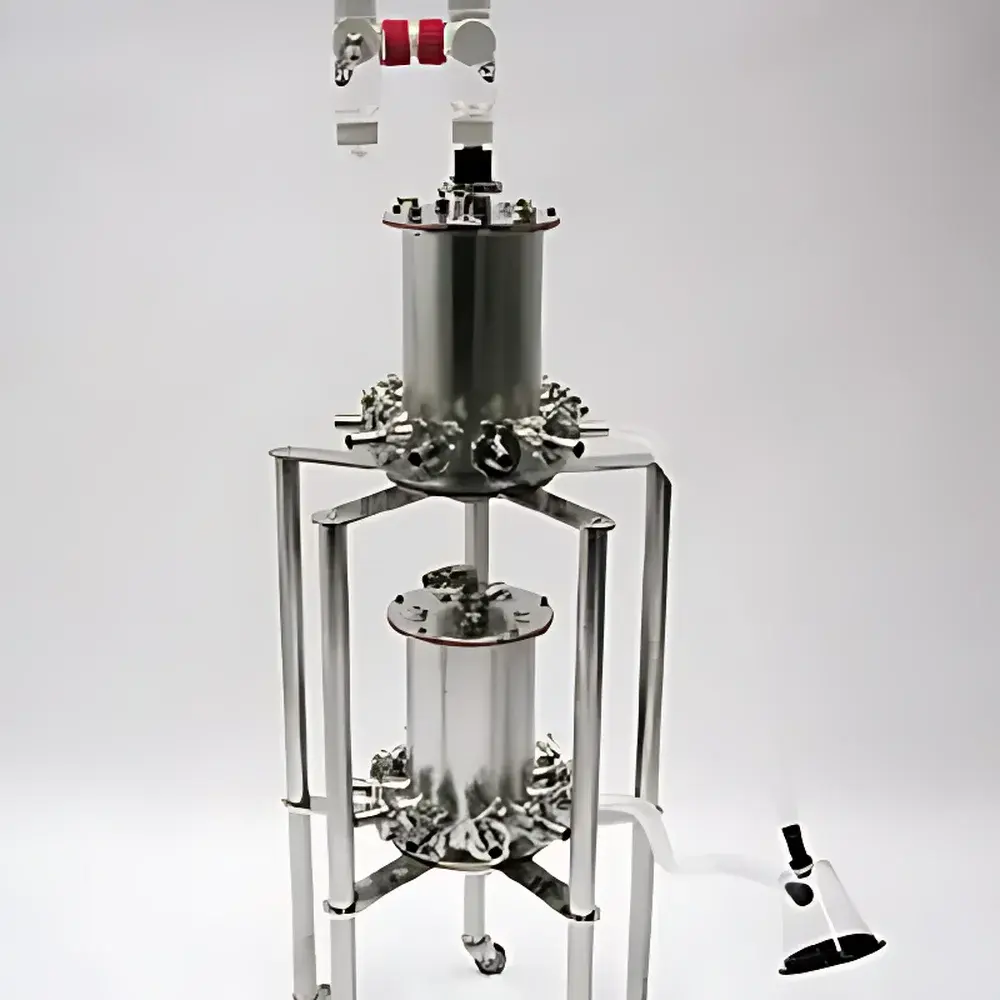
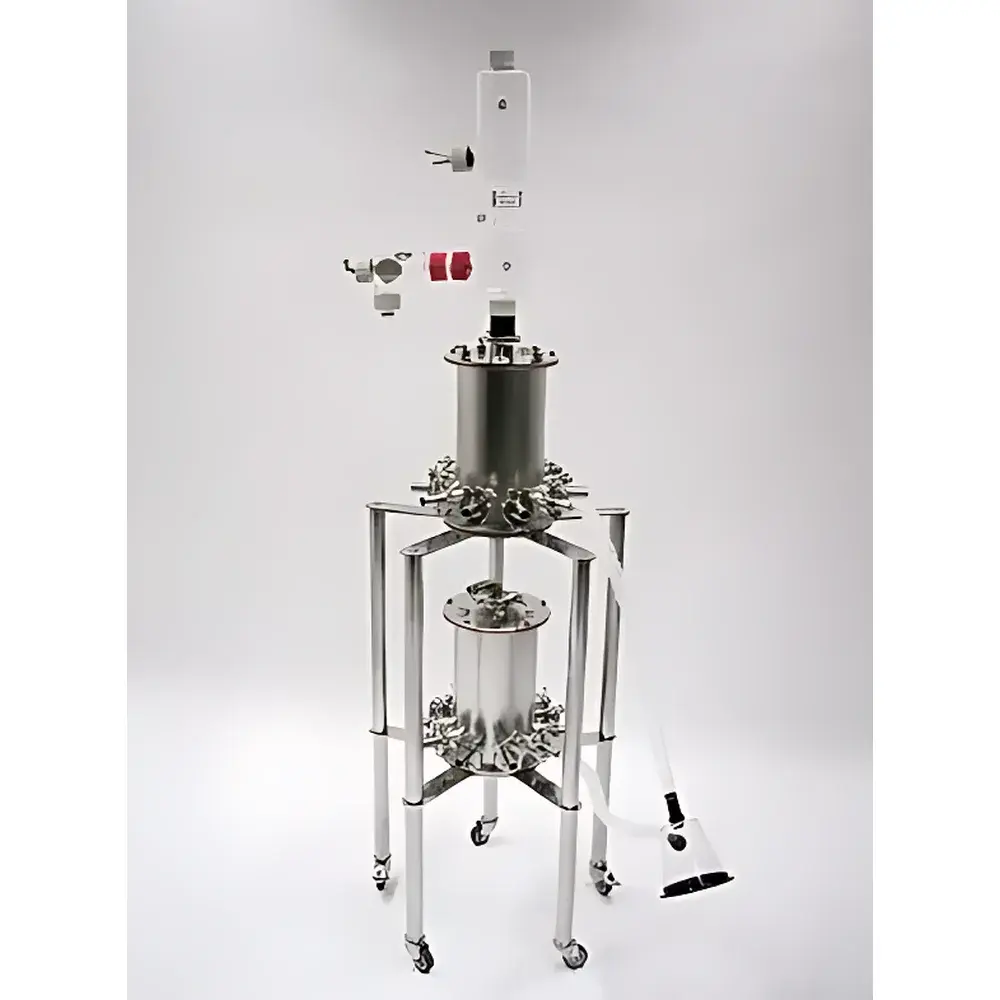
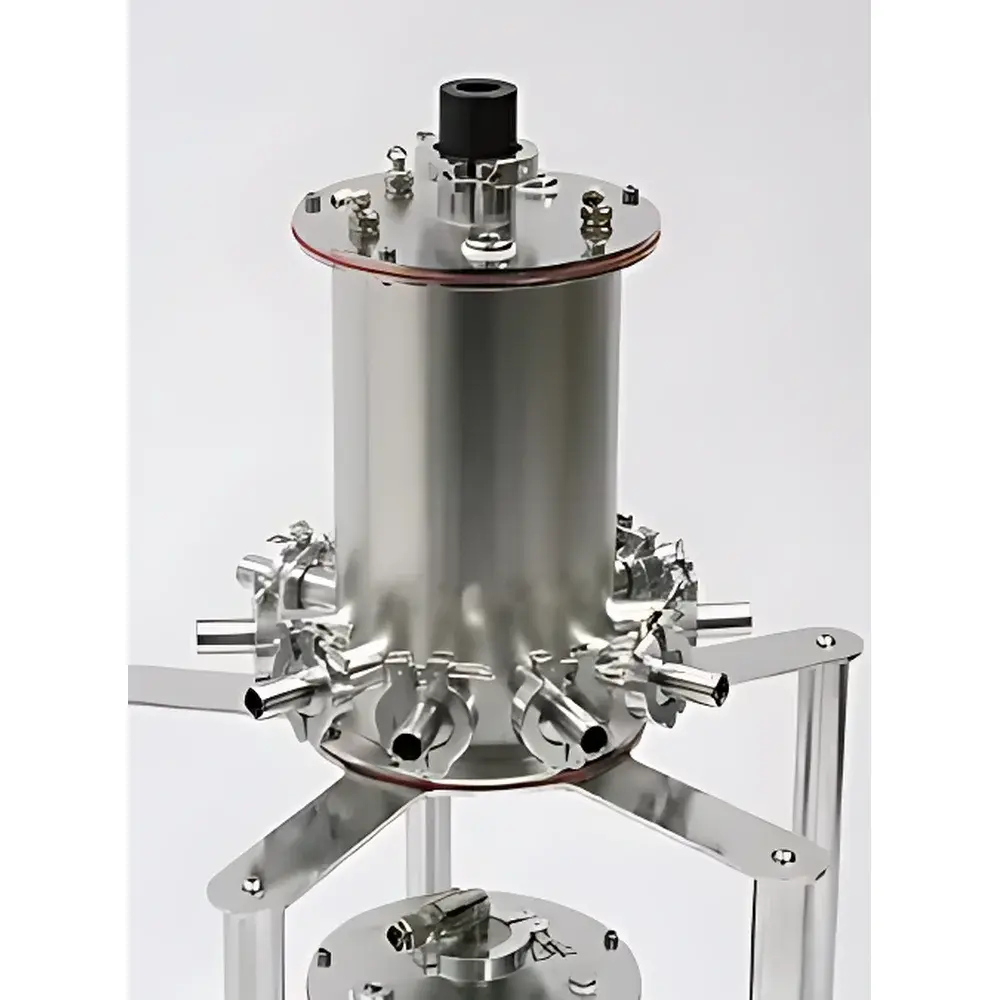
| Exposure Configuration | Ten Parallel Exposure Ports |
| Airflow Architecture | Segregated Inspiratory/Expiratory Pathways |
| Aerosol Delivery | Compatible with Liquid Aerosols, Dry Powder Aerosols, and Vapor Generators |
| Humidification & Mixing | Integrated Aerosol Humidification and Homogenization Unit |
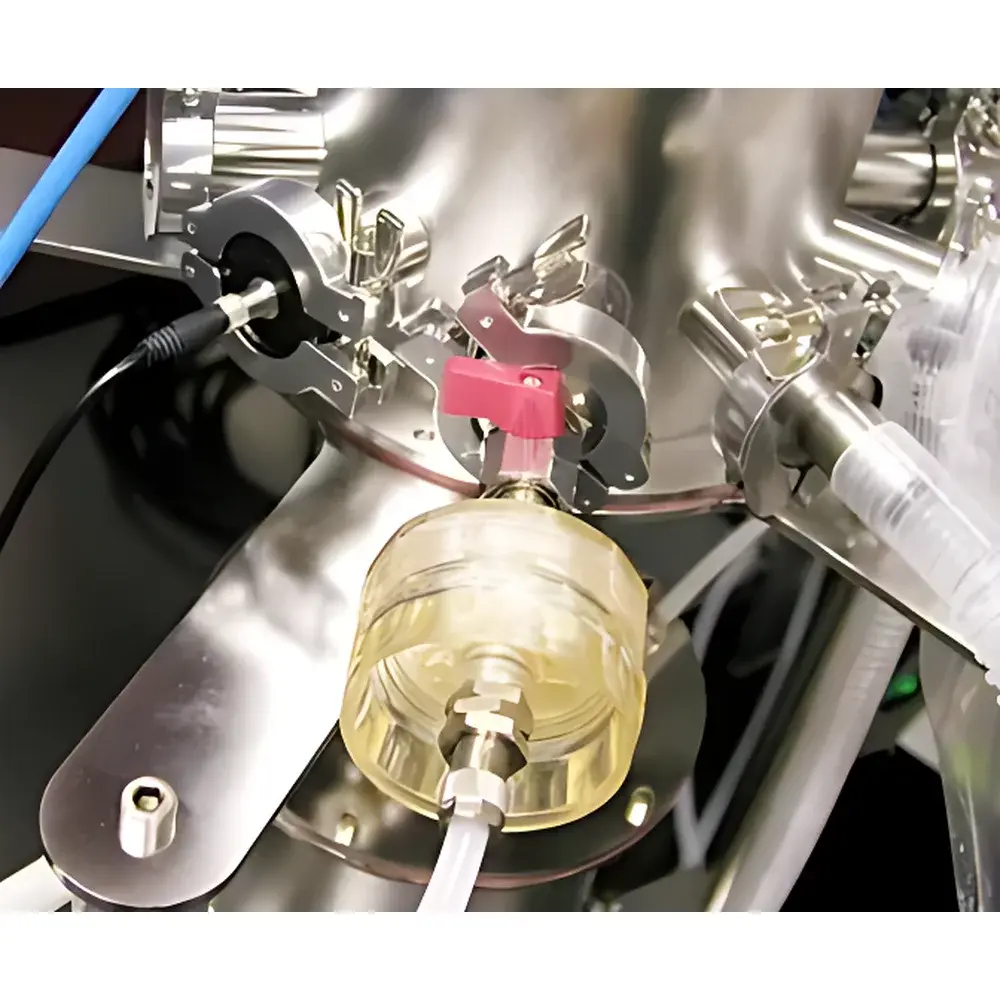
| Port Accessibility | Dual Sampling/Sensor Ports (Top and Bottom) |
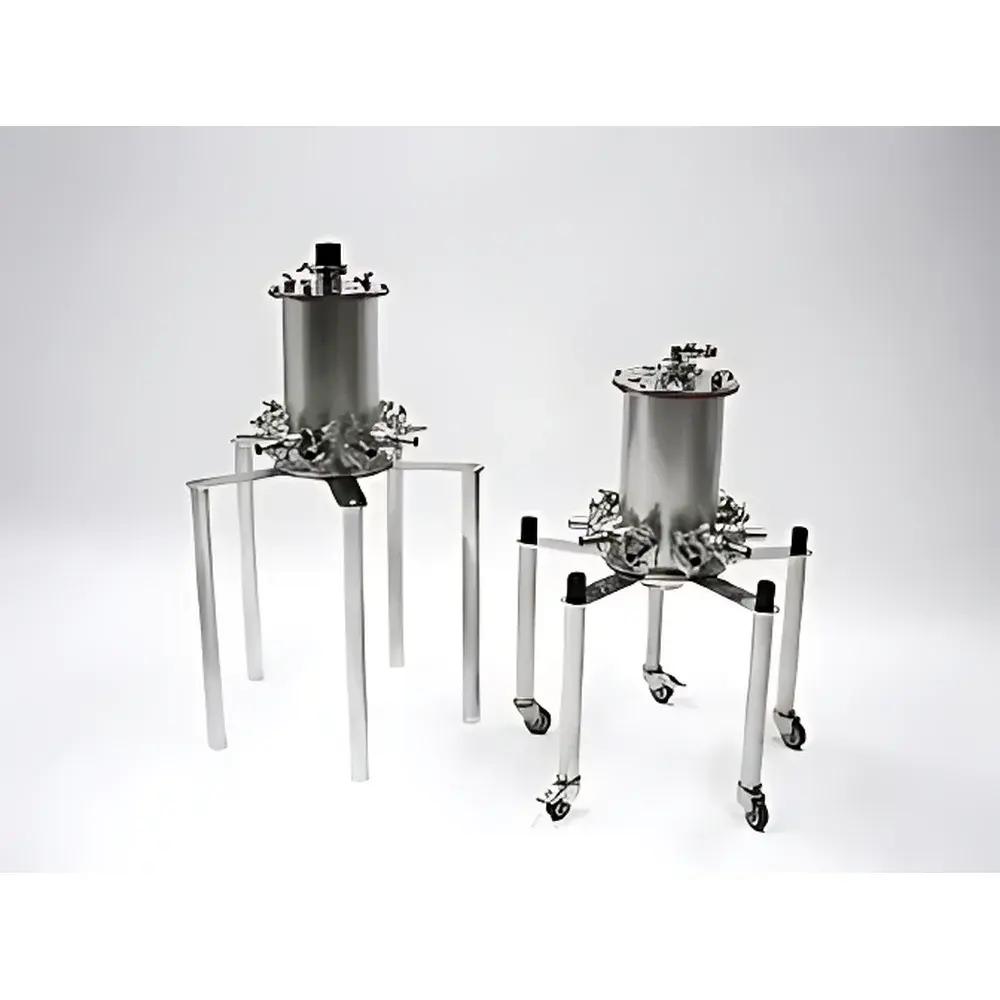
| Modular Design | Removable Upper Chamber for Cleaning and Transport |
| Species-Specific Restrainers | Available for Canine and Other Large Animal Models |
| Regulatory Alignment | Designed to Support OECD 412, OECD 413, ASTM E1936, and ISO 10993-12 Test Protocols |
Overview
The Snout-Only Inhalation Exposure System by TSE Systems is a precision-engineered, modular exposure platform designed specifically for non-rodent species—particularly dogs—in regulatory toxicology and pharmacokinetic studies. Unlike whole-body chambers, this system employs a snout-only configuration to deliver controlled, quantifiable doses of test atmospheres directly to the respiratory tract while minimizing systemic confounders such as dermal absorption or stress-induced physiological modulation. The system operates on the principle of forced inhalation under mild restraint, ensuring reproducible deposition patterns in the upper and lower airways. Its aerodynamic design maintains laminar, low-turbulence airflow across all ten exposure ports, enabling parallel testing with high inter-unit consistency. Critical to its scientific validity is the strict physical separation of inspiratory and expiratory gas streams—achieved via dedicated inlet and exhaust manifolds—which eliminates rebreathing of exhaled CO₂ and volatile metabolites, thereby preserving arterial blood gas integrity and reducing animal physiological drift during prolonged exposures.
Key Features
- Stainless steel construction with FDA-compliant, chemically resistant elastomeric seals (e.g., Viton® or Kalrez®), validated for compatibility with organic solvents, acidic vapors, and oxidizing aerosols.
- Modular snout interface with interchangeable canine-specific masks—each engineered to conform anatomically to muzzle morphology while maintaining leak-free seal integrity under dynamic breathing cycles.
- Dual-pathway gas management: Fresh supply air enters via a centrally located, pre-conditioned aerosol conduit; exhaled gases are immediately evacuated through independent bottom-mounted exhaust lines connected to scrubbing or monitoring systems.
- Integrated humidification and mixing chamber upstream of exposure ports ensures stable relative humidity (30–75% RH, adjustable) and uniform aerosol particle distribution—critical for maintaining droplet stability and preventing desiccation-induced artifact in liquid-based exposures.
- Top- and bottom-mounted NPT-threaded sampling ports (¼″) support real-time gravimetric, optical, or electrochemical sensor integration—including PM₂.₅ monitors, VOC analyzers, and condensation particle counters—for continuous atmospheric characterization per exposure port.
- Removable upper chamber assembly facilitates rapid decontamination between studies and simplifies transport between vivarium suites or GLP-compliant laboratories.
Sample Compatibility & Compliance
This system accommodates a broad spectrum of test agents: aqueous and lipophilic liquid aerosols (via jet or vibrating mesh nebulizers), respirable dry powders (MMAD 1–5 µm, GSD < 2.0), and volatile organic vapors (e.g., formaldehyde, acetone, ethyl acetate). All wetted components comply with USP Class VI biocompatibility standards. The architecture supports full traceability per OECD Test Guideline 412 (Subacute Inhalation Toxicity) and 413 (Chronic Inhalation Toxicity), as well as ASTM E1936-22 (Standard Practice for Conducting Subchronic Inhalation Studies in Dogs). It is fully compatible with 21 CFR Part 11–compliant data acquisition platforms when paired with validated digital controllers and audit-trail-enabled environmental loggers.
Software & Data Management
While the hardware operates independently of proprietary software, the system is engineered for seamless integration with third-party exposure control platforms—including TSE’s own ExposiControl™ suite and industry-standard LabVIEW™ or Python-based DAQ environments. Real-time monitoring of mass flow rates (via calibrated thermal mass flow meters), temperature, humidity, and pressure differentials is supported via analog (0–10 V) or digital (RS-485/Modbus RTU) outputs. All sensor inputs can be time-stamped and archived in CSV or HDF5 format, meeting ALCOA+ (Attributable, Legible, Contemporaneous, Original, Accurate, Complete, Consistent, Enduring, Available) data integrity requirements for GLP audits.
Applications
- Regulatory inhalation toxicology studies in beagle dogs per ICH S7A and S7B guidelines.
- Inhalation PK/PD modeling of inhaled therapeutics (e.g., corticosteroids, bronchodilators, mRNA lipid nanoparticles).
- Biocompatibility assessment of medical device emissions (ISO 10993-12).
- Occupational exposure limit (OEL) derivation for industrial chemicals under REACH or ACGIH protocols.
- Preclinical evaluation of pulmonary drug delivery systems—including DPIs, pMDIs, and nebulized biologics.
FAQ
Can this system be used for conscious, unrestrained dogs?
No. The snout-only configuration requires mild physical restraint using species-specific holders to maintain mask seal integrity and ensure consistent dosimetry. Restraint protocols follow AVMA and EU Directive 2010/63/EU ethical standards.
Is calibration documentation provided for integrated flow sensors?
Yes—each unit ships with NIST-traceable calibration certificates for all mass flow meters and environmental sensors, valid for 12 months from date of commissioning.
What maintenance intervals are recommended for seals and aerosol pathways?
Seals should be inspected before each study and replaced every 6 months or after 50 exposure cycles, whichever occurs first. Aerosol conduits require ultrasonic cleaning with isopropanol after each vapor-based study and autoclaving-compatible sterilization after bioaerosol use.
Does TSE Systems offer validation support for 21 CFR Part 11 compliance?
Yes—IQ/OQ/PQ protocol templates and on-site qualification services are available upon request, aligned with Annex 11 and GAMP 5 principles.
Related Products