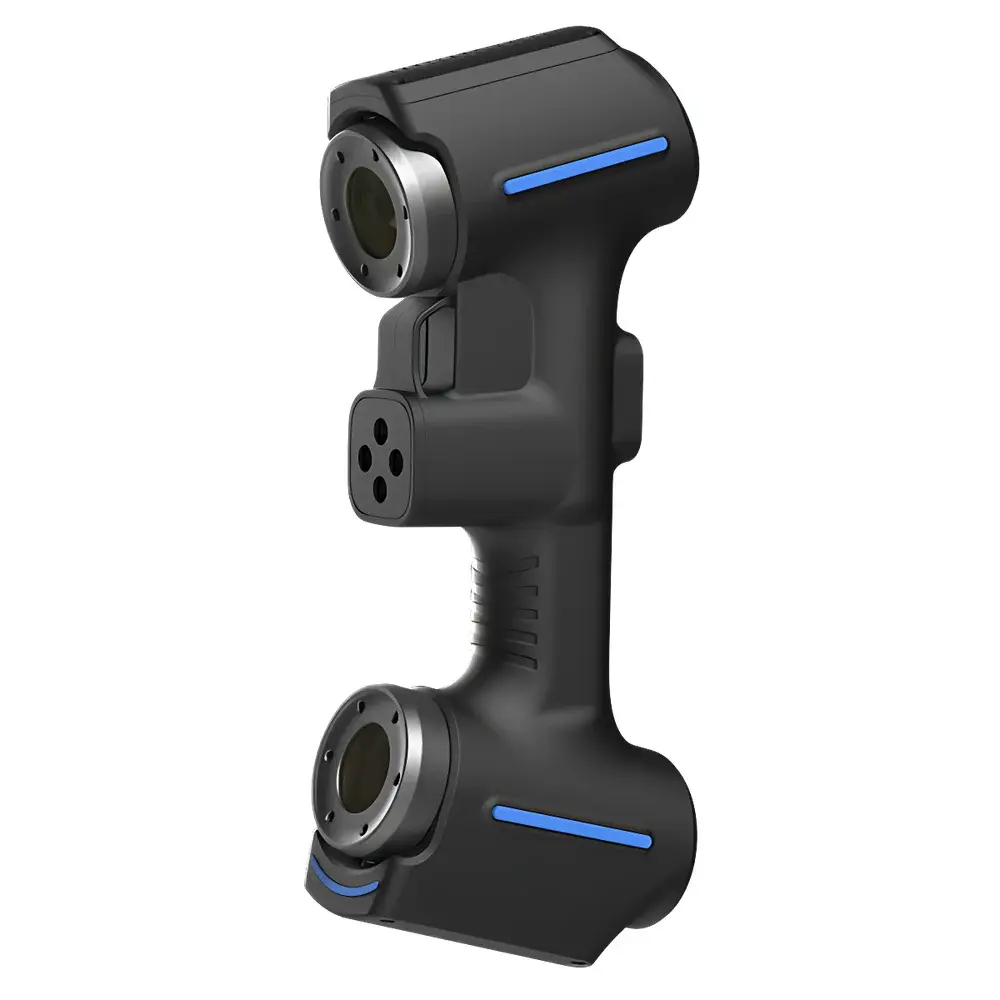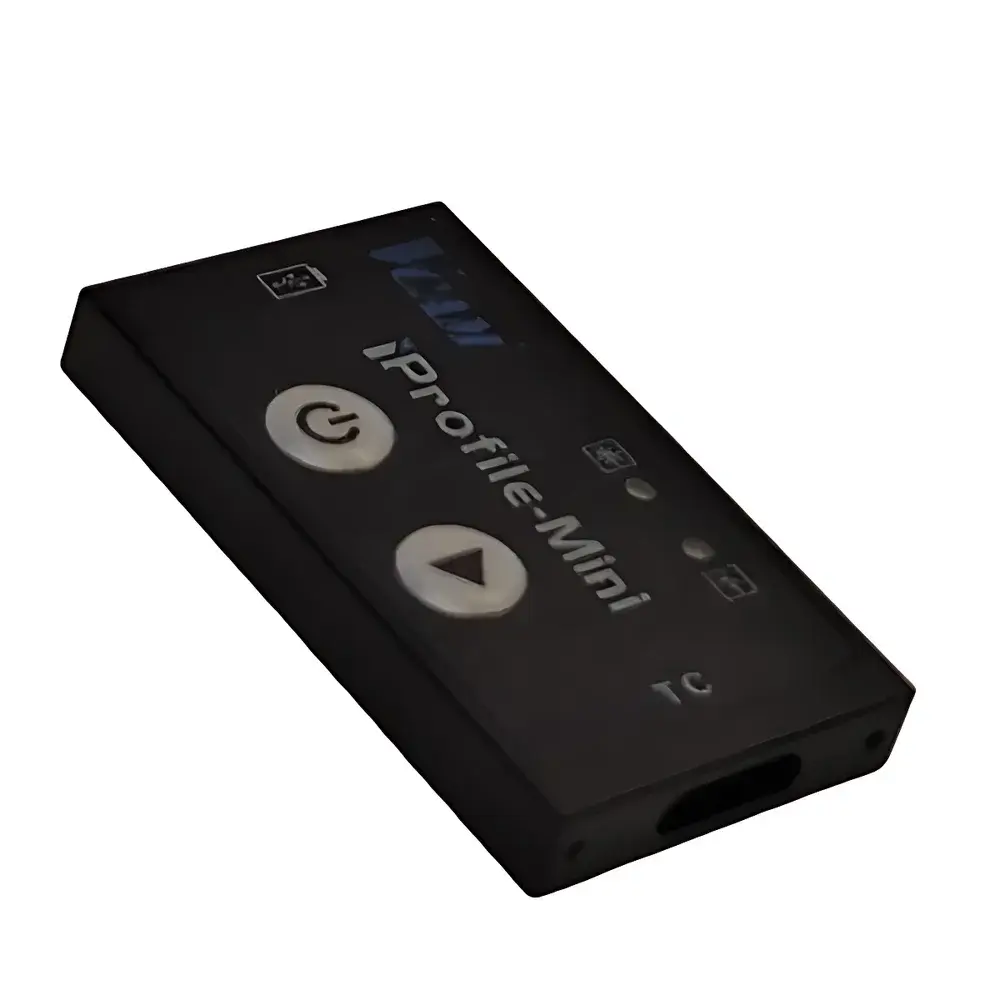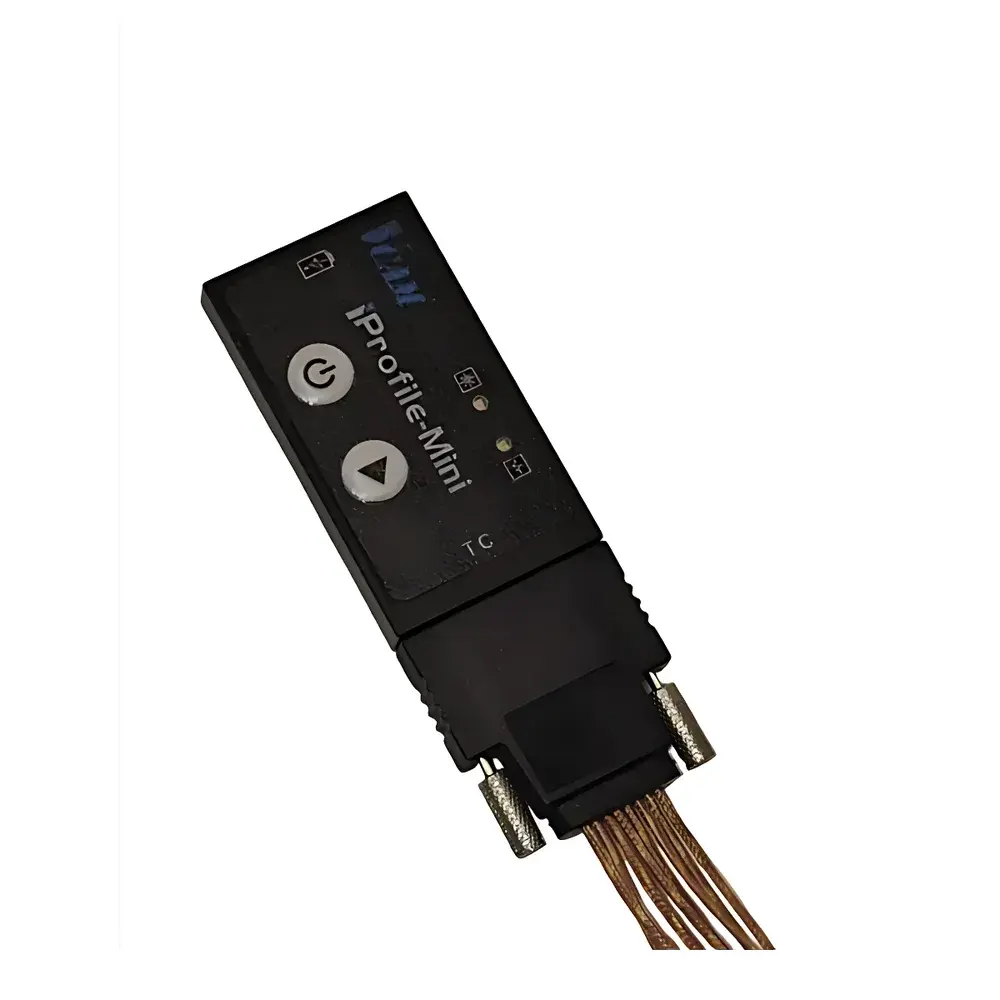
Solar Light PMA2120 UV Radiation Safety Detector
| Brand | Solar Light |
|---|---|
| Origin | USA |
| Manufacturer Type | Authorized Distributor |
| Origin Category | Imported |
| Model | PMA2120 |
| Price | Upon Request |
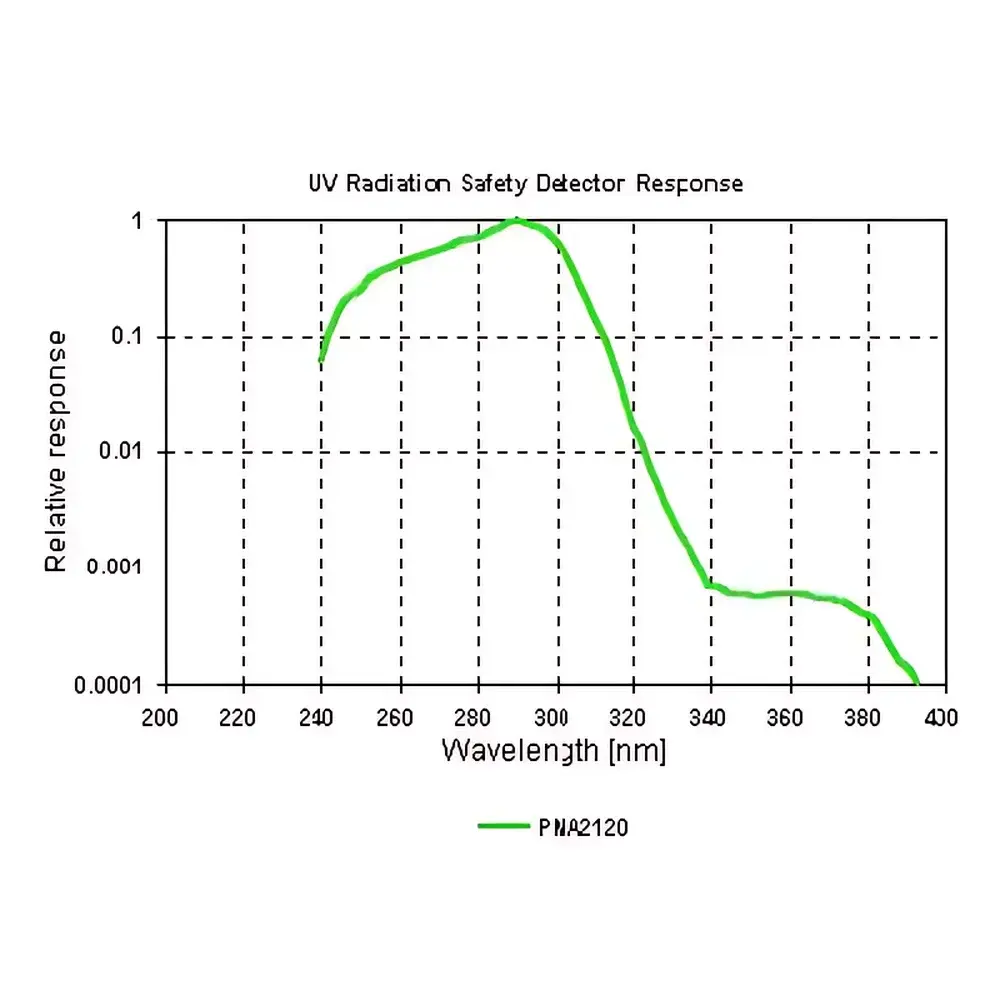
| Spectral Response | Aligned with ACGIH UV Hazard Action Spectrum (Figure 1) |
| Angular Response | ±5% for incident angles <60° |
| Measurement Range | 0–1 mW/cm² |
| Display Resolution | 0.01 µW/cm² |
| Operating Temperature | 0–50 °C (32–120 °F), non-condensing |
| Cable Length | Retractable from 0.3 m to 1.5 m |
| Detector Diameter | 40.6 mm |
| Detector Height | 45.8 mm |
| Weight | 200 g |
| Dynamic Range | 2 × 10⁵ |
| Calibration | NIST-traceable |
| Cosine Correction | Yes |
| Units Displayed | µW/cm², mW/cm², J/cm² |
Overview
The Solar Light PMA2120 UV Radiation Safety Detector is a precision-engineered radiometric instrument designed to quantify biologically weighted ultraviolet (UV) irradiance in occupational and industrial environments. It operates on the principle of spectrally filtered photodetection, where a silicon photodiode is coupled with an optical filter assembly engineered to replicate the ACGIH® (American Conference of Governmental Industrial Hygienists) UV hazard action spectrum—specifically optimized for erythemal and photokeratitis risk assessment across the 180–400 nm range. Unlike broadband UV meters, the PMA2120 applies real-time spectral weighting per ISO 15858:2016 and ACGIH TLV® guidelines, enabling direct calculation of effective irradiance (Eeff) in µW/cm² and cumulative radiant exposure (Heff) in J/cm². Its compact, handheld architecture supports rapid field deployment while maintaining metrological integrity under variable ambient conditions.
Key Features
- ACGIH-compliant spectral response validated against standardized UV hazard curves (Figure 1 in ACGIH TLVs® and BEIs®)
- High-fidelity cosine-corrected diffuser ensuring angular uniformity within ±5% up to 60° incidence—critical for accurate irradiance measurement under non-normal illumination geometries
- NIST-traceable calibration certificate supplied with each unit, supporting audit readiness under OSHA 1910.97, EU Directive 2006/25/EC, and ANSI/IES RP-27.1-22
- Dynamic range of 2 × 10⁵ enables seamless transition from low-intensity ambient UV monitoring (e.g., daylight UV index screening) to high-flux industrial sources (e.g., UV-C germicidal lamps at 254 nm or UV-A curing arrays)
- Dual-unit display: simultaneous readout of instantaneous irradiance (µW/cm² or mW/cm²) and time-weighted exposure (J/cm²), with real-time calculation of maximum permissible exposure duration per ACGIH threshold limit values
- Robust mechanical design: anodized aluminum housing, IP54-rated ingress protection, and thermal stability across 0–50 °C without active temperature compensation circuitry
Sample Compatibility & Compliance
The PMA2120 is compatible with continuous-wave and pulsed UV sources emitting between 180 nm and 400 nm—including low-pressure mercury lamps (254 nm), medium-pressure UV arcs (200–400 nm), UV-LED arrays (365 nm, 385 nm, 395 nm), and welding arcs. It is not intended for laser radiation measurement (IEC 60825-1) or extreme vacuum-UV (<180 nm). The detector complies with key regulatory frameworks governing occupational UV exposure: OSHA Technical Manual Section III: Chapter 2 (Non-Ionizing Radiation), EU Artificial Optical Radiation Directive 2006/25/EC, and ISO/IEC 17025:2017 requirements for calibration laboratories. Its NIST-traceable calibration supports GLP documentation and FDA-regulated facility audits where UV dose validation is required (e.g., sterilization process qualification per ISO 11137).
Software & Data Management
While the PMA2120 operates as a standalone, self-contained meter with no embedded data logging, it integrates seamlessly with Solar Light’s optional PMA2100 Series Interface Module (sold separately) for analog voltage output (0–2 V DC proportional to irradiance) and RS-232 serial communication. When connected to PC-based acquisition software (e.g., Solar Light UVCalc v5.x), users can perform time-series irradiance profiling, generate exposure compliance reports aligned with ACGIH TLV tables, and export CSV-formatted datasets compliant with 21 CFR Part 11 electronic record requirements—including operator ID, timestamp, instrument serial number, and calibration expiry date. Audit trails are maintained via software-generated log files with immutable timestamps.
Applications
- Occupational health & safety assessments in manufacturing facilities using UV-curing inks, adhesives, or coatings
- Validation of UV disinfection systems in healthcare settings (e.g., upper-room UVGI, surface decontamination cabinets)
- Performance verification of UV-blocking materials including safety eyewear, face shields, and architectural glazing per ANSI Z87.1-2020 and EN 170:2002
- Process control in semiconductor photolithography and printed electronics fabrication
- Field evaluation of solar UV exposure in outdoor work environments (e.g., construction, agriculture, roofing)
- Welding arc radiation hazard mapping per AWS F1.1-2021 and ISO 12947-2
FAQ
Is the PMA2120 suitable for measuring UV-C (254 nm) germicidal lamp output?
Yes—the detector’s spectral response includes full sensitivity at 254 nm and is calibrated specifically for low-pressure mercury lamp emission profiles.
Does the unit require periodic recalibration?
Solar Light recommends annual recalibration against NIST-traceable standards to maintain compliance with ISO/IEC 17025 and internal quality management systems.
Can the PMA2120 measure pulsed UV sources such as flash lamps?
It is rated for continuous and quasi-continuous sources; for short-duration pulses (<10 ms), peak irradiance may exceed the linear response range—consult Solar Light Application Note AN-UV-017 for pulse integration methodology.
What mounting options are available for fixed-position monitoring?
The detector features a standard ¼”-20 UNC threaded base compatible with photographic tripods and laboratory kinematic mounts; optional bracket kits enable wall or ceiling installation.
Is firmware upgrade capability supported?
No—the PMA2120 is analog-dominant with fixed calibration coefficients stored in hardware; all functional updates are implemented via external interface modules or host software.